

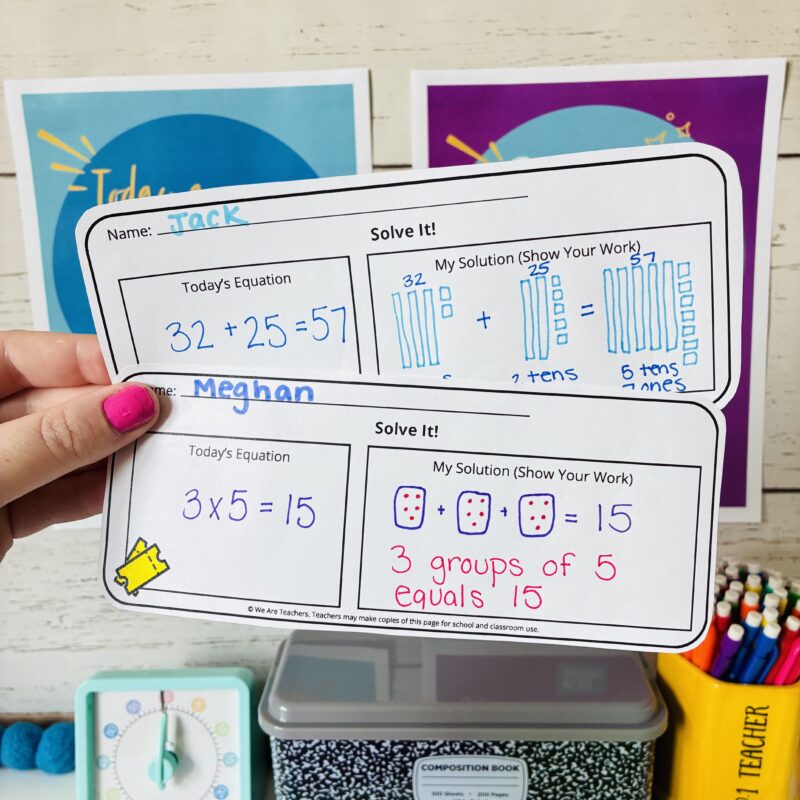
The educational landscape has undergone a significant paradigm shift over the last two decades, moving away from a traditional "teacher-lecture, student-listen" model toward a more dynamic, reciprocal exchange of information. Central to this evolution is the concept of formative assessment—the process of evaluating student understanding in real-time to adjust instruction. Among the most effective tools in this category is the "exit ticket," a brief, informal response collected from students at the conclusion of a lesson. Far from being mere "busywork," these assessments provide educators with critical data points that inform subsequent teaching strategies, facilitate better communication between teachers and pupils, and foster essential metacognitive skills in learners of all ages.

The Role of Exit Tickets in Modern Pedagogy
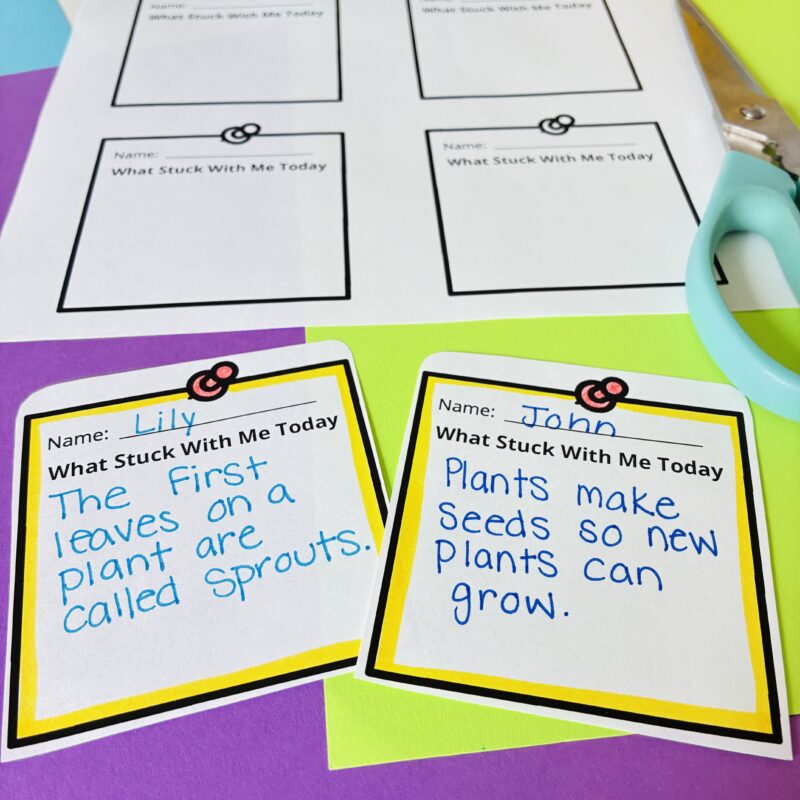
Exit tickets function as a bridge between the conclusion of one lesson and the commencement of the next. In a professional educational setting, they are defined as targeted responses to specific questions or prompts posed at the end of a class period. Their primary utility lies in their ability to provide immediate, actionable feedback. Unlike summative assessments—such as end-of-unit exams or standardized tests—exit tickets allow for intervention while the learning process is still ongoing.
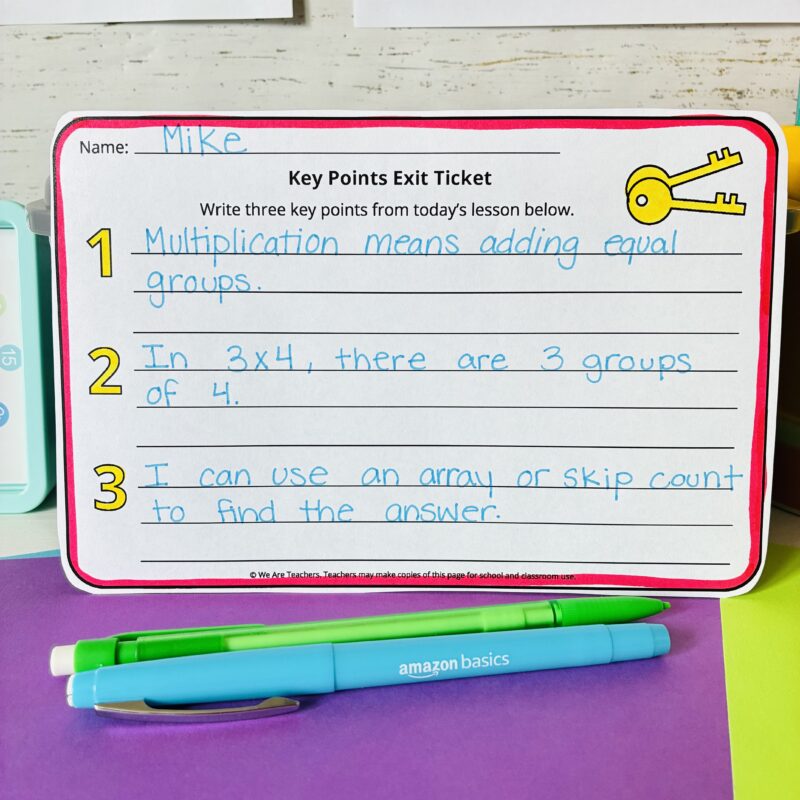
According to educational research, students are most successful when instructors are constantly assessing their progress and adjusting their methods accordingly. By utilizing exit tickets, teachers can categorize a class into three distinct groups: those who have mastered the material, those who are approaching proficiency but require clarification, and those who are struggling with the foundational concepts. This data-driven approach enables differentiated instruction, allowing teachers to provide small-group support or one-on-one interventions without halting the progress of the entire class.
Historical Context and the Evolution of Formative Assessment
The use of exit tickets is rooted in the broader framework of formative assessment, a concept popularized in the late 1960s and refined by educational researchers like Paul Black and Dylan Wiliam in the 1990s. Their landmark study, Inside the Black Box, demonstrated that frequent, low-stakes assessment followed by specific feedback is one of the most powerful tools for improving student achievement.
In the early 2000s, exit tickets were primarily paper-based, often consisting of index cards or sticky notes. However, the chronology of their development has followed the trajectory of classroom technology. Today, exit tickets have evolved into digital formats, utilizing platforms such as Google Forms, Padlet, and video-recording software. This transition has allowed for more sophisticated data analysis, as digital tools can aggregate student responses into charts and graphs, providing teachers with an instant visual overview of classroom comprehension levels.

A Chronology of the Exit Ticket Workflow
To maximize the effectiveness of an exit ticket, educators typically follow a structured four-stage chronology within their daily routine:
- Preparation and Alignment: Before the lesson begins, the teacher identifies a specific learning objective and crafts a prompt that directly measures it. This ensures the exit ticket is a valid assessment of the day’s goals.
- Implementation: During the final five to seven minutes of class, the prompt is presented. This timing is critical; it must be long enough for thoughtful reflection but brief enough to maintain the "low-stakes" nature of the task.
- Analysis: Following the dismissal of students, the teacher reviews the responses. In a professional setting, this usually involves "sorting" the tickets into piles based on the level of understanding demonstrated.
- Instructional Adjustment: The data gathered directly influences the next day’s lesson plan. If a majority of students missed a concept, the teacher may decide to "reteach" the material using a different approach. If only a few struggled, the teacher might plan a small-group intervention.
Supporting Data: Why Real-Time Feedback Matters
Quantitative studies in the field of educational psychology suggest that immediate feedback can significantly reduce the "forgetting curve." Research indicates that when students are asked to retrieve information shortly after learning it—a process known as the "testing effect"—long-term retention improves by up to 25% compared to students who only engage in passive review.

Furthermore, exit tickets address the "participation gap." In a standard classroom discussion, often only a small percentage of vocal students participate. Exit tickets provide a 1:1 communication ratio. Art teacher Sheena LeMay-Nelssen, an advocate for the method, notes that these tools often garner higher participation from students who are otherwise reluctant to engage. "I use that information to help direct lessons, adding clarifications or reteaching," LeMay-Nelssen states. "If students are struggling with one lesson, we may hold off on the next to make sure everyone is on the same page."
Professional Best Practices for Implementation
While the concept of the exit ticket is straightforward, its professional application requires strategic planning. Educators are encouraged to follow several key principles:

- Clarity of Purpose: Students must understand the "why" behind the task. If they perceive it as busywork, the quality of their responses will diminish. Educators should be transparent about whether the tickets are for a daily grade, extra credit, or simply to help the teacher improve the lesson.
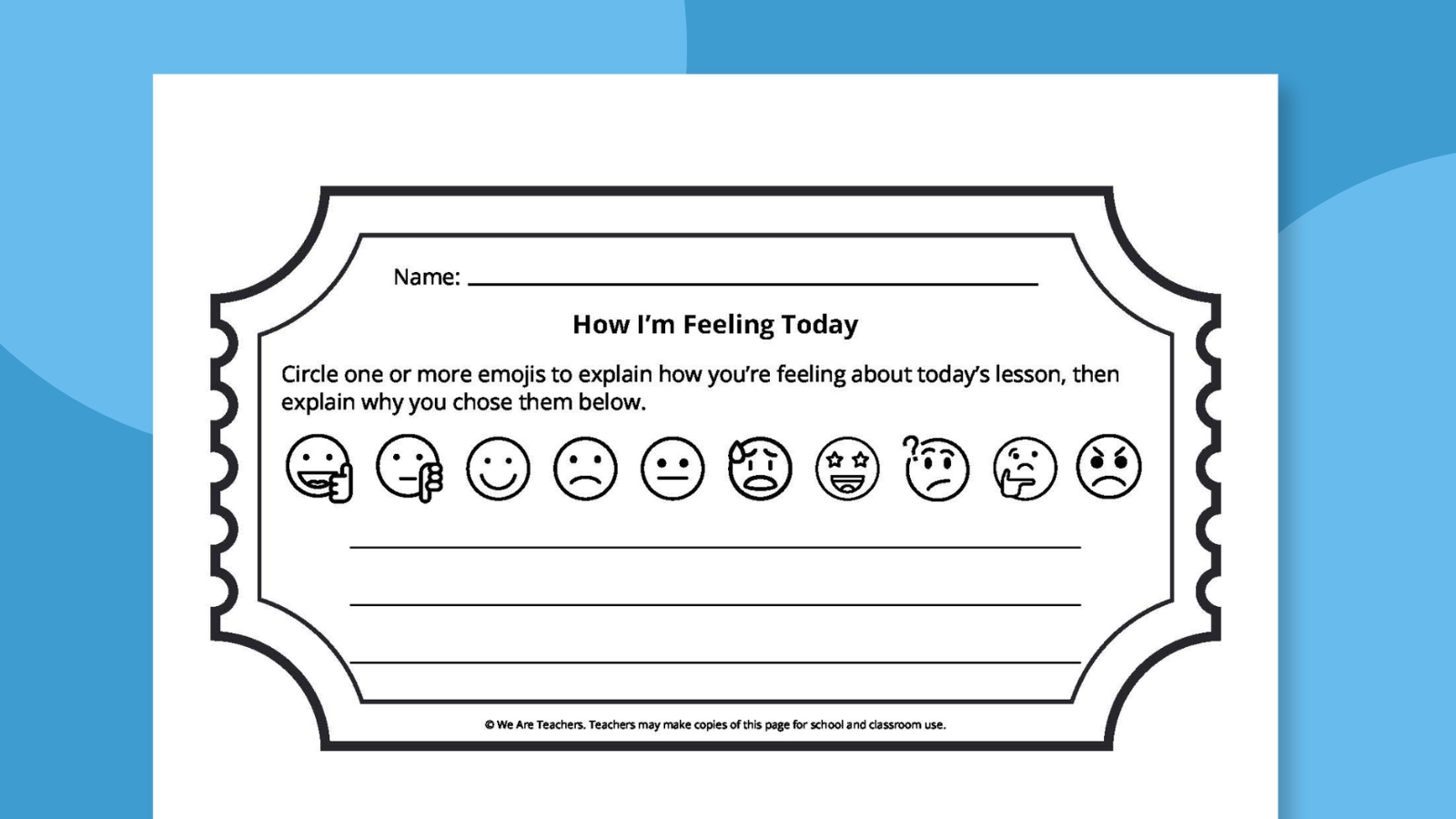
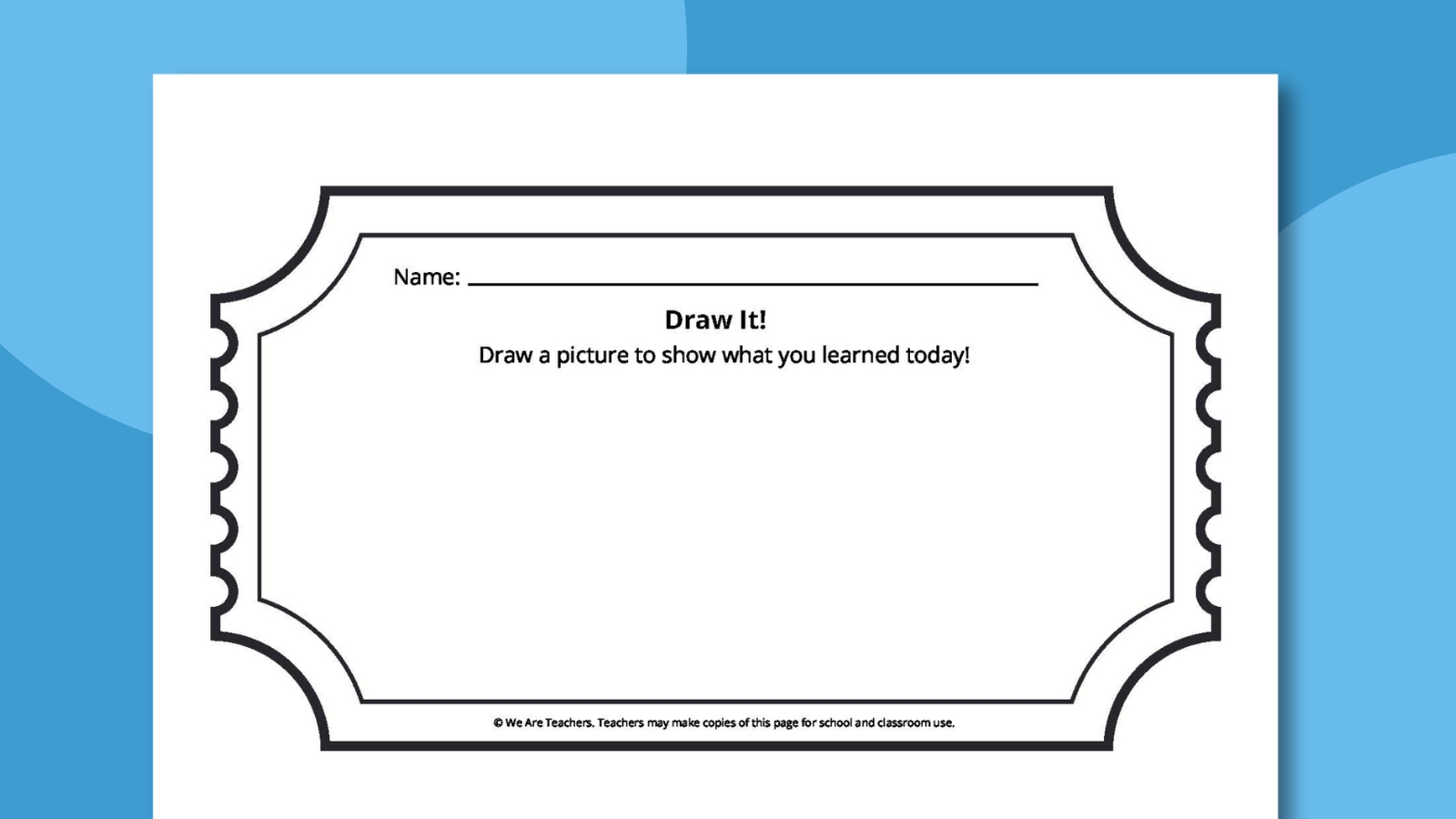
- Variety in Format: To prevent "autopilot" responses, teachers should rotate through different types of prompts. This includes multiple-choice questions for quick checks, open-ended reflections for deeper thinking, and creative tasks like drawing for non-verbal learners.
- Consistency: Establishing a predictable routine helps students build the habit of reflection. For example, some teachers implement "Observation Mondays" or "Self-Reflection Fridays" to provide a structured end to the week.
- Metacognitive Development: Beyond checking for content knowledge, exit tickets should ask students to think about how they learned. Prompts like "What part of today’s lesson was most challenging for you?" help students develop self-awareness regarding their own cognitive processes.
Diverse Methodologies and Creative Examples
The versatility of exit tickets allows them to be adapted for any subject matter or grade level. Below are several proven methodologies used in high-performing classrooms:
The 3-2-1 List
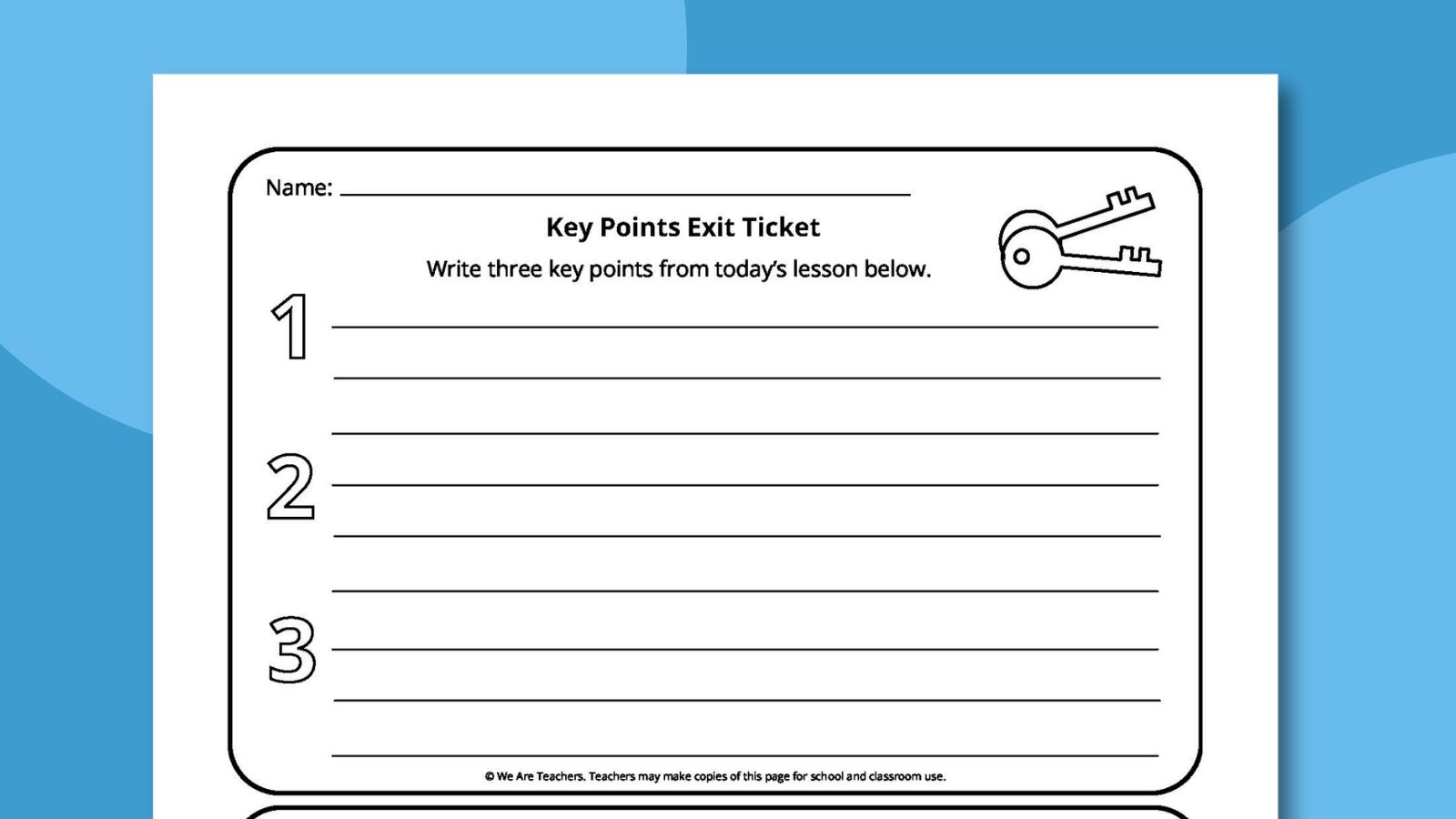
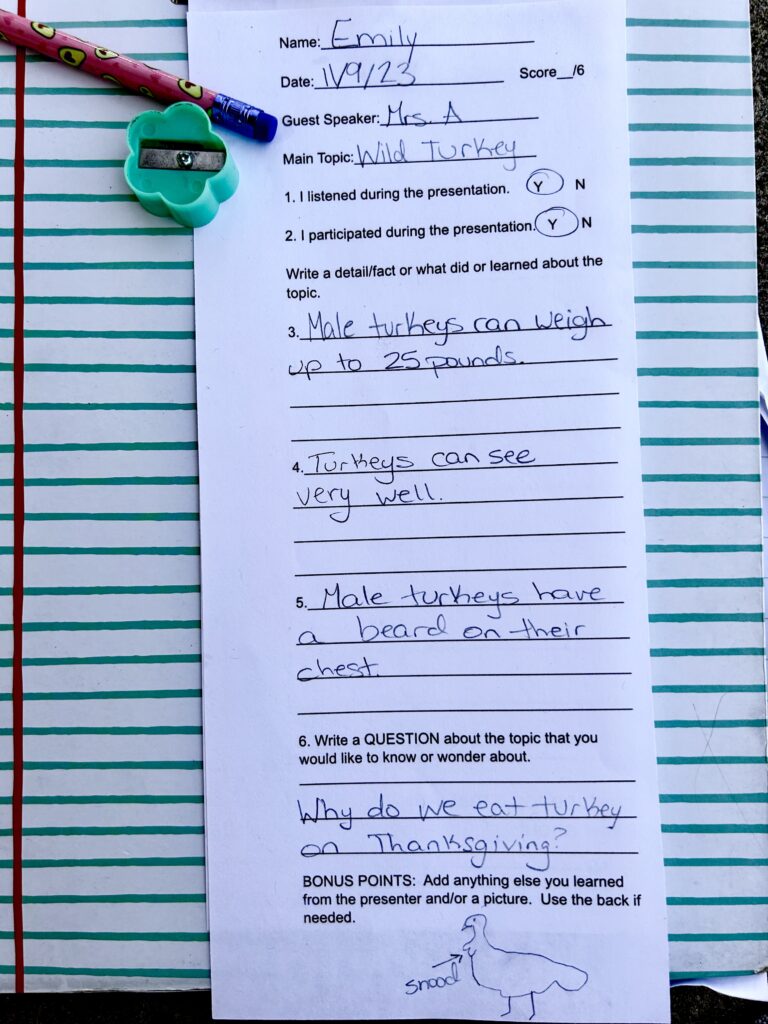
A classic cognitive check where students write down three things they learned, two things they found interesting or are still working on, and one question they still have. This format provides a comprehensive overview of both mastery and curiosity.
The Traffic Light System
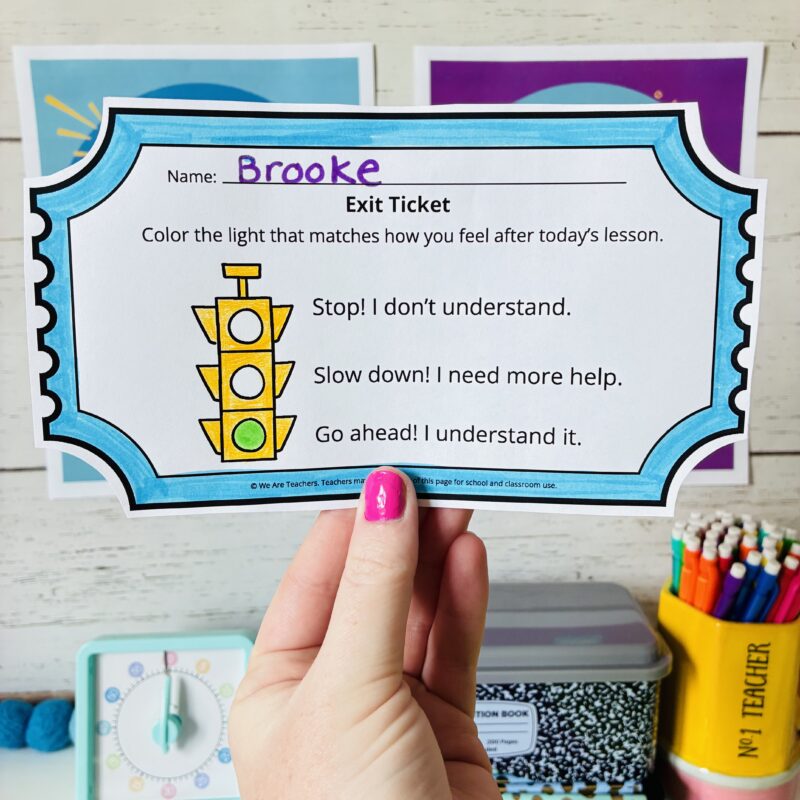
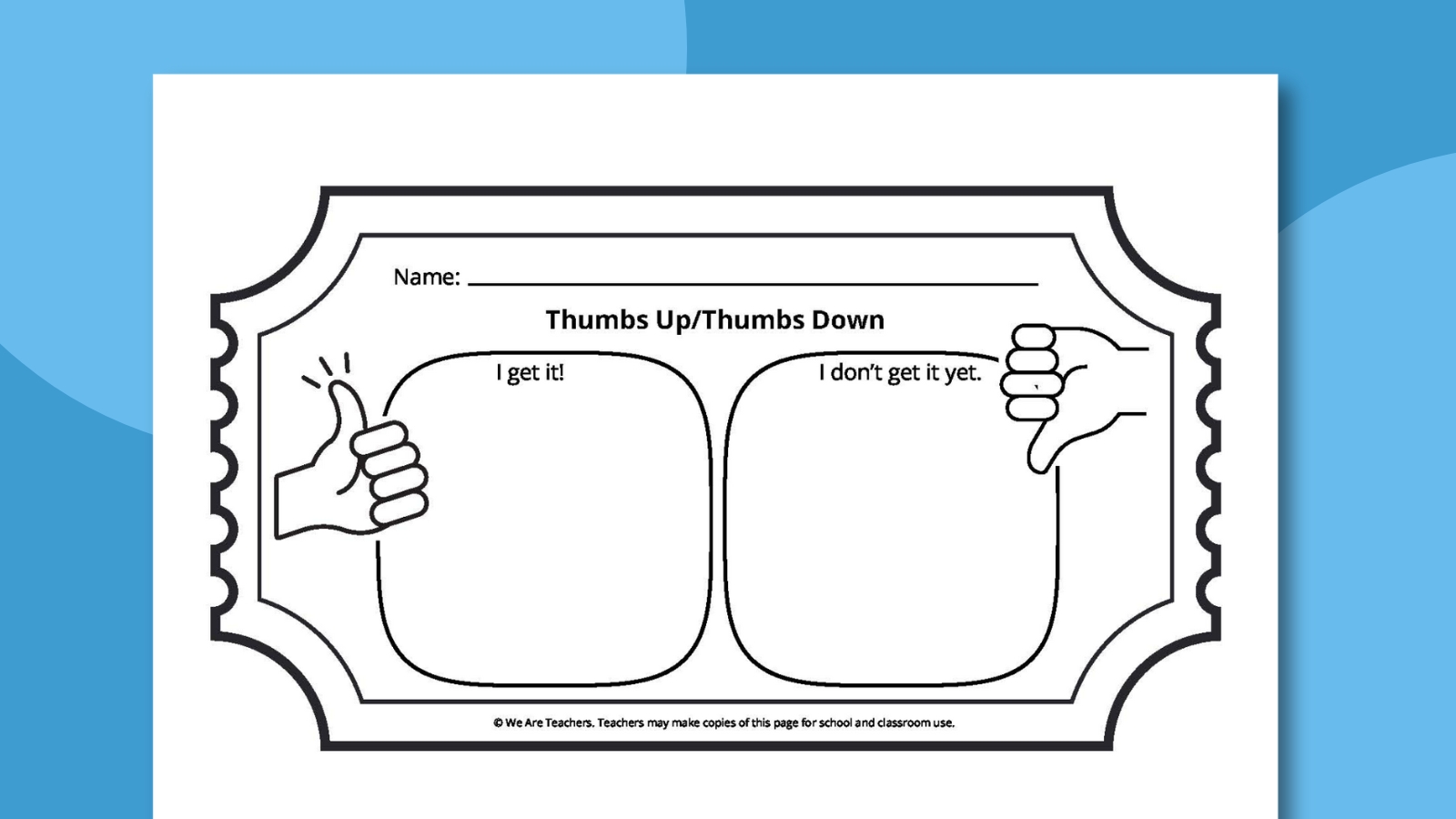
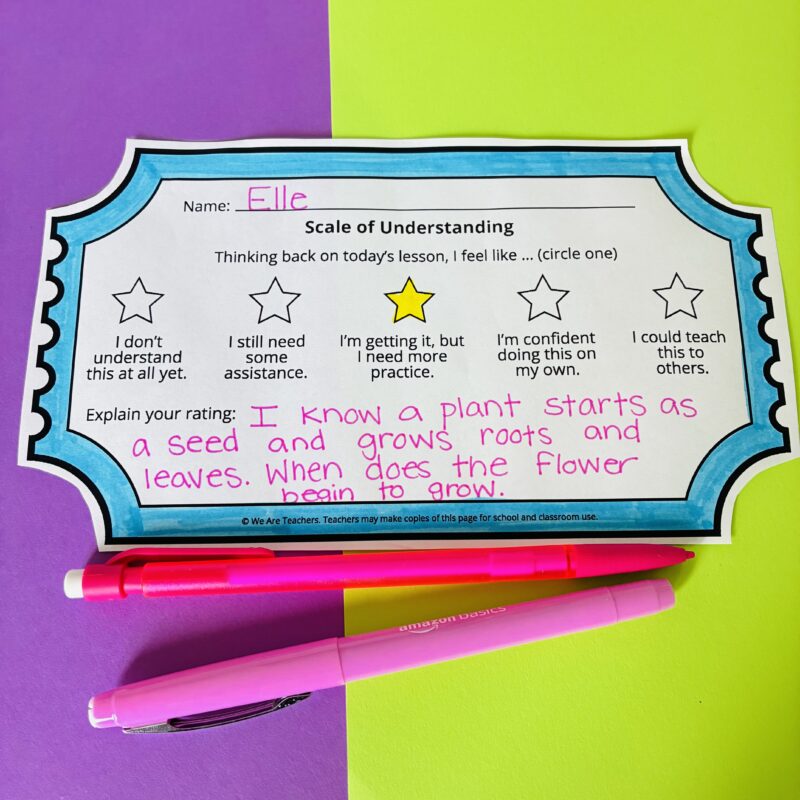
Ideal for younger students or quick pulse checks, this method uses color coding. Red indicates the student is lost and needs immediate help; yellow signifies they are "almost there" but have some confusion; green indicates they have mastered the concept and are ready to move on.
Two Facts and a Fib
This interactive method encourages peer-to-peer engagement. Students write two accurate statements and one false statement about the lesson. They can trade with a partner to identify the "fib" before turning the ticket in, adding an element of gamification to the assessment.
The "Brain Dump"
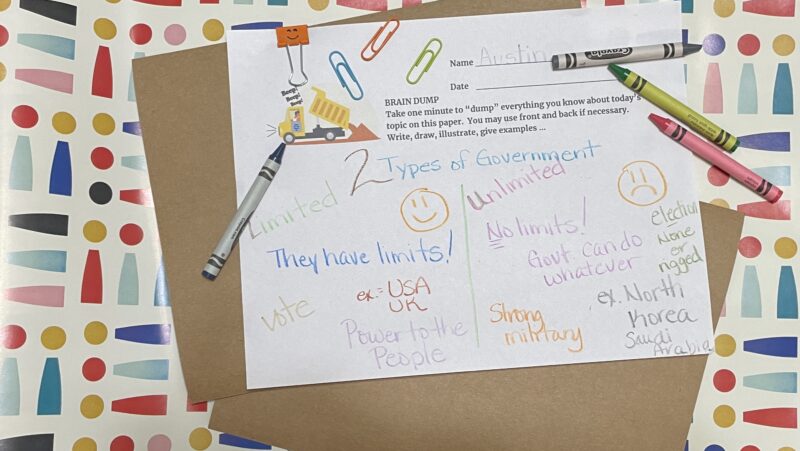
When a lesson involves complex, interlocking concepts, a brain dump allows students to write down every term, idea, or connection they remember. This provides teachers with a "map" of how information is being organized in the student’s mind.
Digital and Multimedia Responses
In virtual or hybrid learning environments, teachers often use tools like Padlet—an online bulletin board—or Flip (formerly Flipgrid) for video responses. Recording a 30-second video allows students to practice verbal communication skills while providing the teacher with a more nuanced understanding of their tone and confidence levels.

Official Responses and Pedagogical Implications
Educational experts emphasize that the successful use of exit tickets is contingent upon the teacher’s willingness to act on the data. If a teacher collects exit tickets but continues with the original lesson plan regardless of the results, the tool loses its formative value.
Sheena LeMay-Nelssen highlights the communicative power of the tool, particularly for introverted students. "Some students are just more comfortable writing questions or putting answers on paper than speaking privately with me or in front of the class," she explains. This sentiment is echoed by many school administrators who view exit tickets as a primary method for ensuring equitable instruction, as it guarantees every student’s voice is heard at the end of every lesson.

Strategic Analysis: The Broader Impact on Classroom Culture
The long-term implication of consistent exit ticket use is the creation of a "feedback-rich" classroom culture. When students see their feedback resulting in tangible changes to the next day’s lesson—such as the teacher saying, "Many of you mentioned on your tickets yesterday that the second equation was confusing, so we are going to start there today"—it builds trust.
This process shifts the responsibility of learning. It moves from a model where the teacher is solely responsible for "delivering" knowledge to one where the student is a partner in the process, responsible for identifying their own needs. Furthermore, the data from exit tickets can be used in professional learning communities (PLCs), where teachers share results to identify which instructional strategies are working across a grade level or department.
Conclusion
The strategic use of exit tickets represents a cornerstone of effective modern instruction. By providing a quick, low-stakes mechanism for feedback, they allow educators to move from anecdotal assumptions to data-driven certainty. Whether through a simple sticky note or a sophisticated digital form, the exit ticket ensures that no student leaves the classroom with unaddressed misconceptions. As schools continue to prioritize personalized learning and student agency, the exit ticket remains an indispensable tool for fostering an environment where every student can succeed.

