

The modern educational landscape has shifted significantly from the traditional "sage on the stage" model toward a more dynamic, reciprocal exchange between educators and students. At the heart of this transition is the concept of formative assessment—a method of evaluating student comprehension in real-time to adjust instructional strategies immediately. One of the most effective and versatile tools in this category is the "exit ticket." These brief, informal responses collected at the conclusion of a lesson provide a snapshot of student understanding, allowing teachers to pivot their approach before misconceptions become entrenched. While they appear simple on the surface, the strategic deployment of exit tickets can fundamentally alter the learning trajectory of a classroom, fostering a culture of transparency, metacognition, and data-driven instruction.
The Definition and Function of Exit Tickets
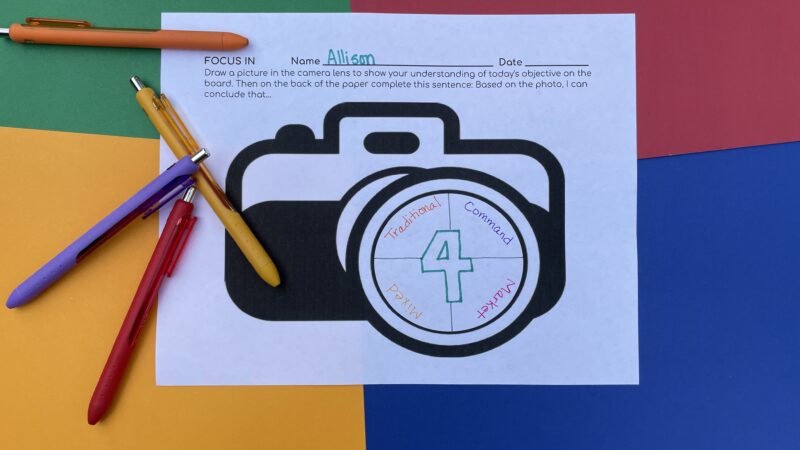
Exit tickets are structured responses provided by students to specific prompts or questions posed by a teacher during the final minutes of a class period. Unlike summative assessments—such as midterms or final exams—exit tickets are low-stakes and typically non-graded or weighted lightly. Their primary purpose is to serve as a diagnostic tool. By reviewing these responses, an educator can identify which students have mastered the day’s objectives, which are approaching proficiency, and which require immediate intervention.
In practice, exit tickets function as a feedback loop. They bridge the gap between what a teacher intends to teach and what the student actually learns. This "check for understanding" is essential in every subject, from mathematics and science to the fine arts and humanities. Furthermore, the advent of virtual and hybrid learning environments has expanded the utility of exit tickets, moving them from physical slips of paper to digital forms and interactive online boards.
Historical Context and the Evolution of Formative Assessment
The rise of the exit ticket is closely tied to the broader pedagogical shift toward "Visible Learning," a term popularized by researcher John Hattie. Hattie’s meta-analysis of over 800 studies related to achievement highlighted that "feedback" is one of the most powerful influences on student learning. Historically, classroom assessment was often summative, meaning teachers would only realize a student had failed to grasp a concept after a major unit test was graded—often weeks after the instruction had occurred.
In the late 20th and early 21st centuries, educational theorists like Paul Black and Dylan Wiliam argued in their seminal work, "Inside the Black Box," that formative assessment could produce significant learning gains. They posited that when teachers use classroom evidence to adapt their teaching to meet student needs, the pace of learning can double. The exit ticket emerged as the most practical, time-efficient manifestation of this theory, allowing for a "pulse check" that takes less than five minutes of instructional time but yields high-resolution data.
Chronology of an Effective Exit Ticket Cycle
To maximize the impact of an exit ticket, educators typically follow a four-stage chronological process within their instructional planning:
- Preparation (Pre-Lesson): The teacher identifies a specific learning objective for the day. A prompt is designed to test whether that objective was met. For example, if the lesson is on the water cycle, the exit ticket might ask students to define "transpiration" in their own words.
- Implementation (End of Lesson): With five to seven minutes remaining in class, the teacher distributes the tickets or displays the digital prompt. Students complete the task individually, ensuring the data reflects personal understanding rather than group collaboration.
- Analysis (Post-Lesson): After class, the teacher sorts the tickets into three piles: "Got It," "Almost There," and "Needs Help." This sorting process usually takes less than 10 minutes for a standard-sized class.
- Instructional Adjustment (Next Lesson): The data from the piles dictates the start of the next class. If the "Needs Help" pile is large, the teacher may decide to reteach the entire concept using a different modality. If only a few students struggled, the teacher might plan a small-group intervention while the rest of the class moves on to an enrichment activity.
Supporting Data: The Impact of Immediate Feedback
Quantitative research supports the efficacy of quick-check assessments. According to data compiled by the Education Endowment Foundation (EEF), feedback—including that gathered via formative assessments like exit tickets—can provide an additional eight months of progress over the course of a year when implemented effectively.

Furthermore, a study published in the Journal of Educational Psychology found that students who engaged in regular self-reflection and brief assessments of their own learning showed a 15% to 25% improvement in retention compared to students who only received traditional instruction. This is attributed to the "testing effect," where the act of retrieving information from memory (as required by an exit ticket) strengthens the neural pathways associated with that knowledge.
Perspectives from the Field: Enhancing Communication
Experienced educators emphasize that exit tickets are more than just data collection points; they are communication lifelines. Sheena LeMay-Nelssen, an art teacher who utilizes these tools regularly, notes that they provide a platform for students who might otherwise remain silent. "Some students are just more comfortable writing questions or putting answers on paper than speaking privately with me or in front of the class," LeMay-Nelssen explains.

By allowing for a discreet exchange of information, exit tickets help teachers connect with introverted students or those who may feel stigmatized by their lack of understanding. LeMay-Nelssen also points out that they can serve as a motivational tool. "If they aren’t doing the assignment but are willing to do exit tickets, then I can give them some points instead of none," she says, highlighting how these tools can keep struggling students engaged in the grading ecosystem.
Strategic Categorization of Exit Ticket Formats
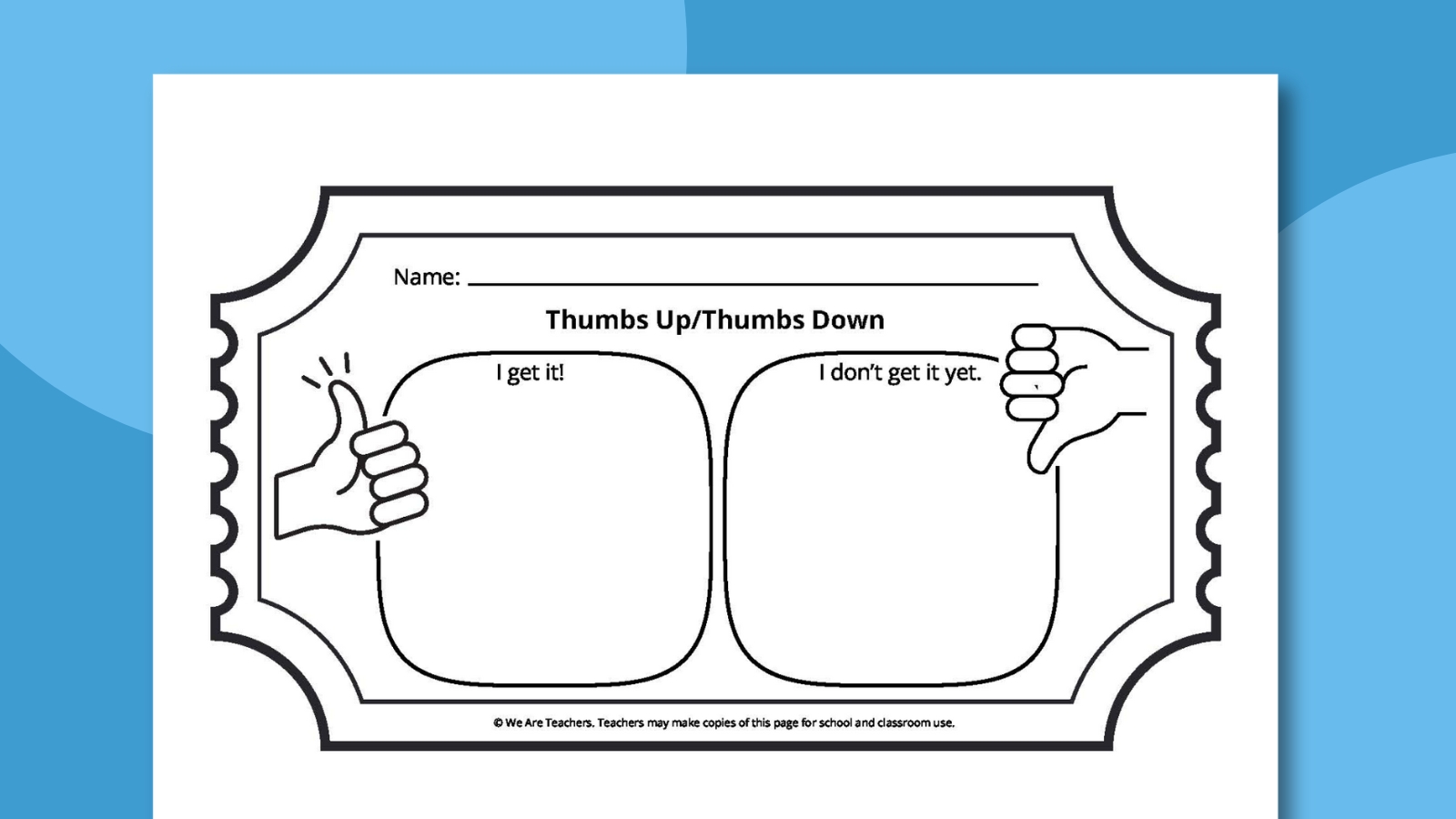
To prevent "assessment fatigue," successful teachers vary the format of their exit tickets. These can be broadly categorized into four types:
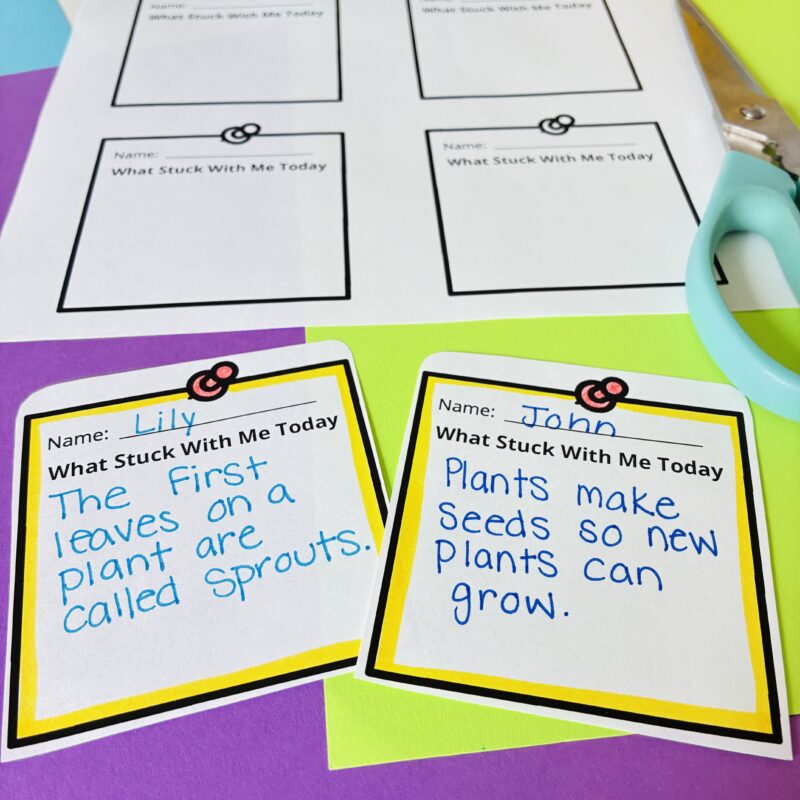
1. Quick and Easy Knowledge Checks
These are designed to see if the student can recall the day’s main facts.
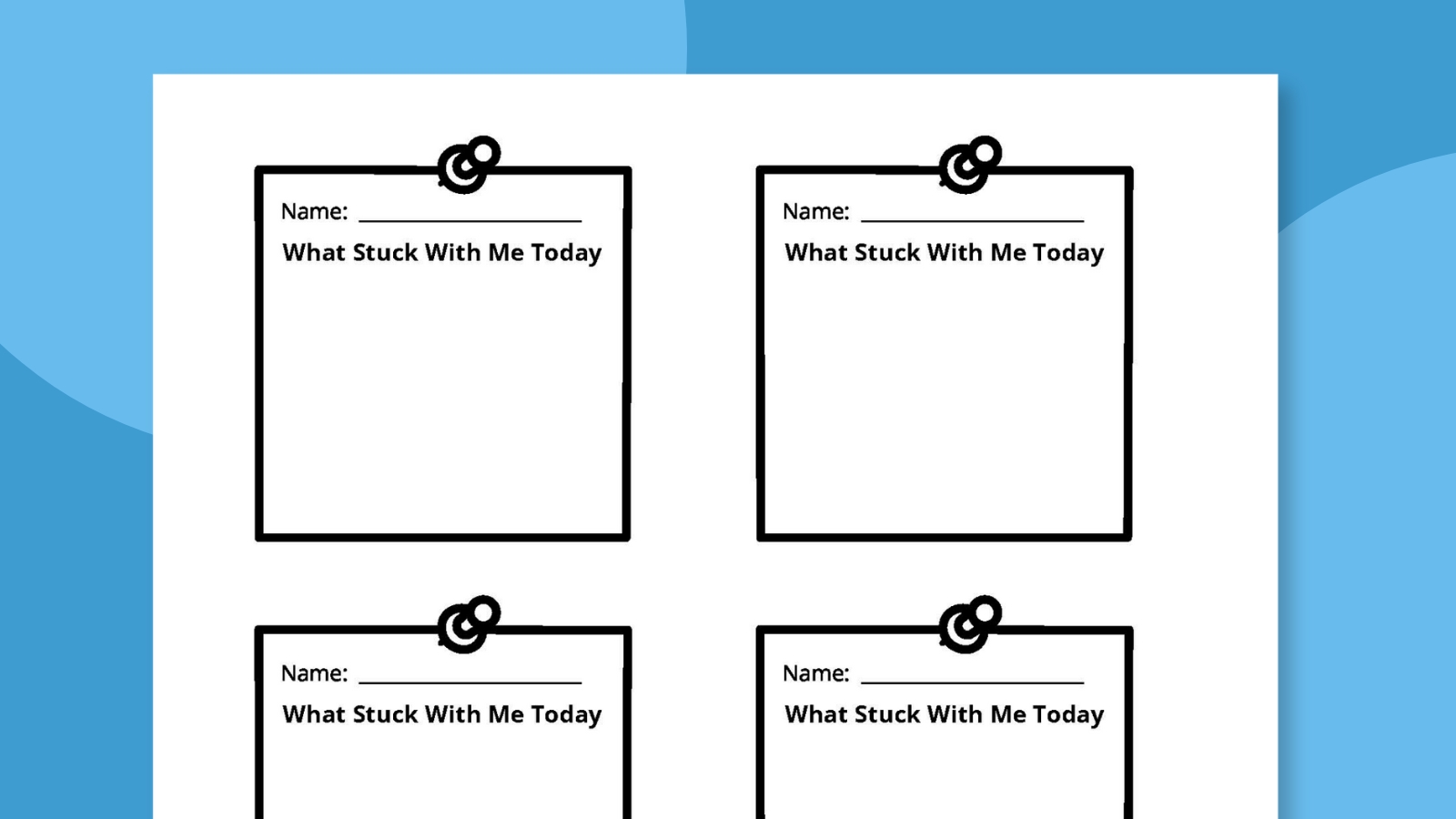
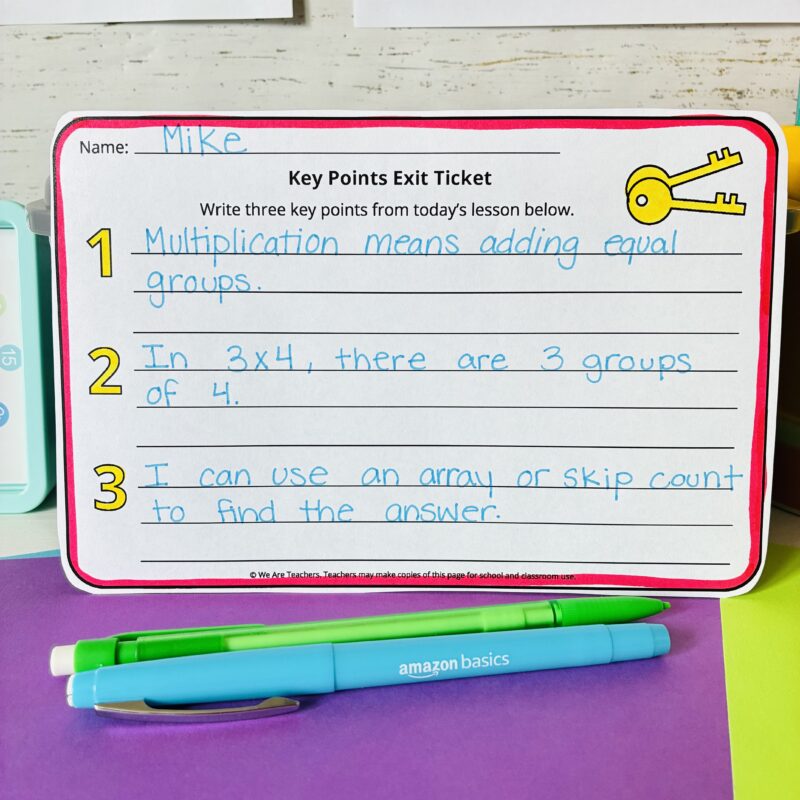
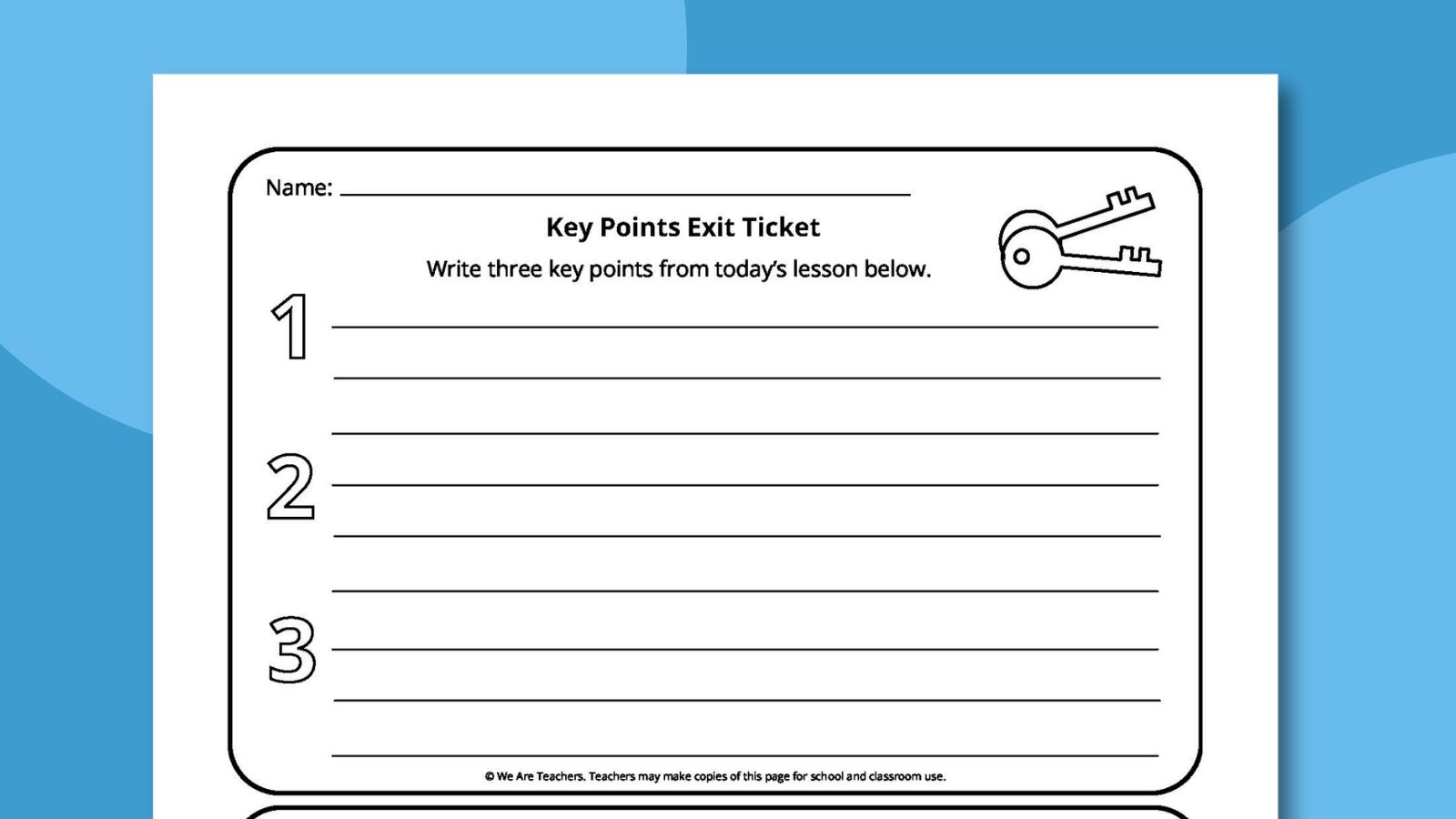
- The 3-2-1 List: Students write three things they learned, two things they found interesting, and one question they still have.
- Two Facts and a Fib: A creative exercise where students write two correct statements and one incorrect one, which can then be used as a peer-review tool.
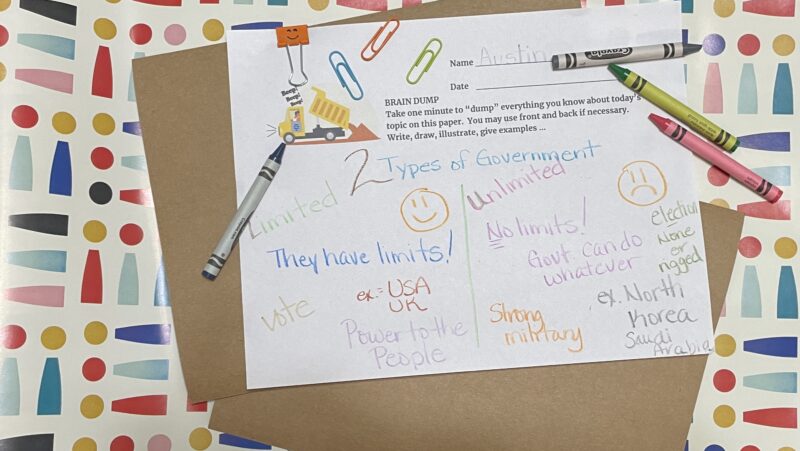
- The Brain Dump: Students write down everything they can remember from the lesson in 60 seconds.
2. Rating and Affective Scales
These measure student confidence and emotional response to the material.
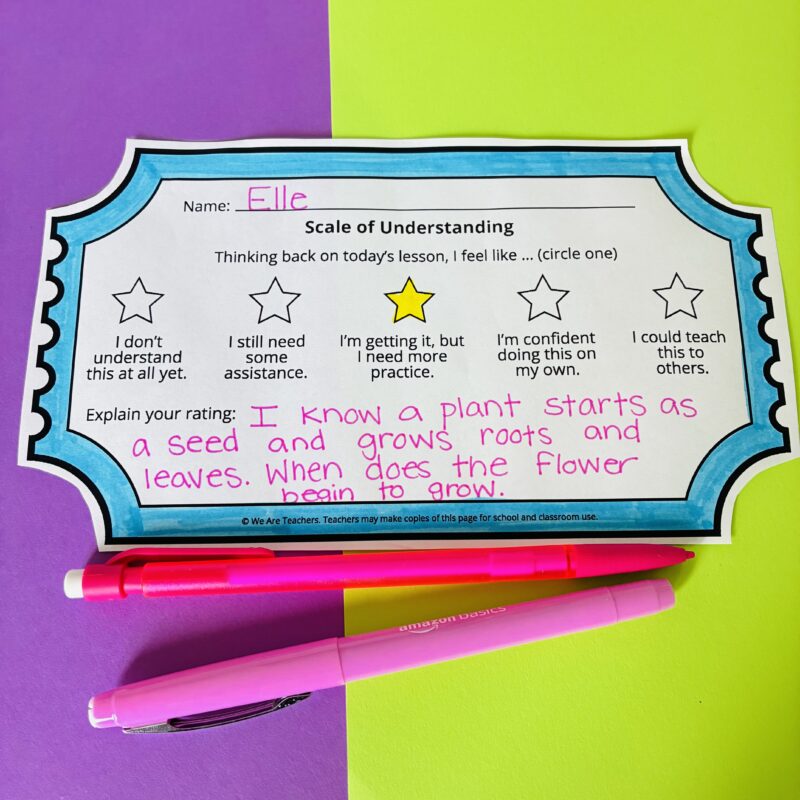
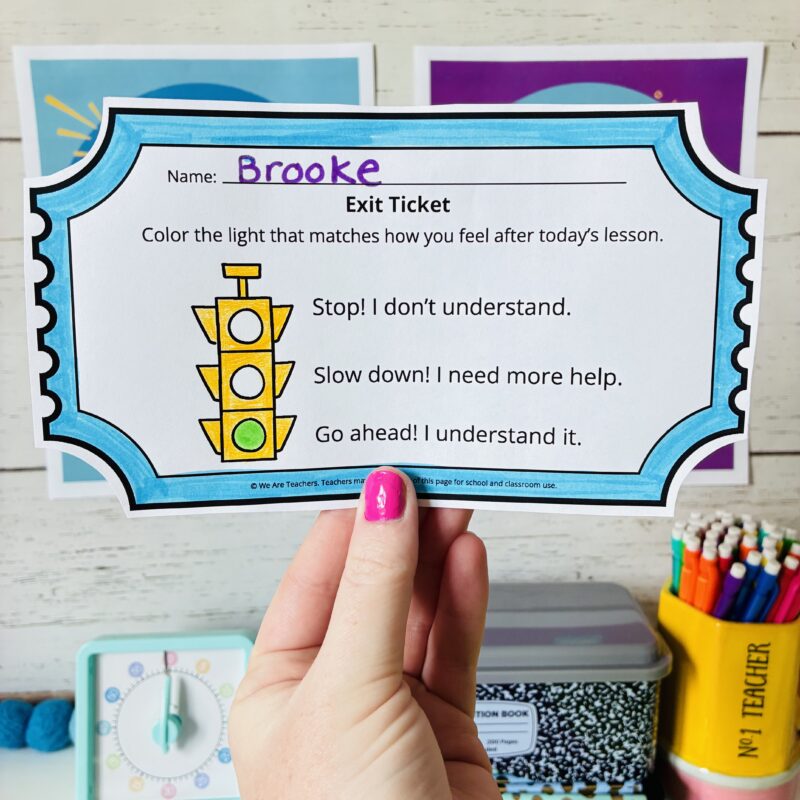
- Traffic Lights: Students color a circle red (lost), yellow (unsure), or green (mastered).
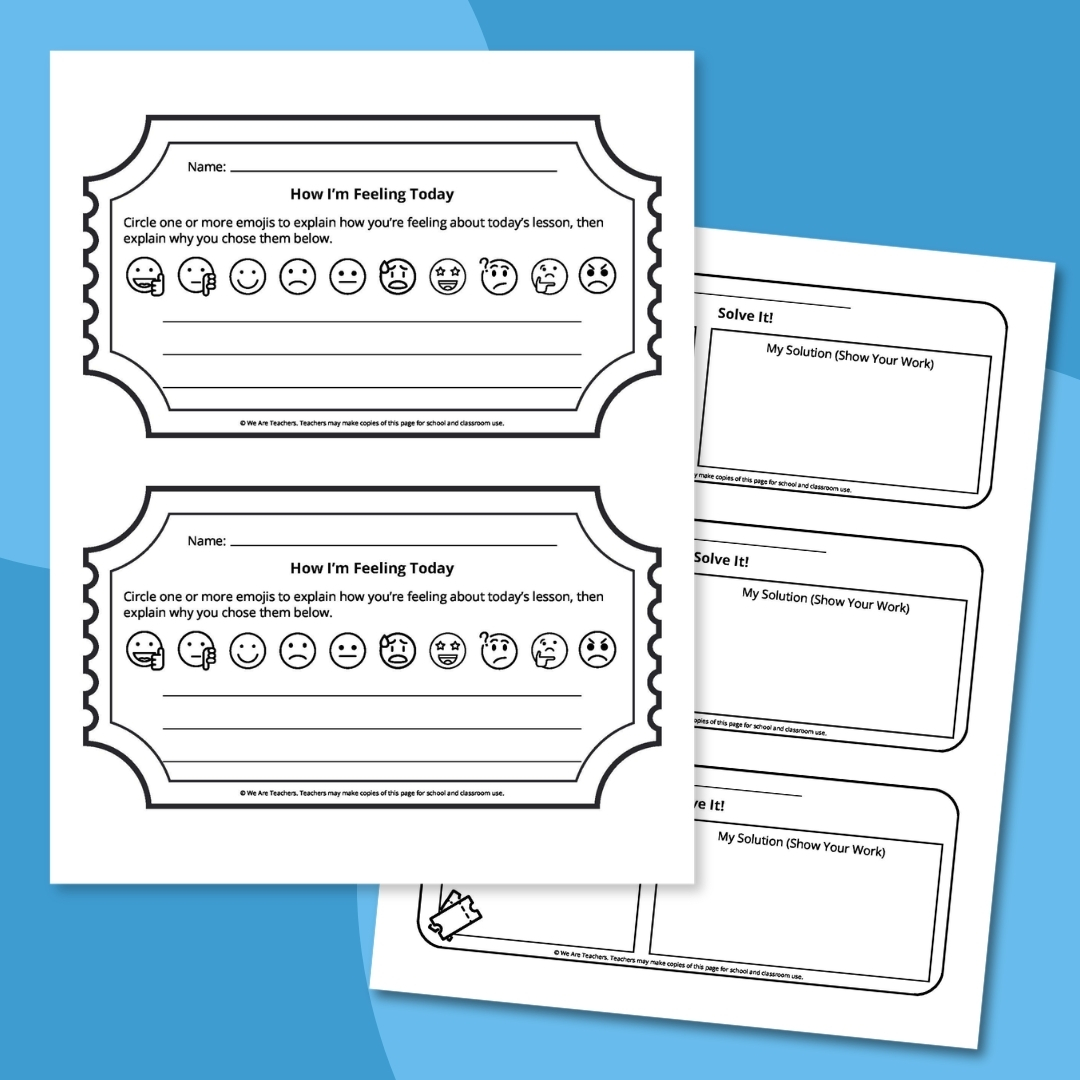
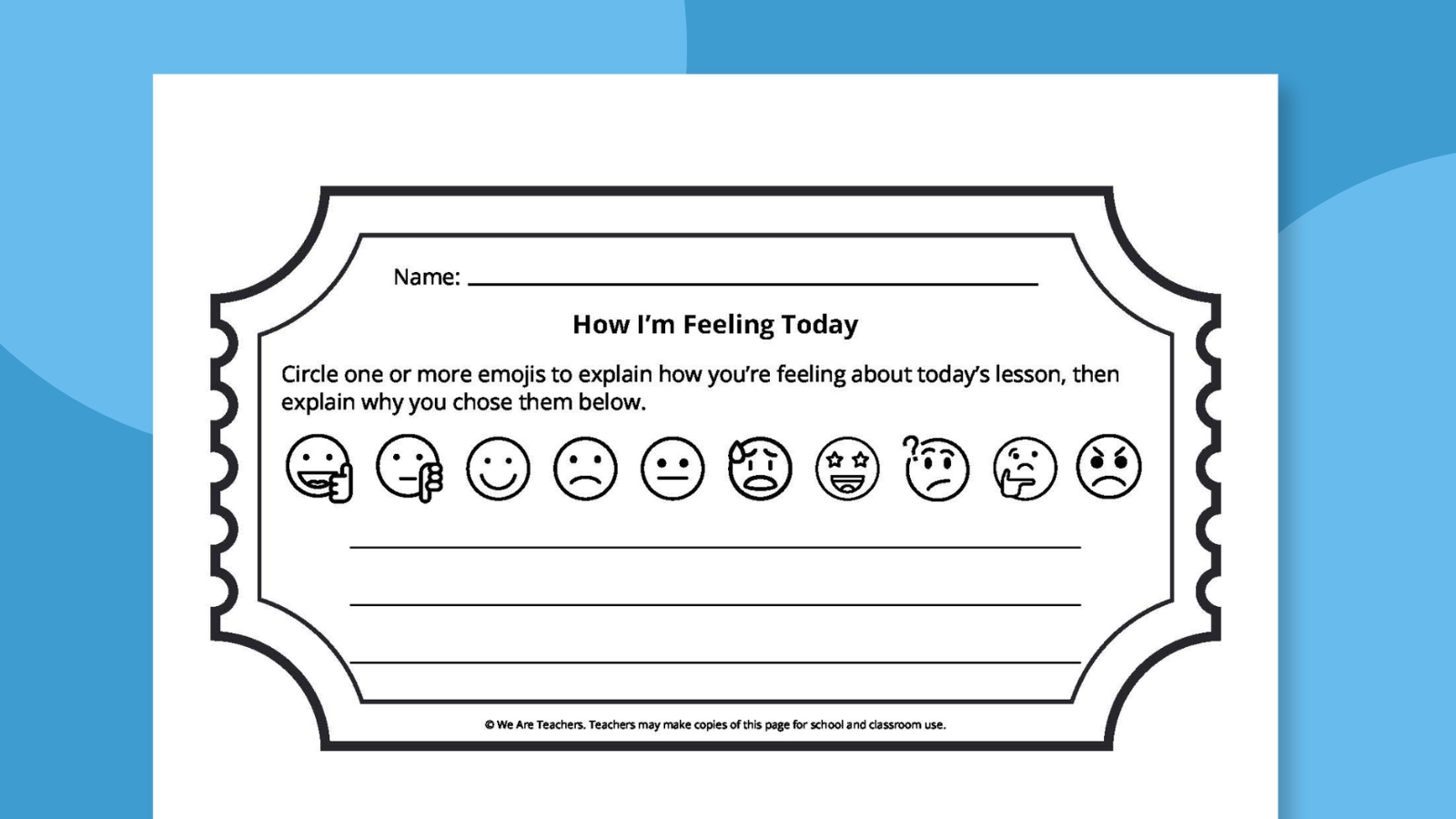
- Emoji Responses: Students select an emoji that represents their current feeling toward the subject matter, providing insight into the "affective filter" that can block learning.
3. Synthesis and Metacognition
These require higher-order thinking skills.
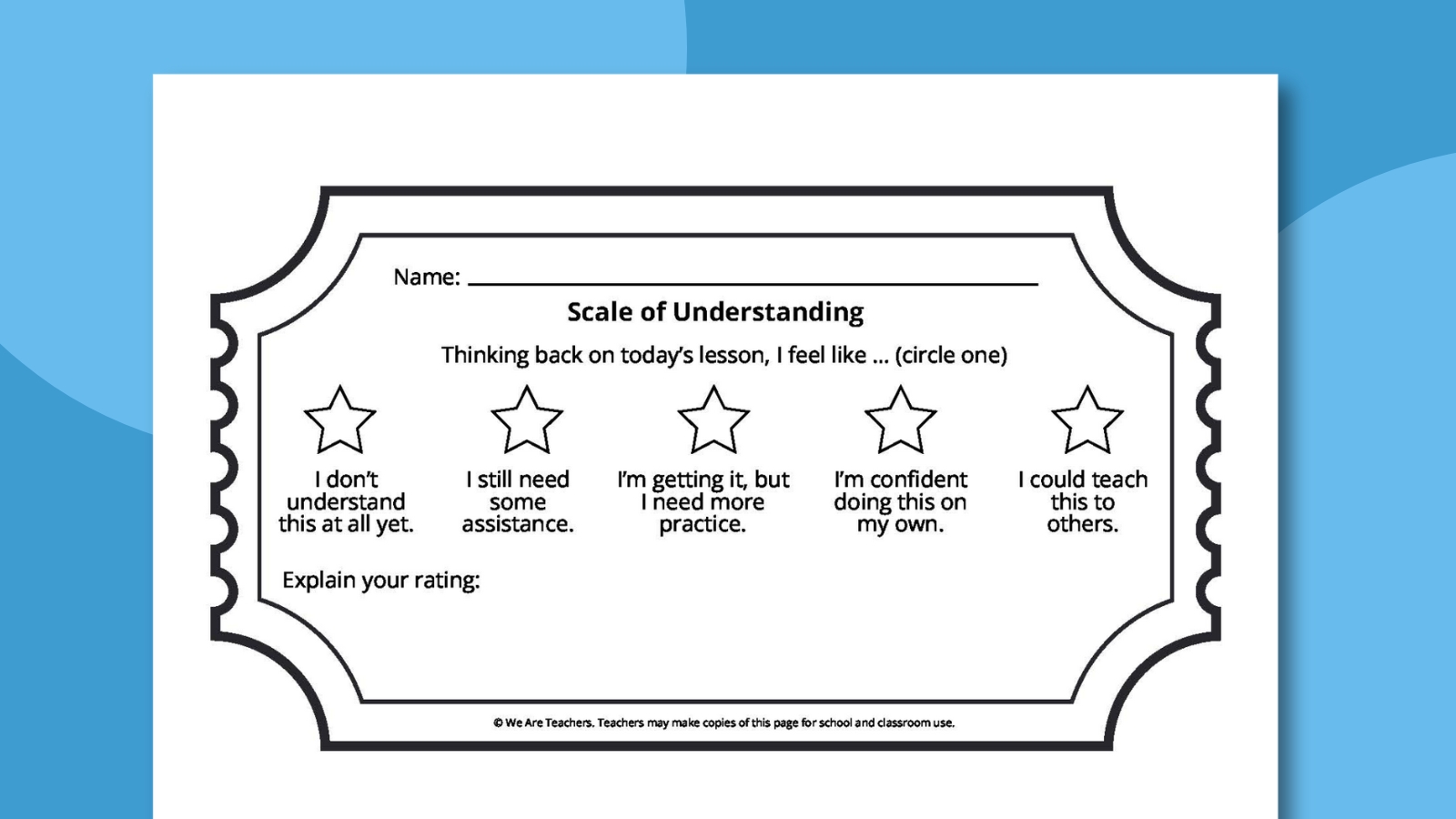
- The One-Sentence Summary: Students must distill a complex lesson into a single, coherent sentence, forcing them to prioritize information.
- Teaching a Peer: Students write one tip or explanation they would give to a friend who missed class that day.
4. Digital and Multimedia Tickets
In a technology-driven classroom, digital tools offer the advantage of instant data aggregation.

- Google Forms: Automatically creates charts and graphs of student responses.
- Padlet: Allows for a visual "wall" of responses where students can see (and sometimes interact with) each other’s thoughts.
- Flip (formerly Flipgrid): Enables students to record a 30-second video response, which is particularly effective for assessing verbal proficiency in world languages.
Best Practices for Instructional Success
For exit tickets to be effective, they must be treated as a legitimate part of the curriculum rather than "busywork." Experts suggest several key guidelines:
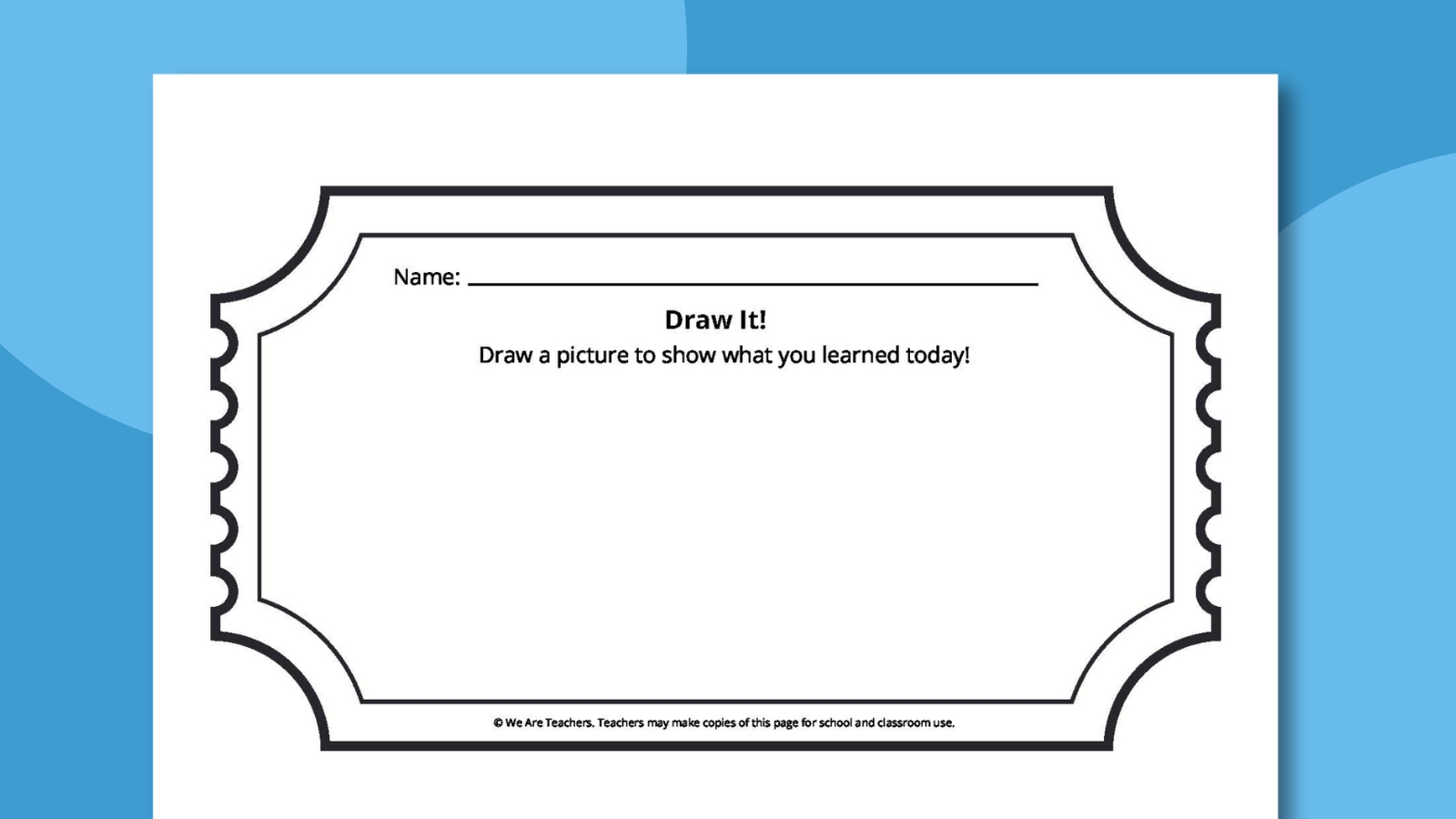
- Alignment: The ticket must align perfectly with the day’s learning objective. If the goal was to analyze a character’s motives, the ticket should not ask about the setting.
- Transparency: Students should know why they are doing the ticket. Explaining that the results will determine tomorrow’s lesson plan gives students a stake in the process.
- Consistency: Establishing a routine—such as "Self-Reflection Fridays"—helps students develop the habit of thinking about their own learning.
- Analysis: An exit ticket is only as good as the teacher’s willingness to look at it. Analyzing the results immediately after class ensures the feedback is fresh and actionable.
Broader Impact and Educational Implications
The widespread adoption of exit tickets has significant implications for educational equity. In a traditional classroom, teachers often rely on "hand-raising" to gauge understanding, which tends to favor high-achieving, confident students. Exit tickets democratize the classroom by requiring a response from every student, ensuring that those who are struggling do not fall through the cracks unnoticed.

Furthermore, these tools prepare students for a professional world that increasingly relies on "agile" workflows and constant feedback loops. By teaching students to reflect on their progress and articulate their needs daily, educators are building metacognitive skills that transcend the classroom.
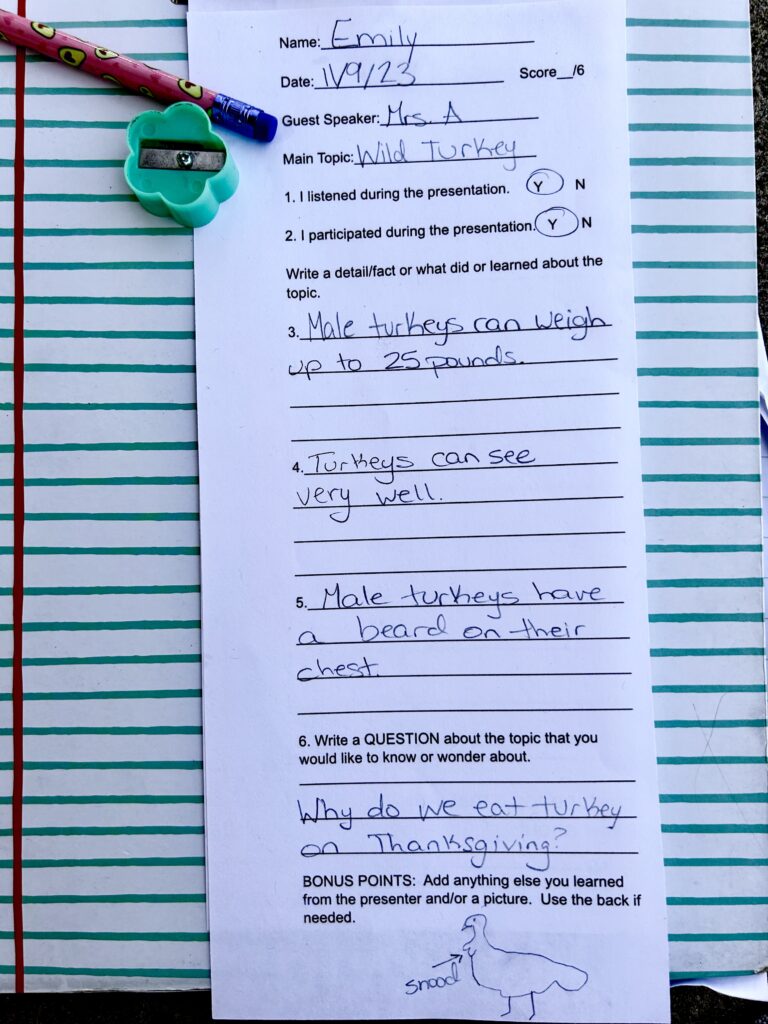
In conclusion, the exit ticket is a deceptively powerful instrument. It transforms the final minutes of a class from a chaotic "packing up" period into a focused moment of reflection. By providing teachers with a roadmap for future instruction and giving students a voice in their own educational journey, exit tickets serve as a cornerstone of the modern, responsive classroom. As education continues to evolve, the ability to quickly assess, analyze, and adjust will remain the hallmark of effective teaching.

