

The landscape of modern education has shifted significantly from a traditional model of passive lecture-based instruction toward a dynamic, interactive environment where real-time data informs pedagogical decisions. Central to this transformation is the "exit ticket," a formative assessment tool designed to bridge the gap between teaching and learning. Experienced educators recognize that the most effective classrooms operate on a principle of reciprocal exchange, rather than a one-way transmission of information. By utilizing exit tickets—brief, focused responses collected at the conclusion of a lesson—teachers can gain immediate insights into student comprehension, allowing for the rapid adjustment of instructional strategies. This methodology has proven effective across all grade levels and has successfully transitioned into the digital and virtual learning spaces that have become prevalent in recent years.

The Foundational Mechanics of Exit Tickets
At their core, exit tickets are informal assessments administered during the final minutes of a class period. Unlike summative assessments, such as midterms or final exams, exit tickets are not designed to assign a final grade but rather to provide a snapshot of the learning process as it occurs. These tools allow educators to gauge the efficacy of a specific lesson, identify widespread misconceptions, and determine which students require additional intervention.
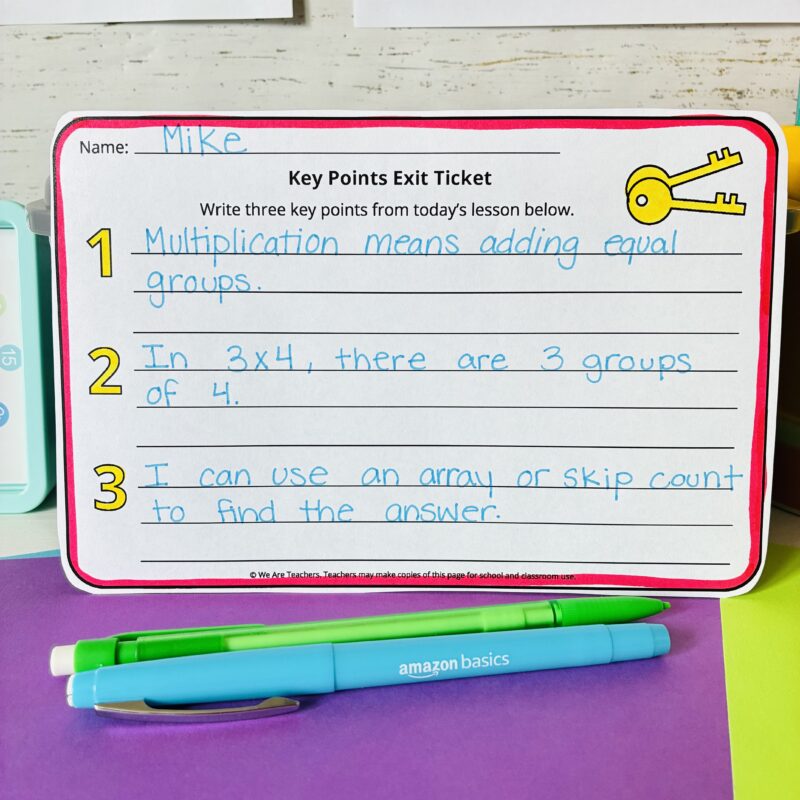
The importance of this practice lies in its ability to inform instruction in real-time. By analyzing responses immediately after a class, a teacher can decide whether to move forward with new material the following day or to revisit the current topic. As noted by Sheena LeMay-Nelssen, an experienced art educator, exit tickets often yield higher participation rates than traditional assignments, particularly among students who may feel overwhelmed by larger tasks. This data allows for differentiated instruction, where the teacher can group students based on their specific needs—whether they have mastered the concept, are nearing proficiency, or are fundamentally confused.
A Chronological Evolution of Classroom Feedback Systems
The use of exit tickets is part of a broader historical movement toward formative assessment that gained significant momentum in the late 20th century. Understanding the timeline of this evolution provides context for why these tools are now considered essential in the 21st-century classroom.

- Pre-1990s: The Summative Era. For much of the 20th century, classroom assessment was largely summative. Students were taught a unit of study and then tested. Feedback was delayed, often arriving after the class had already moved on to a new topic, leaving little room for remedial instruction.
- 1998: The Formative Turning Point. The publication of "Inside the Black Box" by Paul Black and Dylan Wiliam revolutionized educational theory. Their research demonstrated that formative assessment—low-stakes checking for understanding during the learning process—could significantly raise standards of student achievement.
- Early 2000s: The Rise of "Check for Understanding." Educational frameworks like "Teach Like a Champion" popularized specific techniques for gathering data during lessons. The exit ticket emerged as a standardized way to end a lesson with a measurable data point.
- 2010s: Digital Integration. The introduction of 1:1 device initiatives in schools allowed exit tickets to move from paper slips to digital platforms. Tools like Google Forms and Socrative enabled teachers to see aggregated data instantly.
- 2020-Present: The Virtual Shift. During the COVID-19 pandemic, exit tickets became a lifeline for teachers in remote environments. They served as a primary method for ensuring students remained engaged behind their screens and provided a way to maintain personal connections in a digital space.
Supporting Data on Formative Assessment Efficacy
The push for exit tickets is supported by extensive educational research. According to meta-analyses conducted by educational researcher John Hattie, "feedback" has an effect size of 0.70, which is significantly higher than the average growth of 0.40 that represents one year of learning. Exit tickets are a primary vehicle for this feedback loop.
Furthermore, data suggests that exit tickets contribute to a more equitable learning environment. Research into the "participation gap" shows that in traditional classroom discussions, a small percentage of students—often those with high confidence—dominate the conversation. Exit tickets provide a platform for 100% participation, ensuring that the voices of quiet or marginalized students are heard and their learning needs are addressed. In a study of middle school math classrooms, the consistent use of daily formative assessments like exit tickets was linked to a 15% to 20% increase in end-of-unit test scores compared to classrooms using only summative measures.
Facilitating Communication and Metacognition
Beyond purely academic data, exit tickets serve as a vital communication channel between the teacher and the student. For students who are introverted or reluctant to speak in front of their peers, the exit ticket offers a discreet way to ask for help or express frustration. LeMay-Nelssen emphasizes that these slips of paper—or digital entries—can help bridge the gap with students who might otherwise disengage. By providing a low-pressure way to participate, teachers can award points for effort and engagement, fostering a more positive relationship with struggling learners.

Additionally, exit tickets are a powerful tool for developing metacognition—the ability of students to think about their own thinking. When a teacher asks a student to reflect on what was difficult about a lesson or what "stuck" with them, it forces the student to evaluate their own mastery. This self-assessment is a critical life skill that extends far beyond the classroom, preparing students for higher education and professional environments where self-directed learning is required.
Strategic Implementation: Best Practices for Educators
While the concept of an exit ticket is simple, its effectiveness depends on strategic implementation. Journalistic analysis of successful school districts reveals several key "pillars" of exit ticket success:

Alignment with Objectives
An effective exit ticket must be directly tied to the lesson’s learning target. If the goal of a history lesson was to understand the causes of the Great Depression, the exit ticket should ask students to identify one specific economic factor, rather than asking a general question about how they felt about the lesson.
Transparency and Purpose
Students are more likely to provide meaningful data if they understand the "why" behind the task. Educators are encouraged to be transparent about how the data will be used—whether it is for a small participation grade or simply to help the teacher plan the next day’s small groups. Misusing exit tickets as a form of punishment or "busywork" quickly leads to student burnout and inaccurate data.

Efficiency and Consistency
To maintain the flow of the school day, exit tickets should ideally take no more than five minutes to complete. Consistency is also vital. In LeMay-Nelssen’s classroom, for instance, a weekly routine is established: "Observation Mondays" focus on changes in the environment, while "Friday Self-Reflections" focus on personal likes and dislikes regarding the week’s curriculum. This predictability helps students internalize the process of reflection.
Diversifying Formats for Comprehensive Insight
Modern pedagogy suggests that varying the format of exit tickets prevents "autopilot" responses and allows students with different learning styles to shine. These formats generally fall into four categories:
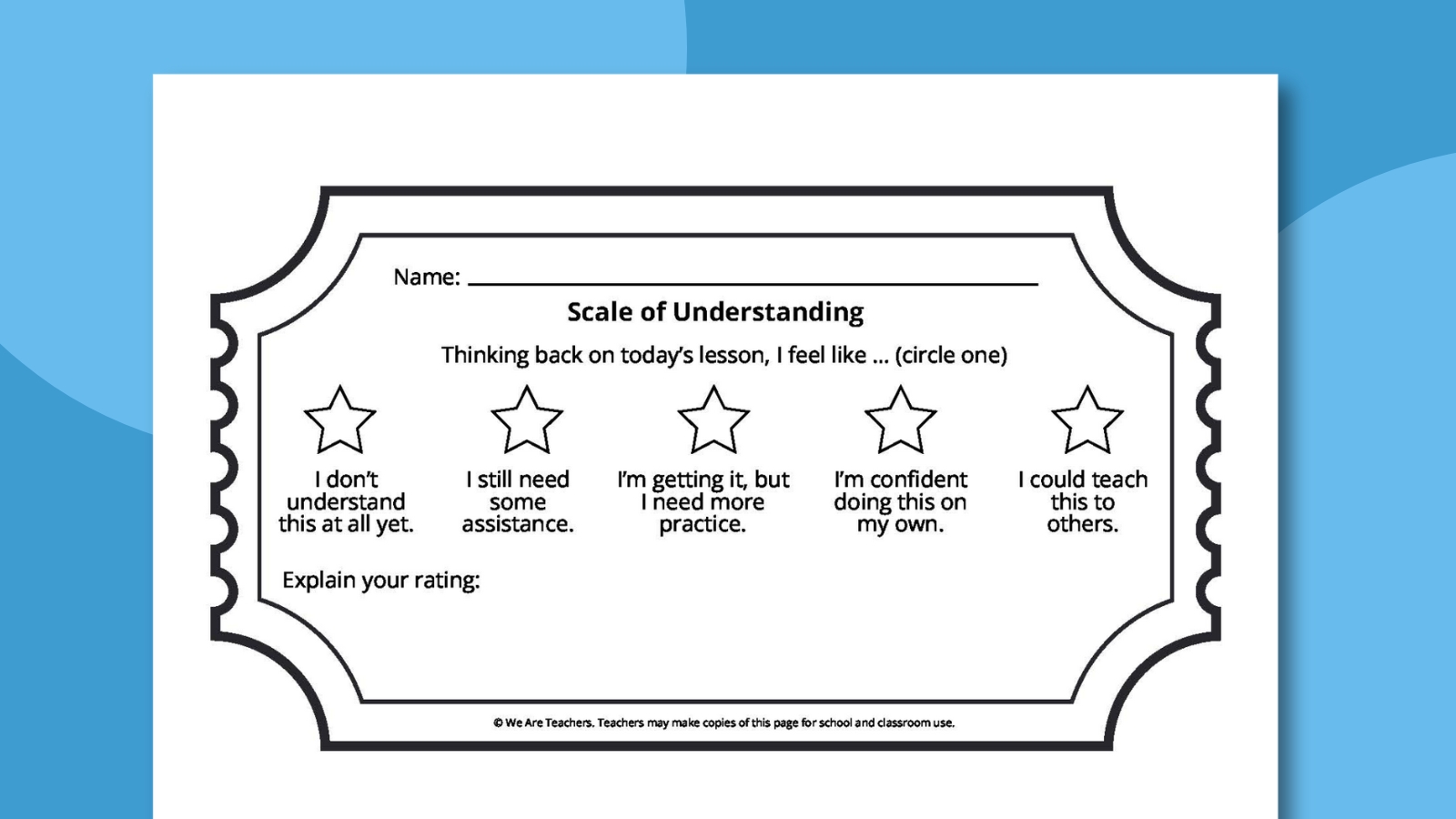
1. Rating-Based Tickets
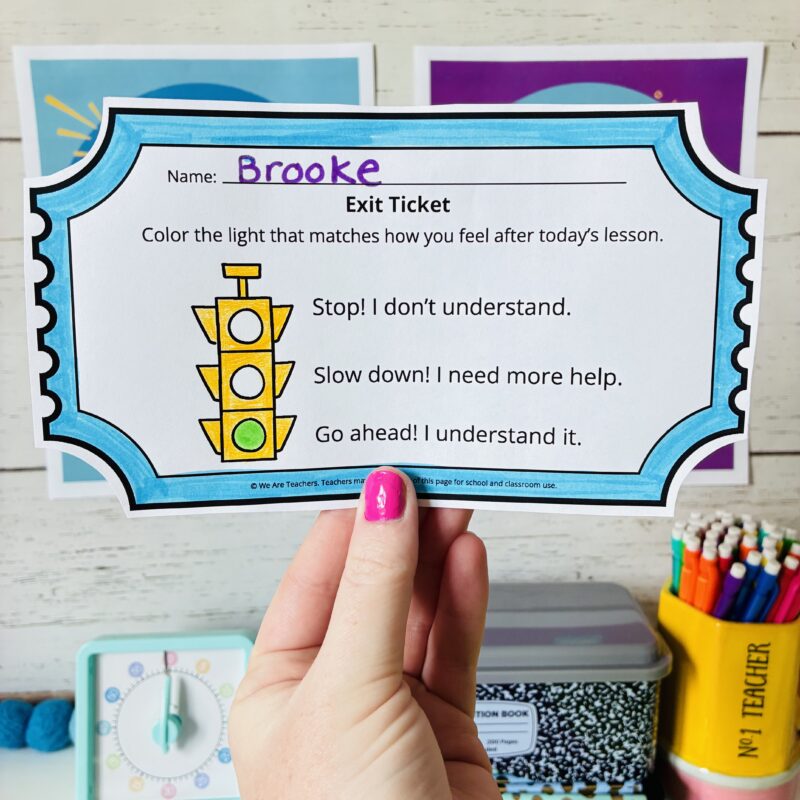
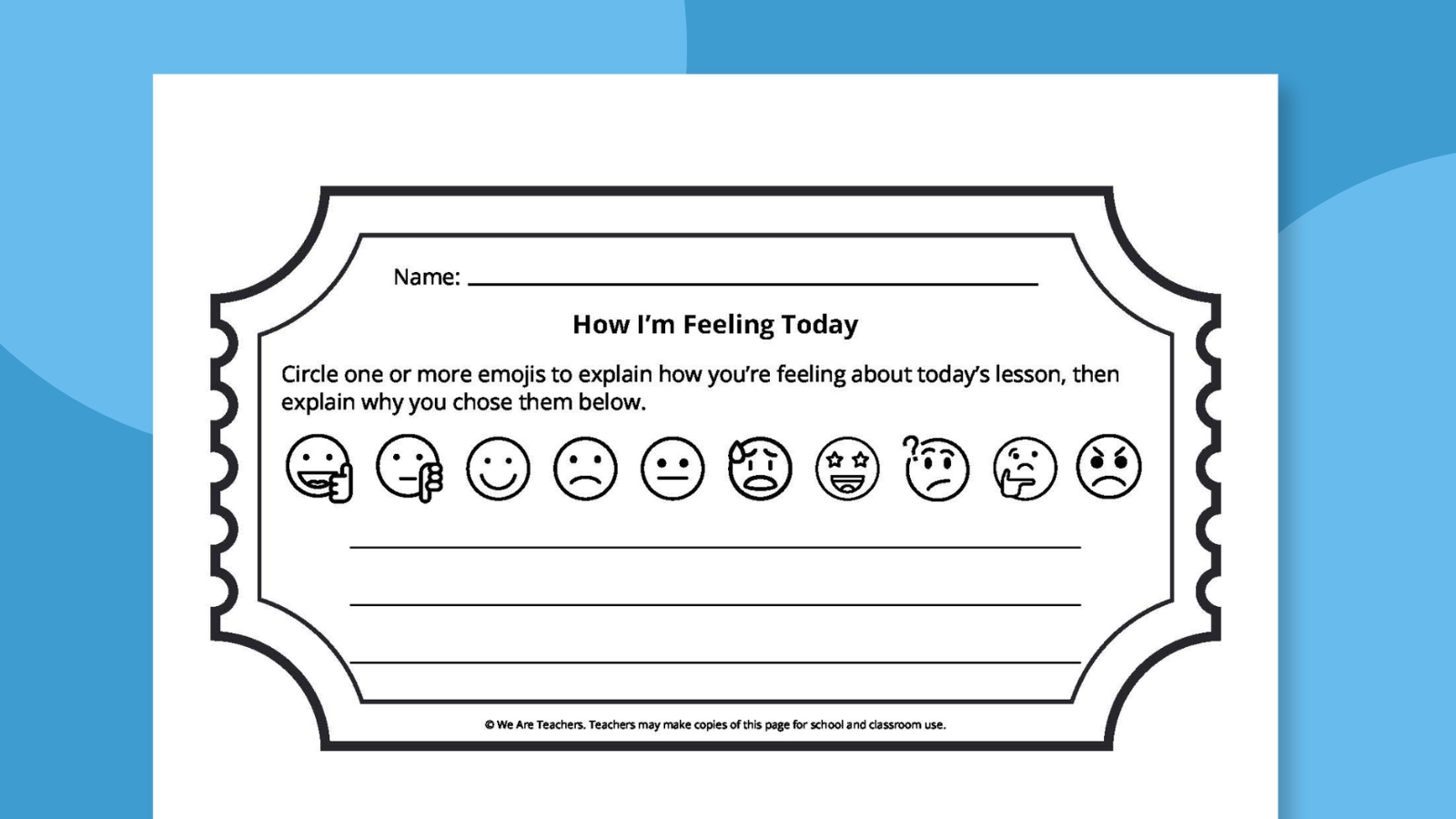
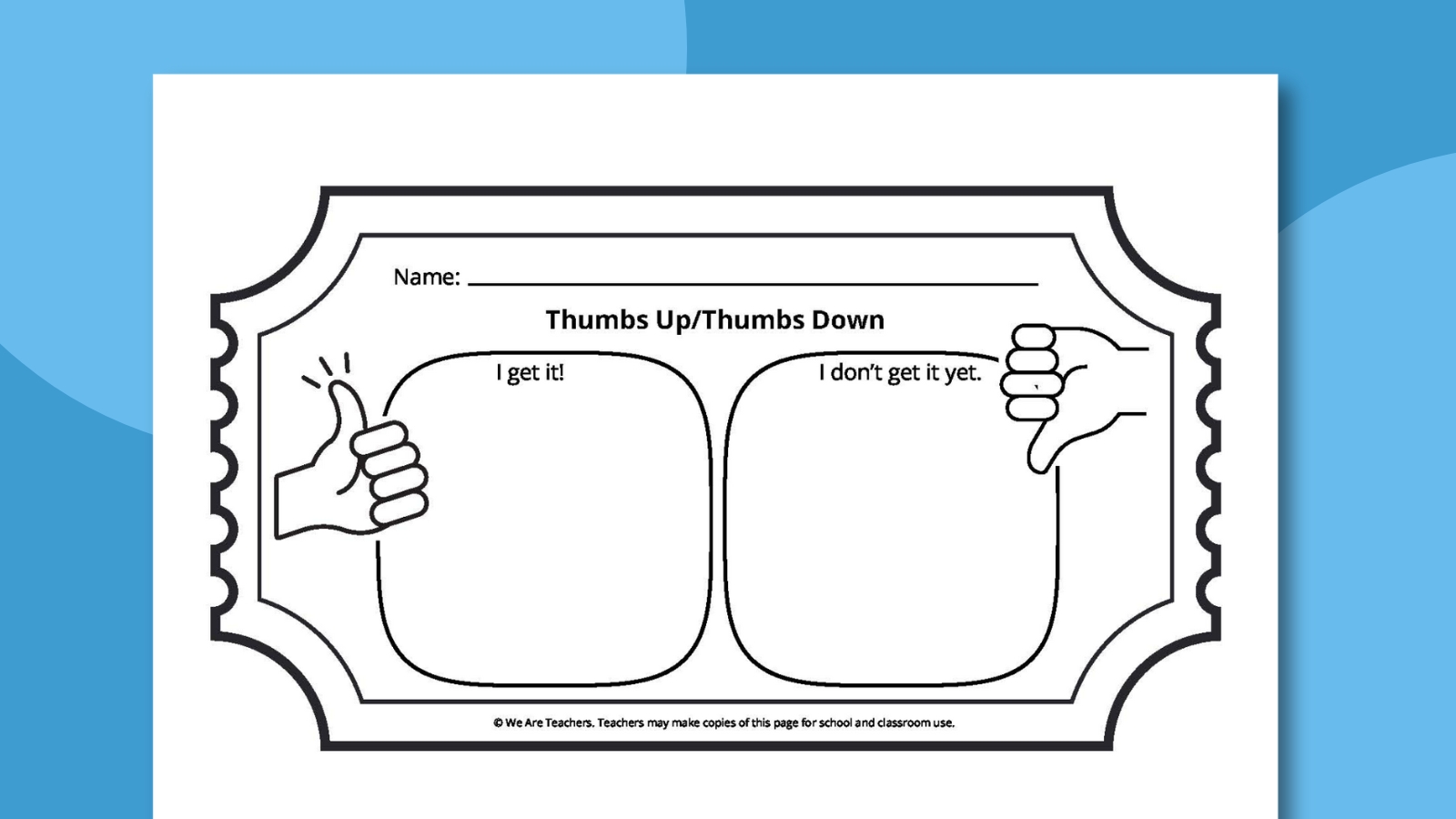
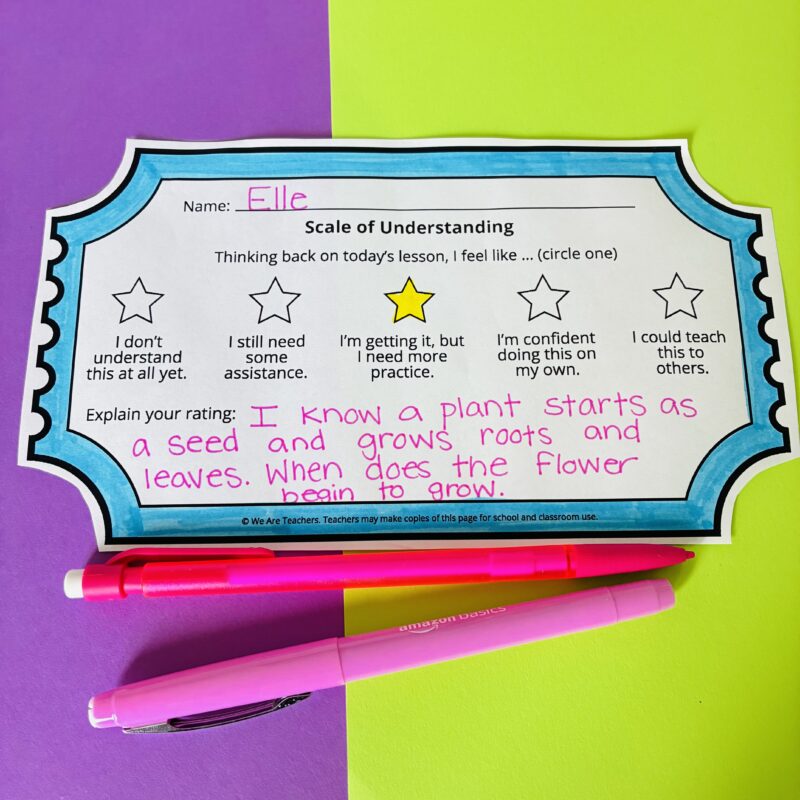
These use visual cues like traffic lights (Red for "lost," Yellow for "partial understanding," Green for "got it") or emojis. These are particularly effective for younger students or English Language Learners who may struggle with written expression but can accurately self-identify their level of comfort with a topic.
2. Reflection and Synthesis
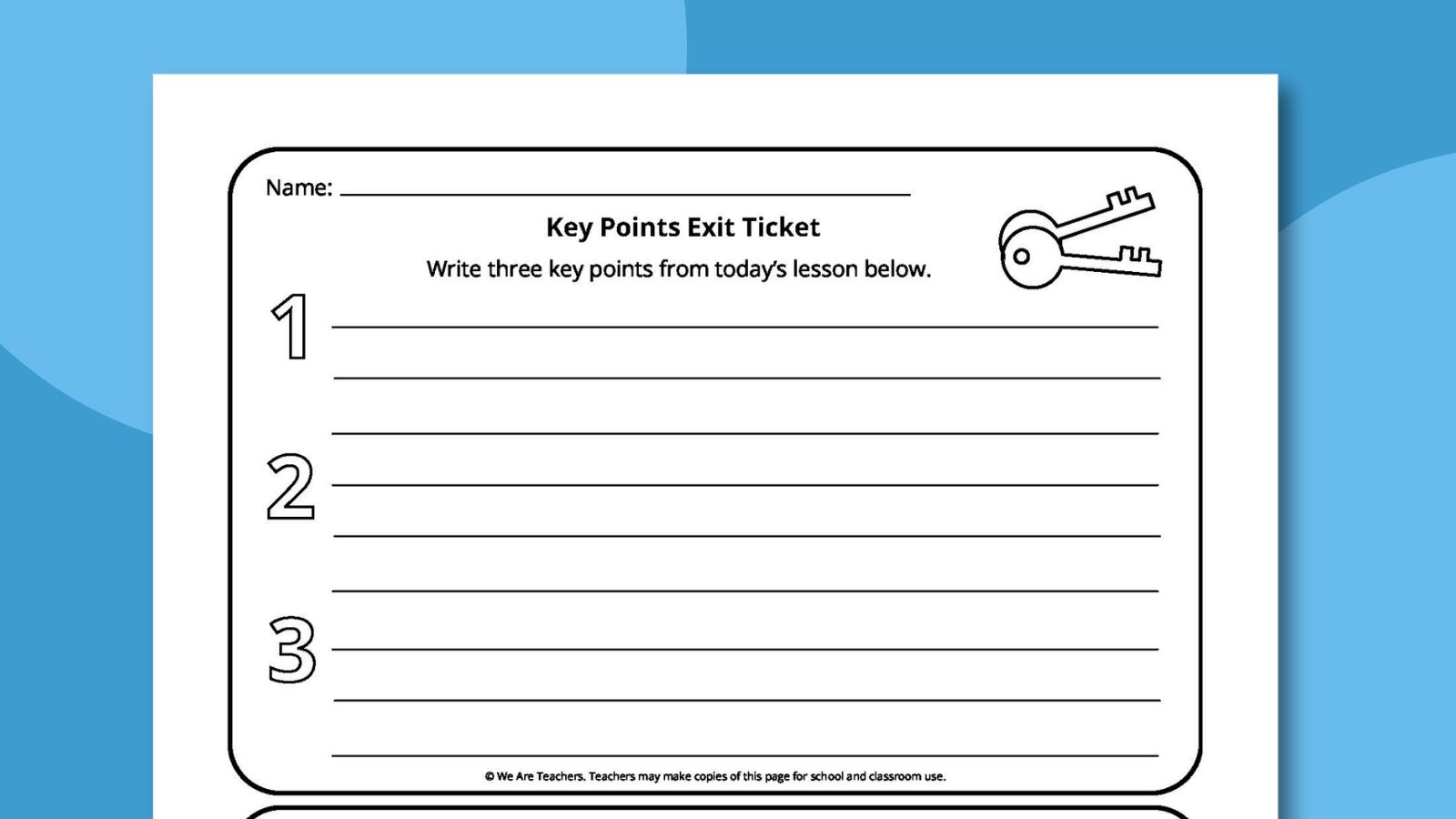
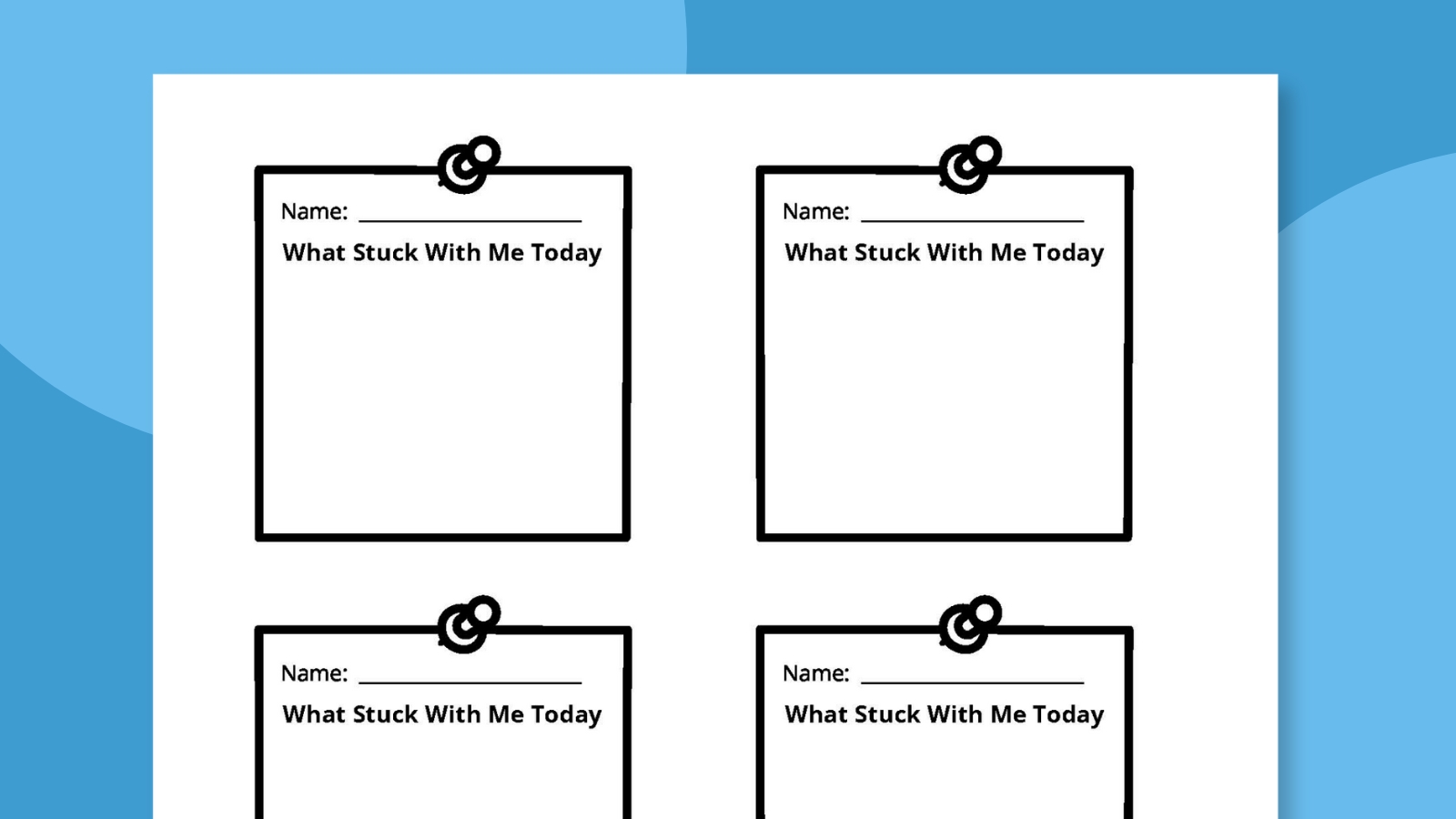
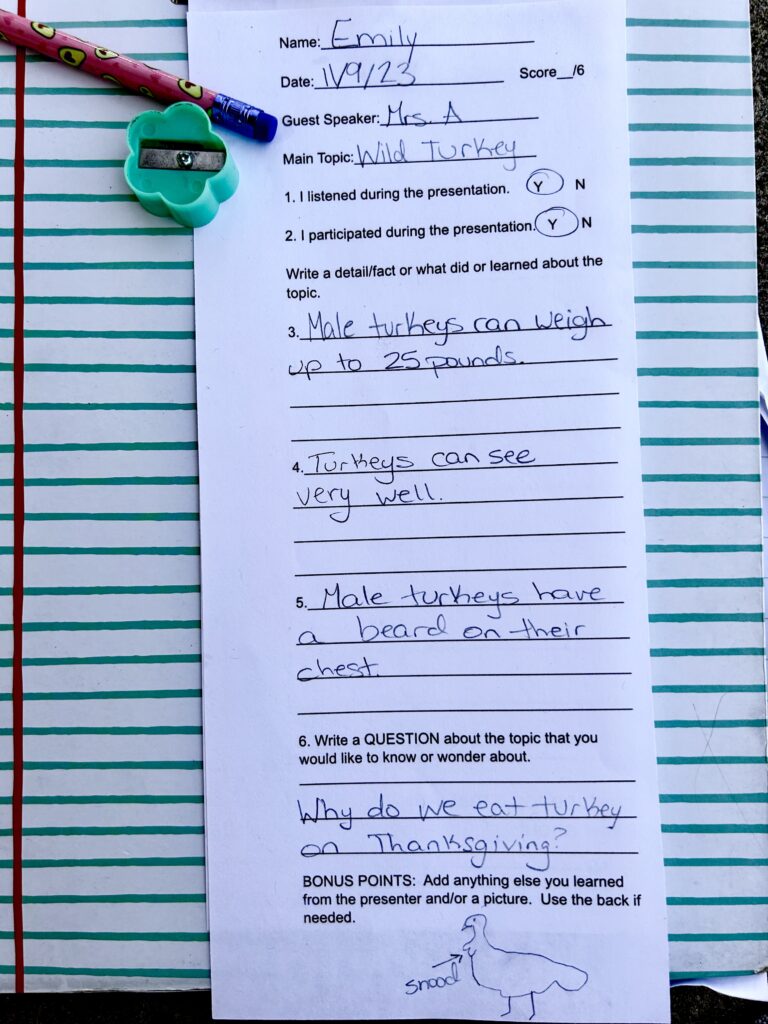
Techniques such as the "3-2-1 list" (three things learned, two things they are still working on, and one question) or the "one-sentence summary" force students to synthesize complex information. This helps the teacher see if students are grasping the "big picture" or getting bogged down in minor details.

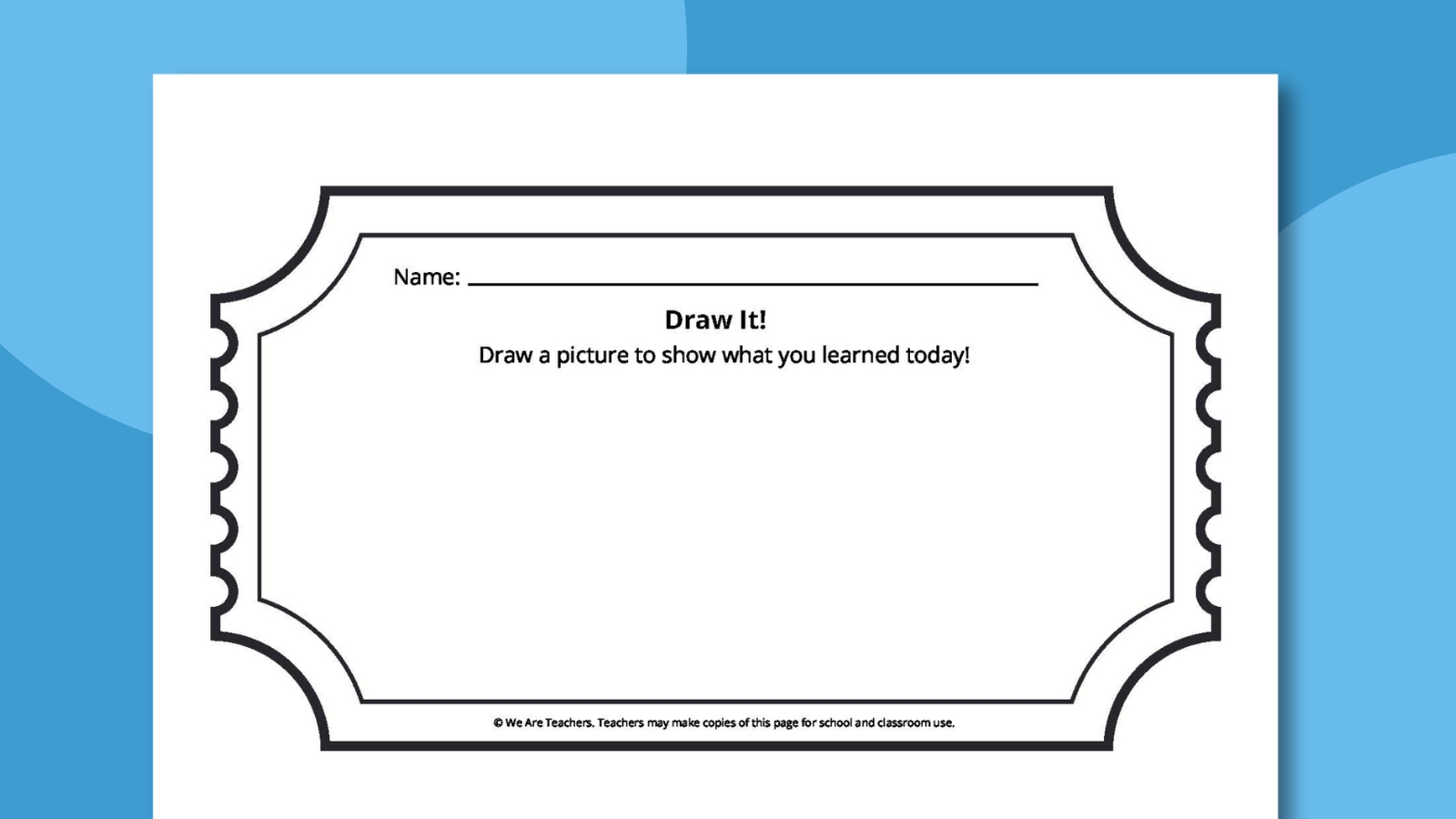
3. Drawing and Visual Expression
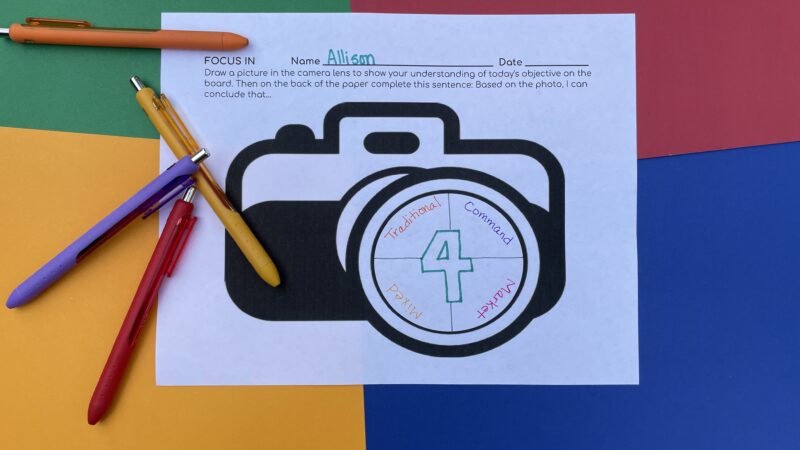
For subjects like art or science, drawing a response can be more enlightening than writing one. Concepts like the water cycle or a specific artistic technique can be demonstrated through a quick five-minute sketch, which can sometimes reveal misconceptions that text might hide.
4. Mini-Assessments
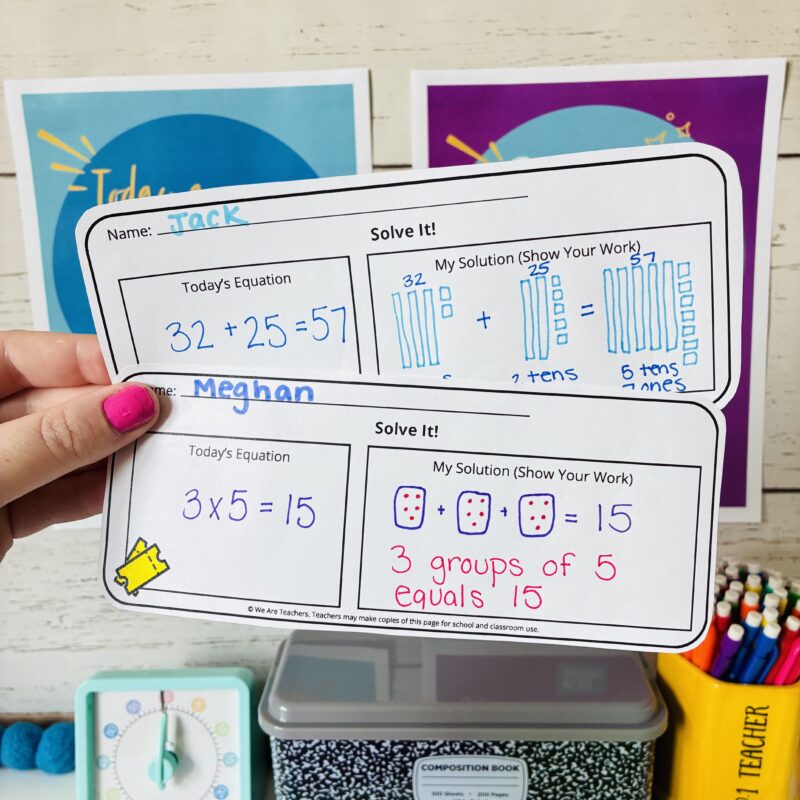
These are "no-stress" quizzes that might include a single math problem or a request to "prove it" by showing the steps of a solution. This provides concrete evidence of skill mastery without the anxiety associated with formal testing.

The Digital Frontier and Broader Implications
The transition to digital education has expanded the possibilities for exit tickets. Platforms such as Padlet allow for a collaborative "bulletin board" style of feedback, while Google Forms can automatically aggregate data into spreadsheets, providing teachers with instant color-coded charts of student progress. Video platforms like Flip (formerly Flipgrid) allow students to record short verbal responses, which can be invaluable for assessing language fluency or emotional well-being.
The broader implications of widespread exit ticket use are significant for the future of education. As school districts move toward "competency-based" learning—where students progress only after mastering a skill—the real-time data provided by exit tickets becomes the engine of the entire system. This approach reduces "instructional waste," where teachers spend time covering material that students have already mastered or, conversely, moving on when the majority of the class is still confused.
Ultimately, the exit ticket is more than just a classroom management trick; it is a fundamental shift in the power dynamic of education. It signals to students that their voice matters, that their understanding is the primary goal of the lesson, and that the teacher is a partner in their success. By providing a structured, consistent, and low-stakes way to communicate, exit tickets foster a culture of continuous improvement and intellectual honesty that benefits both the educator and the learner.

