
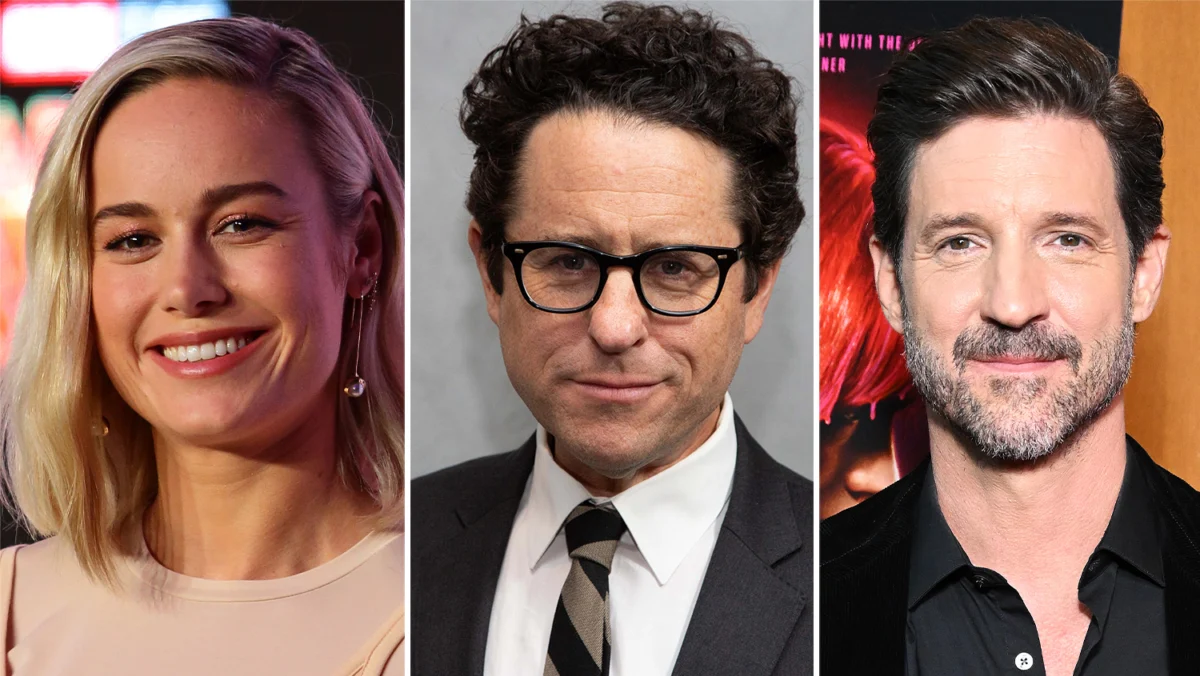
Sony Pictures has officially slated the highly anticipated creature feature, Skeletons, for a prime theatrical release on June 4, 2027. This ambitious project, helmed by director JT Mollner and brought to life by the renowned Bad Robot Productions, co-founded by J.J. Abrams, promises a fresh and deeply unsettling perspective on the sub-genre of creature horror. The film is set to explore a narrative told entirely through the eyes of a young boy, who gradually uncovers a chilling truth about his seemingly loving parents: his mother harbors a disturbing and fundamental secret regarding her true nature.
The ensemble cast boasts an impressive array of talent, featuring Oscar winner Brie Larson in a pivotal role, alongside Kyle Gallner, Daithí Ó hArgáin, the venerable John Goodman, Willa Fitzgerald, Ione Skye, and Keith Carradine. This formidable lineup suggests a commitment to delivering nuanced performances that will anchor the film’s psychological and terrifying elements. Skeletons is also a collaborative effort, with FilmNation Entertainment and Assemble Media contributing to its production, signaling a robust backing for this creative endeavor.
The screenplay’s genesis traces back to a compelling first draft penned by Brian Duffield, which was inspired by an original short story from Philip Fracassi. Mollner himself has since contributed revisions, ensuring a cohesive and directorially aligned vision for the final script. This layered approach to script development, involving both an original author and the director’s input, often leads to richer and more complex storytelling.
The production team is equally stellar. Producers include Drew Simon, J.J. Abrams, Jon Cohen, and Jack Heller. Executive producers are a formidable group comprising Caitlin de Lisser-Ellen and Brian Duffield from Assemble Media, along with the prolific horror producers Roy Lee and Steven Schneider. Notably, both Brie Larson and Philip Fracassi are also credited as executive producers, indicating their deep investment in the project beyond their on-screen or source material contributions. This level of involvement from key creatives often translates into a more unified and passionate final product.
Context of the Release Date and Competitive Landscape
The June 4, 2027 release date places Skeletons in a strategically significant slot within the summer blockbuster season. This period typically sees a high volume of moviegoers, and studios often reserve their most anticipated releases for these months. However, it’s also a highly competitive window. Lionsgate is set to unveil its John Rambo prequel on the same day, a franchise with a dedicated and long-standing fanbase. Furthermore, Paramount Pictures has an untitled event title scheduled for this date, the nature of which remains undisclosed but is likely to be a major draw. The presence of these other high-profile releases suggests that Skeletons will need to carve out its own distinct audience and generate significant buzz to stand out. The success of a horror film in such a crowded marketplace will depend heavily on its marketing campaign, critical reception, and its ability to generate strong word-of-mouth.
Bad Robot’s Continued Dominance in Genre Storytelling
The involvement of J.J. Abrams’ Bad Robot Productions is a significant indicator of Skeletons’ potential. Bad Robot has a proven track record of producing critically acclaimed and commercially successful projects across various genres, with a particular knack for sci-fi and suspense. Their recent slate includes projects like The End of Oak Street, starring Anne Hathaway and Ewan McGregor, which is slated for release via Warner Bros. on August 14, 2027. This further underscores Bad Robot’s prolific output and their commitment to pushing creative boundaries. Their established reputation for delivering high-quality, engaging content, often with a unique twist, positions Skeletons as a film with considerable promise. The studio’s ability to blend intricate narratives with compelling visuals and emotional depth has become a hallmark of their productions, and audiences will undoubtedly be looking for these qualities in Skeletons.
Thematic Depth and Narrative Approach
The core premise of Skeletons—a young boy discovering a terrifying secret about his mother’s identity—taps into primal fears and universal themes of family, identity, and the unknown lurking beneath the surface of normalcy. The decision to tell the story from a child’s point of view offers a unique lens through which to explore these themes. This perspective can amplify the sense of vulnerability, confusion, and dawning horror as the protagonist grapples with the unraveling of his reality. The "creature horror" element suggests that the secret his parents are hiding involves a non-human entity or a monstrous transformation, which can be a potent metaphor for parental anxieties, hidden desires, or the darker aspects of human nature that can be passed down through generations.
The sub-genre of creature horror, which Skeletons aims to modernize, has a rich history in cinema, from classic monster movies to more contemporary explorations of biological terrors and supernatural beings. By framing it through a child’s perspective, Mollner and Bad Robot are likely aiming for a more intimate and psychologically resonant experience, rather than relying solely on jump scares or overt gore. This approach can lead to a more enduring and thought-provoking horror film, one that lingers with the audience long after the credits roll. The "modern take" aspect suggests an intention to subvert traditional tropes and offer a fresh narrative and stylistic approach to this well-trodden territory.
Key Personnel and Their Contributions
The collaborative nature of Skeletons’ production highlights the confluence of talent and experience. Brian Duffield, known for his work on films like Spontaneous and Underwater, brings a distinct voice to the screenplay, having already established a reputation for crafting genre films with strong character development and unexpected turns. Philip Fracassi, the author of the source short story, is a respected figure in the horror community, with a portfolio of unsettling and imaginative tales. His original vision provides a fertile ground for the film’s narrative.
The producers involved have a collective expertise that bodes well for the film’s execution. Roy Lee and Steven Schneider are titans of the modern horror industry, having been instrumental in the success of franchises like The Ring, The Grudge, Insidious, and Paranormal Activity. Their involvement suggests a keen understanding of what makes a horror film resonate with audiences and a commitment to delivering a high-quality product. Drew Simon and Jack Heller, as well as Abrams and Cohen, bring their own unique strengths to the table, ensuring a well-rounded production team capable of navigating the complexities of filmmaking. The executive producer credits for Brie Larson and Fracassi further emphasize their deep connection to the project, potentially influencing creative decisions and ensuring the integrity of their respective contributions.
Analysis of Potential Impact and Future Trends
The success of Skeletons could have several implications for the horror genre and the broader film industry. A well-executed creature feature that successfully blends psychological horror with a unique perspective could reignite interest in more character-driven and thematically rich horror narratives. In an era often dominated by franchise sequels and reboots, original horror films that offer something distinct have the potential to become significant cultural touchstones.
Furthermore, the film’s focus on a child’s perspective in a horror context could pave the way for more explorations of childhood innocence confronting terrifying realities, a theme that has resonated deeply in other media. The casting of Brie Larson, an actress known for her versatility and ability to convey complex emotional depth, suggests that the film will likely feature strong performances that elevate the material beyond typical genre fare. Her involvement as an executive producer further solidifies her commitment to the project’s artistic vision.
The collaborative production model, involving multiple established production companies, also reflects a trend in the industry where pooling resources and expertise can lead to more ambitious and well-supported projects. This approach can be particularly beneficial for original concepts that might otherwise struggle to secure full funding and distribution.
As the industry continues to evolve, films like Skeletons, which prioritize original storytelling, strong thematic underpinnings, and a unique narrative voice, are crucial for keeping the genre vibrant and engaging for audiences. The 2027 release date, while some time away, allows ample opportunity for meticulous development and a targeted marketing campaign designed to build anticipation and establish Skeletons as a must-see cinematic event in the creature horror landscape. The film’s success could also influence future development slates for studios, signaling a continued appetite for innovative and well-crafted horror experiences.

