
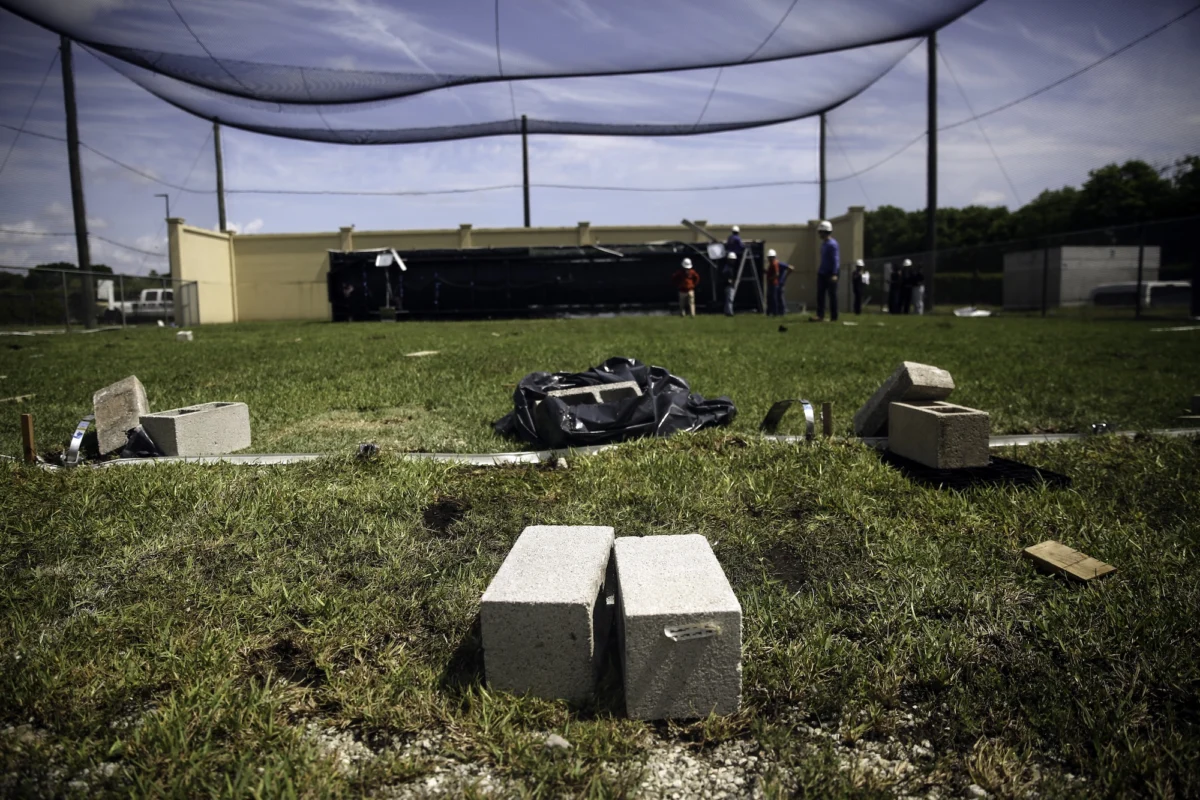
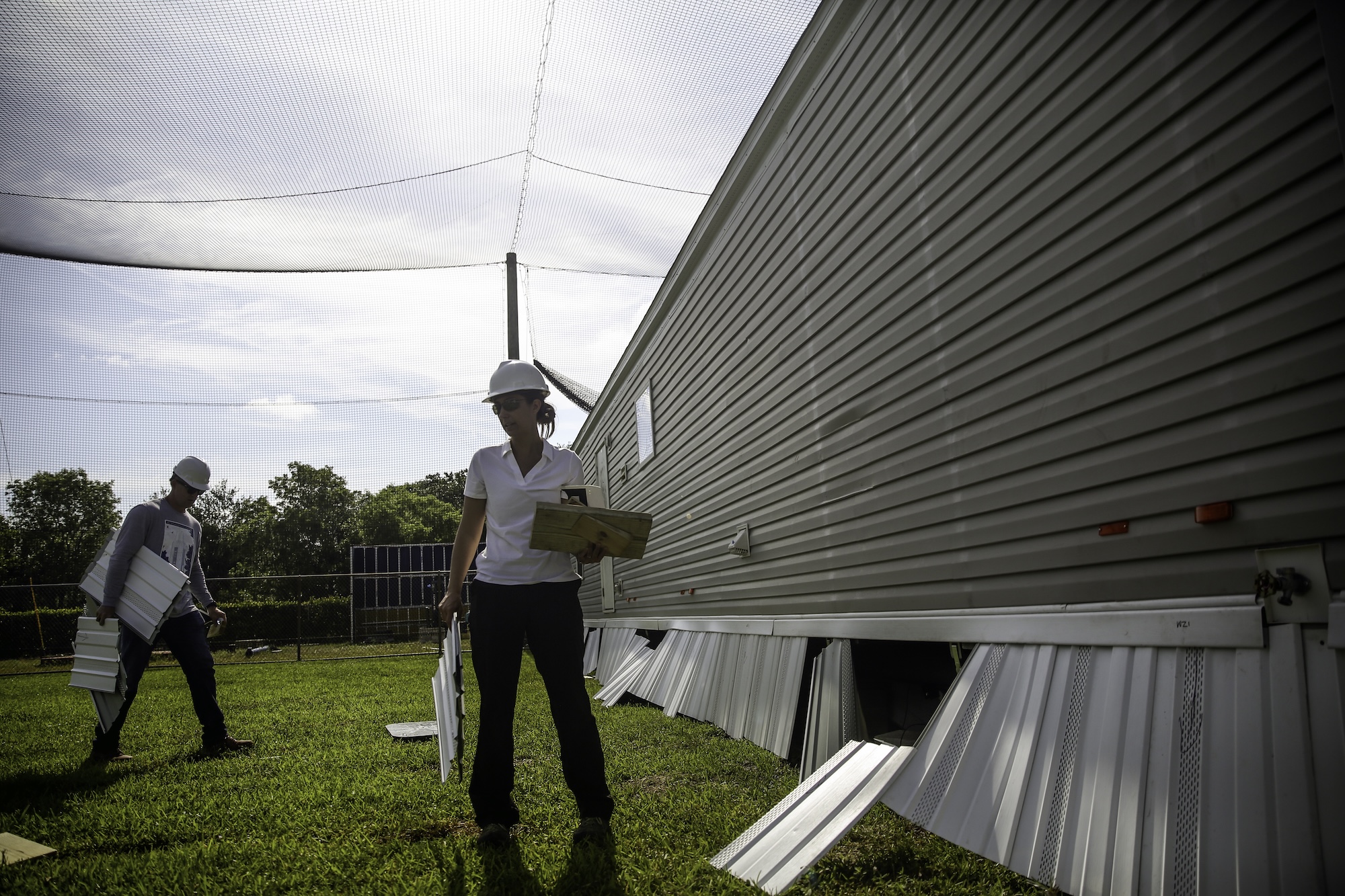
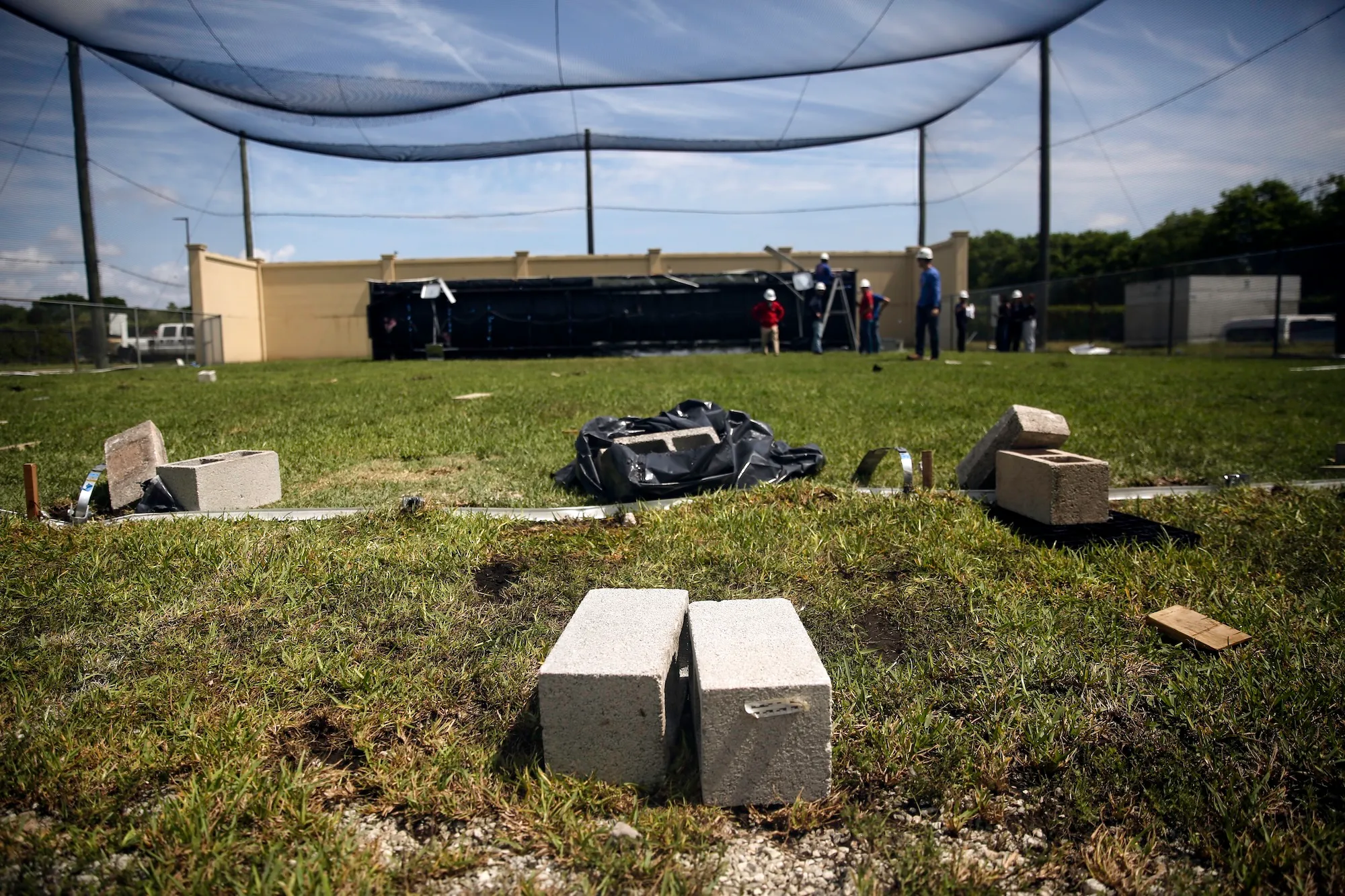
The first signs of trouble are subtle. A vinyl skirting ripples under invisible pressure. Siding near the roofline begins to peel away, exposing the skeletal frame of the structure. Then, the twelve massive fans arrayed across the 14-foot-high Wall of Wind at Florida International University (FIU) accelerate in unison. The roar is deafening, a man-made hurricane creating wind speeds that climb toward 157 mph. The manufactured home, designed to be a bastion of affordable living, begins to shudder on its concrete supports. Inside the facility, the air is thick with the tension of impending collapse. As the wind pushes relentlessly against the walls and over the roof, a window shatters. The steel straps and anchors, intended to tether the home to the earth, scream under the strain. Finally, the last three anchors snap. The entire structure pitches back, groans, and overturns. For lead structural engineer Elaina Sutley, this moment of catastrophic failure is not a setback—it is a critical data point in a mission to save lives.
The Vulnerability of Affordable Housing
More than 20 million Americans currently reside in 6.7 million manufactured homes. For many low-to-moderate-income families, these structures represent the most viable path to homeownership. However, they are also disproportionately exposed to extreme weather events. Unlike site-built homes, which are constructed on permanent foundations and governed by a patchwork of local building codes, manufactured homes are regulated by a single federal standard administered by the Department of Housing and Urban Development (HUD).
The industry traces its modern regulatory history to 1994, when the aftermath of Hurricane Andrew exposed the frailty of existing standards. The federal government responded by significantly strengthening wind resistance requirements for new units. Yet, as climate change accelerates the frequency and intensity of extreme weather, the disparity between these standards and the reality of modern storm surges and wind speeds has come under intense scrutiny. A study co-authored by Andrew Rumbach of the Urban Institute highlights that roughly 5 million of these homes are located in areas highly susceptible to climate disasters, with over half of all new units installed in the last decade placed within the high-risk Gulf states.
A Personal Catalyst for Structural Change
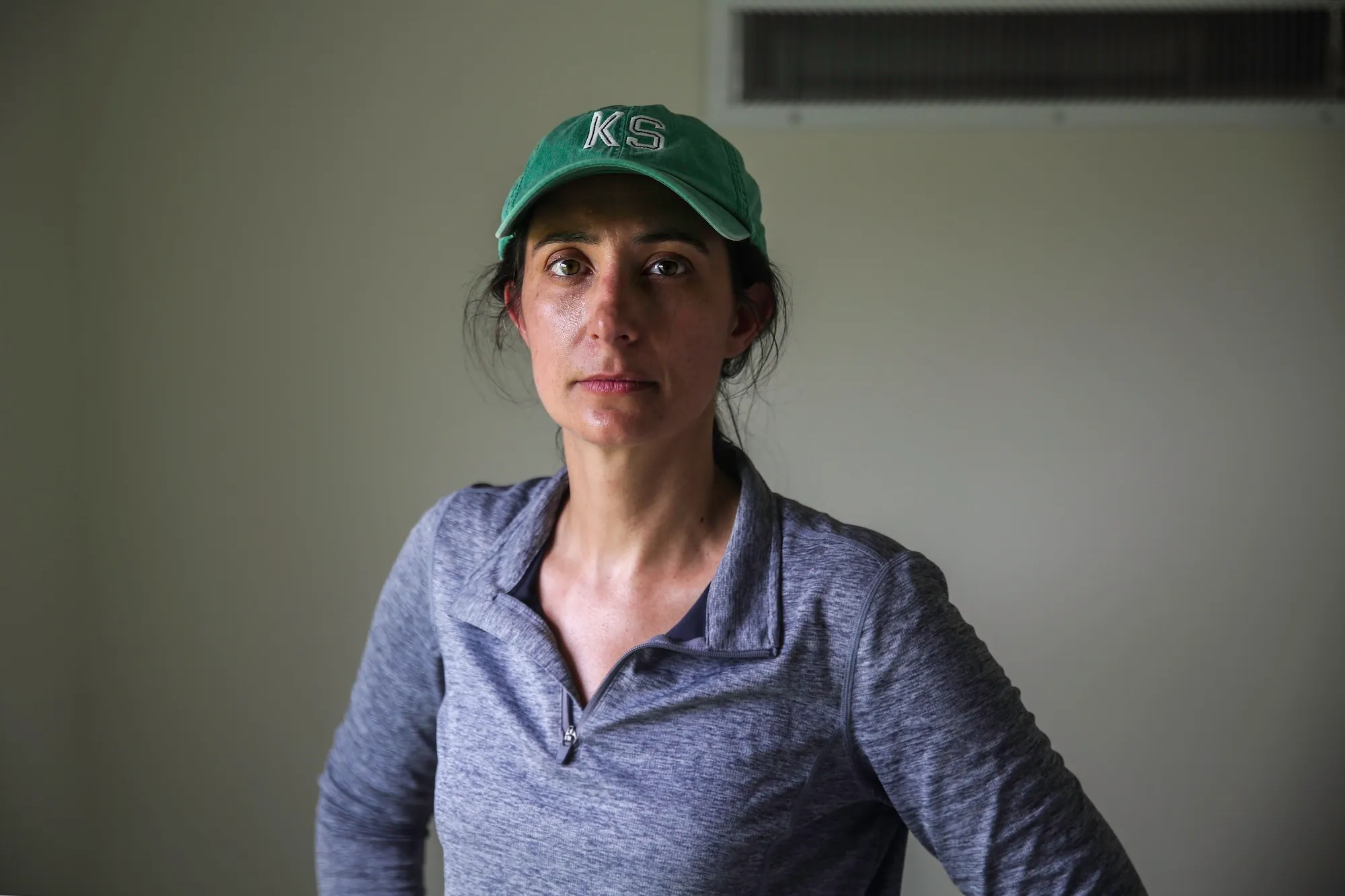
Elaina Sutley, a professor of civil, environmental, and architectural engineering at the University of Kansas, brings a unique perspective to this research. Her commitment to structural resilience is not merely academic; it is deeply personal. Fifteen years ago, while pursuing her master’s degree in Tuscaloosa, Alabama, Sutley found herself caught in a catastrophic tornado outbreak. With wind speeds topping 190 mph, she sought refuge in her apartment bathroom as the walls of her building warped and twisted.
The aftermath of that event left an indelible mark on her professional trajectory. Stepping out into a landscape that was entirely unrecognizable—where familiar landmarks had been erased and neighborhoods flattened—Sutley realized a fundamental flaw in engineering philosophy. "We don’t design buildings to withstand tornadoes," she noted. This realization shifted her focus toward natural hazards and the protection of the most vulnerable populations, eventually leading her to the specialized wind-testing facilities at FIU.
The Anatomy of the Experiment
The testing process is a rigorous, iterative cycle. Sutley and her team utilize the Wall of Wind to subject test units to extreme conditions, systematically varying installation standards, wind speeds, and angles of attack. By altering the elevation, the type of support, and the presence of skirting, researchers can isolate the variables that contribute to failure.
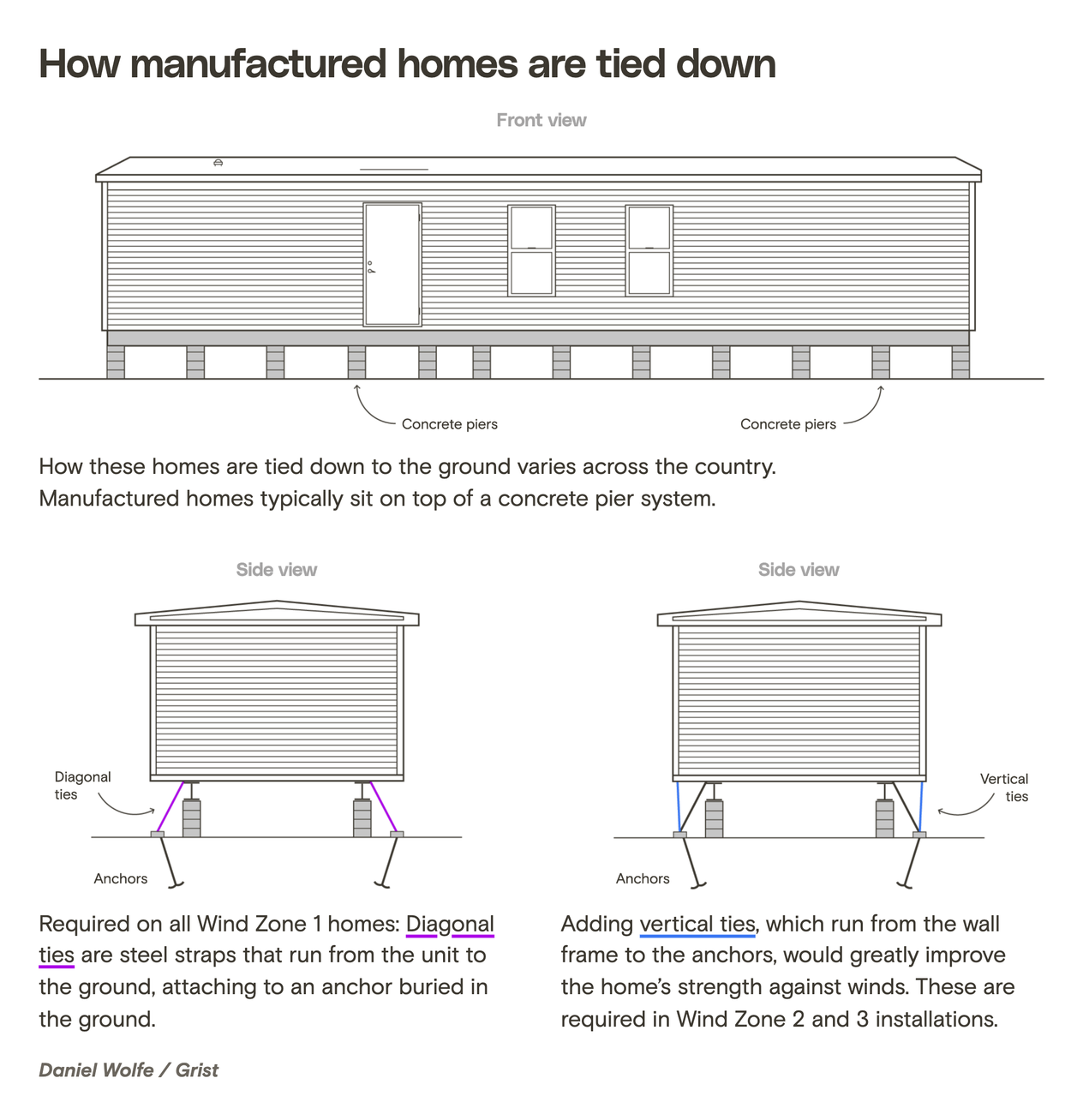
The core of the issue often lies beneath the floorboards. Traditional manufactured homes rely on diagonal ties secured to ground anchors to prevent sliding or lifting. However, longitudinal anchors—designed to prevent tipping—and vertical ties are not universally required across all "Wind Zones." HUD currently divides the country into three regions based on anticipated wind speeds. While the most hurricane-prone areas (Zones 2 and 3) have stringent requirements, the vast majority of the United States falls into Zone 1, where wind standards are significantly lower.
Sutley’s experiments suggest that these Zone 1 standards are increasingly inadequate. Preliminary findings indicate that adopting the more robust retention systems used in Zone 3—specifically the inclusion of vertical ties—could significantly reduce the risk of structural failure during extreme wind events. These ties connect the frame directly to anchors below, providing a crucial defense against the uplift forces that cause homes to flip.
Industry Collaboration and the Economics of Resilience
The path to implementation involves complex negotiations between researchers, federal regulators, and the building industry. Collaboration with major manufacturers like Clayton Homes has allowed researchers to explore alternatives to traditional strapping, such as rigid metal struts. Unlike straps, which must remain perfectly taut to be effective, struts provide a structural bridge that can resist both pushing and pulling forces.
However, the transition to safer standards faces significant economic headwinds. Blanchard’s Mobile Home Removals and Transport, a firm with decades of experience in the field, notes that the costs of installing a home have ballooned. Beyond the base price of the unit—ranging from $80,000 to $120,000—homeowners face heavy expenses for site preparation, including electrical, plumbing, and HVAC integration. Critics of new, more stringent regulations argue that adding further costs for advanced anchoring could push homeownership out of reach for the very people these houses are meant to serve.
Yet, proponents of updated standards, including researchers at the Urban Institute, argue that the "affordability" argument is a false dichotomy. When a home fails during a disaster, the financial, emotional, and social costs to the household are astronomical. FEMA estimates that hurricane winds alone result in roughly $29 billion in annual losses. By mandating higher standards at the federal level, the economy of scale can eventually drive down the cost of resilient materials and installation techniques, much like the maturation of energy-efficiency standards in the construction industry.
Looking Toward Policy Reform
The Department of Housing and Urban Development has signaled a willingness to review the findings emerging from the FIU laboratory. A spokesperson for the agency affirmed a commitment to utilizing such research to enhance the safety and resilience of the nation’s manufactured housing stock. The potential for policy change is significant; if the Manufactured Housing Consensus Committee recommends adopting these higher standards, the federal code could be amended to mandate safer anchoring nationwide.
The proposed improvements—a different type of tie, a stronger connection point, or a structural strut—are modest in isolation. Yet, when scaled across millions of homes, they represent a transformative approach to climate adaptation. For Sutley, the goal is clear. While she acknowledges the challenges of the regulatory process, her conviction remains unshaken. "If these changes were adopted," she stated, "I absolutely believe they could save lives."
As the research continues, each structural failure at the Wall of Wind serves as a roadmap for future design. By systematically destroying these homes in a controlled environment, engineers are effectively constructing a more secure future for millions of Americans, proving that resilience is not an luxury, but an engineering imperative that must be built into the very foundation of the home. The work at Florida International University acts as a critical bridge between theoretical structural engineering and the lived reality of families in the path of the next great storm.

