

In Omaha, Nebraska, the sweltering heat of early September—where thermometer readings climbed into the mid-90s Fahrenheit by day—failed to offer the traditional reprieve of a cool, crisp Midwestern evening. For long-time residents like Pat Wilson-Johnson, the shift is palpable. Recalling childhood summers in the city, she remembers a time when opening a window at night was a reliable way to invite a cool breeze indoors. Today, that same action merely invites a blanket of suffocating humidity. “Nine o’clock at night, it’s still 90, 91 degrees,” Wilson-Johnson observed while seeking refuge at the Salvation Army’s North Corps Community Center. “That’s not right.”
This phenomenon of "hot nights" is rapidly becoming a signature feature of the changing climate in Nebraska and the broader Great Plains. While public discourse often centers on the danger of peak daytime temperatures, meteorologists and public health officials are increasingly focused on the overlooked, yet arguably more insidious, threat posed by rising minimum nighttime temperatures.
The Growing Thermal Burden
Across the United States, heat-related illnesses and fatalities are the leading cause of weather-related deaths, frequently eclipsing the toll taken by floods, hurricanes, or tornadoes. The risk is compounded when the body is denied its primary mechanism for recovery: the natural cooling cycle that occurs during the overnight hours.
Eric Hunt, an agricultural meteorology and climate resilience extension educator at the University of Nebraska-Lincoln (UNL), points to a shifting climatic baseline. He notes that in the coming decades, Nebraska’s minimum nightly temperatures could routinely hover in the low 70s—a thermal profile more characteristic of southern Missouri or southeast Kansas than the historically temperate Nebraska plains. This shift represents a fundamental alteration of the regional climate, with profound implications for human health, energy infrastructure, and the state’s agricultural engine.
Public Health and the Urban Heat Island
The inability of urban areas to shed heat at night is a critical public health concern. The phenomenon, known as the "urban heat island effect," occurs as concrete, asphalt, and building materials absorb heat during the day and re-radiate it long after the sun has set.
For the most vulnerable populations—the elderly, individuals with chronic cardiovascular or respiratory conditions, and the houseless—this constant exposure to heat places immense stress on the human body. Dr. Jesse Bell, director of the University of Nebraska Medical Center’s water, climate, and health program, explains that without a nighttime "reset," the body’s cardiovascular and renal systems remain in a state of high alert, increasing the likelihood of heat exhaustion, fainting, and long-term health complications.
The situation is particularly acute for those without access to reliable air conditioning. Nonprofits like the Siena Francis House in Omaha have had to pivot their operational strategies to address this new reality. While the organization traditionally operates cooling centers during specific daytime hours, director of case management Kristy McKern notes that staff are increasingly prepared to provide resources well beyond standard shifts.
“A lot of these people don’t have access to just the essentials like you and I would have,” McKern said. “So, for us to be able to provide those things to them—water, sunscreen, cooling—is about preventing them from ending up in the hospital, dehydrated, or fainting.”
The Quiet Toll on Sleep and Infrastructure
Beyond immediate medical emergencies, the accumulation of heat leads to a more subtle but widespread impact: the erosion of public health through sleep deprivation. Data from Climate Central reveals that residents in Omaha and Lincoln lost an estimated 30 hours of sleep annually between 2020 and 2025 due to elevated nighttime temperatures, with a measurable percentage of that loss directly attributable to climate change.
This sustained heat also places significant strain on the regional power grid. According to the U.S. Energy Information Administration, air conditioning remains the largest driver of residential electricity consumption. While peak demand typically occurs in the late afternoon, the necessity of running cooling units throughout the night prevents the grid from de-loading.
As utility companies grapple with the dual pressures of increased residential cooling demand and the surging energy requirements of regional data centers, the infrastructure is being pushed to its limits. In some instances, these pressures have forced utility providers to keep aging, high-emission fossil fuel generation plants online longer than planned to maintain grid reliability, creating a feedback loop of increased emissions and further warming.
Agricultural Implications: A State’s Economy at Risk
Nebraska’s economy is anchored by agriculture, particularly the production of corn and soybeans. The rising minimum temperatures present a direct threat to crop yields. Plants, like humans, require a period of rest. During the night, crops like corn and soybeans should theoretically be in a metabolic state of "storing" energy. Instead, warmer nights force plants to burn through stored energy via increased respiration.
Tom Hoegemeyer, a retired UNL professor of agronomy and horticulture, explains that this process effectively "shuts down" the crops during critical growth periods. “They lose a week or more of filling time in late summer and early fall that we would normally get, which pretty significantly impacts yield,” he stated.
Furthermore, these conditions create an environment ripe for agricultural pathogens. Increased heat and humidity at night can accelerate the growth of fungi and bacteria, which may force farmers to increase the use of chemical pesticides and fungicides. This, in turn, risks increased water usage, as farmers rely more heavily on groundwater irrigation to mitigate the effects of the heat and prevent soil moisture depletion.
While the agricultural sector has historically been adept at genetic modification and technological adaptation, there are physical limits to what science can achieve. “If you believe the projections as to what temperatures will be like by 2100, we may not be able to do that,” Hoegemeyer warned. “There are limits to what we can do with genetics.”
Livestock Management Under Stress
The livestock industry—a pillar of Nebraska’s commodity export market—is similarly contending with a changing environment. High-producing animals, such as dairy cows and mature feedlot cattle, are particularly susceptible to heat stress because they generate substantial internal body heat.
Rick Stowell, a UNL professor and animal environment extension specialist, notes that producers are increasingly forced to invest in costly adaptive measures. From the installation of sophisticated shade structures and industrial-grade ventilation systems to the implementation of misting and sprinkling systems in feedlots, the cost of animal husbandry is rising alongside the temperature.
“Most livestock and poultry producers are well aware that the situation is getting more challenging,” Stowell observed. The industry is essentially engaged in a constant race to improve animal welfare standards as the baseline temperatures in eastern and central Nebraska continue their upward trajectory.
Looking Ahead: Policy and Preparedness
The challenge for Nebraska is to move from reactive measures—such as temporary cooling centers—to proactive, long-term policy adjustments. In Lincoln, the Lincoln-Lancaster County Health Department has begun integrating nighttime temperature data into their extreme heat response planning, a shift from the traditional focus on daytime highs.
However, advocates argue that more systemic changes are required. This includes investing in the weatherization of low-income housing, expanding the canopy of urban green spaces to mitigate the urban heat island effect, and rethinking grid management to accommodate the rising energy demands of a warming climate without relying on carbon-intensive energy sources.
The experience of residents like Pat Wilson-Johnson serves as a localized barometer for a global issue. As the boundaries of "normal" summer weather continue to expand, the state of Nebraska finds itself at a crossroads. Whether through adaptive agricultural practices, infrastructure hardening, or social support systems, the state’s ability to navigate this new thermal reality will likely define its economic and public health trajectory for the remainder of the century.
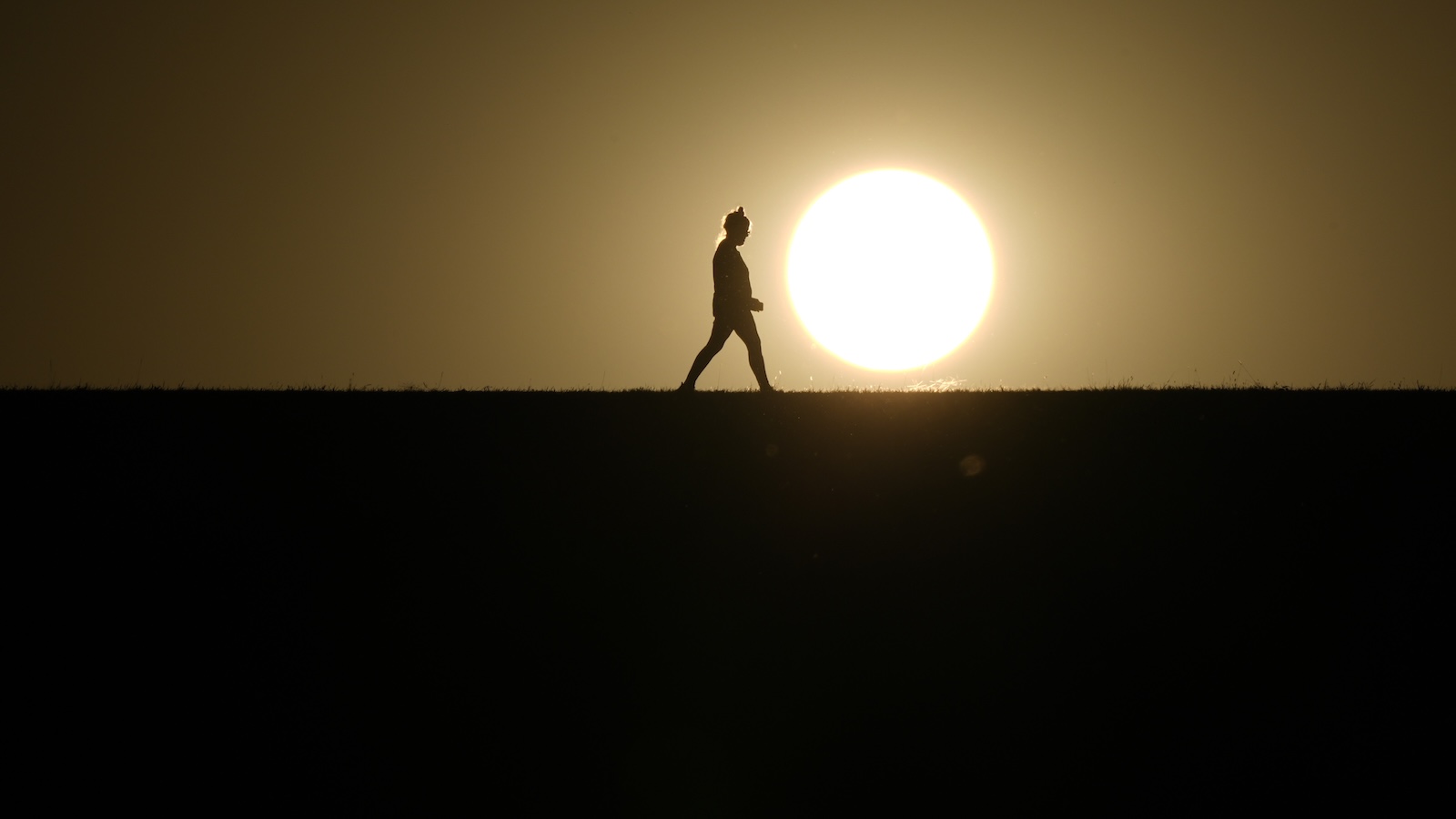
For now, the focus remains on the immediate: providing a cool space, a bottle of water, and a bag of ice to those who need it most, even as the sun sets and the temperatures remain stubbornly high. The nights, once a sanctuary of coolness, have become the new frontier of the climate challenge.

