
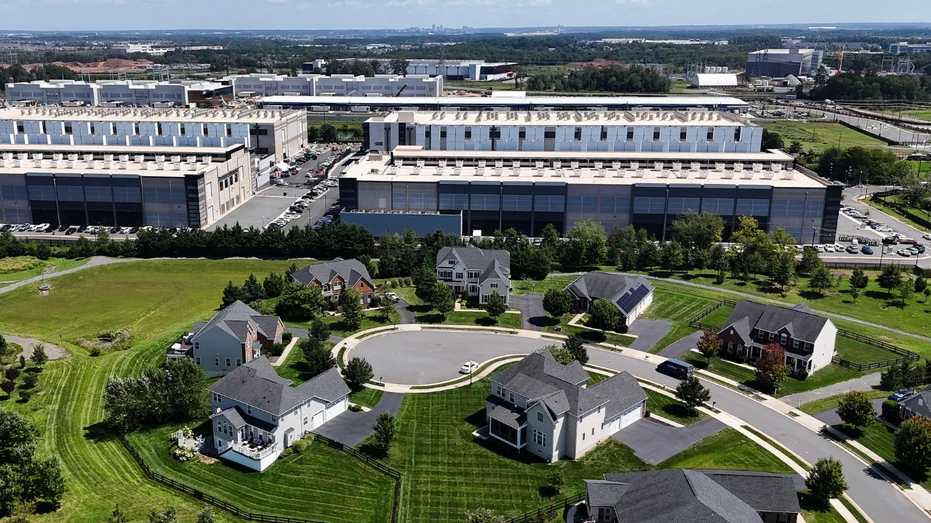
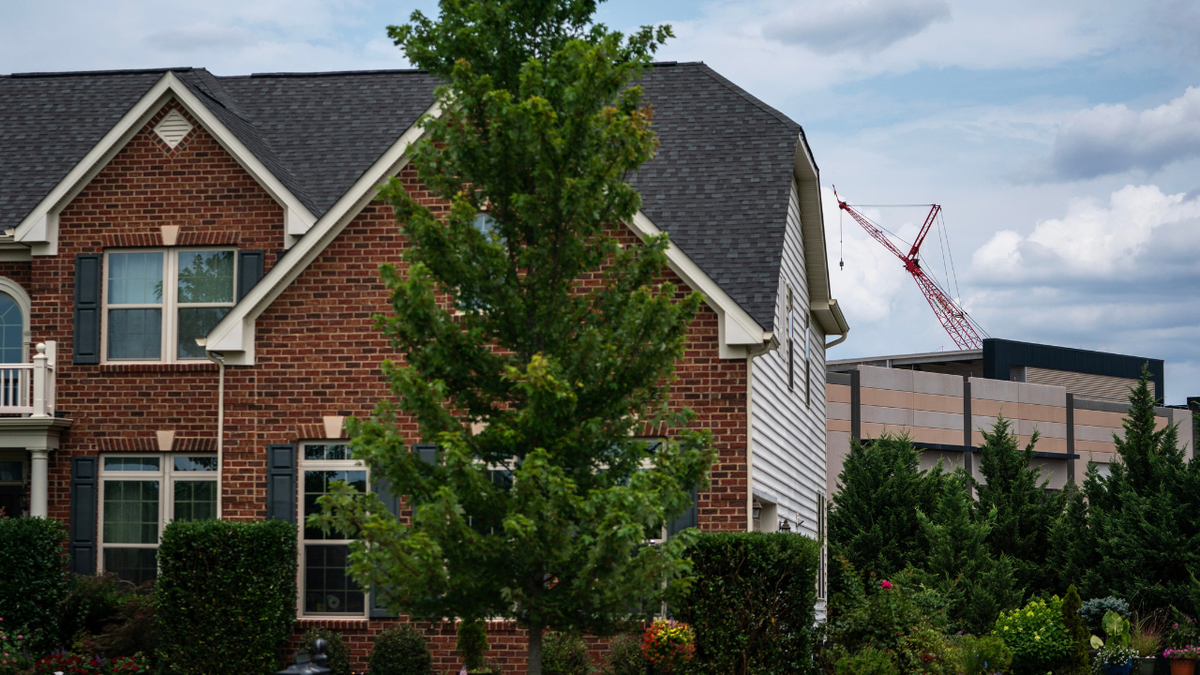
In the quiet cul-de-sacs of Ashburn, Virginia, the American dream is being rewritten by the relentless hum of the digital age. What began as a promise of suburban tranquility has transformed into a high-stakes standoff between local homeowners and the tech giants fueling the global artificial intelligence revolution. For residents on Statesboro Place, the backdrop of their lives is no longer the pastoral greenery of the Virginia countryside, but the looming, windowless facades of massive data centers operated by Amazon Web Services (AWS) and Microsoft.
The physical transformation of the landscape—marked by heavy machinery, clouds of red dust, and the rapid rise of industrial-scale infrastructure—has left a community grappling with the externalities of progress. As the mechanical drone of cooling fans replaces the silence of the suburbs, the residents of Loudoun County find themselves at the center of a national debate regarding the true cost of the digital economy.
A Chronology of Industrial Encroachment
The transformation of Loudoun County, often referred to as "Data Center Alley," did not occur overnight, but the pace of development has accelerated exponentially alongside the demand for cloud computing and generative AI. Historically, the area was characterized by rolling hills and suburban sprawl. However, over the past decade, and particularly following the surge in AI infrastructure needs in 2024 and 2025, the landscape has been fundamentally altered.
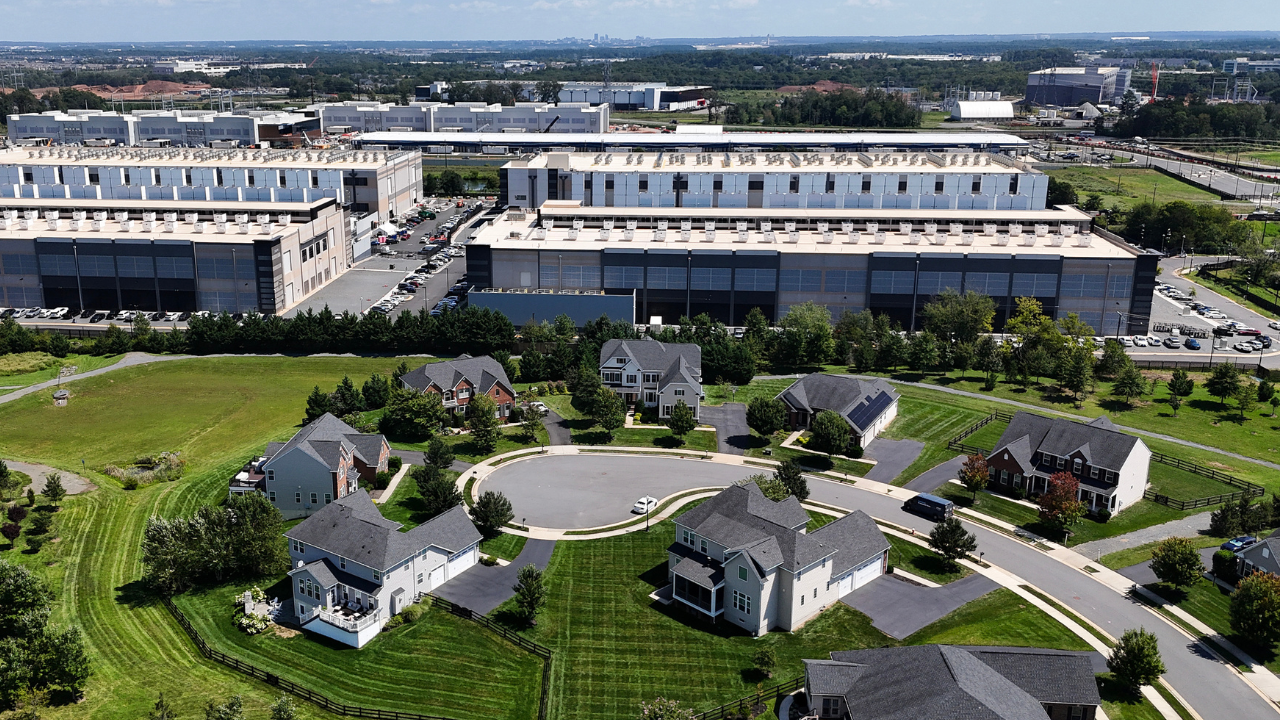
By March 2026, the scale of the infrastructure shift became clear: more than 230 data centers were either operational or under construction in Loudoun County alone. With an additional 116 projects currently in the planning pipeline, the county has cemented its status as the world’s largest concentration of data center infrastructure. For long-term homeowners, the timeline is measured not in policy decisions, but in the arrival of heavy equipment. Residents describe a process that begins with the clearing of land, followed by months of construction noise, and finally, the permanent, ceaseless mechanical hum that signifies a facility has gone "live."
The Economic Paradox: Taxes and Revenue
The presence of these tech facilities has created a complex economic paradox for the local government and its citizens. From the perspective of the Loudoun County Board of Supervisors, data centers are an unmitigated fiscal success. In the 2026 fiscal year, these facilities generated an estimated $1.2 billion in tax revenue, accounting for nearly 39% of the total county budget. This revenue stream is projected to climb to $1.3 billion in 2027, providing a substantial cushion for public services, schools, and infrastructure improvements that might otherwise require higher individual tax rates.
However, for the residents living in the immediate shadow of these facilities, the promised economic relief is not materializing. Homeowners report a disconnect between the county’s collective prosperity and their individual tax burdens. An examination of property tax records from Statesboro Place residents reveals a stark upward trend. One homeowner’s records indicate that their annual real estate tax bill surged from $17,391 in 2021 to $22,250 in 2026—an increase of nearly 30%. While county officials point to the stabilization of general tax rates, the soaring assessed value of properties—often decoupled from the quality of life impacts—has left families paying significantly more for a home environment they describe as increasingly untenable.
The Human Cost: Quality of Life Concerns
The primary grievance voiced by residents is the erosion of their living environment. The facilities, which sit as close as 150 feet from some residential backyards, are massive, featureless structures that block natural light and views. More pervasive, however, is the noise. The constant, low-frequency hum generated by the industrial cooling systems used to prevent servers from overheating is described by residents as a permanent, intrusive presence.
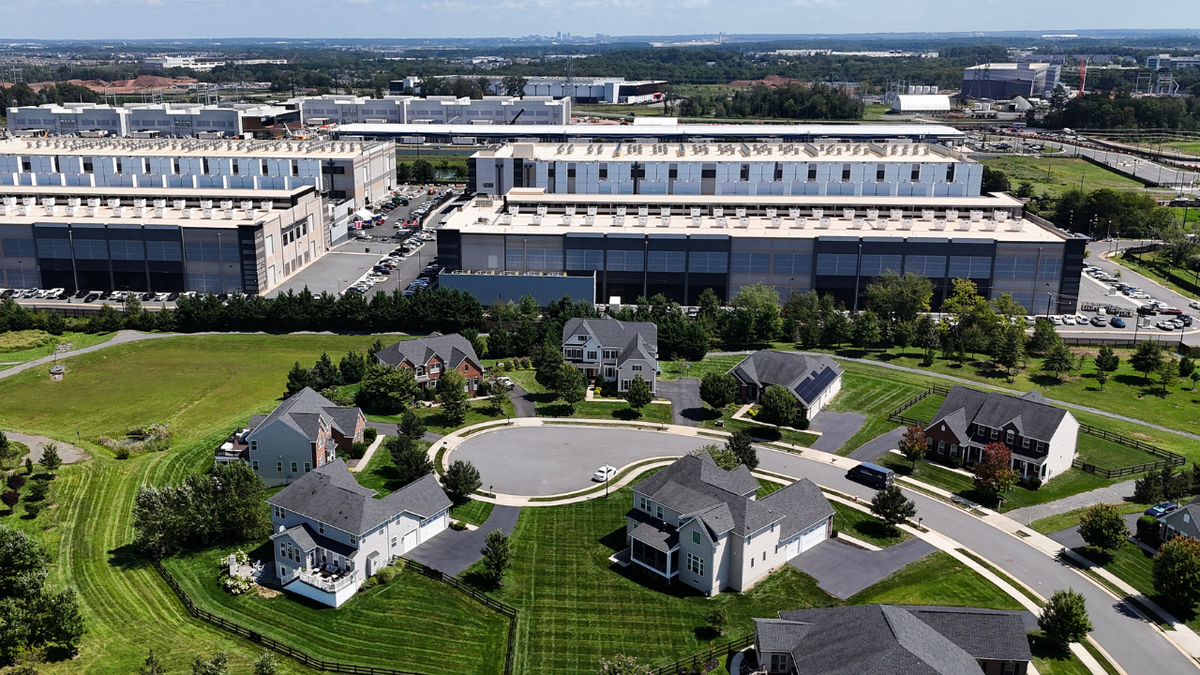
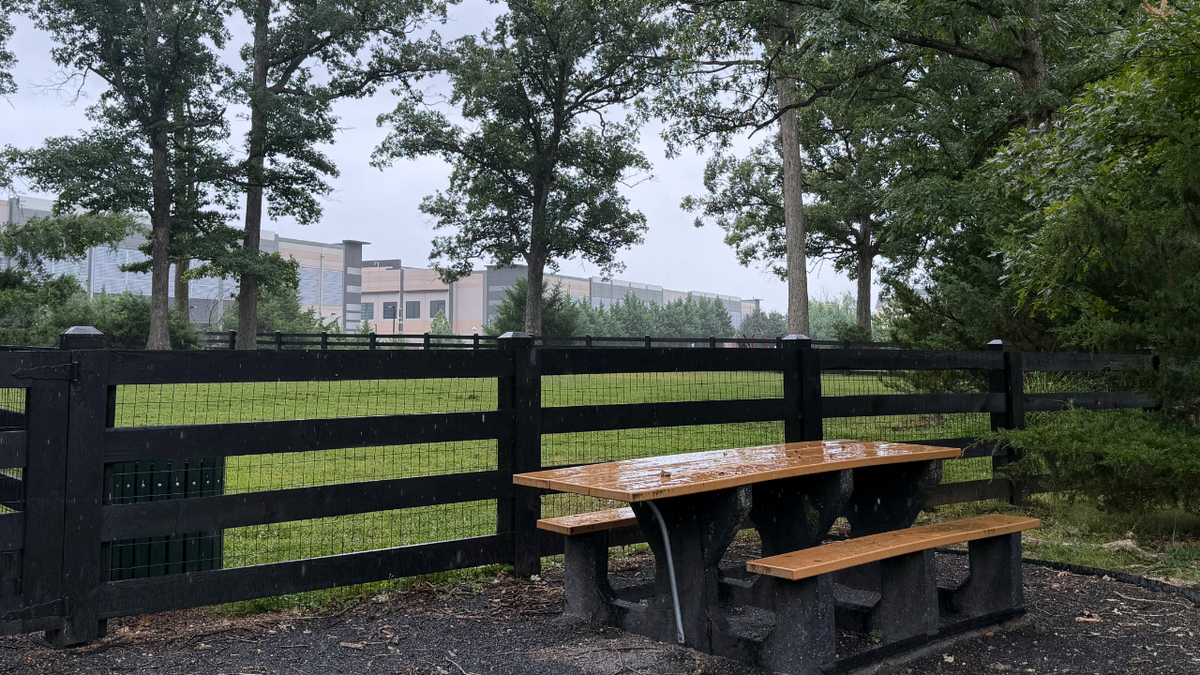
"It’s like 150 feet away and just constant noise," one resident noted during a site visit. "So far, they’ve planted some trees, thinking that would solve the issue, but trees are not a solution."
This sentiment is echoed throughout the neighborhood, where residents have begun to organize. They argue that the current mitigation efforts, such as peripheral landscaping, are cosmetic at best. They are calling for structural interventions, such as high-density sound walls—similar to those found along major interstate highways—to dampen the noise pollution. Beyond the noise, there are concerns regarding the long-term impact on property values and the overall "community character" that originally attracted families to the area.
Official Responses and Corporate Responsibility
In response to these concerns, both Amazon and Microsoft have issued statements emphasizing their commitment to being "good neighbors." A Microsoft spokesperson confirmed that the company is engaged in ongoing dialogues with local Homeowners Associations (HOAs) to prioritize landscaping, lighting, and noise attenuation. Similarly, an Amazon spokesperson highlighted their 20-year history in Loudoun County, noting that their development projects undergo rigorous local, state, and federal reviews.
Despite these assurances, the gap between corporate policy and resident experience remains wide. The companies assert that they operate well within the established regulatory and legal frameworks of the county. However, critics argue that these frameworks were designed for traditional industrial zones and are ill-equipped to handle the unique challenges posed by placing data centers directly adjacent to residential density.
The Political Pivot: A Shift in Governance?
The friction between corporate expansion and community welfare has begun to influence local politics. Little River District Supervisor Laura TeKrony has taken a firm stance against the continued, unrestricted approval of these facilities. Since taking office in 2024, TeKrony has consistently voted against new data center applications, arguing that the county has reached a saturation point.
"There are some things that matter more than additional tax revenue: our land, our water, our quality of life, and our community character," TeKrony stated. Her position reflects a growing movement within the local government to reassess zoning laws and restrict future data center growth to strictly industrial corridors, away from residential neighborhoods. This represents a significant pivot for a county that, for years, actively courted the tech industry as a primary economic engine.
Future Implications and Policy Considerations
The situation in Loudoun County serves as a case study for municipalities across the United States. As the AI boom continues to drive demand for computing power, other regions are likely to face similar pressures. The central policy question is whether the tax benefits provided by the tech sector are sufficient to compensate for the degradation of residential quality of life.
Several policy avenues have been proposed by experts and community advocates:
- Noise Abatement Mandates: Updating building codes to require industrial-grade sound mitigation, such as acoustic barriers, rather than relying on visual screening like trees.
- Targeted Tax Relief: Implementing property tax credits or rebates for homeowners whose properties directly abut large-scale industrial infrastructure, acknowledging the loss of residential utility.
- Zoning Reform: Establishing stricter buffer zones that mandate a greater distance between data center properties and residential zoning, effectively preventing the "fence-line" scenario seen in Ashburn.
- Community Impact Fees: Requiring tech companies to contribute to a dedicated fund for local community improvements that go beyond general tax revenue, specifically earmarked for mitigating the impacts of their operations.
Conclusion: The Unavoidable Trade-off
The residents of Statesboro Place acknowledge that the data center industry is a permanent fixture of the modern economy. Their goal is not to force these companies out of the county, but to negotiate a more equitable coexistence. As one resident aptly put it, the question is whether the current model treats citizens as "guinea pigs" in an uncontrolled experiment of rapid industrialization.
As the nation’s AI ambitions continue to scale, the clash in Loudoun County underscores the need for a more comprehensive approach to infrastructure planning. The digital revolution is built on physical hardware, and that hardware has a footprint that is being felt in very tangible ways. Until local and state governments reconcile the economic allure of tech growth with the fundamental rights of residents to a peaceful, livable environment, the story of Ashburn will continue to be a cautionary tale for the rest of the country. The silence of the suburbs may be gone, but the debate over how to manage the cost of progress has only just begun.

