
WASHINGTON — The multibillion-dollar, multi-year renovation of the Federal Reserve’s historic headquarters in Washington, D.C., did not violate federal law, according to a comprehensive 121-page report released Wednesday by the central bank’s inspector general. However, the exhaustive internal review concluded that severe project management missteps, insufficient internal governance, and a failure to enforce cost ceilings dramatically inflated the final price tag to nearly $2.5 billion.
The report delivers a definitive ruling on a project that became a focal point of high-stakes political friction between the central bank and the White House. While clearing former Federal Reserve Chairman Jerome Powell and other top officials of administrative misconduct or criminal liability, the investigation validates long-standing complaints regarding ballooning expenditures and organizational oversight failures.
The publication of the report marks the latest chapter in a turbulent saga that involved congressional pressure, grand jury subpoenas, presidential inspections, and sweeping leadership transitions at the nation’s central bank.
Origins and Scope of the Multi-Year Renovation Project
First approved in 2017 under the broad mandate to modernize and repair aging infrastructure, the ambitious construction project encompasses two primary buildings: the historic Marriner S. Eccles Federal Reserve Board Building and the Federal Reserve Board East Building. Originally projected to cost roughly $1.9 billion, the estimated expenses have steadily climbed over the past several years, reaching nearly $2.5 billion as the project nears its planned 2027 completion date.
Throughout the construction lifecycle, the central bank defended the rising expenditures by pointing to a confluence of external economic pressures. Officials repeatedly cited soaring post-pandemic inflation, severe supply chain bottlenecks, rising costs for essential materials and specialized labor, and unforeseen physical challenges on the job site—such as soil contamination and the discovery of unexpected quantities of hazardous asbestos.
Yet, the inspector general’s assessment found that while macroeconomic factors undeniably played a role, the rate of cost overruns far outpaced general construction inflation indices. Furthermore, when investigators requested a formal analytical breakdown from the Board of Governors to quantify the precise impact of inflation on the project, the Board failed to provide empirical models. Instead, the Board submitted an assessment from senior economists warning that applying broad macroeconomic measures like the Producer Price Index to a specialized, historical renovation project could be fundamentally misleading.
Key Findings of the Inspector General’s Investigation
Led by Central Bank Inspector General Michael Horowitz, the evaluation involved extensive interviews with Federal Reserve governors, senior administrative officials, project staff, and external contractors. The investigation ultimately isolated four critical areas of deficiency that drove costs upward:
- Absence of a General Contractor Cost Estimate: The Federal Reserve failed to secure a comprehensive construction cost estimate from its primary general contractor at the outset of the project.
- Undeclared Cost Limitations: Management neglected to establish or clearly communicate a hard cost limitation or guaranteed maximum price to the contractor during the initial procurement and early construction phases.
- Insufficient Project Governance: Internal oversight structures were deemed structurally inadequate to manage a project of this scale and complexity. In fact, investigators noted that as late as July, four years after construction began and after nearly all contracting awards had been issued, a guaranteed maximum price had still not been finalized.
- Lack of Transparent Contracting Frameworks: The internal watchdog noted patterns consistent with previous audits from 2021 and 2022, which similarly warned of unreliable cost estimation models, delayed pre-planning, and incomplete monitoring procedures.
Despite these systemic shortcomings, the report explicitly states that investigators found no evidence of criminal behavior. "At no point during our evaluation did we find reasonable grounds to believe that a violation of federal criminal law had occurred requiring a referral to the U.S. Attorney General in accordance with the Inspector General Act," the document notes.
The internal watchdog also dismissed White House criticisms regarding specific high-end architectural features. Critics, including Office of Management and Budget Director Russell Vought and President Trump, had previously decried plans for rooftop terrace gardens, private VIP dining facilities, water features, extensive high-grade marble finishes, and a private elevator for the Fed chair as "ostentatious" or noncompliant with original authorizations. The inspector general concluded that these stylistic choices did not materially contribute to the overall budget inflation.
Chronology of Conflict: From Construction Scrutiny to Criminal Probes
The investigation into the headquarters renovation cannot be separated from the contentious political backdrop of monetary policy disputes between the White House and the Federal Reserve. The timeline of events reveals how administrative oversight morphed into a fierce legal and political showdown:
- 2017: The Federal Reserve Board of Governors officially approves the comprehensive modernization and renovation project for the Eccles and East buildings.
- June 2025: Fed Chair Jerome Powell testifies before the Senate Banking Committee regarding the renovation project. Shortly thereafter, Trump administration officials, including Federal Housing Finance Agency Director Bill Pulte, accuse Powell of deceptive testimony and urge congressional investigations.
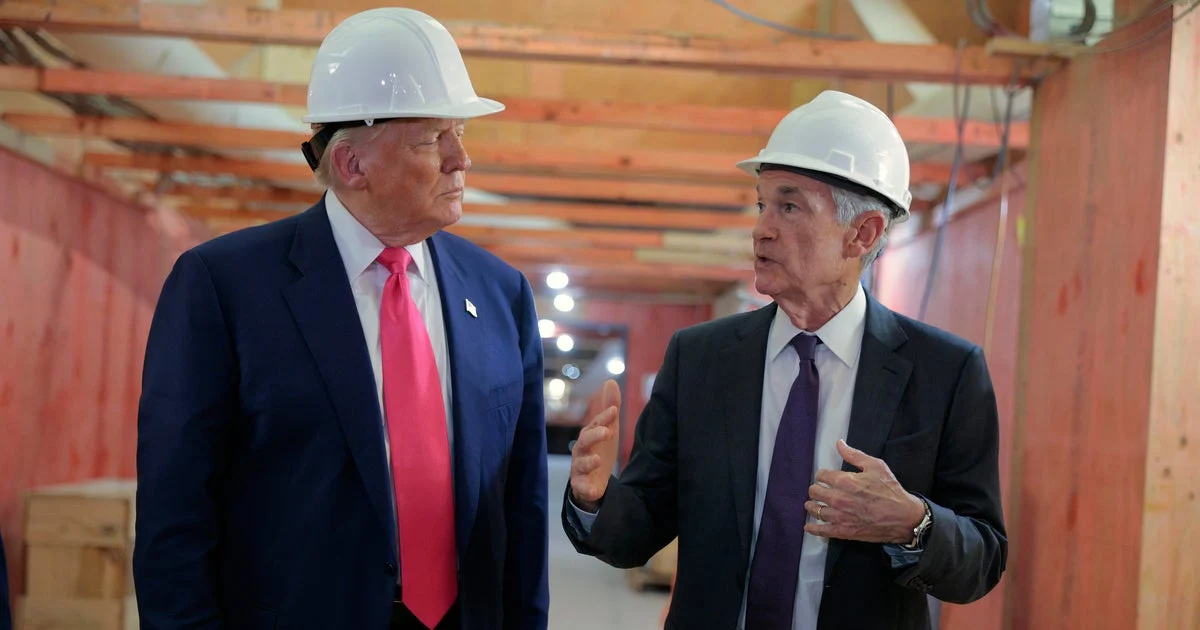
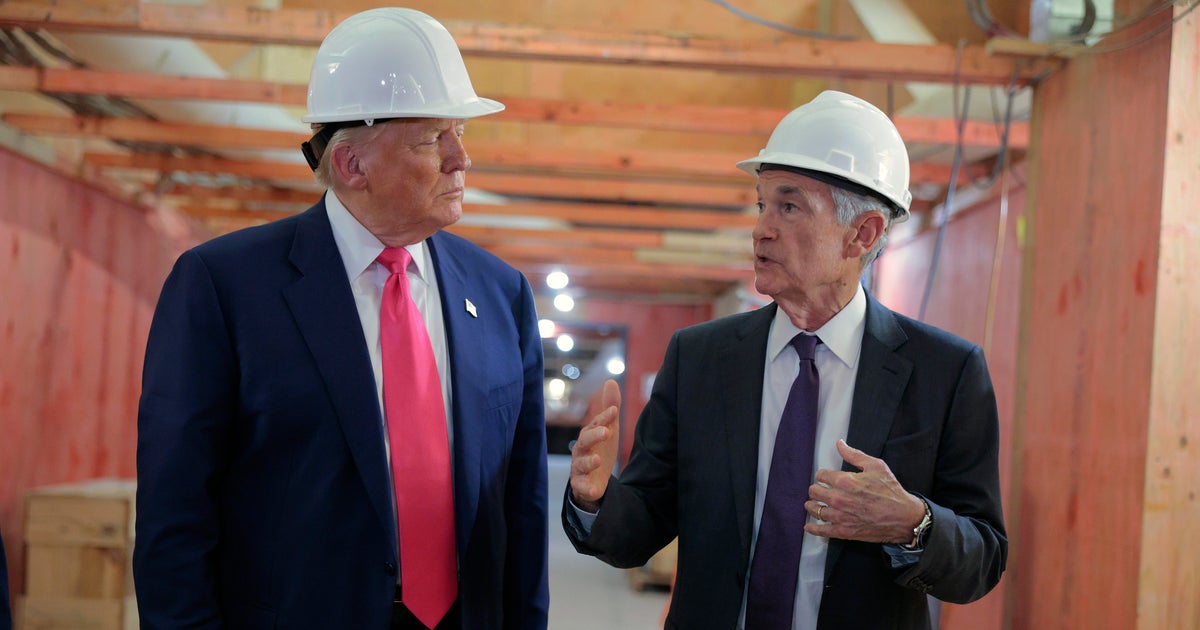
- July 24, 2025: President Trump and Jerome Powell tour the active construction site together, with the president later publicly criticizing the project as "disgraceful" and financially extravagant. Concurrently, Powell requests that the inspector general conduct a thorough internal review of the project’s management.
- January 2026: Powell startles financial markets by releasing a video message revealing that the Federal Reserve has been served with federal grand jury subpoenas as part of a Department of Justice criminal investigation led by U.S. Attorney Jeanine Pirro in Washington, D.C. The subpoenas threaten potential perjury indictments related to Powell’s June 2025 congressional testimony.
- Early 2026: President Trump nominates Kevin Warsh to succeed Powell as Federal Reserve Chair. However, the nomination stalls in the Senate when key Republican lawmakers, such as Senator Thom Tillis of North Carolina, vow to block any nominee until the Justice Department drops its criminal inquiry into Powell. Legal analysts and federal judges note that the subpoenas appear designed to pressure the central bank into aggressively slashing interest rates.
- Spring 2026: The U.S. District Court in Washington, D.C., scrutinizes the legal basis of the subpoenas, while U.S. Attorney Pirro announces that federal prosecutors are officially ending the criminal investigation. The closure clears the legislative runway for Kevin Warsh’s confirmation process. Pirro notes that she anticipates reviewing the inspector general’s forthcoming final report to resolve remaining questions.
- September 30, 2026: Inspector General Michael Horowitz releases the final 121-page report, confirming no criminal wrongdoing while outlining severe administrative mismanaged expenses.
Institutional Responses and Corrective Measures
The release of the inspector general’s findings prompted swift corrective action from the central bank’s incoming leadership. Kevin Warsh, who received an advance copy of the report, detailed immediate administrative reforms in a formal letter to Inspector General Horowitz.
Warsh announced that the Federal Reserve has retained the General Services Administration (GSA)—the federal agency responsible for managing government buildings and real estate assets—to act as an independent advisor on the remainder of the project. The GSA oversight team will report directly to Warsh and the Board of Governors.
Furthermore, Warsh confirmed that the Board of Governors will initiate an independent, comprehensive forensic audit of all construction expenditures. This audit aims to evaluate the precise value of services rendered versus costs paid, pursue financial remedies for unfulfilled or deficient work, and secure contractual reimbursements or credits wherever feasible.
"The Board will pursue appropriate remedies to ensure the public interest is fully protected," Warsh wrote, signaling a sharp departure from the administrative practices that characterized the earlier phases of the multi-billion-dollar buildout.
Broader Implications for Central Bank Independence
While the inspector general’s report brings financial and administrative clarity to the renovation controversy, economists and governance experts suggest the fallout will have lasting implications for the Federal Reserve.
The episode highlights the delicate balance between maintaining institutional accountability and safeguarding the operational independence of the nation’s monetary policy authority. Although the courts ultimately checked the deployment of criminal subpoenas as a pressure tactic in monetary debates, the episode exposed vulnerabilities in how large-scale capital projects are managed within independent federal agencies.
As the renovation project marches toward its projected 2027 completion date under new oversight by the GSA and incoming leadership, the Federal Reserve faces mounting pressure to demonstrate heightened fiscal discipline, transparency, and rigorous internal governance to restore public and congressional trust.

