
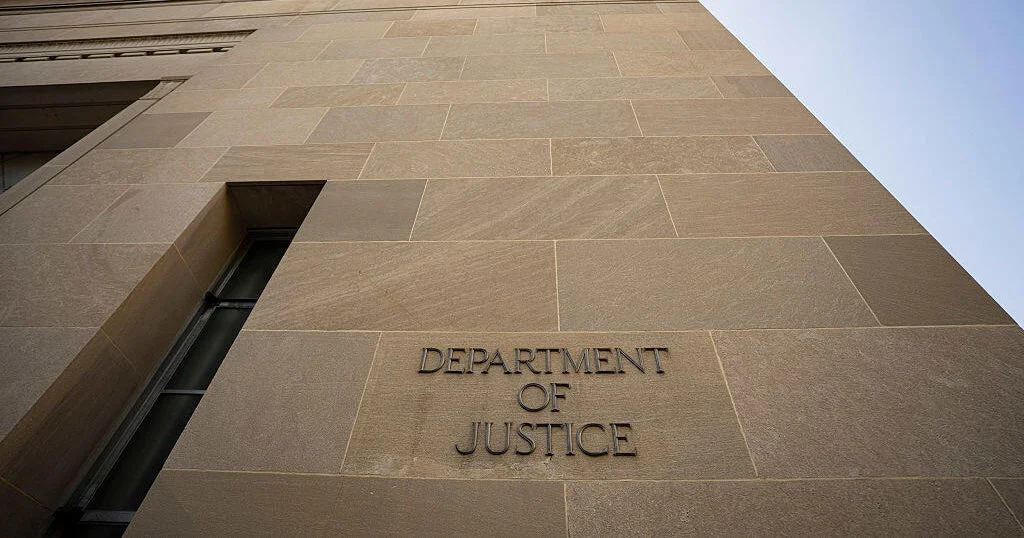
Kurt Olsen, a high-profile conservative attorney and outspoken 2020 election denier who made headlines for his efforts to overturn the vote count in favor of Donald Trump, has officially resigned from the United States Department of Justice, according to multiple sources familiar with his departure. Olsen’s exit marks yet another high-level departure from a specialized prosecutorial team that has drawn intense scrutiny, internal debate, and accusations of political weaponization.
At the time of his resignation, Olsen was assigned to the U.S. Attorney’s Office for the Southern District of Florida. In that capacity, he played a central role in a sprawling, highly controversial "grand conspiracy" investigation targeting officials from both the Obama and Biden administrations. Despite high expectations from political appointees and months of aggressive probing, the investigation has not yet resulted in any criminal charges. CBS News reached out to Olsen for comment regarding his departure, but he did not immediately respond.
Olsen’s exit follows closely on the heels of another significant departure from the same legal team. Last month, Joe diGenova, a veteran prosecutor handpicked by Attorney General Todd Blanche to helm parts of these politically sensitive inquiries, abruptly resigned. DiGenova’s exit reportedly stemmed from escalating tensions with senior Justice Department career officials regarding the overall management, strategic direction, and sluggish pace of the cases.
Sources indicate that Olsen is only the latest in a string of prosecutors to step away from the grand conspiracy task force in recent days. While some insiders claim that these departures are simply the natural conclusion of temporary assignments for attorneys who traveled from out of state to assist the office, critics and internal whistleblowers view the exodus as a sign of mounting dysfunction and systemic friction within the division.
A Controversial Background in Election Denial
Olsen’s trajectory to the Justice Department was marked by aggressive legal challenges and active participation in efforts to subvert the democratic process following the 2020 presidential election. Before joining the federal agency, Olsen served inside the White House as a presidentially appointed Director of Election Security and Integrity, a position that drew sharp criticism from government accountability groups and cybersecurity experts given his prior record.
In late 2020, Olsen acted as a private attorney collaborating with Texas Attorney General Ken Paxton. Together, they spearheaded an audacious and ultimately unsuccessful bid to convince the U.S. Supreme Court to invalidate the certified election results in several battleground states won by Joe Biden. Their legal filings were widely panned by constitutional scholars as a legally frivolous attempt to disenfranchise millions of voters.
Because of these actions, Olsen caught the attention of federal investigators. In 2022, he was formally subpoenaed by the now-defunct House January 6th Select Committee, which was tasked with investigating the attack on the U.S. Capitol and the systemic pressure campaign directed at the federal government. According to the committee’s subpoena letter, Olsen allegedly "contacted various high-level officials at the Department of Justice" directly at the behest of President Trump to explore avenues for filing sweeping legal challenges against the election results. Furthermore, the committee’s records indicated that Olsen had communicated multiple times with Mr. Trump on January 6, 2021, as the violence unfolded at the Capitol.
Deep Roots in the Fulton County Referral and Subsequent Raids
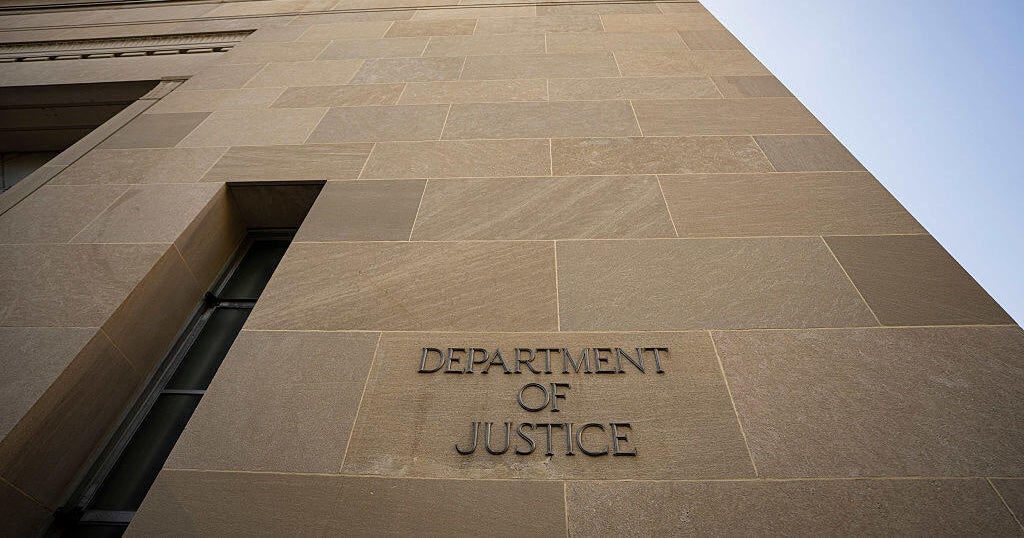
Olsen’s influence within the Department of Justice extended far beyond advisory roles and internal policy debates; he was a direct catalyst for some of the most aggressive enforcement actions undertaken by the agency’s current leadership.
According to a source with direct knowledge of the operations, Olsen was the individual who formally made the Fulton County election case referral to the Federal Bureau of Investigation. This specific referral prompted FBI agents earlier this year to execute a high-stakes search warrant. An unsealed FBI affidavit revealed that agents seized dozens of boxes containing official ballots and other sensitive materials dating back to the 2020 election cycle.
In addition to the Fulton County matter, Olsen reportedly submitted several other election-related criminal referrals to the Justice Department, designed to initiate investigations into local election officials and perceived adversaries of the administration. These referrals formed the baseline for much of the controversial investigative work carried out by out-of-state attorneys brought into the Southern District of Florida.
Allegations of Partisan Bias and Systemic Weaponization
The insertion of politically charged figures like Olsen into the Justice Department has sparked profound alarm among current and former federal law enforcement officials. For months, Department veterans have expressed deep, public concerns that the Trump administration’s criminal investigations—particularly those targeting high-profile figures such as former CIA Director John Brennan and other Obama-Biden era intelligence and law enforcement veterans—are being systematically stacked with ideologically driven personnel.
Critics argue that the primary objective of these task forces is not the pursuit of objective justice, but rather the securing of partisan indictments designed to exact political retribution. The departure of figures like Olsen and diGenova highlights the friction occurring behind closed doors as career prosecutors and institutional watchdogs push back against directives that they perceive as violating long-standing DOJ norms of political neutrality and prosecutorial discretion.
The Justice Department has consistently defended its investigative priorities, asserting that all probes are conducted in accordance with the law and aimed at uncovering accountability for past institutional overreach. However, the Department declined immediate comment when asked to elaborate on the exact status of the grand conspiracy investigation following Olsen’s departure.
Broader Implications for the Justice Department
Olsen’s resignation comes at a precarious time for the Department of Justice, which is striving to balance aggressive oversight of political opponents with the preservation of institutional credibility. The high turnover rate within specialized investigative units points to an agency grappling with internal ideological divides.
As the grand conspiracy probe continues to stall without yielding formal criminal charges, the departure of key architects like Olsen raises serious questions about the future viability and direction of the investigations. Whether new leadership will step in to recalibrate the scope of the inquiry or whether these high-profile probes will quietly wind down remains to be seen. What is certain is that the legacy of political appointees like Kurt Olsen will leave a lasting mark on the internal culture and public perception of the Department of Justice for years to come.

