
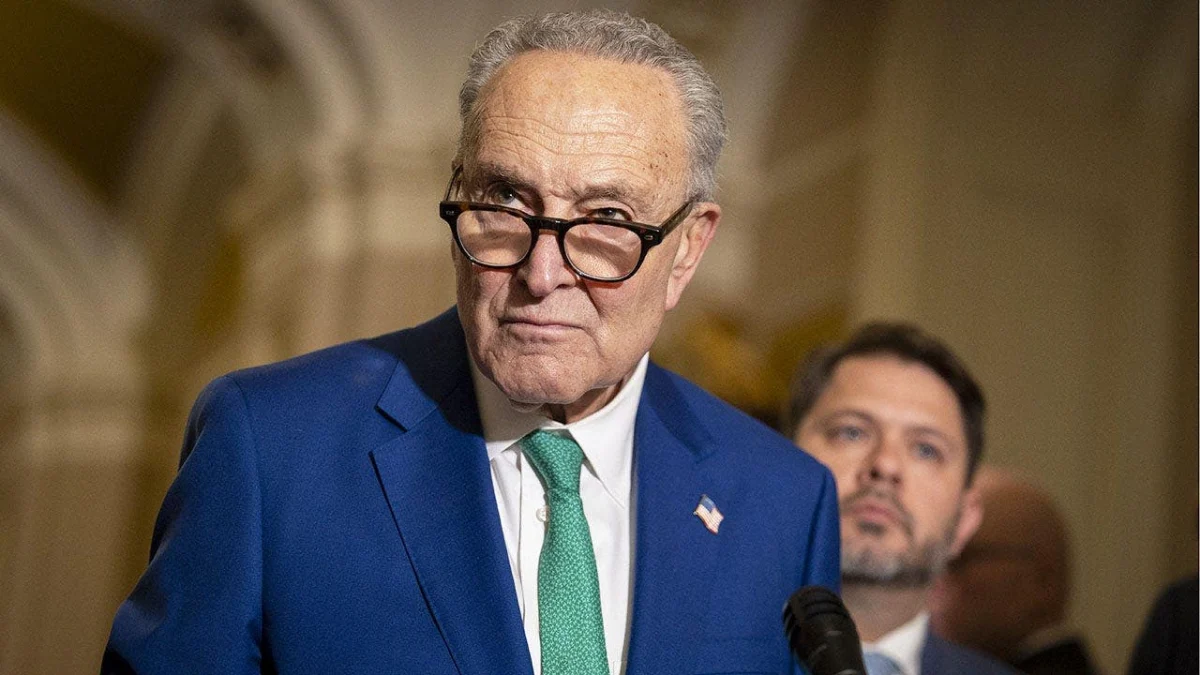
The resounding electoral success that secured a new Senate majority for the Democratic Party has triggered an unexpected internal crisis, as a growing faction of lawmakers moves to challenge the long-standing authority of Senate Minority Leader Chuck Schumer. While the New York Democrat prepares to ascend to the role of Majority Leader in the coming term, his path to the gavel is increasingly obstructed by a vocal coalition of progressive insurgents and newly elected members who argue that the party’s leadership must reflect the shifting ideological landscape of its base.
The discord, which has simmered behind the scenes for months, burst into the public sphere this week following a series of statements from high-profile senators and incoming freshmen. The rebellion centers on a perceived disconnect between the party establishment—often represented by the Democratic Senatorial Campaign Committee (DSCC)—and the grassroots energy that propelled Democrats to historic gains in recent midterms.
A Fracturing Caucus and the Rise of Internal Opposition
At the heart of the current leadership turmoil is an effort to replace Schumer with a figure more aligned with the party’s progressive wing. Among the most significant defectors is Sen. Bernie Sanders, I-Vt., a long-time caucus ally whose decision to withhold support for Schumer serves as a major blow to the incumbent’s perceived inevitability. Joining him are several newly elected senators, including Elissa Slotkin of Michigan, who have publicly stated they will not back Schumer’s leadership bid.
The search for an alternative has gravitated toward Sen. Chris Van Hollen, D-Md. While Van Hollen has stopped short of announcing a formal campaign, he has confirmed he is "kicking the tires" on a challenge. His potential candidacy is gaining traction among those who feel marginalized by the current leadership’s alignment with major donors and interest groups, specifically pointing to Schumer’s handling of primary contests and his perceived closeness to the American Israel Public Affairs Committee (AIPAC) and the cryptocurrency industry.
The Chronology of the Revolt
The momentum against Schumer did not materialize overnight. The timeline of the current unrest can be traced through a series of key political developments:
- Mid-2026 Primary Season: Friction began as outside groups and progressive candidates challenged DSCC-backed incumbents or preferred candidates in key battleground states.
- Election Night 2026: Democrats achieved a "blue wave," picking up nine Senate seats in a performance that surprised even seasoned pollsters. However, the victory was spearheaded by a diverse coalition, including candidates who ran against the advice or the funding priorities of the national party.
- Post-Election Week: Incoming senators, including Adam Hamilton, Peggy Flanagan, Scott Colom, and Abdul El-Sayed, publicly declared their opposition to a "coronation" of the current leadership, calling for a more democratic process within the chamber.
- The Popular Mandate Conference: This week, the revolt reached a fever pitch during a conference in Washington, D.C., where Van Hollen publicly criticized the party’s reliance on Super PACs and its interference in local primaries, signaling a willingness to lead a reform-minded caucus.
Data and Electoral Context
The scale of the Democrats’ recent victory is historically significant, which makes the internal pushback particularly unique. By securing nine additional seats, the party has achieved a level of dominance not seen in modern cycles. Analysts note that this success has ironically emboldened the very members who were not the establishment’s first choice.
The DSCC, under the chairmanship of Sen. Kirsten Gillibrand, D-N.Y., has defended the party’s record, citing the unprecedented success of the campaign cycle. Gillibrand has pointed to the investment in previously overlooked states—such as Mississippi—as evidence of the leadership’s strategic foresight. However, the critics argue that these victories occurred in spite of the establishment, not because of it, asserting that the party would have been even stronger had it not attempted to gatekeep the primary process.
Official Responses and Internal Defense
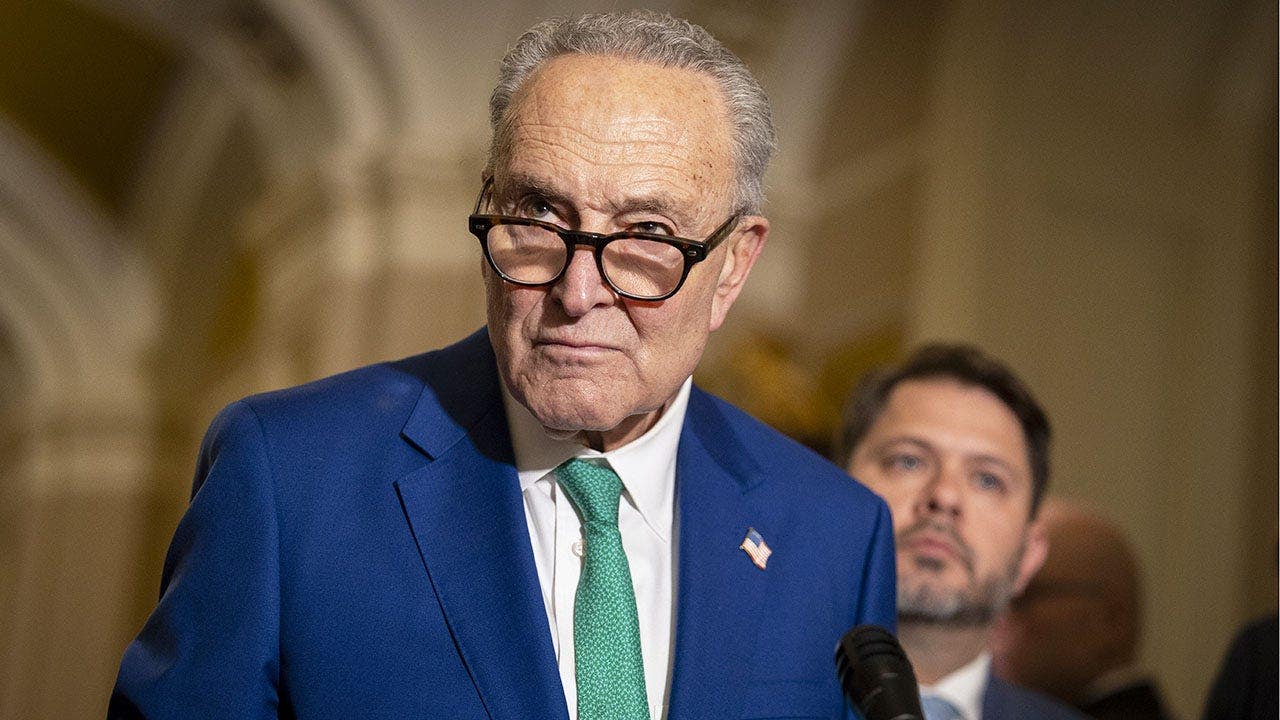
Schumer has largely maintained a posture of diplomatic calm, attempting to project unity while the ground shifts beneath him. When confronted with the prospect of a challenge from Van Hollen, Schumer emphasized the personal and professional ties that bind the caucus together. "Chris Van Hollen and I are friends," Schumer remarked at a press conference. "We talk frequently, and we’re united—united in lowering costs and united in ending this damn war."
His allies, most notably Sen. John Fetterman, D-Pa., have taken a more aggressive stance in defending the status quo. Fetterman dismissed the threat from Van Hollen, questioning his record and character by highlighting past controversies. This sharp rhetoric suggests that the battle for leadership may turn into a test of loyalty and ideological purity that could leave lasting scars on the caucus.
The Role of Outside Groups
The pressure on Schumer is also being exerted from the outside. Organizations such as Indivisible have launched formal campaigns like "Tell Democrats: NO Schumer Coronation," utilizing social media and direct-action tactics to reach the offices of newly elected senators. The visibility of these efforts is notable; protesters have been seen outside Schumer’s office with chants demanding his departure, while sticky-note displays of support for Van Hollen have appeared in the halls of the Senate office buildings.
Implications for the New Congress
The potential for a leadership contest—or even the mere threat of one—has profound implications for the incoming legislative session. A weakened leader, even if he prevails, may find it more difficult to whip votes on critical legislation. If Schumer is forced to negotiate with his own flank to maintain his position, the party’s legislative agenda could shift significantly to the left on issues such as campaign finance reform, healthcare, and foreign policy.

Furthermore, the focus on "democracy in the Senate" suggests a broader movement to alter the internal rules of the chamber. Younger, more progressive senators are increasingly frustrated with the seniority-based power structures that have historically governed the upper house. Whether this movement succeeds in toppling a veteran like Schumer remains to be seen, but the debate has already fundamentally changed the conversation about how the Democratic caucus will function in the next two years.
Analysis: A Shift in Power Dynamics
The current revolt represents more than just a clash of personalities; it is a manifestation of a deeper generational and ideological divide. Schumer, who has served as a fixture of Democratic leadership for decades, represents an era of politics characterized by institutional hierarchy and centralized fundraising. The challengers, bolstered by the 2026 results, represent a decentralized, grassroots-focused ideology that views the party’s institutional gatekeepers as a hindrance to progress.
Should Van Hollen or another challenger mount a serious bid, it would force every member of the caucus to choose sides between the established, effective machine that just delivered a massive victory and a new wave of members who promise a more inclusive, albeit more radical, approach to governance.
As the Senate prepares for its next session, the focus will remain on the math of the caucus. With a narrow majority, even a small group of defectors holds significant leverage. For Chuck Schumer, the coming weeks will require a delicate balance of diplomacy, concession, and perhaps a fundamental reevaluation of his leadership style if he hopes to maintain his grip on a party that is rapidly changing its own definition of success.
The situation remains fluid. While Senator-elect Abdul El-Sayed noted that "time will tell" how the leadership election shakes out, the existence of such open dissent in a winning party is a rare phenomenon in Washington. It serves as a stark reminder that in the modern political era, electoral victory is often followed by immediate internal conflict over the direction and control of the institution itself. As the deadline for leadership votes approaches, the Democratic Party faces a defining moment: whether to consolidate around its traditional hierarchy or to embrace the turbulent, grassroots energy that carried it to the majority.

