
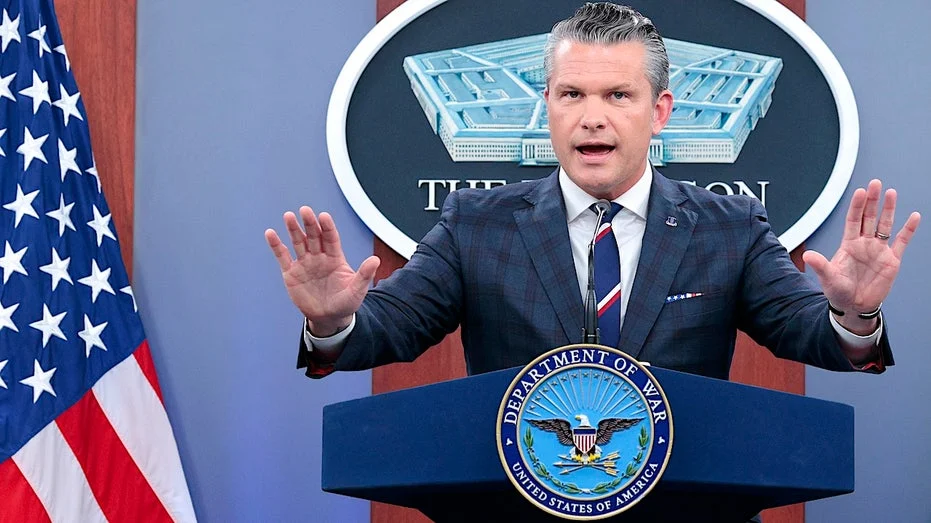
The United States House of Representatives moved to neutralize a high-stakes political challenge on Tuesday evening, as GOP leadership successfully diverted a resolution aimed at impeaching Secretary of War Pete Hegseth. The vote, which centered on a motion to refer Representative Thomas Massie’s (R-Ky.) impeachment articles to the House Judiciary Committee, effectively ended the immediate legislative threat to the cabinet official’s tenure. The measure passed with a 211-204 margin, signaling a consolidation of Republican support despite internal friction and concerns regarding member attendance following the recent midterm elections.
The Mechanics of the Impeachment Attempt
The resolution filed by Rep. Massie was a comprehensive, eight-count indictment of Secretary Hegseth’s performance, ranging from alleged constitutional overreach in military engagements to specific administrative retaliation against political opponents. Massie utilized a procedural tool known as a "privileged resolution," which mandates that the House consider the matter within two legislative days of its filing. This mechanism is designed to bypass the traditional committee process and force a floor vote, compelling leadership to address the issue regardless of their legislative agenda.
The articles of impeachment cited by Massie included:
- The initiation of military strikes in Iran without explicit Congressional authorization.
- The deployment of naval assets for operations against suspected drug vessels in the Caribbean, which Massie characterized as a misuse of military power.
- Retaliatory actions directed toward Senator Mark Kelly (D-Ariz.) following the Senator’s public commentary on the issuance of "unlawful orders" to military personnel.
Chronology of the Confrontation
The tension reached a boiling point earlier this week as the House Republican conference faced the dual pressures of a post-midterm legislative schedule and the looming threat of the privileged motion.
- Monday, November 9, 2026: Representative Thomas Massie formally introduces eight articles of impeachment against Secretary of War Pete Hegseth, citing constitutional concerns.
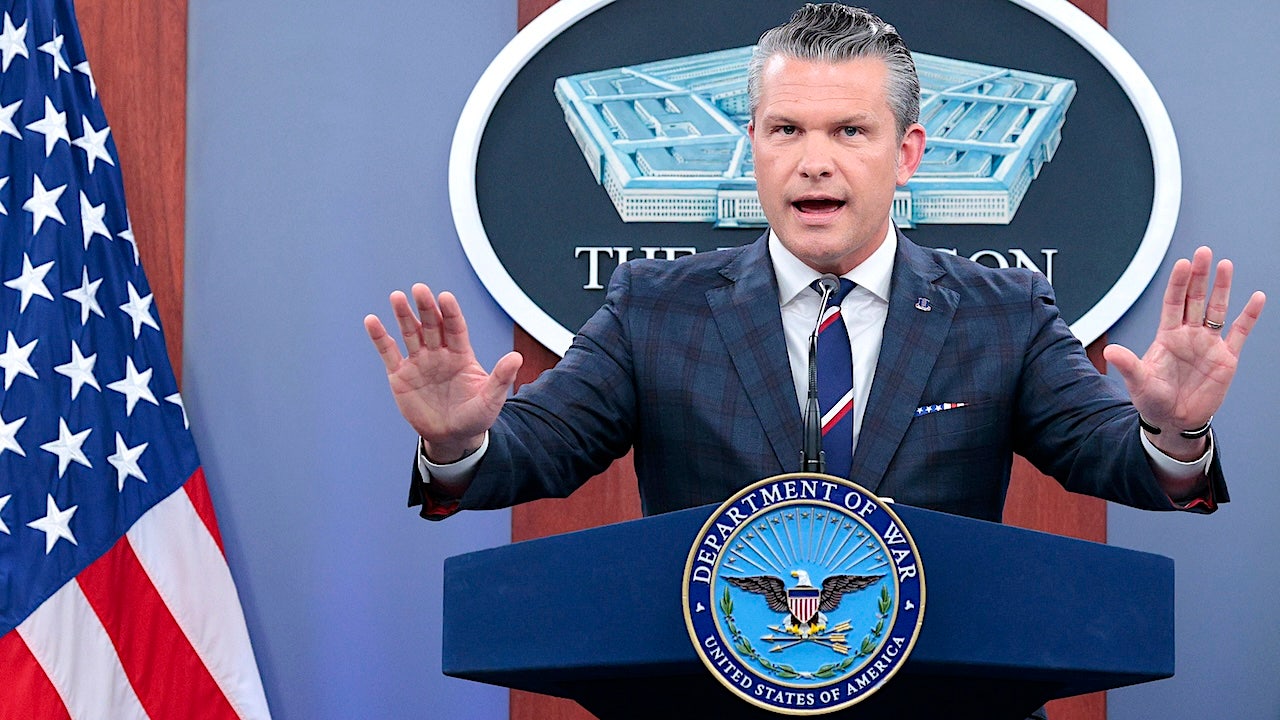
- Tuesday, November 10, 2026 (Morning): Secretary Hegseth holds a press conference at the Pentagon, forcefully rejecting the allegations. He characterizes the effort as a "political spectacle" driven by personal animosity rather than legitimate oversight.
- Tuesday, November 10, 2026 (Evening): The House of Representatives votes 211-204 to refer the resolution to the House Judiciary Committee, a parliamentary maneuver that effectively shelves the impeachment effort indefinitely.
Political Landscape and Internal GOP Dynamics
The decision to block the impeachment vote was viewed by analysts as a final legislative victory for Speaker Mike Johnson (R-La.) before his transition out of leadership. The GOP leadership had been particularly sensitive to the risk of "absenteeism" following the November midterms, where thin margins and travel logistics threatened to leave the party vulnerable to a Democratic-led coalition if enough Republicans were absent.
Despite the outcome, the effort highlighted a growing ideological rift within the Republican caucus. While the vast majority of the party voted to kill the resolution, the floor debate underscored that criticism of Secretary Hegseth is not limited to the political opposition.
Rep. Don Bacon (R-Neb.), a known critic of the Secretary’s management style, noted that while he holds personal reservations about Hegseth’s leadership of the Department of War, he could not support the impeachment articles. "I’m personally not a fan of the secretary," Bacon stated. "I don’t think he was the right guy in the job. But, also, when you read Massie’s impeachment, I don’t agree with it."

Constitutional Arguments and Policy Disputes
The core of the conflict rests on the interpretation of the War Powers Clause and the degree to which a Cabinet Secretary can be held accountable for policies enacted under the President’s direction. Rep. Warren Davidson (R-Ohio) offered a nuanced critique during the proceedings, arguing that the impeachment effort risked misplacing blame.
"I think it’s an effort to scapegoat Pete Hegseth for Congress shirking their own duty," Davidson argued. "The president takes action that, in my view, is unconstitutional, but it’s also not unprecedented." Davidson’s remarks touched upon a recurring historical debate regarding the standard operating procedures of the Executive Branch since the Korean War, emphasizing that modern military policy has frequently pushed the boundaries of legislative approval.
Secretary Hegseth’s defense team and political allies have consistently framed the impeachment as a "policy dispute." They argue that the constitutional threshold for "high crimes and misdemeanors"—the standard required for the removal of a federal officer—has not been met by the actions cited in Massie’s resolution.
Broader Implications for the Executive Branch
The failure of the impeachment bid provides a temporary reprieve for the administration but highlights the precarious nature of the Secretary’s relationship with the legislative branch. By referring the matter to the Judiciary Committee, the House has successfully avoided a direct "up or down" vote on the floor, which would have forced every member to go on the record regarding the Secretary’s removal.

The long-term implications of this event include:
- Standardization of Oversight: The use of privileged resolutions to target cabinet secretaries may become a more frequent tool for dissident members of Congress, potentially complicating future confirmation and oversight processes.
- Executive-Legislative Friction: The debate over Iran and the authority of the Secretary of War reflects a broader ongoing struggle between the branches of government regarding the interpretation of the Constitution in the context of 21st-century warfare.
- Party Unity: The vote demonstrated that while the GOP is willing to support the administration against formal impeachment attempts, the internal consensus regarding leadership performance remains fractured.
Analysis of the "High Crimes" Threshold
Legal scholars observing the situation note that the threshold for impeachment is intentionally high to prevent the weaponization of the process for policy disagreements. Historical precedents suggest that for an impeachment to succeed, there must be evidence of corruption, bribery, or clear criminal intent.
In this instance, the allegations brought by Rep. Massie fall largely within the realm of policy implementation. While the "unlawful orders" dispute and the unauthorized military strikes involve constitutional questions, they are rarely adjudicated through the impeachment of a cabinet official. Instead, these issues are typically addressed through budget appropriations, hearings, and formal legislative inquiries.
Conclusion
The House of Representatives’ decision on Tuesday night preserves the status quo for the Pentagon but does little to quell the underlying tensions within the Republican party regarding the administration’s military strategy. As the dust settles on this legislative maneuver, the focus is expected to shift back to the committee level, where the House Judiciary Committee will decide how to handle the referred resolution—or, more likely, let it expire at the end of the current session. For now, Secretary Hegseth retains his position, having navigated the most significant challenge to his office since his appointment. The event stands as a testament to the volatility of the current political environment and the ongoing struggle to define the boundaries of constitutional authority in a modern military state.

