
The Verdict and Judicial Context
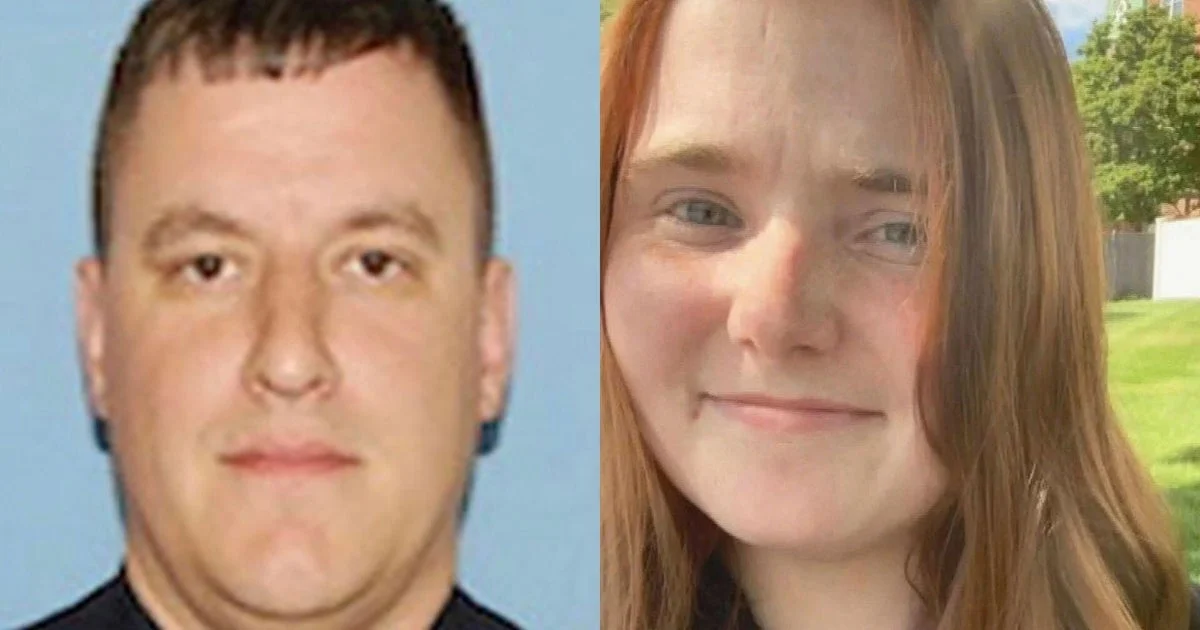
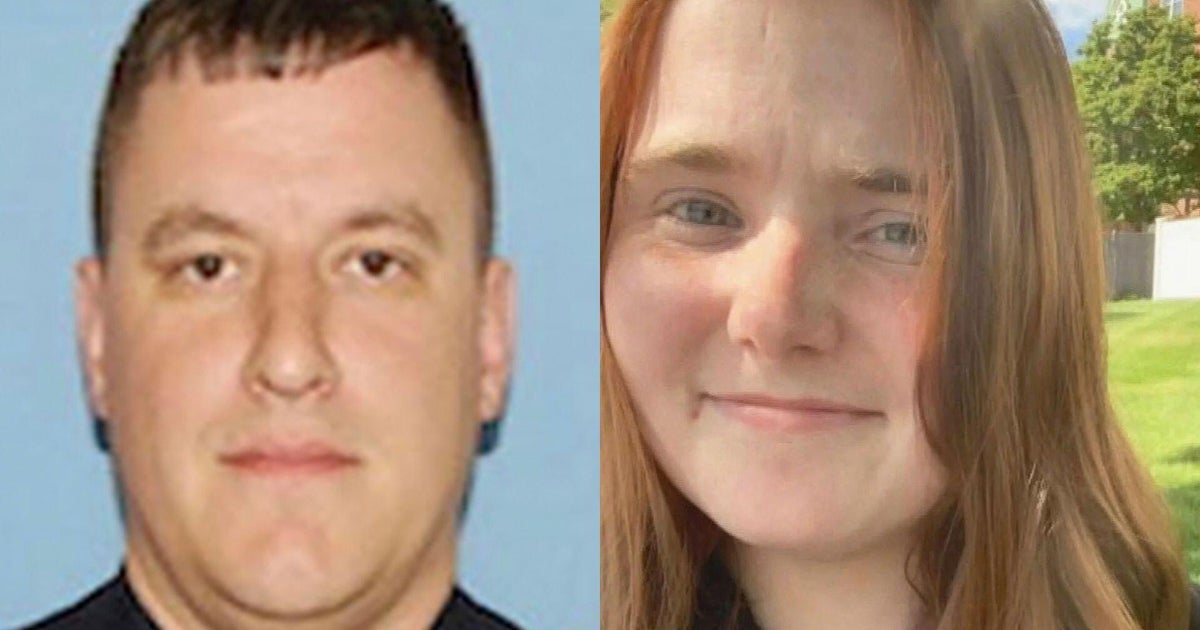
The atmosphere inside the federal courtroom was heavy with anticipation as the jury returned its verdict. For the family of Sandra Birchmore, the announcement served as a definitive vindication after years of navigating a complex web of skepticism, bureaucratic hurdles, and conflicting investigations. U.S. Attorney for Massachusetts Leah Foley characterized Farwell’s actions as "absolutely diabolical behavior," noting that the evidence presented throughout the four-week trial was both clear and overwhelming.
To secure a conviction under federal statute, prosecutors were required to prove beyond a reasonable doubt not only that Farwell was responsible for Birchmore’s death but that his primary motive was to prevent her from reporting his past criminal misconduct to federal authorities. The trial featured testimony from 50 witnesses, meticulously reconstructing a relationship that began when Birchmore was a vulnerable 13-year-old cadet in the Stoughton Police Department’s youth explorers program—a relationship prosecutors alleged turned sexual when she was just 15.
A Chronology of the Case
The timeline of the tragedy spans nearly a decade, beginning with the initial grooming and ending with a hard-won legal victory in federal court.
- 2016–2017: Matthew Farwell, then a Stoughton police officer, initiates a sexual relationship with Sandra Birchmore, who was a minor involved in the police cadet program.
- February 4, 2021: Sandra Birchmore is found dead in her Canton, Massachusetts, apartment. Her death is initially classified as a suicide by local authorities, with a strap discovered around her neck.
- 2021–2022: Birchmore’s family and advocates raise significant concerns regarding the suicide ruling, citing inconsistencies in the evidence and the nature of her relationship with Farwell.
- 2023: Following sustained public pressure and investigative scrutiny, the Office of the Chief Medical Examiner revises the official manner of death to "undetermined."
- 2024: Federal prosecutors arrest Matthew Farwell, charging him with the murder of Birchmore and her unborn child.
- November 2026: After a month-long federal trial, the jury returns a guilty verdict, rejecting the defense’s argument that Birchmore had taken her own life.
The Defense and Prosecution Strategies
The trial became a battle over the interpretation of forensic evidence and psychological history. The prosecution argued that Farwell, realizing he was the father of Birchmore’s unborn child and facing the potential ruin of his career and personal life, strangled her before staging the scene to resemble a suicide. This theory was bolstered by digital evidence and testimony detailing the coercive nature of their long-term entanglement.
Conversely, the defense attempted to paint a picture of a woman struggling with profound mental health challenges. They argued that Birchmore’s death was an act of despair after Farwell reportedly distanced himself and denied paternity of her child. The defense sought to cast doubt on the prosecution’s timeline and the forensic findings, but the jury ultimately found the government’s narrative of premeditated murder to be the more compelling account of the facts.
Institutional Responses and Public Accountability
The fallout from the trial has forced the Stoughton Police Department and the Norfolk District Attorney’s Office to confront difficult questions regarding oversight and the handling of the initial investigation.
Norfolk District Attorney Michael Morrissey issued a formal statement following the verdict, addressing the intense criticism his office received for its initial decision not to pursue state charges. "The Norfolk District Attorney’s Office recognizes the criticism it has received for its handling of this case," the statement read. "However, its ability to prosecute was constrained by the finding of the Office of the Chief Medical Examiner that the manner of death was suicide." The office maintained that it worked in cooperation with federal authorities, providing funding and investigative transparency, including the public release of its case file starting in October 2022.
The Stoughton Police Department, however, took a more direct stance on the betrayal of public trust. Acting Chief James O’Connor condemned Farwell’s conduct, stating, "What happened to Sandra is a profound betrayal of the trust every police officer is sworn to uphold. Matthew Farwell used his position to harm someone the community had put in the care of this department."
Perhaps the most poignant reaction came from Stoughton Police Chief Donna McNamara, who is currently on leave for unrelated reasons. In her statement, she framed the verdict not as a closure of the police narrative, but as a moral victory for the victim. "Today, a federal jury has confirmed what became apparent to me some time ago: that Sandra was murdered and that her murderer was a police officer who took advantage of her trust," McNamara said. She emphasized that the case serves as a warning about the necessity of speaking up, noting that while the verdict provides answers, there remain "more questions unanswered than are answered" regarding the culture that allowed such an abuse of power to persist.
Broader Implications and Societal Impact
The conviction of Matthew Farwell carries significant implications for how law enforcement agencies manage youth outreach programs and internal conduct. The case has sparked a wider conversation about the vulnerability of young people in police-affiliated programs and the potential for predatory behavior to be shielded by the "blue wall of silence."
From a legal perspective, the trial demonstrates the efficacy of federal intervention when local authorities are perceived as having failed to adequately investigate a suspicious death. The fact that the medical examiner changed the manner of death from "suicide" to "undetermined" served as a pivotal turning point, allowing for the subsequent federal indictment.
As the legal proceedings draw to a close, the focus now shifts to the sentencing in February 2027. For the family of Sandra Birchmore, the verdict provides a long-awaited measure of peace. Barbara Wright, Birchmore’s cousin, captured the sentiment of many supporters outside the courthouse: "We’ve been fighting long and hard for her. She deserves it. She’s waited a long time."
The case of Sandra Birchmore will likely remain a landmark example of the intersection between systemic police misconduct and the failure of initial investigative processes. It underscores the critical importance of independent oversight and the persistent advocacy required to bring hidden injustices to light. As the community moves forward, the memory of Birchmore and her unborn child serves as a reminder of the gravity of the oath sworn by those who wear the badge and the devastating consequences when that oath is violated.

