
The United States aviation network is reeling from a catastrophic systemic failure that grounded thousands of flights nationwide, exposing critical vulnerabilities in the country’s aging air traffic infrastructure. The four-hour ground stop, which occurred this past Friday, has spiraled into a persistent logistical crisis, with airline crews and aircraft displaced across the country, resulting in over 1,900 cancellations as of Sunday morning. The incident has reignited a fierce debate in Washington regarding the modernization of federal transportation systems, the prioritization of congressional funding, and the long-term integrity of U.S. national security in the face of rising technological competition with China.
Anatomy of the Infrastructure Collapse
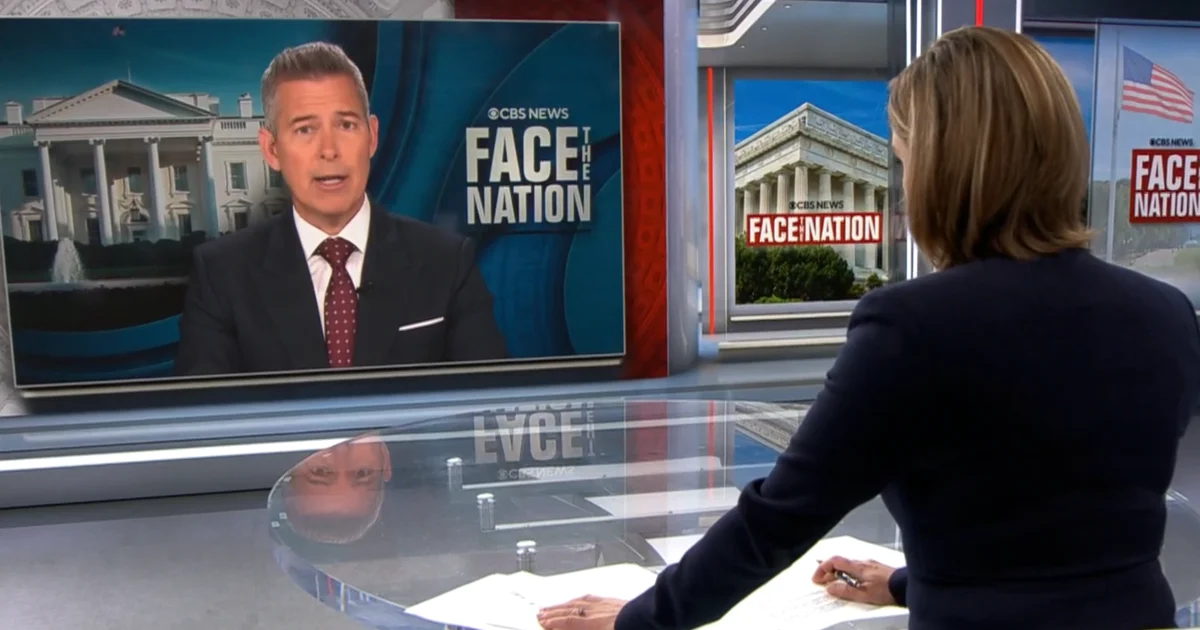
The Federal Aviation Administration (FAA) has traced the root cause of Friday’s disruption to a series of technical failures occurring during routine maintenance. Transportation Secretary Sean Duffy confirmed that the primary triggers were updates to contractor-owned and maintained routers in El Dorado, Arkansas, and Amarillo, Texas. These facilities were undergoing transitions from legacy copper-wire telecommunications—some of which date back to the 1980s—to modern fiber-optic networks.
According to Secretary Duffy, the installation process at the El Dorado site caused an unexpected "flooding" of the network, which effectively crippled communication between ground control and aircraft. While the Amarillo facility had undergone similar maintenance weeks prior without incident, the simultaneous issues on Friday created a domino effect. The FAA, in conjunction with the FBI and the network provider, L3Harris, is currently conducting a forensic audit to determine why the system failed to handle the data transition on this occasion, noting that such updates have been performed thousands of times previously without compromising flight safety.
The Debate Over Funding and Modernization
In the wake of the meltdown, Secretary Duffy has made a direct appeal to Congress for a $50 billion appropriation to overhaul the nation’s air traffic control infrastructure. The Secretary argues that the current system is operating on "ancient architecture" that is increasingly incapable of meeting modern demands.
However, the request faces significant skepticism on Capitol Hill. Critics, including Representative Jim Himes (D-CT), point out that the federal government has already allocated substantial funding for these purposes—including $12.5 billion in recent legislation—that has yet to be fully obligated or spent. Representative Himes argued that the current crisis is not a matter of available capital, but rather a failure of prioritization and management. Furthermore, Himes attributed some of the technical staffing gaps to recent administrative shifts that saw 1,300 FAA employees retire or resign, noting that the loss of institutional knowledge has hampered the agency’s ability to manage complex technological transitions.
The Nvidia Scandal and Geopolitical Consequences
As domestic transit issues occupy the Department of Transportation, the White House is grappling with a widening intelligence scandal involving the chipmaker Nvidia and its relationship with Chinese interests. At the center of the controversy is Alice Huang, the former CEO of Megaspeed, a Singapore-based firm that U.S. intelligence agencies are scrutinizing for potential ties to the Chinese Ministry of State Security.
Intelligence briefings shared with the "Gang of Eight" suggest that Megaspeed may have served as a conduit for circumventing U.S. export controls on high-end artificial intelligence chips. Representative John Moolenaar, chair of the House Select Committee on the Chinese Communist Party, has characterized the situation as a severe compromise of national security. Moolenaar contends that Jensen Huang, the ousted CEO of Nvidia, exhibited "irresponsible" judgment by maintaining close ties with individuals potentially subject to the pressure of the Chinese intelligence apparatus.
The controversy has placed immense pressure on Commerce Secretary Howard Lutnick. Reports suggest that multiple federal agencies, including the Treasury and State Departments, advocated for blacklisting Megaspeed due to the high probability of illicit technology transfers. The failure of the Commerce Department to include Megaspeed on the Entity List has drawn sharp criticism from both sides of the aisle, with lawmakers questioning whether corporate influence or political considerations interfered with national security protocols.
Measles Resurgence and Public Health Oversight
The intersection of administrative policy and public health has also come under scrutiny as the United States officially loses its measles elimination status. The Centers for Disease Control and Prevention (CDC) reports a steady climb in cases, a trend exacerbated by declining vaccination rates among children.
Senator Bill Cassidy (R-LA), ranking member of the Senate Health, Education, Labor, and Pensions Committee, has expressed deep concern regarding the current trajectory of the Department of Health and Human Services (HHS). Senator Cassidy, who previously supported HHS Secretary Robert F. Kennedy Jr., noted that the secretary’s tenure has been marked by a lack of progress on critical health initiatives, such as the regulation of ultra-processed foods, and a failure to effectively communicate the risks associated with vaccine hesitancy. Cassidy emphasized that the resurgence of preventable diseases is a stain on the administration’s legacy and urged a shift toward more evidence-based public health management.
Chronology of Recent Federal Developments
- Late 2025: Nvidia and AMD enter into agreements with the U.S. government to share a portion of revenue from chip sales to China, as part of a negotiated regulatory framework.
- July 2026: A CBS News analysis reveals that over 50% of ICE arrests involve individuals without criminal convictions, highlighting the intensity of current immigration enforcement.
- November 2026 (Friday): A nationwide air traffic ground stop is initiated after router malfunctions in Arkansas and Texas crash FAA communication systems.
- November 2026 (Weekend): The fallout from the aviation crisis continues as President Trump calls for increased funding for FAA modernization, while lawmakers demand oversight hearings on the maintenance failures.
- Upcoming (December 1, 2026): Jensen Huang is expected to appear for a closed-door interview with a bipartisan coalition of House committees to address his company’s export practices and the Megaspeed allegations.
Broader Implications and Outlook
The convergence of these events—an aging aviation infrastructure, an intelligence failure regarding critical AI technology, and a public health crisis—reflects a period of profound institutional strain.
For the aviation sector, the path forward requires not only the injection of capital but a rigorous overhaul of the management of outsourced maintenance contracts. The FAA’s reliance on third-party providers like L3Harris will likely face heightened congressional oversight to ensure that risk assessments are conducted with greater transparency and caution.
Regarding the Nvidia situation, the upcoming testimony from industry leadership will be pivotal. If the investigation confirms that U.S. national security was compromised for commercial gain, it could lead to a permanent tightening of export controls and a reevaluation of how the federal government interacts with corporations that are deeply integrated into the global supply chain.
Finally, the political friction surrounding cabinet confirmations and agency performance suggests that the final weeks of the current legislative session will be defined by intense partisan conflict. With limited working days remaining before the end of the year, Congress faces the challenge of addressing long-term solvency issues for programs like Social Security while simultaneously managing the immediate fallout from the current administrative and technical crises. The ability of the government to restore public confidence in these core areas will depend on its capacity to prioritize long-term stability over short-term political maneuvering.

