
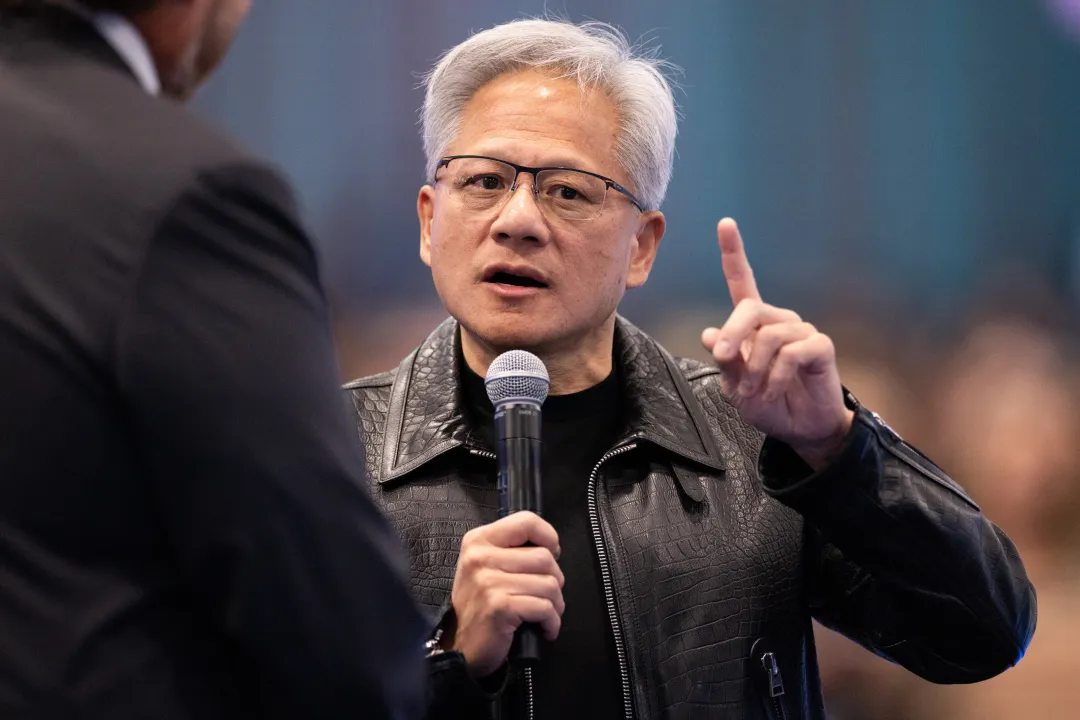
The sudden resignation of Jensen Huang as CEO of Nvidia marks a watershed moment for the global technology industry, effectively terminating the tenure of one of the most influential figures in Silicon Valley history. Huang’s departure, triggered by a series of scandals involving personal relationships and alleged lapses in national security oversight, has left the world’s most valuable chipmaker in a state of leadership flux. With Nvidia serving as the primary engine for the global artificial intelligence economy, the implications of this leadership void extend far beyond the company’s corporate headquarters, threatening to reshape investment strategies, export policies, and the broader trajectory of AI development.
A Chronology of Collapse
The downfall of Jensen Huang was characterized by a rapid acceleration of scrutiny that moved from private intelligence concerns to public scandal in a matter of days. While the foundation of the investigation was rooted in long-standing concerns regarding his personal life, the breaking point for the company’s board of directors appears to have been the confluence of national security risks and legal interference.
The timeline of events began to coalesce in early November 2026. On November 8, reports surfaced that the Nvidia board of directors had initiated a formal investigation into Huang’s professional conduct. At the heart of the inquiry was a relationship between Huang and an executive at Megaspeed, a company currently under investigation by the U.S. Department of Commerce for alleged illegal chip smuggling and ties to foreign intelligence services.
By November 9, the situation intensified following a Bloomberg report alleging that Nvidia’s internal legal counsel had directly intervened in the Department of Commerce’s probe into the Megaspeed executive, Alice Huang. This revelation transformed the narrative from a personal scandal into a potential conflict of interest involving federal authorities. Following this report, additional allegations regarding a separate affair with an internal Nvidia executive surfaced, eroding the remaining confidence of the board. By Thursday, November 12, Jensen Huang officially resigned, handing the reins to longtime CFO Collette Kress in an interim capacity.
The Strategic Importance of Nvidia
To understand the severity of this transition, one must recognize Nvidia’s overwhelming dominance in the semiconductor sector. Currently, Nvidia controls an estimated 80% of the market for high-performance AI GPUs. The company is not merely a hardware supplier; it acts as the primary venture capital and infrastructure engine for the modern AI ecosystem.
Nvidia’s "Bank of Nvidia" strategy has seen the company pour massive capital into the industry. Recent financial disclosures indicate:
- $99 billion in active AI-focused investments.
- $25 billion in pending capital commitments.
- $36 billion in dedicated cloud service infrastructure commitments.
These investments have effectively tethered the growth of industry giants like OpenAI, Anthropic, CoreWeave, and Nebius to Nvidia’s stability. Any shift in the company’s executive leadership or corporate governance creates a ripple effect that could potentially freeze or redirect billions of dollars in funding, impacting the speed at which these companies can train and deploy next-generation models.
National Security and Export Policy
The core of the legal and ethical crisis surrounding Huang’s tenure involved his vocal advocacy for the liberalization of chip exports to China. For years, Huang had campaigned for fewer restrictions, arguing that the global AI market requires access to advanced compute power to remain competitive. However, government officials and intelligence analysts have long viewed these exports through the lens of national security, fearing that the proliferation of advanced Nvidia hardware accelerates the development of military-grade AI capabilities by foreign adversaries.
The intersection of Huang’s personal relationships with individuals linked to Chinese intelligence and his professional lobbying efforts created a vulnerability that the U.S. government could no longer overlook. Reports indicate that federal authorities had been monitoring these associations for nearly a year, yet the political environment—characterized by a previous administration that was notably lenient on corporate interests—allowed these concerns to simmer until they reached a boiling point. The recent shift in the political and legal landscape forced the Nvidia board to prioritize regulatory compliance and national security interests over the retention of their iconic leader.
The Transition to Interim Leadership
The appointment of Collette Kress as interim CEO signals a pivot toward fiscal discipline and internal stabilization. Kress, a seasoned veteran of the board, is widely viewed as a "caretaker" executive. Her tenure will likely be defined by a shift in focus from the aggressive, visionary expansionism championed by Huang to a more defensive posture aimed at insulating the company from further regulatory investigations and legal liabilities.
Market analysts suggest that the search for a permanent successor will be difficult, as few individuals possess the technical acumen and industry gravity required to lead a company that has become synonymous with the current technological era. The absence of a pre-existing succession plan suggests that the board was caught unprepared, leaving the company vulnerable to volatility during what is arguably the most critical period in the history of artificial intelligence.
Broader Industry Implications
The immediate aftermath of the resignation has been marked by mixed reactions. While a contingent of industry leaders and tech executives has signed petitions calling for Huang’s reinstatement—citing his singular ability to navigate the complexities of the AI hardware market—the institutional consensus leans toward a necessary change.
The long-term implications are twofold. First, Nvidia will likely face a period of "circling the wagons." This defensive strategy will likely lead to more conservative investment practices, potentially slowing the pace of the AI circular economy. Projects that relied on "no-questions-asked" funding from Nvidia may find themselves under higher scrutiny as the company seeks to distance itself from the controversies of the previous administration.
Second, the scandal has set a new precedent for executive accountability in the tech sector. The notion that "billionaires can do whatever they want" has been challenged, albeit at the cost of significant market turmoil. This event serves as a warning to other tech conglomerates that, regardless of market share or economic importance, the intersection of private conduct and national security is a boundary that even the most powerful CEOs cannot cross without consequence.
As Nvidia enters this new chapter, the focus of the board and the incoming leadership will be on restoring trust with regulators and maintaining the company’s technical lead in an increasingly competitive environment. Whether the "Bank of Nvidia" continues to act as the central pillar of the AI boom or begins to retract its footprint will depend on how quickly Kress and the board can stabilize the organization and address the systemic risks that led to the collapse of the Huang era. For now, the industry remains in a state of cautious observation, waiting to see if the engine of the AI revolution can continue to run without its primary architect.

