
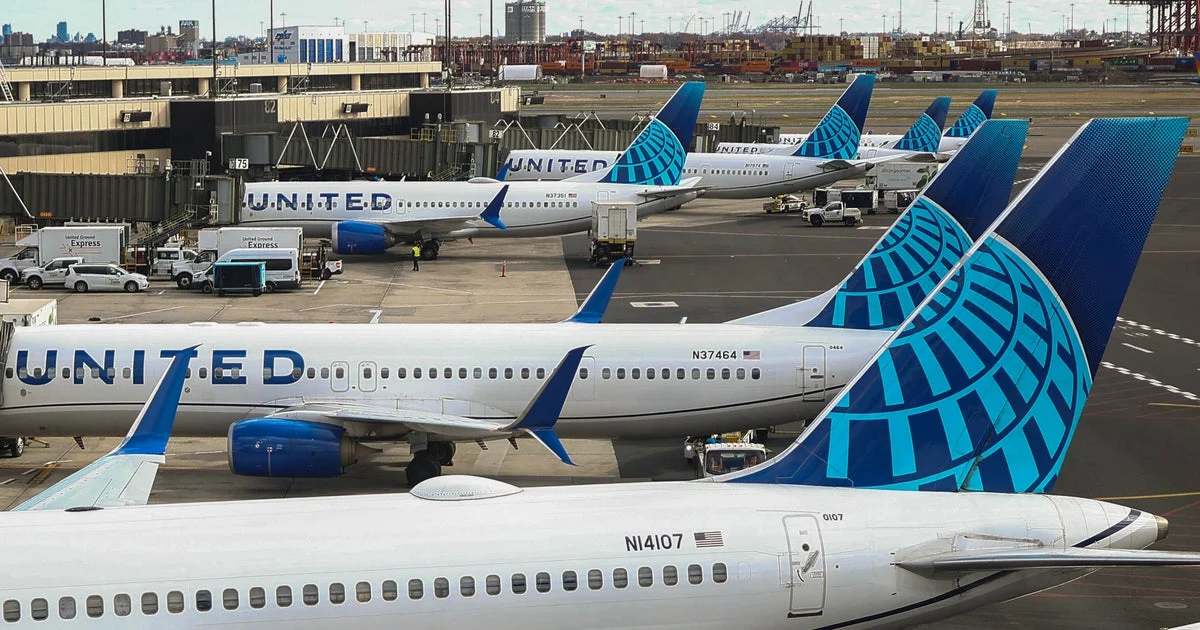
The aviation sector faced yet another period of significant operational friction this Monday as United Airlines experienced a widespread system outage that halted departing flights across its domestic network. The disruption, which occurred in the late afternoon, left thousands of passengers stranded at gates and forced the airline to grapple with a critical technical failure just days after the Federal Aviation Administration (FAA) navigated its own catastrophic network collapse. While the airline confirmed that the issue was resolved by Monday evening, the incident has renewed scrutiny regarding the fragility of the digital infrastructure underpinning modern air travel.
The Chronology of the Disruption
The trouble began early Monday afternoon when United Airlines ground operations encountered a critical roadblock in its departure sequence. According to internal communications obtained from the union representing United Airlines pilots, the root cause of the standstill was a failure in the carrier’s weight and balance calculation system. This software is a mandatory component of flight safety, as it ensures that the distribution of passengers, cargo, and fuel is optimized for the specific aerodynamics of each aircraft. Without these final calculations, federal safety regulations prohibit planes from pushing back from the gate.
"The company cannot provide outbound flights with final weights," the union stated in a memo to its members, effectively signaling a total freeze on departures. As the clock ticked into the late afternoon, the situation intensified, with flight tracking platform FlightAware reporting that United Airlines had accumulated 418 delayed flights. By 6:24 PM EST, the airline issued a formal update declaring the technology issue resolved. United clarified that while the delay was widespread for departing flights, the outage did not compromise flights currently in the air, nor did it impact the regional operations of United Express, which utilize different internal software architectures.
Contextualizing the Technical Meltdown
This week has proven to be an outlier in terms of digital reliability for critical American infrastructure. The United Airlines incident unfolded less than 24 hours after the FAA announced that national aviation schedules were finally stabilizing following a historic and total ground stop on the previous Friday. That earlier event, which triggered a domino effect of delays and cancellations that spanned the entire country, was traced back to a faulty router installation that overwhelmed the aging air traffic control network.
The timing of these back-to-back failures has sparked a conversation among industry analysts regarding the "tech debt" currently carried by major airlines and federal agencies. Many of these entities rely on legacy software systems—some of which have been patched and upgraded over several decades—rather than fully integrated, modern cloud-native infrastructures. When these systems fail, the lack of modern redundancy often forces manual overrides or total system shutdowns, as was the case with the United weight and balance software on Monday.
Broader Patterns in Systemic Outages
Monday’s disruption was not limited to the airline industry. Earlier in the day, a separate technical glitch impacted several major U.S. financial institutions, including JPMorgan Chase, Bank of America, and Wells Fargo. Thousands of customers reported an inability to access their online banking accounts, sparking temporary panic and further highlighting the interconnected nature of digital services.
Furthermore, the previous Thursday saw Microsoft suffer a major disruption to its Outlook email services, affecting millions of professional users globally. While these incidents may appear disparate, cybersecurity and infrastructure experts argue that they reflect a growing systemic vulnerability. Whether caused by software bugs, hardware failure, or human error, the increasing reliance on centralized, complex digital systems means that a single point of failure can have cascading effects on the daily operations of the American economy.
Official Stance and Cybersecurity Considerations
In the immediate aftermath of the United Airlines outage, a spokesperson for the Chicago-based carrier moved quickly to distance the event from malicious activity. The airline stated that there was no indication the outage was related to a cybersecurity breach or a coordinated external attack. This is a vital distinction, as a cyberattack on a major air carrier would trigger a significantly different federal response, involving the Department of Homeland Security and the Cybersecurity and Infrastructure Security Agency (CISA).
By attributing the failure to a internal "technology issue," the airline shifted the focus from security to operational reliability. However, the lack of specific details regarding how the software failure occurred leaves questions about whether this was a routine update gone wrong or a fundamental degradation of the airline’s IT systems. As of Monday night, United Airlines had not provided a granular technical explanation of how the weight and balance system malfunctioned, nor did they disclose how they intend to prevent a recurrence of the incident.
The Economic and Operational Implications
The financial and logistical impact of such an outage is substantial. Beyond the cost of fuel, crew repositioning, and passenger compensation—such as hotel vouchers and meal stipends—these incidents erode consumer confidence in the reliability of the domestic aviation market. For the average traveler, the frustration is compounded by the fact that they have now witnessed two separate major aviation-related tech failures in the span of less than 96 hours.
Industry analysts suggest that airlines are under immense pressure to modernize their back-end systems. "When you have a weight and balance system that is central to every single departure, it is effectively a single point of failure," said a consultant specializing in airline operations. "Modernizing these systems is not just about efficiency; it is about building in the kind of redundancy that allows for a graceful degradation of services rather than a hard stop."
Looking Ahead
As the travel industry moves forward from this latest series of disruptions, the focus will likely shift to regulatory oversight. Congress has frequently pressured the FAA to modernize its air traffic control technology, and recent events provide additional leverage for proponents of increased funding for digital infrastructure.
For United Airlines, the challenge will be to conduct a comprehensive "root cause analysis" and share those findings with the FAA and the public to restore trust. The airline, which maintains a massive global footprint, must ensure that its digital backbone is as robust as the aircraft it operates. As the aviation sector continues to recover from the post-pandemic surge in travel demand, the demand for high-availability systems has never been higher. For now, the thousands of passengers affected on Monday are left to navigate the aftermath of the delays, while the broader aviation industry remains on high alert, waiting to see if these cascading failures represent a new, unstable norm in the digital age.
The report, which was compiled with contributions from Kathryn Krupnik and Kris Van Cleave, confirms that the situation is now under control, though travelers are still advised to check their flight status ahead of time as the airline works to return to its full, normal operational schedule.

