
Found Guilty of Murdering Pregnant Woman He Groomed Since Teenager
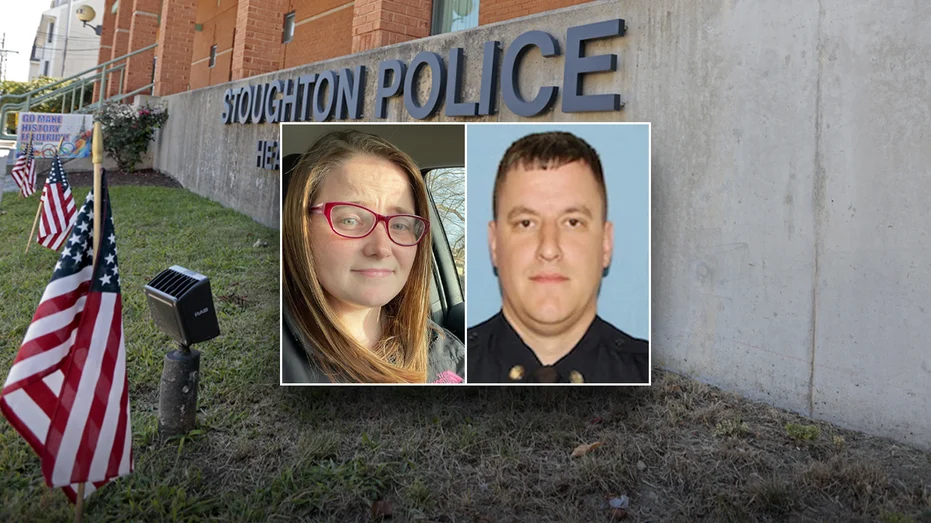
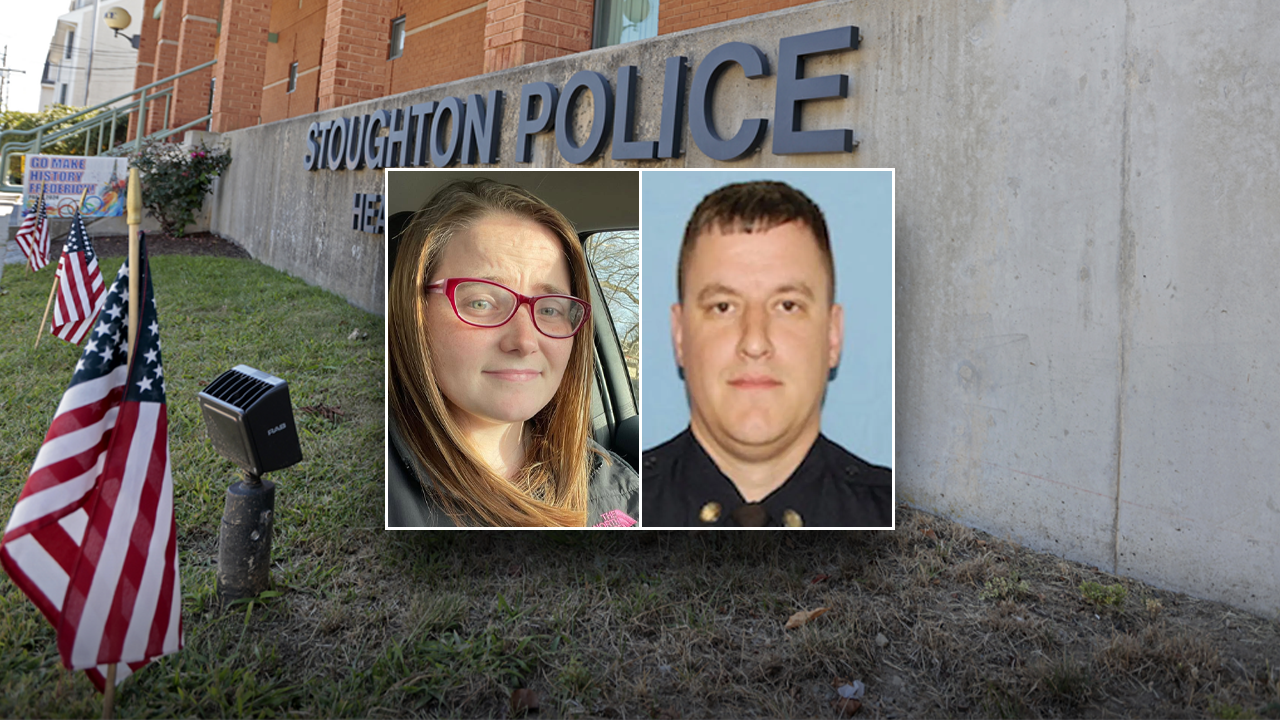
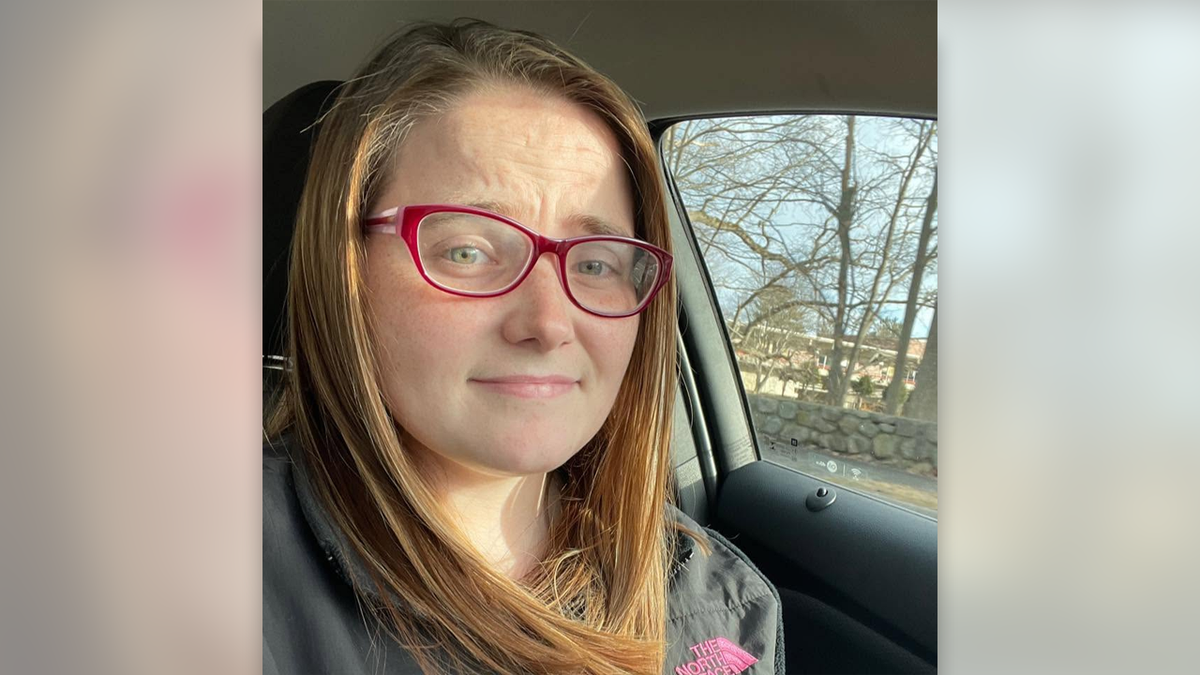
The scales of justice tipped decisively on Tuesday when a federal jury convicted Matthew Farwell, a 41-year-old former police detective from the Stoughton Police Department, of murdering 23-year-old Sandra Birchmore and causing the death of her unborn child. The verdict, delivered following more than three weeks of intense testimony and nearly four days of deliberation, brings a definitive legal chapter to a horrifying case that exposed the darkest corners of abuse of authority, systemic vulnerability, and the intricate labyrinth of a meticulously staged crime scene.
Farwell, who faces a mandatory sentence of life imprisonment without the possibility of parole, is scheduled to learn his ultimate fate on February 3. The trial laid bare a tragic narrative of betrayal: a law enforcement officer tasked with mentoring youth instead allegedly utilized his official capacity to groom a vulnerable child, ultimately snuffing out her life and the life of her unborn son when she threatened to expose their years-long illicit affair.
The Prosecution’s Case: Grooming, Power Dynamics, and Exposure
During the federal murder trial, U.S. Attorney Leah Foley and her prosecution team presented evidence that painted a chilling picture of calculated manipulation. According to federal prosecutors, Farwell first encountered Sandra Birchmore through the Stoughton Police Department’s Explorer Program—a community outreach initiative designed to introduce teenagers and young adults to law enforcement careers and provide positive mentorship. At the time the relationship allegedly commenced, Birchmore was merely 12 years old, while Farwell was an adult man in his late twenties.
Investigators testified that the relationship evolved over the years into a sustained sexual exploitation, underpinned by a gross imbalance of power. Prosecutors presented an astronomical digital footprint to substantiate these claims, including approximately 40,000 text messages exchanged between Birchmore and Farwell. This extensive digital archive provided jurors with an intimate, deeply disturbing chronicle of a relationship that persisted from Birchmore’s adolescence well into her early adulthood.
The flashpoint for the tragedy, according to the government’s theory of the case, occurred in early 2021 when Birchmore discovered she was pregnant. Believing Farwell to be the father of her unborn child—though subsequent DNA testing definitively proved otherwise—Birchmore reportedly confronted the police officer and threatened to blow the whistle on their multi-year relationship. Prosecutors argued that Farwell, terrified of losing his career, his freedom, and his standing in the community, calculated that murdering the young woman was the only way to silence her permanently.
A Chronology of Tragedy: From Initial Report to Federal Conviction
The timeline of events surrounding Sandra Birchmore’s death highlights a harrowing trajectory from local tragedy to federal indictment:
- 2009–2010: Sandra Birchmore, at approximately 12 years old, enters the Stoughton Police Department’s Explorer Program, where she first meets Matthew Farwell, then an instructor and detective.
- Mid-2010s: Prosecutors allege that Farwell begins grooming Birchmore, transitioning their dynamic into a clandestine sexual relationship as she grows into her teenage years.
- Late 2020 / Early 2021: Birchmore discovers she is pregnant with a baby boy. She and Farwell both believe him to be the biological father. Tensions mount as Birchmore pressures Farwell regarding their future and threatens to expose their history.
- February 1, 2021: Sandra Birchmore is found dead inside her apartment in Canton, Massachusetts, with a strap wrapped around her neck. Initial local investigations and the initial medical examiner’s ruling categorize the death as a suicide.
- Post-2021: Family members and friends loudly reject the suicide narrative, pushing for an independent review. Federal law enforcement agencies step in to reexamine the case, eventually seizing digital devices and uncovering the tens of thousands of text messages between the victim and the former officer.
- August 2024: Matthew Farwell is formally charged in federal court with killing a witness or victim and causing the death of an unborn child. He pleads not guilty.
- Late 2024 / Early 2025: The federal murder trial commences, featuring more than three weeks of witness testimony, medical examiner disputes, and digital evidence presentations.
- January 2025 (Deliberations and Verdict): After entering temporary deadlock status on Monday, the jury receives further instructions from the judge, resumes deliberations on Tuesday, and ultimately returns a guilty verdict against Farwell on all counts.
- February 3, 2025 (Upcoming): Farwell is scheduled to be formally sentenced, where he faces a mandatory term of life behind bars without the possibility of parole.
The Crime Scene and the Forensic Battle
On February 1, 2021, emergency personnel responded to Birchmore’s Canton apartment, discovering her body hanging with a strap around her neck. At the time, local authorities treated the incident as an apparent suicide, and the initial medical examiner’s findings reflected that determination.
However, the victim’s family steadfastly refused to accept that Sandra—who was joyfully preparing for motherhood and had expressed excitement about welcoming a baby boy—would take her own life. Their persistent advocacy catalyzed a comprehensive federal reinvestigation. As federal investigators dug deeper, the initial suicide hypothesis unraveled. The medical examiner ultimately reversed the official manner of death, changing it to "undetermined," which cleared the path for a homicide investigation.
During the trial, the courtroom became a battleground of forensic testimonies. Prosecutors relied on expert testimony to demonstrate that Farwell had strangled Birchmore to death and subsequently staged the apartment to mimic a suicide scene, exploiting his knowledge as a police detective to mislead first responders and investigators.

Conversely, Farwell’s defense team mounted a vigorous defense, arguing that Birchmore had indeed died by suicide. Defense attorneys pointed to what they described as Birchmore’s documented history of mental health struggles and past suicidal ideation. While conceding that Farwell and Birchmore had engaged in an extramarital relationship, the defense vehemently denied that he had any hand in her death. Furthermore, a defense medical expert took the stand to dispute the prosecution’s strangulation findings, arguing that the physical evidence did not definitively point to homicide.
Ultimately, the jury rejected the defense’s suicide narrative, siding instead with the overwhelming volume of circumstantial, digital, and forensic evidence presented by federal prosecutors.
Family Grief and the Human Cost
Following Tuesday’s verdict, members of Sandra Birchmore’s family addressed reporters outside the courthouse, giving voice to a grief that no legal victory can fully mitigate. Ray Cosgrove, a family member, spoke movingly about the profound loss inflicted by Farwell’s actions.
"There are conversations we will never get to have with her and memories we will never have the opportunity to make," Cosgrove stated during the press conference. "Our family grieves another future we will never get to experience. Sandra was expecting a baby boy. We will never have the opportunity to meet him. We will never watch him grow up, celebrate his birthdays, or see this person he might have become. We lost that future too."
The emotional toll extends far beyond the immediate family circle, rippling through a community shaken by the betrayal of trust inherent in the crime.
Broader Implications: Institutional Accountability and Trust in Law Enforcement
The conviction of Matthew Farwell carries significant implications for the broader discourse on law enforcement accountability, institutional oversight, and the systemic vulnerabilities inherent in police-run youth programs.
The Explorer Program, sponsored by law enforcement agencies across the country, is ostensibly designed to foster positive relationships between police departments and local youth, steering interested teenagers toward careers in public service. However, cases like Farwell’s expose the dark side of such programs when proper vetting, supervision, and boundaries are lax. Critics and legal analysts point out that Farwell’s ability to allegedly groom a 12-year-old child under the institutional banner of the Stoughton Police Department highlights an urgent need for stricter internal controls, mandatory reporting mechanisms, and independent oversight of youth-focused law enforcement initiatives.
Furthermore, the initial misclassification of Birchmore’s death as a suicide underscores the critical importance of rigorous, unbiased investigative protocols when dealing with suspicious deaths, particularly those involving law enforcement personnel or their associates. The decision by federal authorities to step in and exhume the truth demonstrates the vital safety net provided by federal oversight when local systems fail to uncover foul play.
As the legal proceedings draw to a close with Farwell’s impending sentencing in February, the case of Sandra Birchmore will long stand as a cautionary tale of power abused, lives shattered, and the relentless pursuit of truth by a family determined to see justice served for a young mother and her unborn child.

