
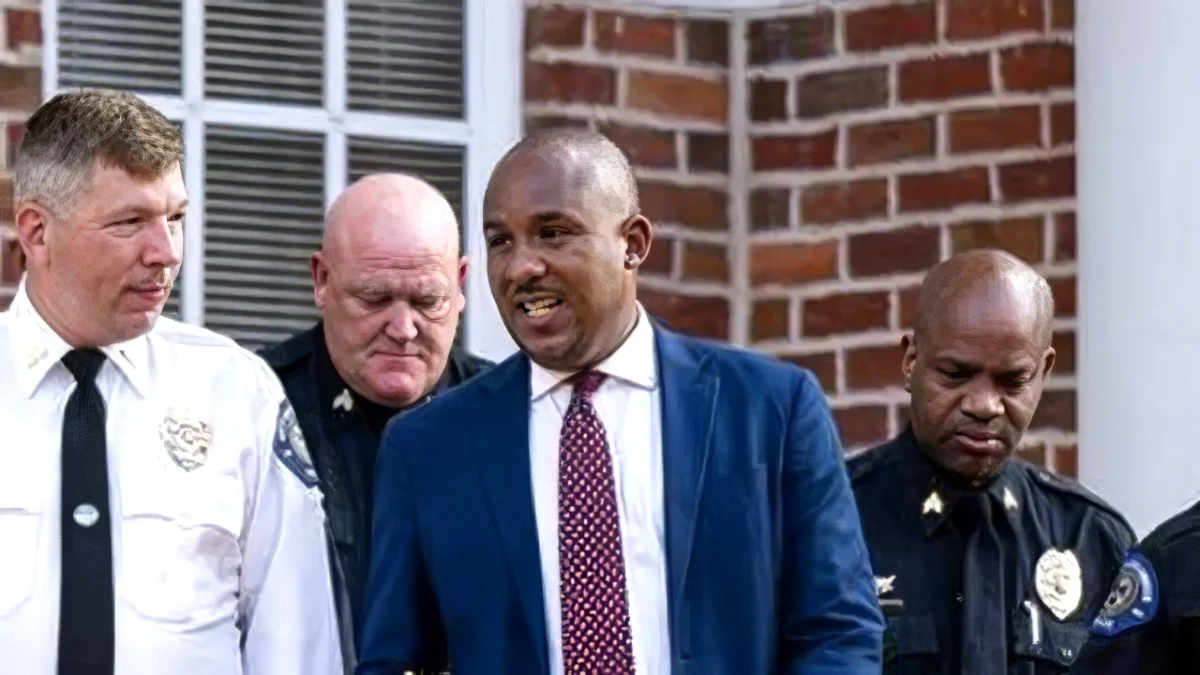
In a development that has sent shockwaves through the national political establishment, incumbent U.S. Senator Cindy Hyde-Smith, a Republican, has been defeated in her bid for a second full term in Mississippi. The Associated Press officially called the race in favor of Democratic challenger and state District Attorney Scott Colom on Wednesday, more than a week after Election Day. This result marks a historic departure from Mississippi’s traditional voting patterns and serves as the latest in a series of electoral setbacks for Senate Republicans, widening the Democratic margin in the chamber to 55 seats against 44.
The conclusion of this contest, which remained deadlocked until the final weeks of October, signifies a seismic shift in the political landscape of the Deep South. The victory for Colom, a career prosecutor, was secured only after a grueling, high-stakes campaign that saw both major parties pour millions of dollars into a state long considered a reliable stronghold for the Grand Old Party (GOP).
The Chronology of a High-Stakes Campaign
The road to this outcome began months ago, as national Democratic strategists quietly identified the Mississippi race as a potential "sleeper" contest. While Republicans initially viewed Hyde-Smith’s seat as secure, the tightening of polling data as early as late September signaled a change in the electorate’s mood.
By mid-October, the race had devolved into a dead heat. Recognizing the potential for an upset, the Senate Leadership Fund—a powerful political action committee aligned with Senate Majority Leader John Thune—authorized a massive, seven-figure last-minute advertising blitz. These funds were intended to consolidate the Republican base and highlight the stark ideological differences between the two candidates.
Simultaneously, former President Donald Trump issued a formal endorsement of Hyde-Smith, appearing at rallies and utilizing his political platform to remind Mississippi voters of the importance of maintaining a unified Republican front. Despite these interventions, the momentum remained with Colom, whose campaign focused on local issues, regional economic development, and his record as a prosecutor, rather than engaging exclusively in the national culture wars that have defined recent election cycles.
Background and Context: A History of Friction
The rivalry between Hyde-Smith and Colom is not a recent development. The two figures have been at odds for years, with a notable point of contention occurring when Hyde-Smith played a pivotal role in blocking Colom’s nomination for a federal district court seat during the Biden administration.

Observers of Mississippi politics note that this history likely fueled the intensity of the campaign. For Colom, the Senate race became a platform to challenge the established political hierarchy that had previously stifled his judicial aspirations. For Hyde-Smith, the race was a defensive effort to retain the seat she has held since 2018, when she was first appointed to fill the vacancy left by the retirement of Thad Cochran.
Statistical Analysis and Voter Trends
Data from the state’s precincts suggests that the surge in support for Colom was driven by a combination of high voter turnout in urban centers and a surprising level of cross-party support in suburban areas.
Historically, Mississippi has maintained a distinct partisan divide, with Republicans enjoying significant advantages in rural and northern counties. However, the 2026 election cycle appears to have disrupted these traditional boundaries. Analysts suggest that the influence of outside organizations, including networks linked to major donors such as the Soros family, played a significant role in organizing grassroots efforts and mobilizing voter participation in demographics that have historically been less engaged in mid-term elections.
The final tally, characterized as "razor-thin" by election officials, reflects a state that is undergoing a period of demographic and political transition. The shift toward a Democratic candidate in a deep-red state suggests that regional issues, such as healthcare access, infrastructure, and criminal justice reform, may be resonating more effectively with voters than the national partisan narratives pushed by centralized party committees.
Official Responses and Political Repercussions
In the wake of the result, reactions from party leadership have been swift and pointed. Senate Majority Leader Chuck Schumer, celebrating a string of successful midterm outcomes, signaled that the win in Mississippi would bolster his position as the Senate Majority Leader for the upcoming session. "The people have spoken, and they have opted for a new direction," a spokesperson for the Democratic Senatorial Campaign Committee stated, characterizing the victory as a mandate for the current administration’s legislative agenda.
Conversely, the Republican camp is now facing a period of intense soul-searching. The failure to defend a seat in a "reliably red" state has led to internal questions regarding the efficacy of current campaign strategies, the selection of candidates, and the reliance on national figures to sway local electorates. Supporters of the Senate Leadership Fund have expressed frustration, noting that despite the record-breaking financial investment, the party failed to articulate a message that could withstand the momentum of the opposition.
The Broader Impact on the U.S. Senate
With this flip, the balance of power in the U.S. Senate has shifted further, granting the Democratic caucus a more comfortable majority. This 55-44 split provides the majority party with significant leverage in confirmation hearings, judicial appointments, and the ability to pass more ambitious legislative packages without needing unanimous support from their own ranks.

The implications for the legislative calendar are profound. With a wider buffer, the Senate is expected to prioritize a range of economic and social policies that were previously stalled. Furthermore, the loss of a seat in Mississippi sends a warning signal to the Republican National Committee regarding the vulnerability of incumbents in states where party loyalty has historically been taken for granted.
Looking Ahead: The Future of Mississippi Politics
As the dust settles, political analysts are already debating whether the defeat of Senator Hyde-Smith represents a permanent shift or an anomaly in the state’s political trajectory. The success of the Colom campaign provides a blueprint for future Democratic candidates in the South, emphasizing the importance of local credentials and localized messaging.
For the Republican Party, the task ahead is to regain the trust of a shifting electorate. The loss of a seat in the Deep South will likely trigger a re-evaluation of how the party engages with voters in rural regions and how it balances the influence of national leadership with the needs of local constituents.
The transition period will be closely watched. As Senator-elect Colom prepares to take his seat, the focus will shift toward his policy priorities and his ability to represent a state that, despite this upset, remains deeply divided. The events of this election season have firmly established that no seat is truly safe in the current political climate, and the ripples of this result will undoubtedly influence campaign strategies for the 2028 cycle and beyond.
As of this writing, the state of Mississippi is beginning the transition process. Local officials are working to certify the final results, and both camps are assessing the aftermath of one of the most consequential Senate races in modern Mississippi history. The political map of the United States has been redrawn, and for the first time in years, the "Solid South" is no longer the guarantee it once was for the Republican Party.

