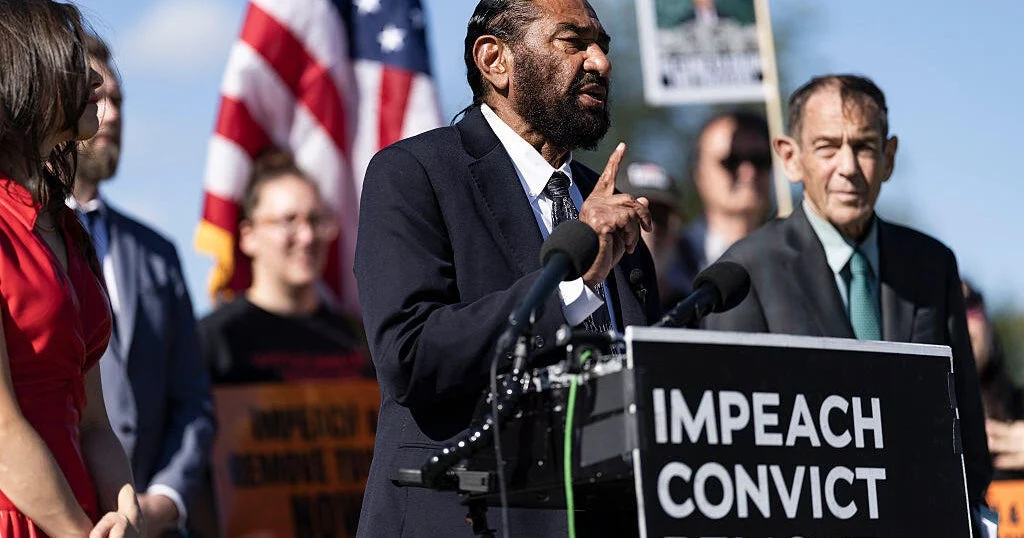
The U.S. House of Representatives effectively ended the latest legislative attempt to remove President Donald Trump from office on Tuesday, voting 232-147 to table a resolution introduced by Representative Al Green, a Texas Democrat. The vote, which included 47 members choosing to vote "present," signals a significant divide within the Democratic caucus regarding the strategic use of impeachment as a tool for oversight during the president’s second term.
The resolution, brought forth by Green, centered on allegations of executive overreach and misconduct regarding the conduct of Immigration and Customs Enforcement (ICE) and Customs and Border Protection (CBP). Green’s articles of impeachment cited the deaths of four individuals—Renee Good, Alex Pretti, Lorenzo Salgado Araujo, and Johan Sebastian Duran Guerrero—who lost their lives during encounters with federal immigration agents earlier this year. Green argued that the administration’s border policies and the subsequent conduct of federal agents amounted to an impeachable offense, a claim he has pursued repeatedly throughout his tenure in Congress.
A History of Impeachment Efforts
Representative Al Green has established a long-standing pattern of seeking the president’s removal, having introduced more than half a dozen articles of impeachment against Mr. Trump since his first term in office. This latest attempt arrives during a transition period for the veteran lawmaker, who is slated to depart Congress in January following his defeat in a primary election for his redrawn Houston-area district.
Green’s history with the impeachment process has occasionally resulted in controversy. In a notable incident last year, he was formally censured by the House after shouting at the president during an address to a joint session of Congress. Despite his persistent advocacy, his efforts have consistently failed to garner the necessary support from his own party leadership, who have frequently opted to distance themselves from his individual legislative maneuvers.
The Stance of Democratic Leadership
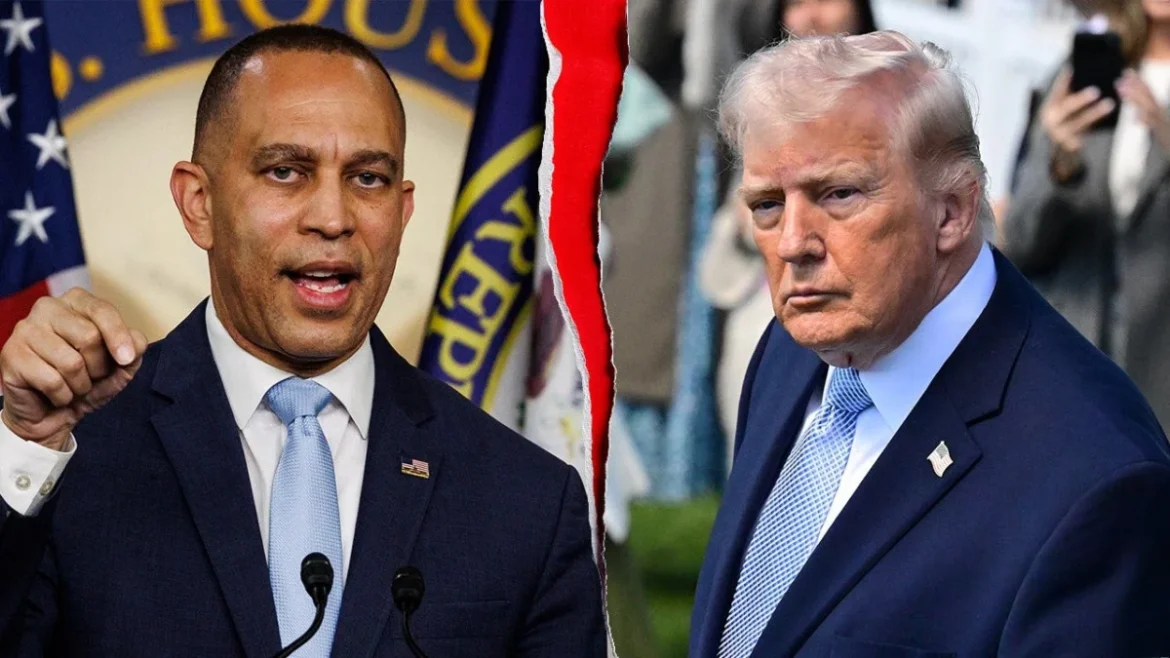
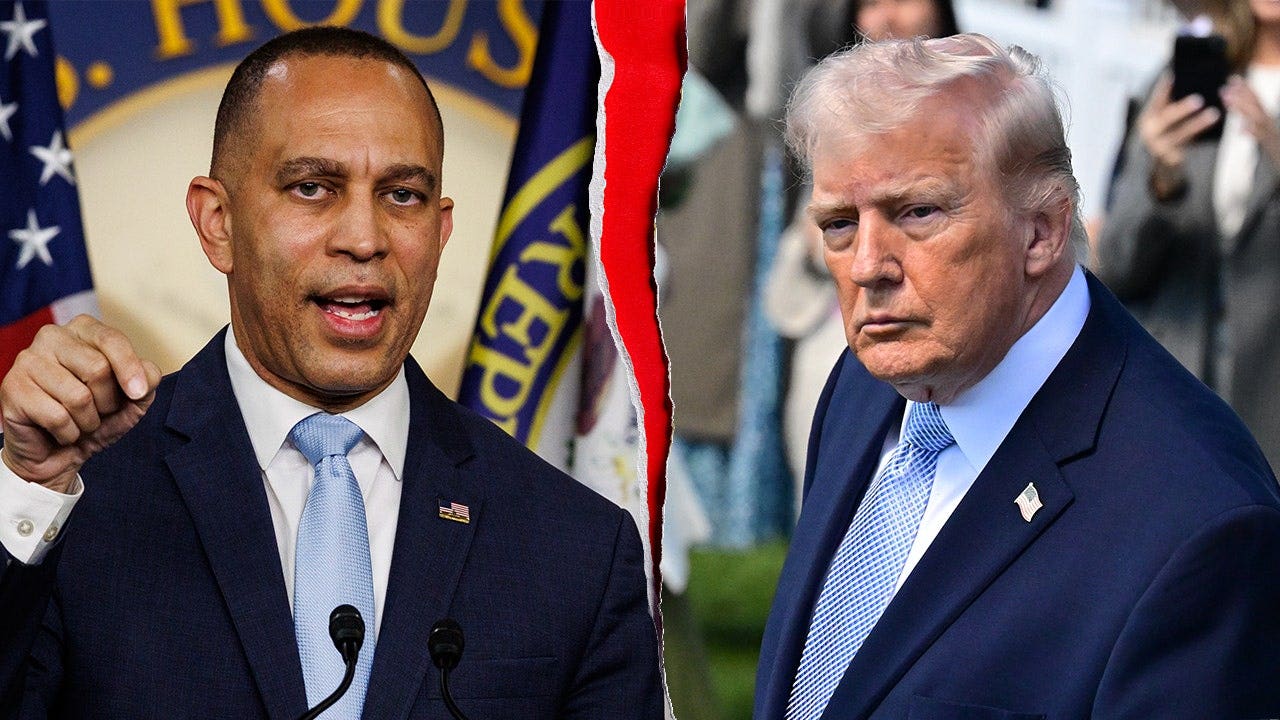
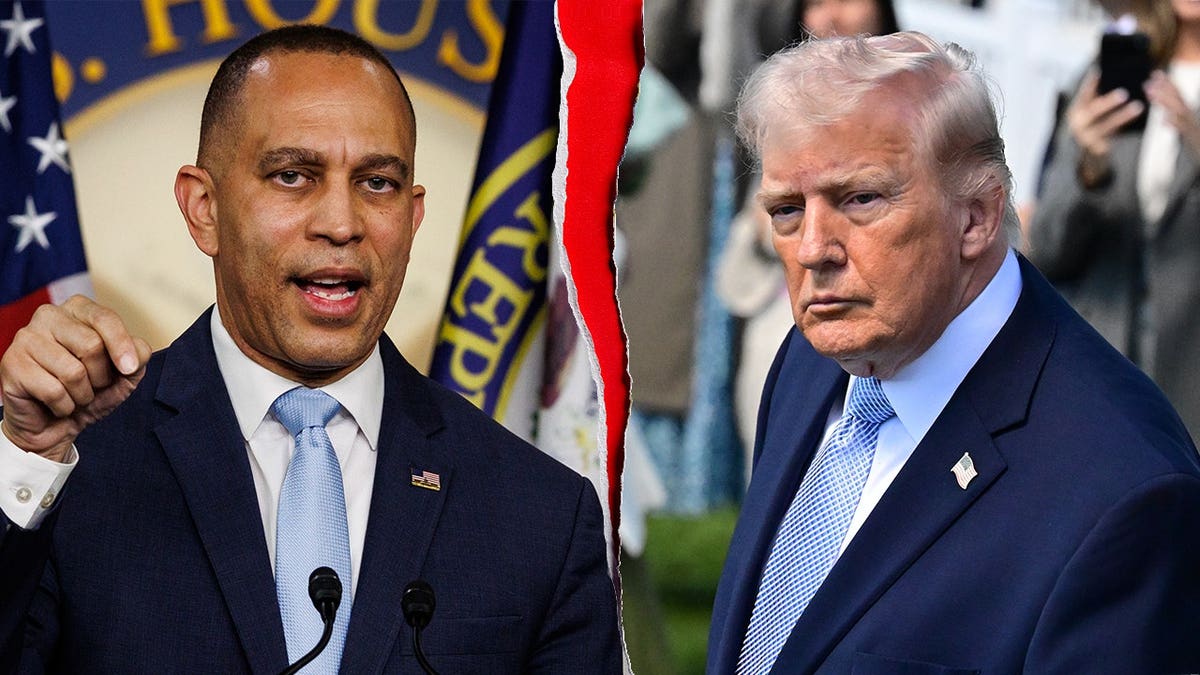
The House Democratic leadership—led by Minority Leader Hakeem Jeffries, Whip Katherine Clark, and Caucus Chair Pete Aguilar—took a unified stance against the resolution, opting to vote "present" on the motion to table it. Their decision was framed not as a dismissal of the allegations, but as a procedural critique of the methods employed by Green.
In a formal joint statement released Monday, the leadership outlined the standard they believe is required for an impeachment proceeding. "Impeachment is a sacred constitutional vehicle designed to hold a corrupt executive accountable for abuse of power, breaking the law and violating the public trust," the leaders wrote. They emphasized that a legitimate effort necessitates a comprehensive investigative process, the collection and review of vast quantities of documents, the scrutiny of facts, the testimony of dozens of witnesses, and the building of a national consensus.
"None of that serious work has been done," the statement continued, characterizing the Republican-led House as being focused on "rubber stamping Donald Trump’s extreme agenda" rather than engaging in the rigorous oversight required for such a monumental constitutional action.
The Strategic Outlook for the Democratic Minority
While the current effort failed, the discourse surrounding impeachment remains a critical element of the Democratic Party’s long-term strategy, particularly as they look toward potential electoral gains in future cycles. Representative Jamie Raskin of Maryland, who is widely expected to lead the House Judiciary Committee should Democrats retake the majority, provided a nuanced perspective on the subject in a recent interview with NBC’s "Meet the Press."
Raskin suggested that while the party is not currently prioritizing impeachment, they are prepared to utilize it if the evidence warrants such action. "We will not hesitate" to use the tool if the situation demands it, Raskin noted, adding that he believes the president has "undoubtedly" committed offenses that are historically considered impeachable.
However, this rhetoric contrasts with the more immediate focus of party leadership. During his comments on Tuesday, Caucus Chair Pete Aguilar reinforced that while the party remains vigilant regarding the executive branch’s actions, impeachment is "not anything that is top of the agenda for House Democrats" at this juncture. The party is instead focusing its energy on legislative alternatives and policy challenges aimed at the Republican majority.
Implications for Executive Oversight
The defeat of this resolution underscores the inherent friction between the constitutional mandate for congressional oversight and the political realities of a divided government. Impeachment, as defined by the Founders, is intended to be a process of last resort. The procedural hurdles—including committee investigations, evidentiary hearings, and floor debates—are designed to prevent the weaponization of the process for partisan ends.
The 47 "present" votes from Democrats highlight a middle ground within the party: acknowledging the gravity of the accusations raised by Green while refusing to validate a process that lacked the foundational evidence required to move forward. By choosing not to whip the vote, leadership allowed rank-and-file members to express their own positions on the resolution while maintaining a cohesive, albeit cautious, institutional strategy.
Contextualizing Border Policy and Accountability
The specific allegations raised by Green regarding the deaths of Renee Good, Alex Pretti, Lorenzo Salgado Araujo, and Johan Sebastian Duran Guerrero have brought renewed attention to the broader debate over the culture and operational standards within ICE and CBP. These agencies have faced mounting scrutiny over the past year, with civil rights groups and oversight bodies demanding greater transparency regarding the use of force and internal accountability mechanisms.
While the impeachment resolution focused specifically on the president’s liability for these deaths, the underlying issues remain a point of significant contention in Washington. The debate reflects a broader legislative struggle over the balance of power between the executive branch’s border enforcement policies and the legislative branch’s role in ensuring those policies align with constitutional protections and human rights standards.
The Path Forward
As the 119th Congress progresses toward its conclusion, the focus on impeachment is likely to recede in favor of more immediate legislative battles. The failure of Green’s resolution serves as a capstone to his career-long effort to define the standards of presidential conduct. For the Democratic caucus, the challenge remains in balancing the vocal demands of its base for accountability against the strategic necessity of presenting a unified, credible legislative platform to the electorate.
For the remainder of President Trump’s second term, the oversight landscape will likely be defined by more traditional legislative instruments: committee investigations, subpoena powers, and public hearings. Whether these tools will eventually lead to more formal proceedings, as suggested by Raskin and others, will depend on the findings of ongoing inquiries and the political climate leading into the next election cycle.
For now, the House has clearly signaled that while the door to impeachment is not closed, the threshold for entering it remains exceptionally high, requiring a level of consensus and investigative thoroughness that is not currently present in the political atmosphere. The vote on Tuesday serves as a reminder that the mechanisms of the Constitution are rarely deployed without a clear, overwhelming, and thoroughly documented justification that spans the full breadth of the legislative branch.