
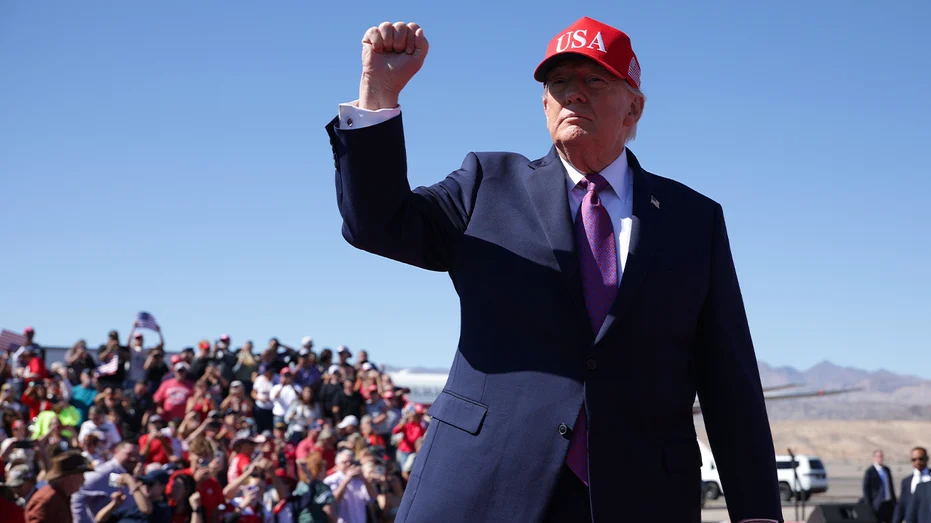
The electoral landscape has become a high-stakes chessboard, with President Donald Trump and Vice President JD Vance spearheading a coast-to-coast tour to bolster Republican candidates. Conversely, the Democratic Party has mobilized its own heavy hitters, including former President Barack Obama and former Vice President Kamala Harris, to shore up defenses in vulnerable battleground states and attempt to flip critical seats.
A Chronology of the Final Sprint
The current phase of the election cycle is defined by a frantic, high-frequency travel schedule. Since early October, President Trump has maintained a rigorous pace, publicly committing to a schedule of five to seven rallies per week. This tactical decision reflects a strategy aimed at maximizing media exposure and energizing the base in both "deep-red" strongholds and swing districts.
This past weekend served as a microcosm of the Republican effort. On Friday, the President held a rally in Florida, emphasizing the economic anxieties currently driving voter sentiment. On Saturday, he moved to Georgia, a pivotal battleground state where local infrastructure and voter mobilization are expected to determine the outcome of a contentious Senate race. By Sunday, the campaign trail shifted to Michigan, signaling the GOP’s aggressive focus on the industrial Midwest—a region that has historically been decisive in federal elections.
The Democratic response has been equally strategic. Former President Obama, maintaining his status as a key surrogate for the party, has focused his efforts on states like Ohio and Michigan, where his popularity among the Democratic base is viewed as essential for driving early turnout. Vice President Harris has taken a more diversified approach, appearing in states ranging from the industrial heartland to the mountain west, including Nevada, Mississippi, and New Hampshire. These appearances are designed to address regional issues and bolster support among disparate voting blocs.
Economic Factors and the Legislative Stakes
Central to the 2026 midterm narrative is the state of the American economy. With inflation and the cost of living remaining primary concerns for voters, the Republican platform has centered on a critique of current fiscal policies. The GOP is campaigning on a "new playbook" for Congress, which emphasizes tax reform, deregulation, and a return to the economic conditions that characterized the earlier years of the Trump presidency.
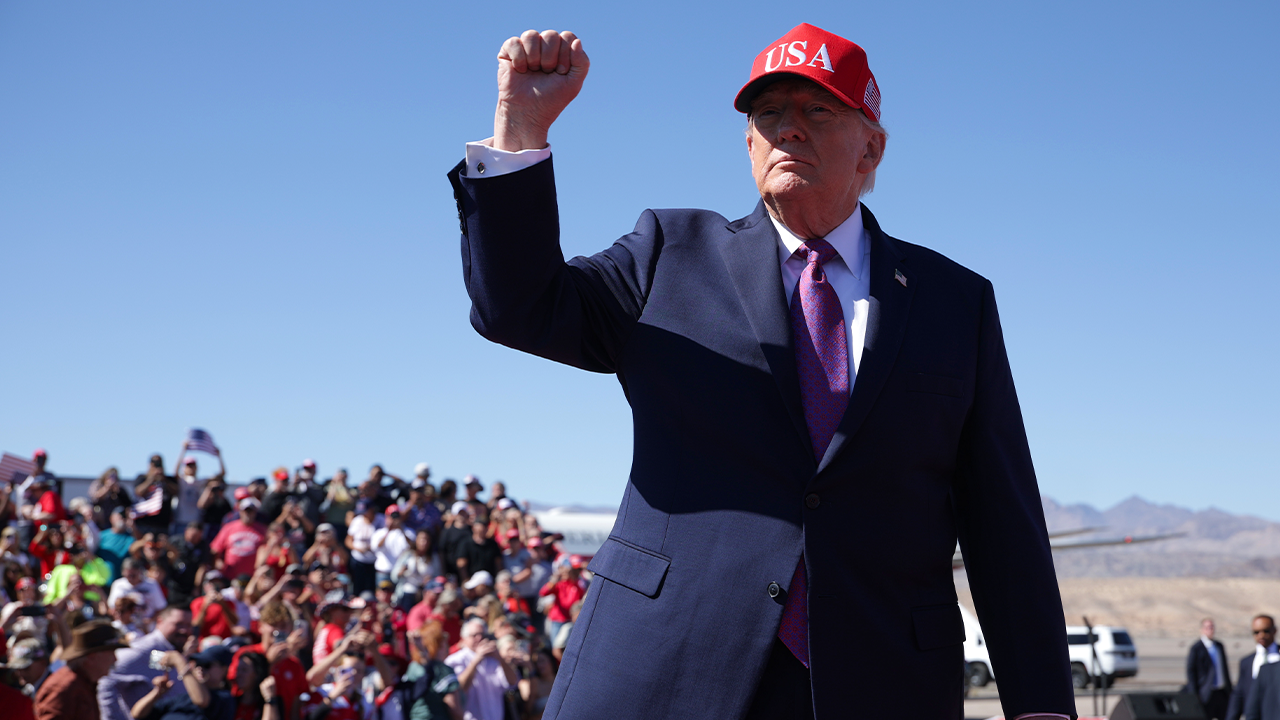
Data from the Cook Political Report and other non-partisan tracking organizations indicate that the Senate map remains exceptionally tight. Competitive races in Ohio, Texas, and Iowa have shown Democrats holding razor-thin leads in recent polling, though these margins remain within the statistical margin of error. In these states, the "gray" areas of the campaign map—where both parties are investing heavily in advertising and get-out-the-vote (GOTV) operations—represent the true center of gravity for the election.
For the Republicans, the goal is clear: to secure a legislative firewall that would allow them to dictate the policy agenda for the final two years of President Trump’s term. For the Democrats, the objective is to prevent a total loss of power in the legislative branch, which would effectively stall any remaining elements of their own policy platform and invite increased oversight into executive actions.
Strategic Deployment: Beyond the Battlegrounds
While much of the media attention is focused on the swing states, the map reveals a dual-track strategy. Both parties are continuing to invest resources in reliably partisan states, such as Oklahoma and Alabama for the Republicans and various coastal strongholds for the Democrats.
In these regions, the objective is not necessarily to change minds, but to ensure high voter turnout. By holding rallies in states where their party has a firm grip, leaders can energize their base, encourage early voting, and ensure that local party infrastructure is operating at peak efficiency. This is a critical component of the "ground game," as low turnout in a safe district can lead to unexpected losses or a decrease in the party’s overall national vote share.
Political analysts note that the 2026 midterms are shaping up to be a referendum on the efficiency of the current administration. The reliance on high-profile surrogates like Obama and Harris suggests that the Democratic Party is struggling to generate organic momentum, instead relying on the star power of past leaders to re-engage a disillusioned electorate. On the other side, the Trump-Vance ticket is leveraging the President’s personal popularity to turn out voters who might otherwise stay home.
Implications for the Future of Policy
The outcome of these elections will have profound implications for the federal government. A Republican-controlled Congress would likely prioritize a series of investigations into current administrative policies, attempt to scale back environmental regulations, and push for a restructuring of the federal judiciary. Furthermore, the legislative agenda would shift toward a focus on border security and a more protectionist trade stance.
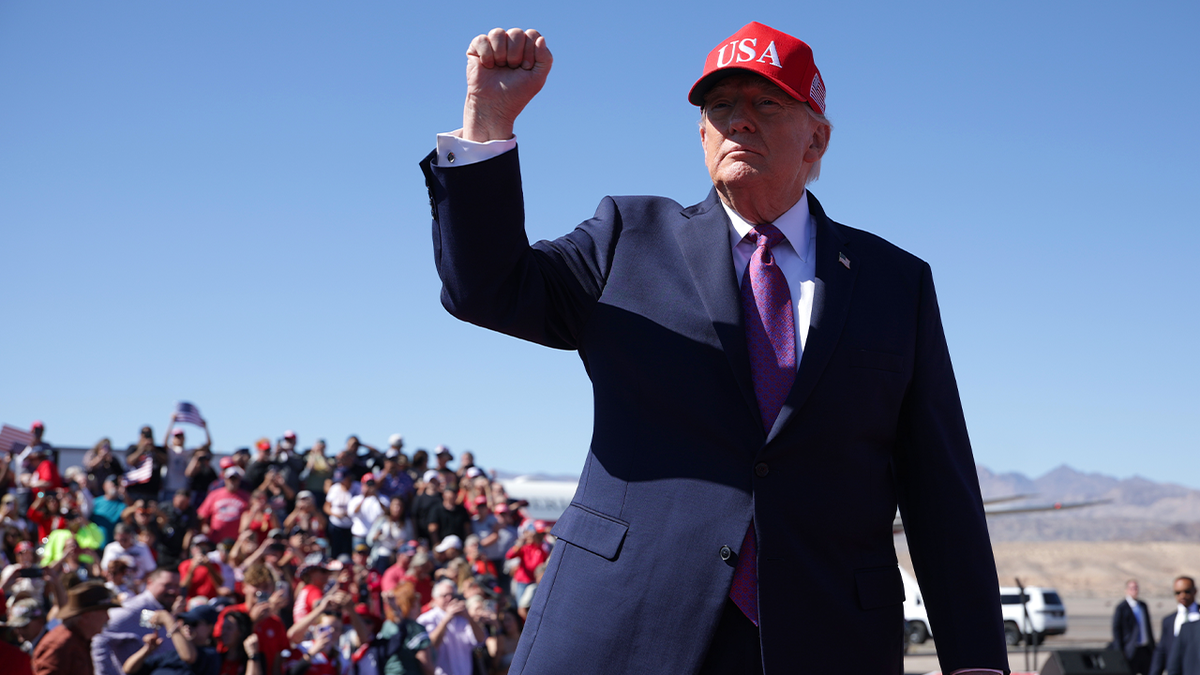
Conversely, should the Democrats retain control of even one chamber of Congress, they would possess the power to block the President’s judicial nominations and legislative initiatives, leading to a period of intense gridlock. The prospect of a divided government is high, and the strategies being employed today by both parties are designed to mitigate that risk—or, in the case of the opposition, to force it.
The Role of Voter Sentiment
Recent polling suggests that voters are highly sensitive to the economic messaging being pushed by both sides. The price of goods, the availability of credit, and the overall trajectory of the labor market are the primary metrics by which voters are evaluating the candidates. The "spotlight on the economy" mentioned by campaign analysts isn’t just rhetoric; it is a response to the clear feedback loops seen in local polling data.
As the final nine days unfold, the campaigns are expected to shift their focus almost entirely to logistics. The "ground game"—the actual process of identifying supporters, driving them to polling stations, and ensuring that mail-in ballots are processed—will become the deciding factor. While the rallies and the national surrogates provide the narrative, the local precinct captains and the phone-bank volunteers are the ones who will ultimately determine who takes the oath of office in January.
Conclusion
The 2026 midterm election represents a critical juncture for the United States. With the map of campaign stops showing a flurry of activity across the heartland and the suburbs, it is clear that neither party is taking the electorate for granted. Whether the final result leads to a shift in power or a continuation of the status quo, the intensity of this campaign serves as a reminder of the volatility and importance of the American electoral process.
As voters prepare to weigh in on the economic and social issues of the day, the final stretch of the campaign will be defined by one factor above all others: the ability of each party to convince its base that the stakes are high enough to justify standing in line at the ballot box. With only nine days remaining, the time for persuasion is rapidly coming to a close, and the time for mobilization has begun in earnest. The political landscape is set, the surrogates are in position, and the American people are about to render their final judgment on the direction of the country.

