
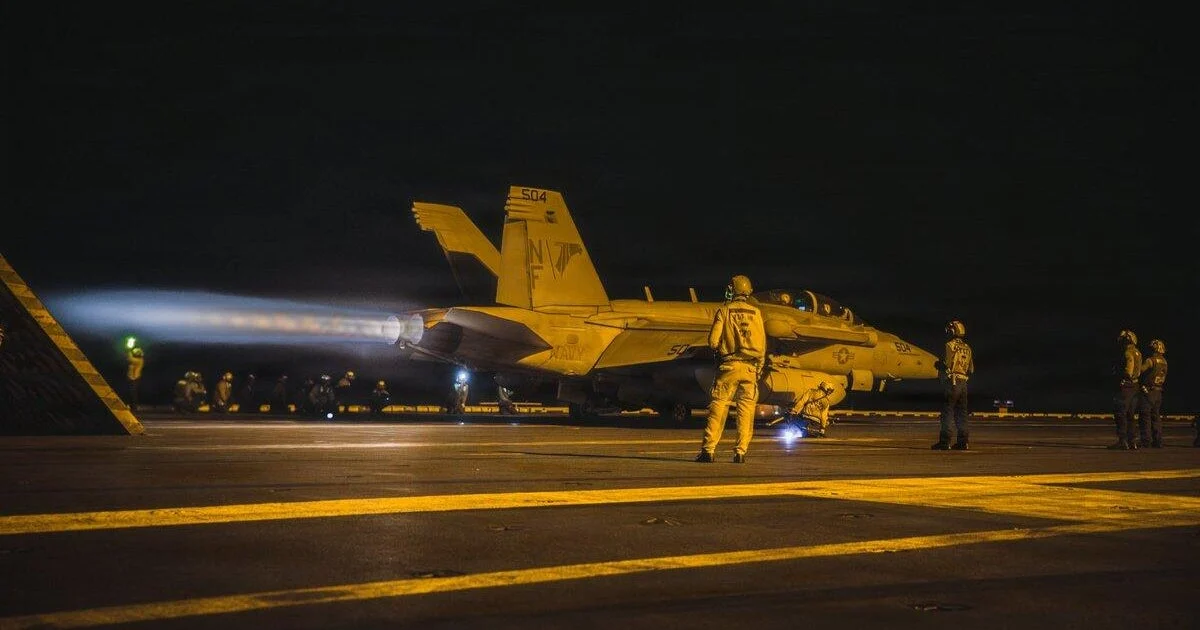
The ongoing conflict between the United States and Iran has settled into a grinding, multi-front war of attrition marked by escalating economic fallout, severe regional destabilization, and intensifying maritime friction in the strategic waterways of the Middle East. Over recent days, diplomatic channels have struggled to bridge profound gaps, while military posturing and proxy actions have intensified from the Persian Gulf to the Red Sea. Despite repeated assertions from Washington that the conflict could be resolved swiftly, senior officials and intelligence assessments indicate that the geopolitical standoff may persist well into the future, casting a long shadow over global energy markets and international security.
At the core of the current crisis is the severe disruption of vital maritime transit corridors, particularly the Strait of Hormuz and the Bab el-Mandeb Strait. These chokepoints handle a substantial portion of the world’s petroleum supply. Recent weeks have witnessed a dramatic spike in Brent crude prices, which surpassed $117 per barrel—reaching highs not seen since March. The upward pressure on energy markets has directly impacted global equities, dragging down major indices on Wall Street as investors react to mounting threats to shipping and energy infrastructure.
Maritime Security and Infrastructure Vulnerabilities
The security situation in Gulf waters deteriorated further following reports of an oil tanker incident off the coast of the United Arab Emirates. Analysts monitoring the region identified the Panama-flagged oil tanker Gem No. 2 as the source of a significant oil spill spanning approximately 160 square kilometers (60 square miles) near Umm Al Quwain. The vessel had previously been struck by an unidentified projectile while transiting outside the immediate confines of the Strait of Hormuz. In response to the spill and the resulting environmental hazard, Emirati authorities temporarily closed local beaches and urged fishermen to avoid affected coastal areas, as residents reported heavy chemical odors drifting inland.
Concurrently, tensions along established shipping routes intensified when Iranian state media claimed that all movement of non-compliant vessels through the Strait of Hormuz had been halted following a series of targeted operations. Tehran has consistently demanded that commercial shipping utilize a northern route close to the Iranian coast, while Washington and its allies have encouraged vessels to use an alternative southern pathway near Omani territorial waters to bypass Iranian oversight and tolls. The conflicting navigational mandates have resulted in repeated skirmishes, mine laying, and reciprocal accusations between Washington and Tehran regarding safety and freedom of navigation.
While maritime traffic faces severe restrictions, land-based energy infrastructure has also become a primary target. In Saudi Arabia, the Saudi-led coalition intercepted multiple aerial threats, including missiles directed toward the western hubs of Taif and Yanbu. Yanbu serves as the terminus for the crucial East-West pipeline, a vital infrastructure asset that allows Riyadh to export crude oil directly to the Red Sea, bypassing the blockaded Persian Gulf. According to Saudi Aramco executives, the volume of oil transiting through the pipeline has surged from 2 million to 7 million barrels per day to compensate for disruptions in the Gulf. However, repeated drone and missile attacks launched by Iran-backed Houthi forces from Yemen continue to threaten these alternative export pathways, prompting Riyadh to postpone high-profile international gatherings, such as the UN World Data Forum, until 2027.
Political Rhetoric and Diplomatic Maneuvering
Political leadership on both sides has traded sharp rhetoric, signaling limited near-term appetite for concessions. Iranian officials have adopted a defiant posture, with senior Islamic Revolutionary Guard Corps (IRGC) figures dismissing U.S. warnings as media posturing. Concurrently, Tehran has maintained a hardline stance on reparations, with newly reported meetings between judicial and political leadership emphasizing the pursuit of material and moral compensation from the United States and Israel for damages incurred during the war.
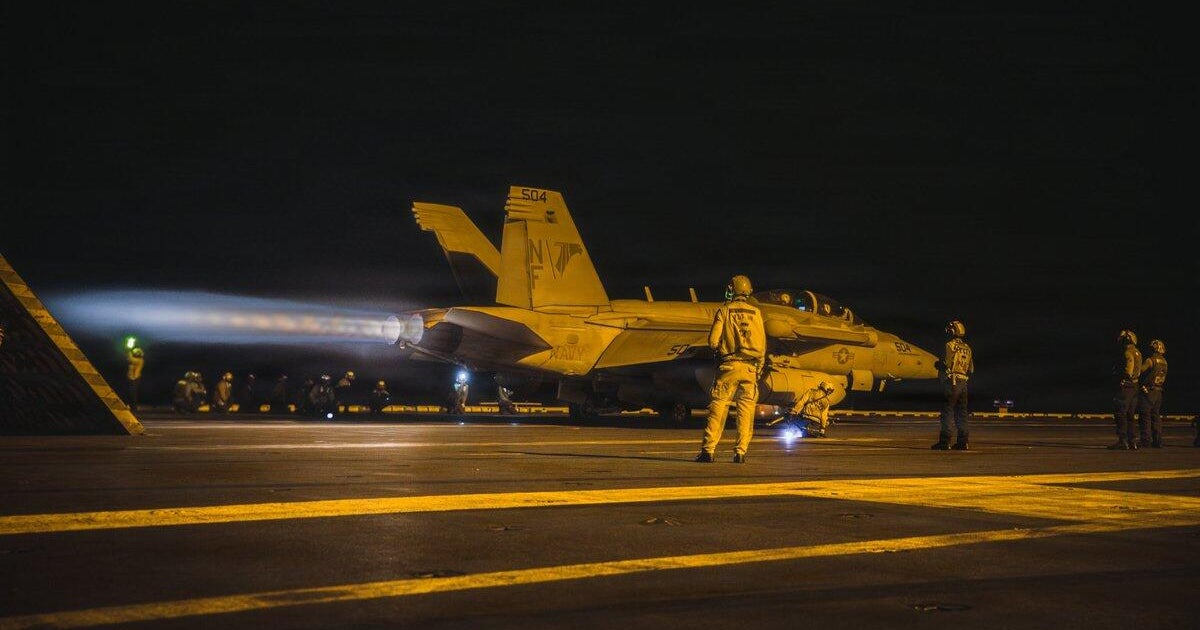
Domestically, the prolonged conflict and sweeping sanctions are exacting a heavy toll on the Iranian populace. Iranian President Masoud Pezeshkian acknowledged publicly that significant segments of society are struggling to secure basic foodstuffs under wartime conditions, calling for an exit from the current "state of neither war nor peace." Despite economic hardship and internal strain, Pezeshkian is slated to travel to Moscow to meet with Russian President Vladimir Putin, underscoring Tehran’s ongoing efforts to solidify bilateral ties and diplomatic backing from major international partners.
In Washington, the Trump administration continues to balance domestic political considerations—including upcoming midterm elections—with a dual strategy of stringent economic containment and latent military deterrence. While President Trump has repeatedly claimed that the United States possesses the capability to decisively end the conflict or exert total control over Iranian energy resources, other administration figures have offered more extended timelines. U.S. Ambassador to the United Nations Mike Waltz noted that key non-proliferation and security objectives could require an extended operational horizon, suggesting that military and economic pressure campaigns may persist.
Regional Spillover and Intelligence Warnings
The conflict’s ripple effects extend far beyond the immediate combat zones, triggering heightened security alerts across the broader Middle East. The U.S. State Department updated travel advisories for 14 countries in the region, reflecting elevated threat levels linked to Iranian-aligned actors and Houthi regional aggression. Furthermore, the State Department ordered staffing reductions across multiple diplomatic missions in Jordan, Lebanon, Qatar, and the United Arab Emirates, building upon earlier ordered departures for non-essential personnel in Saudi Arabia.
These precautionary measures were reinforced by a classified intelligence memorandum issued by Director of National Intelligence Jay Clayton, which warned that Iranian lethal plotting against U.S. personnel abroad had reached advanced stages in both the Middle East and international jurisdictions. The intelligence disclosure underscores the asymmetric risks facing American diplomats and military personnel as proxy networks respond to ongoing hostilities.
In Yemen, the localized civil war has intensified in parallel with the regional crisis. Houthi forces claimed responsibility for continuous missile and drone strikes targeting positions in Aden, including naval installations and military camps. Meanwhile, the United Nations Office for the Coordination of Humanitarian Affairs (OCHA) expressed grave concern over the humanitarian situation in the besieged city of Taiz, where Houthi blockades have severely restricted the entry of essential medical supplies, fuel, and clean water for weeks.
International Mediation and Future Outlook
Amid the escalating cycle of action and reaction, external powers have sought to inject diplomatic momentum into the crisis. Foreign ministers from a coalition of European and Middle Eastern nations—including the United Kingdom, France, Germany, Italy, Turkey, Saudi Arabia, Pakistan, and Egypt—convened in Istanbul to advocate for negotiated settlements. European representatives emphasized that any further military escalation would carry catastrophic consequences for global hydrocarbon markets and economic stability, cautioning that a broader conflagration would yield no strategic victors.
As the conflict stretches past its initial projected timelines, the convergence of maritime blockades, targeted infrastructure attacks, intelligence-driven threat assessments, and severe economic distress highlights the profound complexity of the security architecture in the Gulf. With diplomatic initiatives facing steep obstacles and military readiness remaining at a heightened state across all belligerent parties, the trajectory of the region remains deeply uncertain, posing enduring challenges to international trade, global energy security, and regional stability.

