
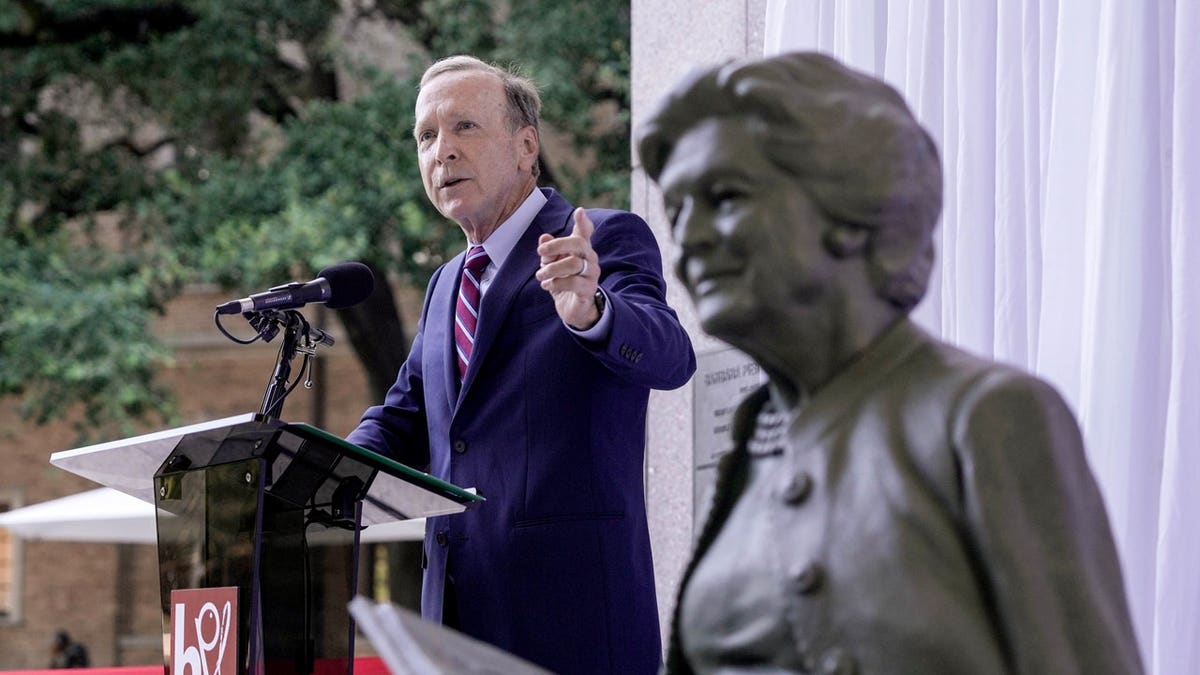
In a striking departure from the long-standing political heritage of one of America’s most prominent Republican dynasties, Neil Bush has officially announced his support for Democratic Senate candidate James Talarico in the high-stakes Texas race. The move, disclosed via a personal statement on social media, marks a significant moment in the shifting landscape of Texas politics, signaling an intensifying fracture within the traditional GOP establishment.
Neil Bush, the son of the late President George H.W. Bush and brother to former President George W. Bush, stated that his decision to cross party lines was motivated by a desire to reject a specific brand of modern political discourse that he believes has caused harm to the nation. While members of the Bush family have historically maintained a conservative profile, the ongoing evolution of the Republican Party—particularly regarding its alignment with former President Donald Trump—has created visible tension among the family’s various factions.
A Departure from Tradition
Neil Bush’s public endorsement of Talarico is unconventional, as he noted that he has historically avoided political advocacy on social media to maintain personal relationships across the ideological spectrum. However, he emphasized that the current electoral environment compelled him to act.
"I have never posted a political message on Facebook, not wanting to offend friends whose views may be very different than mine," Bush wrote. "I’m breaking that tradition because I voted early today, and I voted for James Talarico for the United States Senate."
His justification for the shift centers on two primary factors: a pointed disapproval of the tenure and record of his opponent, Ken Paxton, and a personal assessment of Talarico’s character. For observers of Texas politics, the mention of Paxton is not incidental. The incumbent has been a lightning rod for controversy and legal scrutiny throughout his time in office, and his political survival has become a central point of contention for both wings of the Texas Republican Party.
The Broader Political Context in Texas
The Texas Senate race is currently one of the most closely watched contests in the country, characterized by massive financial investment and intense polarization. As Democrats attempt to flip the state—a long-term strategic goal known as the effort to "turn Texas blue"—the entry of moderate or disaffected Republican figures into the coalition supporting their candidates is seen as a potentially decisive factor.
The financial stakes are immense. Reports indicate that organizations linked to former President Trump, such as MAGA Inc., have poured approximately $10 million into the race to bolster Ken Paxton’s position. This influx of capital highlights the national significance the Republican establishment places on holding the seat, viewing it as a firewall against Democratic gains in the South.
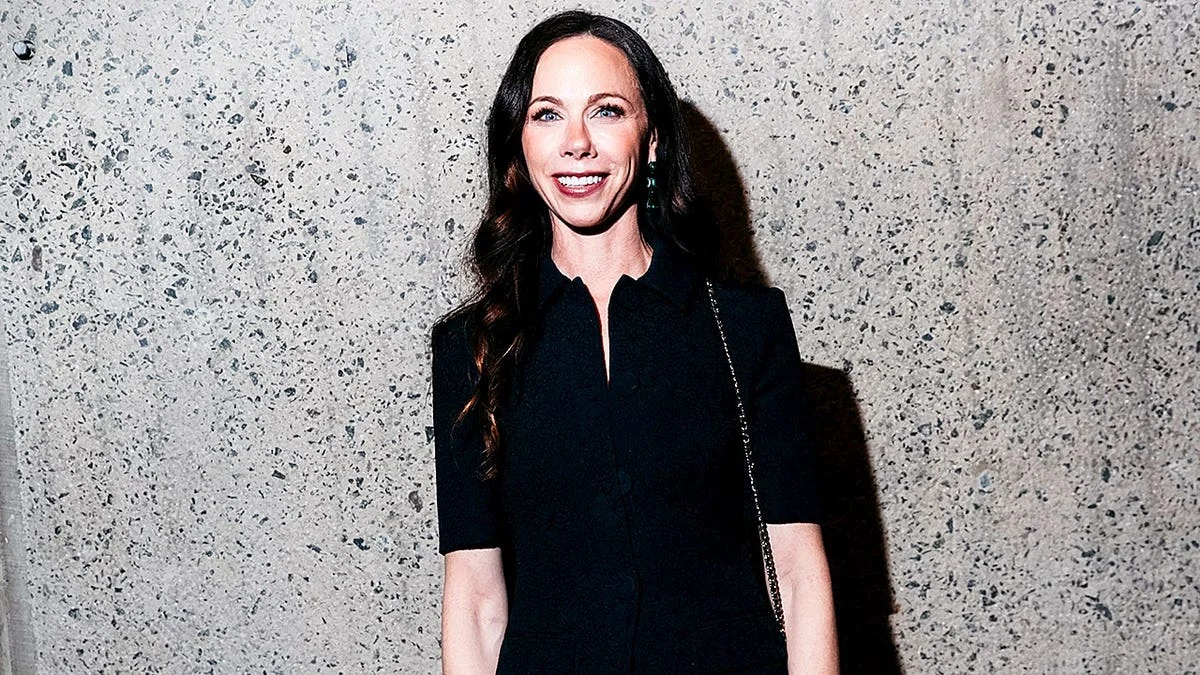
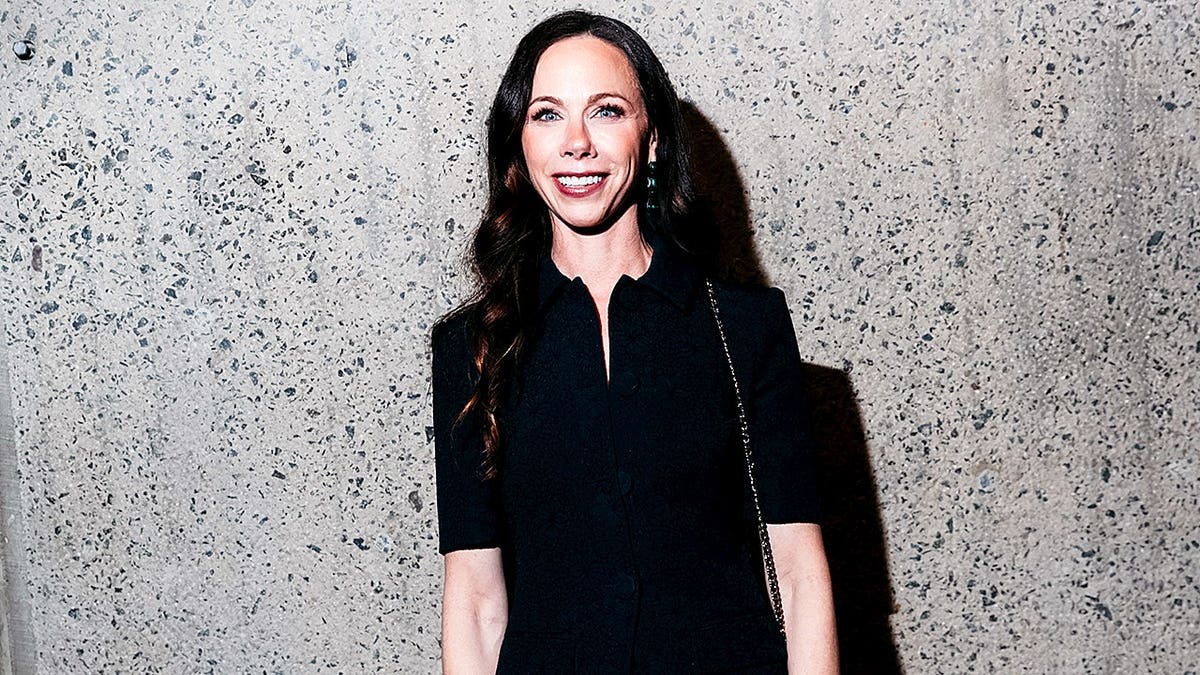
Conversely, the Lone Star Rising PAC, which supports Talarico, has become a focal point for donors looking to challenge the current Republican hegemony in the state. Notably, Barbara Bush—the daughter of former President George W. Bush—contributed $2,500 to this PAC on September 23. This dual support from two prominent members of the Bush lineage underscores a growing divide within the family’s base regarding the party’s future direction.
The Fractured GOP Legacy
The internal dissent within the Bush family is inextricably linked to the post-2016 trajectory of the Republican Party. Since the emergence of Donald Trump as the dominant figure in GOP politics, the relationship between the Bush family and the party’s new base has been marked by skepticism.
During the 2016 Republican presidential primaries, Donald Trump’s rhetoric targeted Jeb Bush and, more provocatively, the family matriarch, former First Lady Barbara Bush. These personal attacks left a lasting mark on the family’s internal dynamics and their public posture toward the party leadership.
Neil Bush’s commentary reflects this lingering sentiment. "I believe Donald Trump and those who have enabled him have done enormous damage to the Republican Party," he wrote. "I worry about a political culture in which loyalty to an individual takes precedence over loyalty to principle, and where those who hold power begin to believe they are no longer accountable."

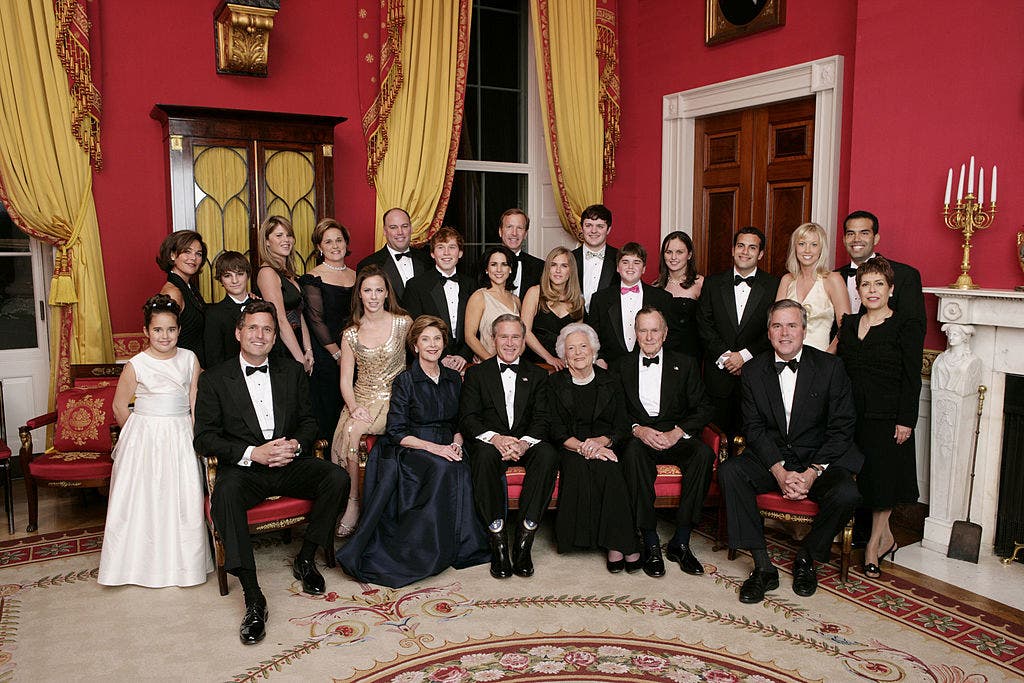
This philosophy mirrors the post-presidential pivot of his brother, George W. Bush, who has increasingly prioritized bipartisan optics and institutional decorum. In recent years, the former president has been seen engaging with Democratic predecessors and luminaries, most notably attending the opening of the Barack Obama Presidential Center in Chicago earlier this year. These interactions, including the lighthearted exchanges between the former president and Michelle Obama, represent a desire to maintain the traditional "statesman" model of governance, which many critics of the current political climate argue is under threat.
Analysis of Electoral Implications
Political analysts suggest that the impact of a high-profile endorsement from a member of the Bush family is difficult to quantify in terms of raw votes, but its symbolic weight is significant. It provides "permission" for moderate, suburban, and legacy Republican voters to consider alternatives to the party’s current slate.
However, the Republican National Committee (RNC) has dismissed the crossover movement as a "pipe dream." RNC leadership has publicly stated that Talarico’s efforts to court the center are unlikely to yield a mass migration of voters, asserting that the party’s base remains firmly committed to its current platform regardless of dissent from establishment figures.
The core of the issue for the GOP is the tension between the "MAGA" wing and the traditionalist, Reagan-era conservatives represented by the Bush legacy. As the party grapples with its identity, these endorsements act as a bellwether for whether the traditionalist wing will eventually seek to reclaim the party’s apparatus or continue to drift into the arms of the opposition.
Chronology of Recent Political Alignments
- 2016 Primary Cycle: The initial rupture between the Bush family and the rising populist wing of the Republican Party, triggered by personal attacks during the presidential debates.
- 2018: George W. Bush and Michelle Obama establish a public rapport, symbolizing a desire for institutional unity, notably at the funeral of the late Senator John McCain.
- June 2026: George W. Bush attends the opening of the Obama Presidential Center, reinforcing the narrative of bipartisan civility.
- September 23, 2026: Barbara Bush, daughter of George W. Bush, contributes $2,500 to the Lone Star Rising PAC, signaling direct financial support for a Democratic-aligned effort in Texas.
- October 2026: Neil Bush issues his statement of support for James Talarico, citing concerns over the current state of the Republican Party and specific objections to the record of Ken Paxton.
Official Responses and Future Outlook
As of this writing, representatives for the Paxton campaign have not issued a detailed rebuttal to the claims made by Neil Bush, largely focusing their efforts on the broader campaign strategy of consolidating the base. The White House has also remained largely removed from the fray, as the race is viewed primarily as a state-level contest with national implications for Senate control.
The broader impact of this situation suggests a cooling of the "big tent" strategy that once defined the Republican Party. If traditionalist families continue to defect, the party may find itself more ideologically aligned but potentially less broad in its electoral appeal. For the Democratic Party, the challenge remains to turn these symbolic endorsements into a sustainable voting coalition that can overcome the formidable organizational and financial advantages held by Republican incumbents in Texas.
Ultimately, the decision by Neil Bush to speak out is more than just a preference for one candidate over another; it is a declaration of dissatisfaction with the current trajectory of American political accountability. As the election approaches, the question remains whether this rhetoric will resonate with the average Texan voter, or if it will be viewed as an isolated act by a political dynasty that is increasingly out of sync with the modern electorate. The result of this race will likely serve as a crucial data point in determining whether the "Bush brand" still holds any tangible influence in a state that has been the cornerstone of the party for decades.

