
The incident occurred early Monday morning at the Senator’s district office in Biddeford, Maine, where staff arrived to find the facility defaced with derogatory graffiti targeting the lawmaker. The words "Trump Whore" were spray-painted across the primary entrance, marking a stark escalation in the tone of local political discourse. While the Biddeford Police Department has confirmed that an active investigation into the vandalism is underway, no suspects have been identified or apprehended as of Tuesday.
The vandalism was first brought to public attention by Maine state Sen. Matt Harrington, the assistant Republican leader, who shared images of the damaged property on social media platforms Facebook and X. The visual evidence prompted immediate condemnation from Republican circles, who view the act as a symptom of a broader breakdown in civil political debate in the state.
A Campaign in the Crosshairs
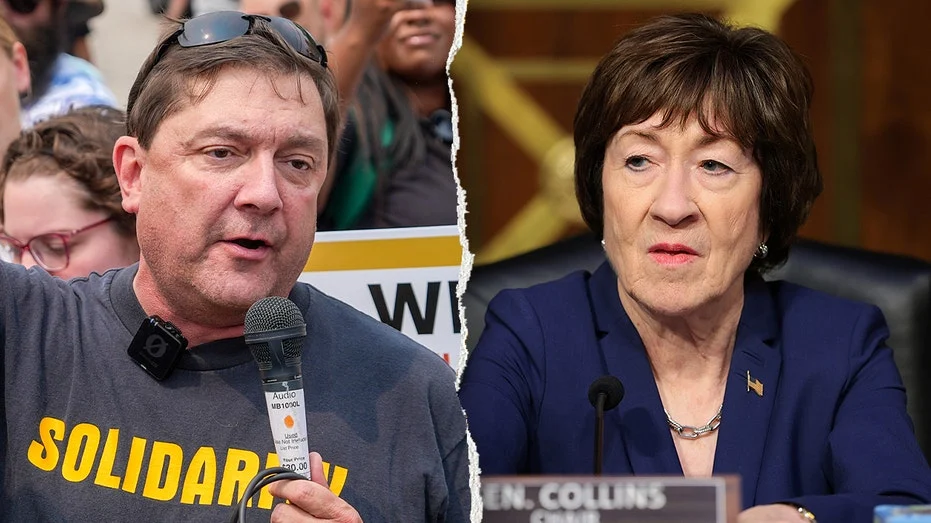
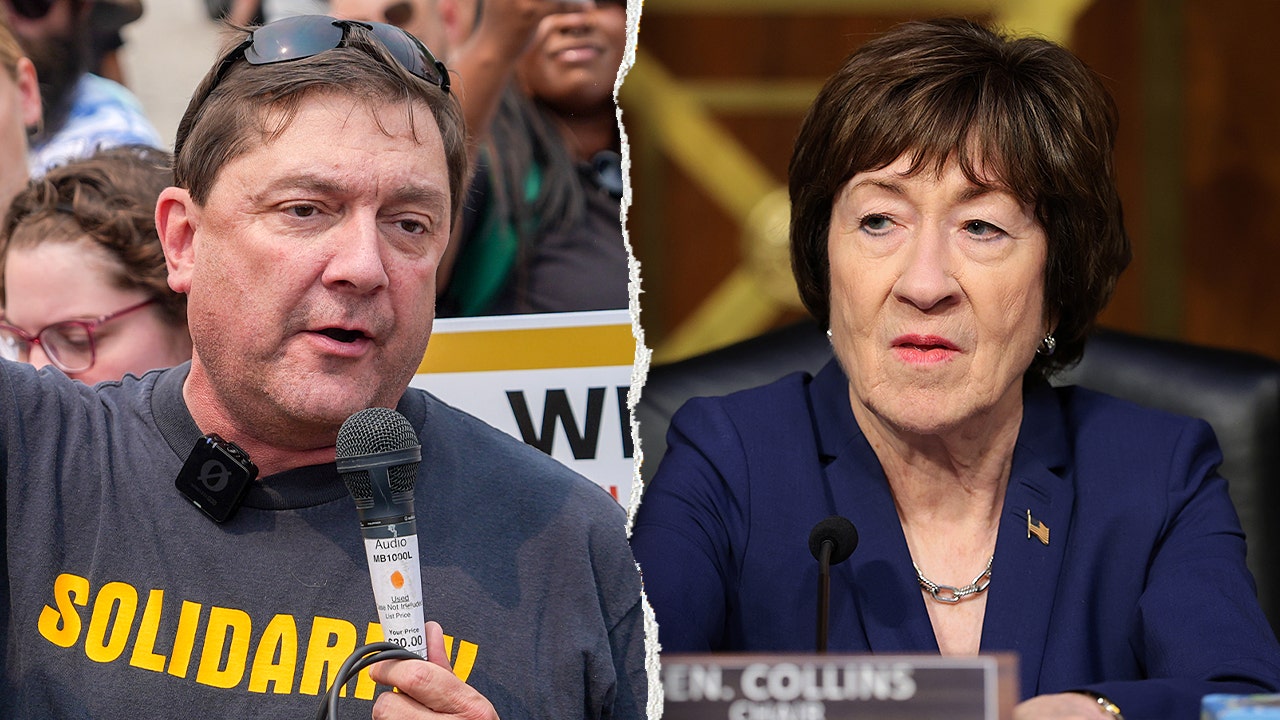
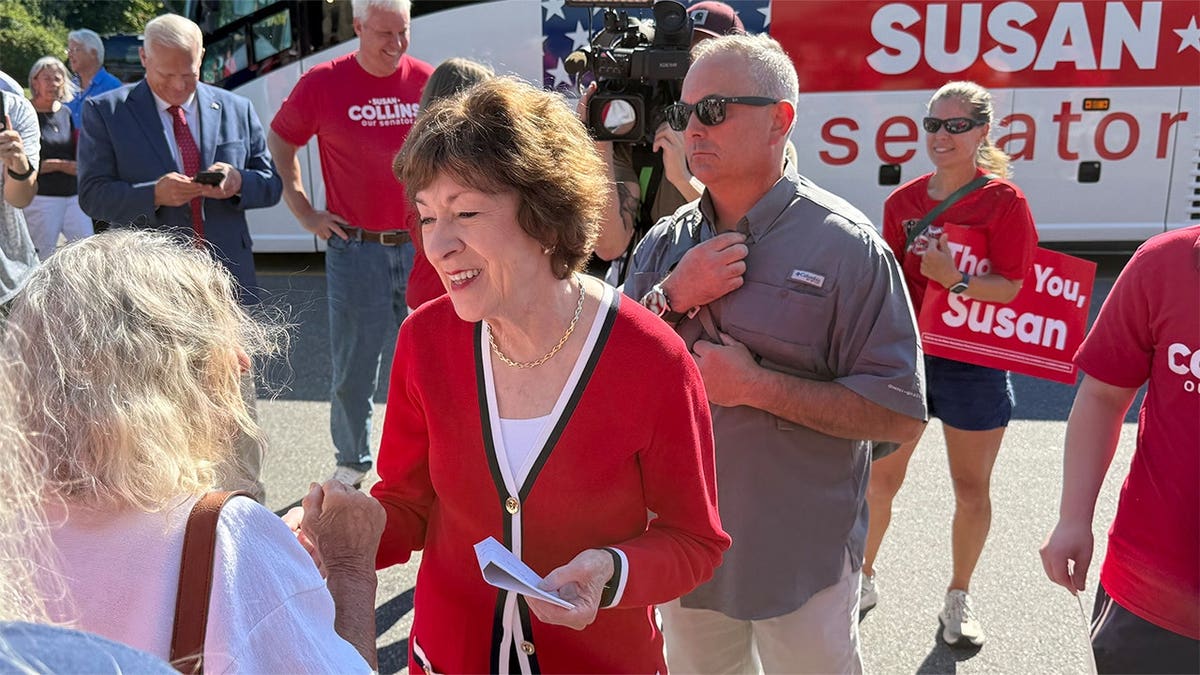
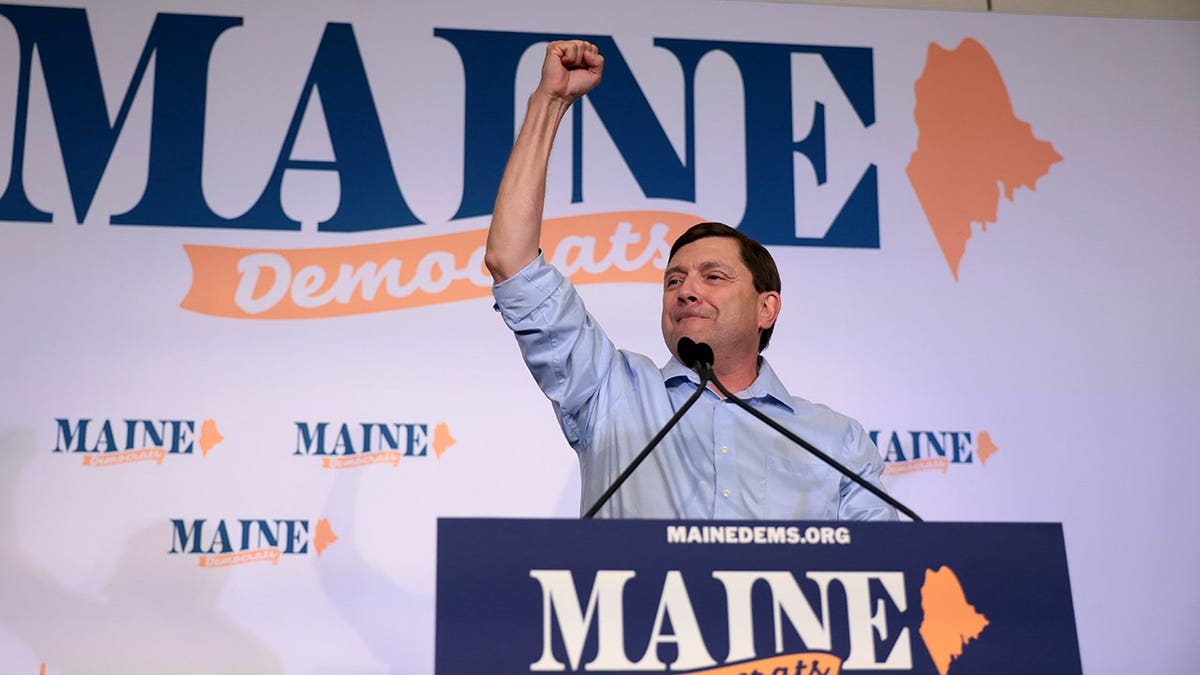
Senator Susan Collins, a veteran of the upper chamber, is currently navigating a high-stakes re-election bid for a sixth six-year term. Representing a state that has historically leaned Democratic in presidential contests, Collins has long cultivated a reputation as a moderate willing to break with her party’s leadership. However, this cycle, she faces a formidable challenge from Democratic nominee Troy Jackson, the former President of the Maine Senate.
The contest is widely viewed as a "must-win" for national Democrats as they strive to reclaim a majority in the U.S. Senate. As the campaign intensifies, the rhetoric surrounding the race has grown increasingly sharp. Jackson’s campaign has notably remained silent regarding the vandalism, failing to issue a statement despite multiple inquiries from media outlets. This silence has been interpreted by some political observers as a missed opportunity to reset the tone of the election.
Contextualizing the Atmosphere in Biddeford
The vandalism of the Biddeford office does not exist in a vacuum. The facility, which serves as a vital touchpoint for constituents seeking federal assistance, is located only a few blocks from the site of a high-profile, fatal shooting involving Immigration and Customs Enforcement (ICE) agents that occurred in July 2026.
The July shooting sparked a wave of local unrest, with demonstrators gathering outside the very office that was targeted this week to protest the Senator’s consistent support for ICE funding and federal immigration policy. While there is no evidence currently linking the specific individuals from those protests to the graffiti incident, the proximity in both geography and timing underscores the volatility of the current political environment in southern Maine.
Official Responses and Political Repercussions
In a statement provided to the press, Katie Brown, Chief of Staff for Senator Collins, emphasized that the office’s primary mission remains unchanged. "Vandalism is unacceptable," Brown stated. "Senator Collins and her staff will not be intimidated. Our Biddeford constituent service office remains open, and we will continue serving the people of Maine."
The response from the broader Republican establishment was swift. Kristina Parker, the Communications Director for the Maine GOP, framed the incident as a broader systemic issue. "This is just another example of the radical left’s aggression and an inability to engage in civil discourse," Parker said. "We hope the prosecution is swift and that the perpetrators are held accountable. Our political environment should not tolerate this type of volatile and disgusting behavior."
Former Maine state Representative Austin Theriault, a prominent Republican figure who recently campaigned for Congress, joined the chorus of condemnation. Speaking to the press, Theriault argued that political disagreements should never devolve into property destruction or personal harassment. "There shouldn’t be any hesitation to condemn these sorts of actions, regardless of where you are on the political spectrum," Theriault stated. He further questioned whether the Maine Democratic Party is currently grappling with an internal "identity problem," suggesting that the failure to immediately condemn the vandalism speaks to a larger struggle within the party to rein in extremist rhetoric.
The Legislative Balancing Act
The timing of this incident comes at a complex moment for Senator Collins’ career. Having recently cast her 10,000th consecutive vote in the Senate—a historic milestone—she continues to navigate the narrow path of representing a blue-leaning electorate while maintaining her conservative credentials.
Her tenure has been marked by a series of bipartisan hurdles and challenges from within her own party. She has famously broken with the Republican establishment on specific issues, such as her public criticism of former President Donald Trump’s tariff policies toward Canada and her decision to vote against the confirmation of Attorney General Todd Blanche. Conversely, she faces persistent pressure from the left over her 2018 vote to confirm Supreme Court Justice Brett Kavanaugh. That decision remains a focal point for Democratic voters, particularly following the Supreme Court’s subsequent ruling to overturn Roe v. Wade, a case in which Justice Kavanaugh was part of the majority.
Implications for the Midterm Cycle
Political analysts suggest that the vandalism in Biddeford could have unintended consequences for the November election. Historically, acts of aggression against elected officials can galvanize a candidate’s base, potentially leading to increased voter turnout and sympathy donations.
"When you see a campaign office vandalized, it often forces the opponent to choose between a statement of condemnation or silence," noted one political strategist familiar with Maine politics. "If the silence continues, it allows the incumbent to paint their challenger as someone who is out of touch with the basic standards of civic decency. It shifts the conversation from policy to character."
The impact on the race remains to be seen, but the event has undeniably altered the campaign’s trajectory. As both parties continue to pour resources into the Maine Senate race, the incident serves as a stark reminder of the heightened tensions surrounding the 2026 midterm elections. With the balance of power in the Senate resting on a handful of razor-thin margins, every incident—from a policy debate to a defaced office door—is being analyzed for its potential to sway the final outcome.
Looking Ahead
The Biddeford Police Department is currently reviewing local security camera footage and canvassing the area for potential witnesses. Authorities have not indicated whether the incident is being investigated as a hate crime or a misdemeanor act of vandalism, though the specific nature of the graffiti suggests a targeted political motivation.
For Senator Collins, the path forward involves a delicate balance of maintaining security for her staff while ensuring that her offices remain accessible to the public. As the election approaches, the pressure on all candidates to lower the temperature of their rhetoric will likely increase. Whether this incident serves as a catalyst for a return to more civil discourse or further entrenches the partisan divide remains the defining question for the remainder of the campaign season.
As the investigation progresses, the Maine public is left to consider the state of their political discourse. The incident in Biddeford is not merely a matter of property damage; it is a flashpoint for a larger conversation about the limits of political expression and the role of civility in a democratic society. As the state moves closer to the polls, voters will be watching closely to see how both campaigns respond to the challenges of maintaining order and respect in an increasingly polarized political landscape. The resilience of the Collins office in the face of this provocation will likely become a key theme in the final weeks of the contest, as the Senator attempts to frame the event as a test of her commitment to the people of Maine, regardless of the political winds blowing in Washington.

