
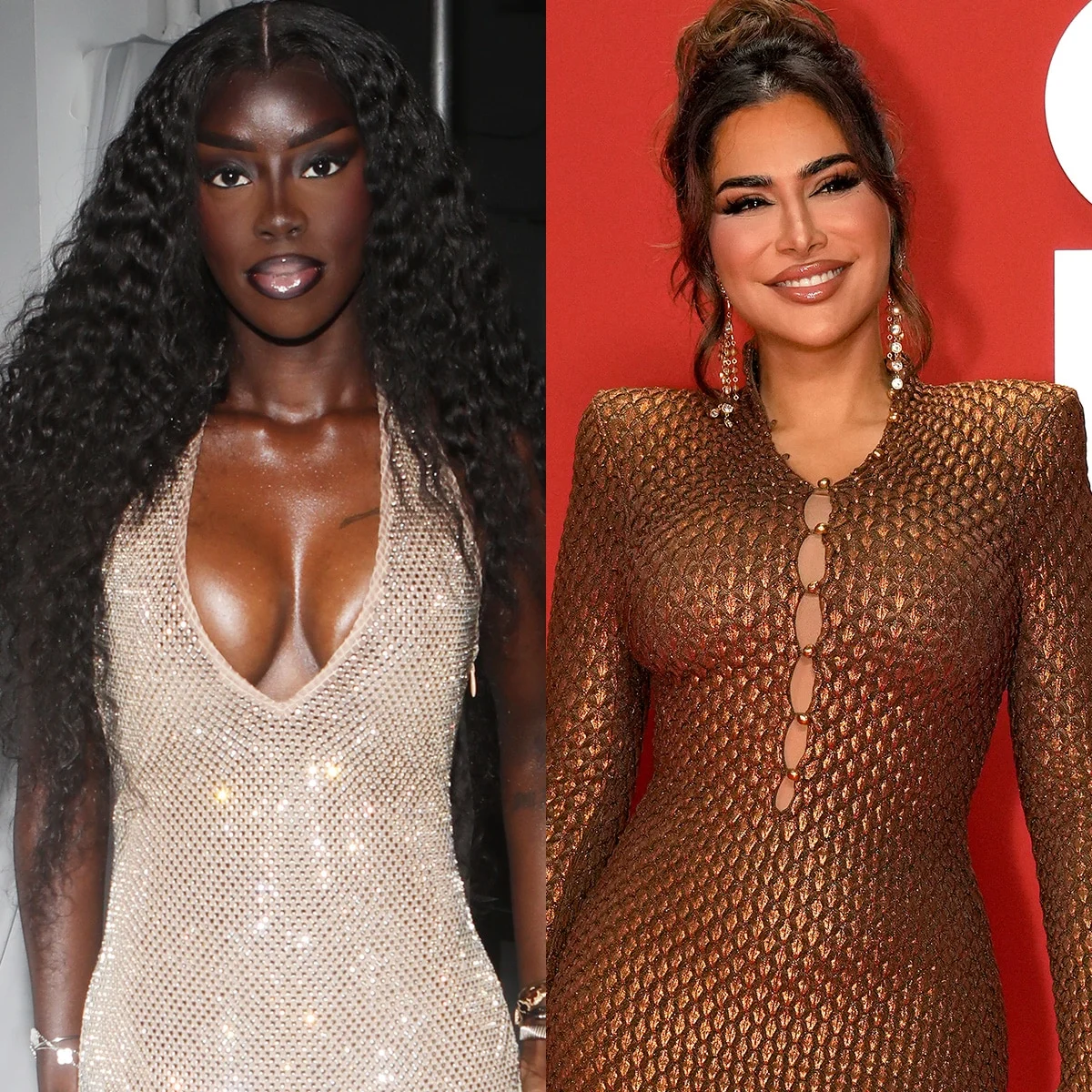
The beauty industry is currently navigating a period of intense scrutiny regarding diversity, equity, and inclusion, a movement that has brought the manufacturing and marketing practices of major conglomerates into the digital spotlight. At the center of the most recent controversy is Huda Beauty, the global cosmetics powerhouse founded by entrepreneur Huda Kattan, and its decision to discontinue the "Coffee Cake" shade of its popular setting powder in favor of a new iteration, "Coco Truffle." The move, which was intended to streamline product offerings, has instead ignited a critical conversation about the nuances of skin tone representation and the responsibilities of major beauty brands toward their most loyal demographics.
The Conflict: Shade Continuity and Consumer Feedback
The dispute gained momentum when beauty influencer and shade consultant Golloria took to social media to challenge the logic behind the brand’s product restructuring. For many consumers with deep skin tones, "Coffee Cake" was not merely a cosmetic product; it was a rare, reliable match in an industry that has historically struggled to cater to the full spectrum of melanin-rich complexions.
When Huda Beauty announced the transition to "Coco Truffle," the brand framed the decision as a strategic optimization. However, Golloria’s critique—which has since resonated with thousands of followers—centered on a fundamental misunderstanding of color theory. She argued that a shade occupying a similar depth on a color chart does not equate to a functional replacement. Undertones, which vary significantly even within dark-skinned populations, determine the efficacy of a setting powder. By replacing "Coffee Cake" without ensuring that the new product matched the specific, nuanced needs of the existing user base, Golloria argued that the brand prioritized corporate convenience over the actual needs of the community it claims to serve.
A Chronology of the Discontinuation Controversy
The tension did not arise overnight. It is the result of a series of decisions and communication gaps spanning several months:
- April 2026: Huda Kattan undergoes emergency surgery for a ruptured breast implant, a period of significant operational strain for the brand. During this time, internal discussions regarding the product portfolio, including the underperformance of "Coffee Cake," were finalized.
- Late 2026: Huda Beauty officially begins the rollout of "Coco Truffle," intending it to serve as the brand’s primary setting powder for deeper skin tones.
- Mid-November 2026: Feedback regarding the unavailability of "Coffee Cake" and the perceived mismatch of "Coco Truffle" reaches a boiling point on social media platforms, specifically Instagram and TikTok.
- November 20, 2026: Huda Kattan releases an official video statement addressing the controversy, acknowledging the shortcomings in the brand’s communication and the decision to pull "Coffee Cake" from shelves.
- Late November 2026: Golloria publicly responds to the apology, emphasizing that while the gesture is appreciated, the fundamental issue—the lack of variety for dark-skinned consumers—remains unresolved.
Supporting Data and Industry Context
The beauty industry has seen a radical shift since the "Fenty Effect" in 2017, which pushed brands to expand their shade ranges beyond traditional offerings. Despite this, data suggests that "inclusivity fatigue" is setting in. A 2025 industry report by the Beauty Equity Council noted that while 85% of major cosmetic brands have expanded their foundation ranges, fewer than 30% have successfully addressed the "undertone gap" for customers with skin tones in the darkest quartile.
This gap is exactly what Golloria identified. For a brand like Huda Beauty, which prides itself on high-performance formulas, the failure to recognize that "Coffee Cake" served a specific, underserved segment of the market represents a failure of market research. The financial implications are also clear: when a brand discontinues a "cult classic" shade, it risks alienating a core customer base that is increasingly vocal about their dissatisfaction, potentially leading to brand erosion in an era where consumer loyalty is fragile.
Huda Kattan’s Official Response
In her public address, Huda Kattan attempted to balance the brand’s business logic with a commitment to its ethical obligations. Kattan admitted that the decision to discontinue "Coffee Cake" was driven by internal metrics that suggested a lack of consumer satisfaction with the product. She acknowledged, however, that the brand erred by failing to retain the product until a proven, superior alternative was fully available and vetted by the community.
"Inclusivity is not about, ‘Yes, done, check, we’re inclusive.’ That to me is some of the things that are wrong with the industry," Kattan stated in her video address. She emphasized that the industry must move past performative diversity. Her admission that the company "should have kept it in stores" until a better solution was available serves as a rare admission of operational error from a brand founder of her stature.
The Broader Implications for Beauty Standards
The discourse between Golloria and Huda Beauty highlights a critical evolution in the power dynamics of the beauty industry. Historically, brands dictated trends and product availability; today, influencers and community experts function as a secondary layer of quality control and accountability.
This situation raises several key questions for the future of the industry:
- The Role of Shade Consultants: The emergence of figures like Golloria as experts who evaluate product viability for specific demographics signals that brands can no longer rely solely on internal focus groups. External expertise from members of the community is becoming essential.
- Product Lifecycle Management: Brands must adopt more transparent communication strategies when altering or discontinuing products that serve marginalized groups. Replacing a product is not a neutral act; it is a change that directly affects the daily routines of consumers.
- The Definition of Inclusivity: As Kattan noted, inclusivity is an ongoing process rather than a static goal. The industry is currently moving from a phase of "quantity" (having a high number of shades) to a phase of "quality" (having shades that are scientifically and aesthetically sound for all undertones).
Moving Forward: What Happens Next?
Huda Beauty has committed to reworking the "Coco Truffle" formulation and ensuring its availability, while simultaneously reflecting on the necessity of maintaining product diversity. For the consumer, the outcome remains to be seen. The public nature of this exchange has set a high bar for accountability.
Golloria’s final assessment—that "inclusion means making room for our differences, not asking us to settle for whatever is most convenient"—serves as a mission statement for the modern consumer. Whether Huda Beauty’s future product launches will reflect this lesson will be a key indicator of the brand’s long-term success. The industry is watching closely to see if Kattan’s apology translates into tangible changes in how "Coco Truffle" is brought to market and how future shade ranges are conceptualized.
As the brand moves into 2027, the pressure to demonstrate genuine commitment to dark-skinned consumers will likely increase. The incident serves as a stark reminder that in the social media age, brand reputation is inextricably linked to the ability to listen to, understand, and respect the specific needs of diverse consumer bases. The era of the "one-size-fits-all" approach to diversity is effectively over; the new standard requires technical precision, consistent communication, and a willingness to accept that the community knows its own needs better than any corporate board room.

