
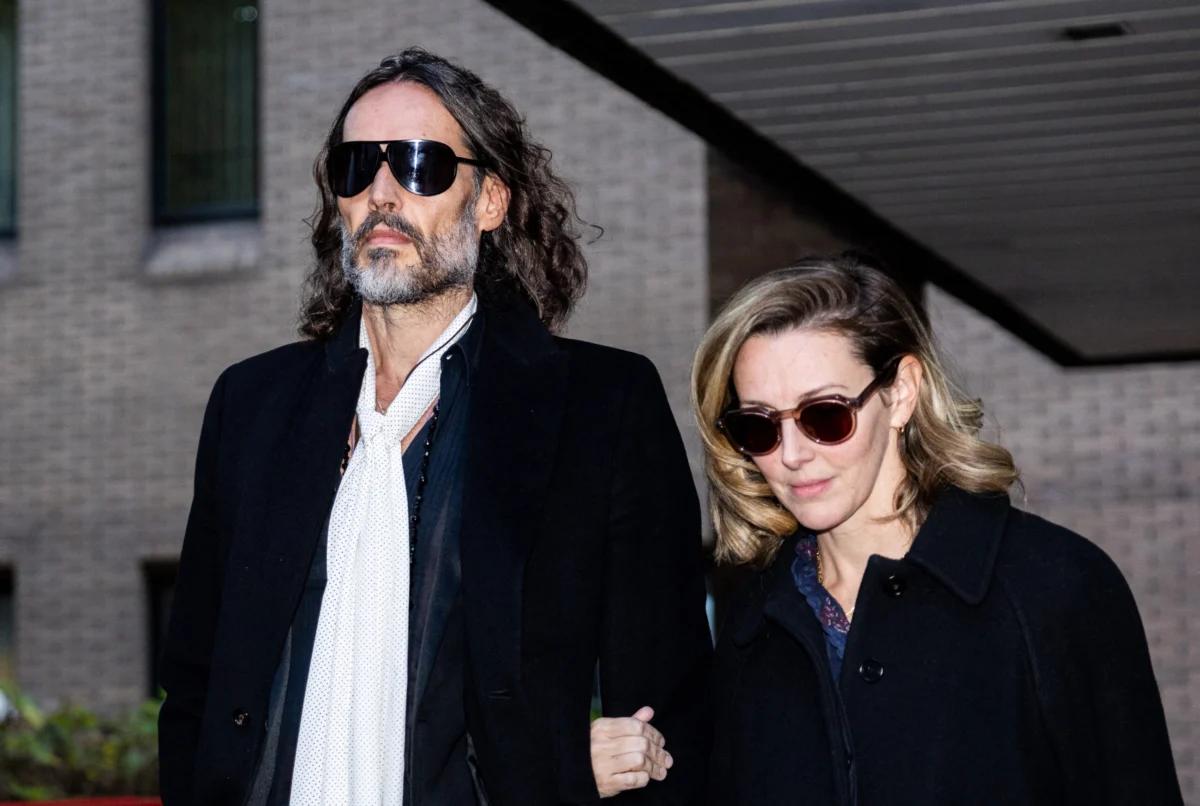
The legal proceedings surrounding Russell Brand reached a definitive conclusion this month as the British actor and media personality was sentenced to ten years and six months in prison. The verdict, delivered following a high-profile criminal trial in London, marks a profound shift in the trajectory of a career that spanned decades in comedy, acting, and digital activism. Following the sentencing, Brand’s wife, Laura Gallacher, addressed the public in a video statement, emphasizing their shared faith and the personal toll the conviction has taken on their family unit.
The Verdict and Sentencing Context
The conviction stems from a series of charges involving rape and sexual assault that were brought against Brand following extensive investigations into his conduct. The legal process, which has been monitored globally, culminated in a guilty verdict that led to a double-digit custodial sentence. In the British legal system, sentencing guidelines for such offenses are strictly calculated based on the severity of the acts, the vulnerability of the victims, and the absence of mitigating circumstances that might otherwise warrant leniency.
The sentencing of a public figure of Brand’s stature has reignited national debates regarding accountability, the intersection of fame and criminal conduct, and the effectiveness of the judicial system in addressing historical allegations. As Brand begins his term, the focus has shifted toward the finality of the court’s decision and the impact on the individuals involved in the case.
Chronology of the Case
The road to the current conviction was long and fraught with legal maneuvers. The allegations against Brand first surfaced in the public consciousness years prior to the trial, following investigative journalism reports that prompted police inquiries.
- Initial Allegations: The formal investigation commenced following a series of public disclosures regarding Brand’s behavior during his peak years of fame.
- The Indictment: After a comprehensive review by the Crown Prosecution Service, formal charges were filed, moving the matter from public discourse into the courtroom.
- The Trial: The trial itself, which took place in London, was characterized by intensive scrutiny from both the mainstream press and Brand’s own digital platforms.
- The Verdict: Earlier this month, the jury returned a guilty verdict on counts of rape and sexual assault.
- Sentencing: The presiding judge handed down the ten-year and six-month sentence, citing the nature of the offenses as the primary driver for the duration of the confinement.
Public Statements and Family Reaction
In a video uploaded to the "Sunday Service with the Brands" YouTube channel this past Sunday, Laura Gallacher addressed the situation directly. Gallacher, who has been married to Brand since 2017 and shares three children with him, presented a message of religious endurance. "We trust God, and we trust His plan, and we trust everything He’s doing right now," Gallacher stated. She acknowledged the personal difficulty of the transition, noting the absence of her husband from their daily lives.
Gallacher’s public support follows her earlier testimony during the trial, where she characterized Brand as a "caring and kind" partner. During that appearance, she testified to the transparency of their relationship, emphasizing that their marriage was built on honesty and clear communication. Her testimony was intended to counter the prosecution’s depiction of the defendant’s character, yet the jury ultimately found the evidence presented by the prosecution to be more compelling.
Brand, speaking in pre-recorded segments that were aired as part of the Sunday video, adopted a defensive tone regarding the media coverage of his trial. He likened the reporting of his case to a "football match," suggesting that the media outlets were more interested in the spectacle of his downfall than in the legal merits of the case. "We don’t really look at coverage, but someone showed me some of the coverage the other day from people that were actually broadly supportive," Brand remarked, framing the mainstream media’s narrative as biased and disconnected from his own experience of the trial.
Data and Legal Implications
The conviction of a high-profile celebrity for sexual offenses underscores a broader trend in the United Kingdom’s judicial approach to sexual violence. According to data from the Ministry of Justice, conviction rates for sexual offenses have seen fluctuations over the past decade, with increased efforts by the Crown Prosecution Service to streamline the processing of complex cases involving historical allegations.
The ten-year sentence reflects the gravity of the offenses for which Brand was convicted. Under current UK law, individuals sentenced to more than four years for such crimes are typically required to serve at least two-thirds of their term in custody, with the remainder served on license in the community, subject to stringent supervision and registration requirements. The inclusion of Brand on the sex offenders register is a mandatory consequence of his conviction, which will impose lifelong obligations upon his release.
Broader Societal Impact
The case of Russell Brand serves as a case study for the "Me Too" era’s impact on the entertainment industry. For years, Brand operated within the upper echelons of British media, transitioning from stand-up comedy to hosting major television programs and, more recently, curating a significant following on social media platforms where he promoted alternative health and political theories.
Critics of Brand have pointed to his shift toward "contrarian" digital content as an attempt to insulate himself from the allegations, arguing that he utilized his platform to delegitimize the media institutions that were investigating his past. Supporters, however, have maintained that the legal action was motivated by ideological opposition to his political views. The court’s decision to convict, however, grounded the case in criminal evidence rather than political theater.
The implications of this conviction extend to the platforms that host public figures. In the wake of the verdict, there has been increased pressure on digital media companies to implement stricter content moderation policies regarding individuals who have been convicted of serious violent crimes. While the legal process has concluded, the cultural conversation regarding how society handles the intersection of celebrity, digital influence, and criminal accountability is likely to persist.
Analysis of the Media Narrative
Brand’s critique of the "football match" style of media coverage highlights a disconnect between the defendant’s perception of his trial and the public interest in it. In legal journalism, trials involving high-profile figures are often subject to intense scrutiny because they serve as tests for the impartiality of the justice system. The "spectacle" Brand describes is, according to legal analysts, a necessary component of open justice, ensuring that the public can observe how the law applies to those who hold power or influence.
The use of his personal YouTube channel as a conduit for his defense represents a modern evolution of legal crisis management. By speaking directly to his audience, Brand attempted to bypass the filter of traditional journalism. However, the legal reality of the verdict suggests that while digital platforms can influence public opinion, they remain secondary to the empirical evidence presented in a court of law.
Conclusion
As Russell Brand begins his sentence, the focus of the public will inevitably turn toward the victims of his crimes and the finality of the legal process. The case remains a stark reminder of the complexities of modern celebrity, the power of judicial accountability, and the lasting impact of sexual violence on both victims and the families of those convicted. The coming years of his incarceration will likely serve as a period of reflection for the public on the standards of behavior expected of public figures, and the extent to which the legal system can deliver justice regardless of the fame of the accused. The narrative of Russell Brand, once defined by his rapid ascent in media, is now permanently marked by the findings of the London court, closing a significant chapter in the recent history of British entertainment and legal affairs.

