
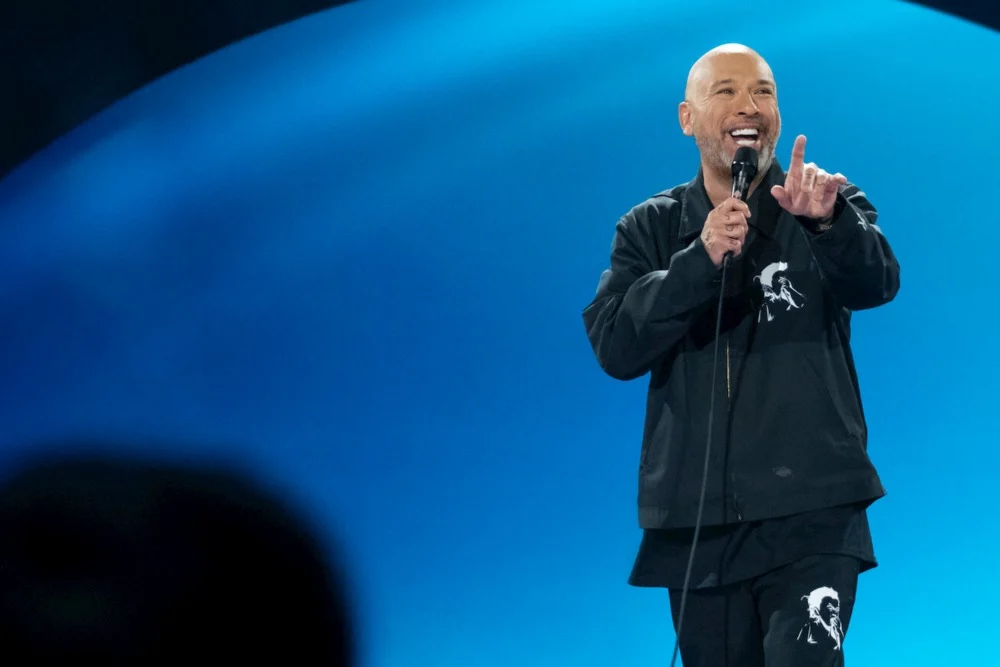
The release of Jo Koy: Blue in the Face, which premiered on Netflix on September 15, serves as the concluding installment of the two-special deal the comedian signed with the streaming giant in 2023. Recorded across two sold-out nights at an arena in Stockton, California, the special represents a departure from the traditional, polished stand-up format. By choosing the Central Valley city—a region with a profound and often painful history for the Filipino-American community—Koy sought to engage with his cultural roots, only to find his creative vision transformed by the atmosphere of the room.
A Historical Context of Stockton
Stockton’s relationship with the Filipino-American diaspora is complex. During the early 20th century, the city became a central hub for Filipino immigrants who moved to the Central Valley to work in agriculture. However, this history was marred by systemic discrimination, including the implementation of restrictive covenants, the segregation of public spaces, and the eventual displacement of the thriving "Little Manila" neighborhood to make way for urban highway development.
Koy, who had initially planned to open his set by confronting these historical grievances, found himself shifting his strategy upon walking onto the stage. The sight of a diverse, enthusiastic audience—a mosaic of Asian, Black, Latino, and white attendees—prompted an immediate, intuitive pivot. Rather than fixating on the exclusionary "No Filipinos Allowed" signs of the past, Koy opted to emphasize the progress of the present. This spontaneous decision underscored a central theme of the special: the importance of unity, keeping one’s inner circle tight, and honoring the resilience of those who paved the way.
The Craft Behind the Special
The production of Blue in the Face highlights Koy’s hands-on approach to his craft. While many comedians rely on outside editors, Koy prefers to shape the final product himself, treating the 55-minute runtime as a narrative bookend. He describes the process as a puzzle, meticulously cutting down two nights of material—each exceeding two hours—into a cohesive story.
This commitment to the editing bay is part of a broader, long-term trajectory for the comedian. Since his breakout, Koy has transitioned from club circuits to arena-filling headliner, a status cemented by his previous Netflix special, Live From Brooklyn. That performance, however, presented its own challenges, most notably regarding the unauthorized use of music associated with the Notorious B.I.G. The resulting legal and logistical hurdles led to a significant professional interaction with the late rapper’s mother, Voletta Wallace. The resolution of this situation, which granted Koy the rights to use specific imagery of her son, serves as a testament to the weight Koy places on legacy and professional accountability.
Institutional Recognition and Career Trajectory
As of late 2025, Blue in the Face has positioned itself as a major contender for the upcoming awards season. The special is currently under consideration for the Golden Globe in the category of Best Performance in Stand-Up Comedy on Television and is expected to be a significant entry in the Emmy race for Outstanding Variety Special (Pre-Recorded) in 2026.
These accolades follow a string of high-profile projects that have expanded Koy’s reach beyond the stage. His collaboration with Steven Spielberg’s DreamWorks, which resulted in the feature film Easter Sunday, provides context for his current creative standing. The film, which drew inspiration from the interpersonal dynamics of Koy’s own family, faced an uphill battle due to the timing of its release, which coincided with the post-pandemic resurgence of major blockbuster franchises like Top Gun: Maverick and Jurassic World. Despite these competitive pressures, the film’s performance validated the industry’s growing interest in authentic, culturally specific storytelling.

Cultural Impact and The Role of Narrative
Koy’s comedy is frequently noted for its reliance on his mother’s life story—a source material he insists is not a caricature but an accurate representation of the experiences of a first-generation immigrant. By documenting the resilience of his mother, who navigated racial prejudice in the 1980s while building a community through church and social networks, Koy has effectively humanized the immigrant experience for a global audience.
This focus on heritage is also evident in his voice-acting work, including projects like the animated film Forgotten Island. For Koy, these roles serve a dual purpose: they act as a medium for passing down Filipino folklore to a younger generation and allow him to engage with the cultural myths he grew up hearing. This trajectory—from the local Knights of Columbus halls in his youth to major studio backings—reflects a broader shift in the entertainment industry, where diverse narratives are increasingly seen as commercially viable and culturally essential.
Analytical Perspective on the Comedy Special
The success of Blue in the Face can be attributed to several factors:
- Strategic Market Selection: By choosing a "secondary" market like Stockton, Koy tapped into a demographic that is often overlooked by major production houses, resulting in higher engagement and a more authentic rapport with the audience.
- Technical Mastery: Koy’s insistence on self-editing allows for a seamless flow that avoids the common pitfalls of jump-cutting, which often alienates viewers from the rhythm of a live stand-up performance.
- Thematic Consistency: The special operates as a unified narrative regarding the importance of loyalty and community, a sharp contrast to the disjointed joke-delivery format seen in many contemporary specials.
The financial and creative success of the project also raises questions about the future of his partnership with Netflix. While no formal announcement has been made regarding a new deal, Koy has expressed satisfaction with the creative autonomy provided by the streamer. Industry analysts suggest that his ability to self-produce and maintain a tight, dedicated fanbase makes him a low-risk, high-reward asset for any major studio or platform.
Reflections on Mentorship and Legacy
When asked about his influences, Koy points to a distinct lineage of performers: Richard Pryor, Eddie Murphy, and Chris Rock. These selections provide insight into his own performance style. He cites Pryor’s Live in Concert as a formative influence that first defined his understanding of comedy, while Murphy’s Delirious serves as a benchmark for stage presence and confidence. Chris Rock’s Bring the Pain is categorized by Koy as a "cultural moment," highlighting his own aspiration to use comedy as a vehicle for social observation.
As Koy looks toward his next chapter, his advice to aspiring performers remains anchored in the lessons of his own career: a commitment to trial and error, the importance of listening to one’s creative instincts, and the necessity of resilience in the face of failure.
"Try everything," he says, reflecting on his journey from Joseph Herbert to Jo Koy. "Whatever is in your gut, do it. You only live once, so why listen to anything outside your gut?"
This ethos has served him well, from the days of performing in small clubs to the global stage. Whether he is negotiating with music rights holders, directing his own edits, or navigating the complexities of Hollywood, the consistent thread in Koy’s work is an unwavering focus on the people who shaped him. As he continues to balance the demands of global stardom with the intimate storytelling of his upbringing, Jo Koy remains a significant, if unorthodox, force in modern American comedy. The success of Blue in the Face is not merely a measure of ticket sales or streaming numbers, but an indicator of his ability to evolve alongside his audience, turning the weight of the past into the foundation for future creative endeavors.

