
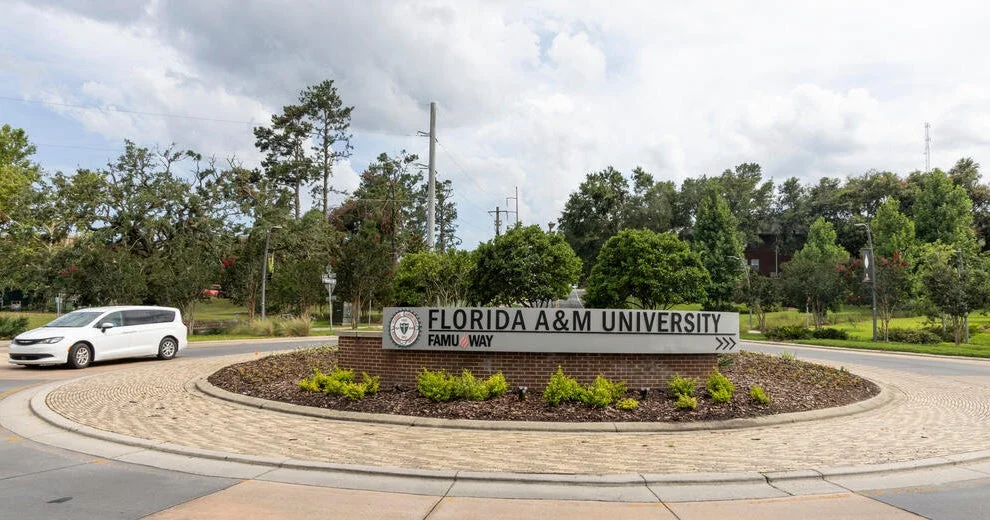
The tranquil atmosphere of Florida A&M University’s (FAMU) annual homecoming festivities was shattered on Saturday, October 25, 2026, when a violent altercation erupted into a mass shooting in close proximity to the university’s football stadium. The incident, which occurred during a weekend typically defined by school spirit, alumni reunions, and celebration, has left the Tallahassee community reeling and prompted a massive law enforcement response.
According to the Tallahassee Police Department (TPD), the shooting took place in a crowded area shortly after the conclusion of the university’s homecoming football game. What began as a verbal dispute between individuals rapidly escalated, resulting in gunfire that struck at least 12 victims. Among those injured were six children, a detail that has intensified the public outcry surrounding the incident.
A Chronology of the Incident
The sequence of events on Saturday remains under active investigation, but authorities have established a preliminary timeline. As thousands of spectators and alumni filed out of the stadium area following the game, a physical confrontation reportedly broke out among a group of people.
According to TPD reports, the dispute quickly turned lethal when at least one individual brandished a firearm and opened fire into the surrounding crowd. The gunfire caused immediate panic as bystanders fled the scene. Emergency responders were dispatched to the area at approximately 4:47 p.m. ET, following a surge of 911 calls.
By the time law enforcement arrived, the suspects had already fled the scene. Initial medical triage was conducted on-site before victims were transported to local hospitals. Of the 12 people injured, 11 suffered direct gunshot wounds, while others sustained injuries in the ensuing stampede to escape the gunfire. By Sunday, authorities confirmed that while five victims had been discharged, six remained under medical care, with one individual reported to be in critical condition.
The Ongoing Investigation
As of Sunday, October 26, the Tallahassee Police Department has reported that no arrests have been made. Investigators are currently canvassing the area for physical evidence and reviewing surveillance footage from the vicinity of the stadium.
Tallahassee Police Chief Lawrence Revell has emphasized the critical nature of community involvement in solving the case. "We know there are people who saw something, heard something, or may have video that could help us piece together exactly what happened," Chief Revell stated during a press briefing. The department has launched a dedicated tip line and an online portal where witnesses can upload photos and videos captured during the chaos.
The investigation is further complicated by the density of the crowd at the time of the shooting. Homecoming events at FAMU traditionally draw thousands of attendees, making it difficult for investigators to isolate the specific participants of the initial fight from the broader mass of people in the area. Forensic teams are currently analyzing ballistic evidence to determine how many shooters were involved and to identify the trajectory of the gunfire.
Institutional and Community Response
The shooting has prompted an outpouring of grief and condemnation from university leadership and local officials. FAMU President Marva Johnson addressed the incident on Sunday, expressing her profound sorrow and calling the event a "senseless and despicable act of violence."
"To all the victims, please know that we are with you and we are praying for your recovery, in body, mind, and spirit," President Johnson stated in a video message released via the university’s official social media channels. She noted that while the shooting occurred near the campus perimeter, the university remained a secure location, though the atmosphere on campus has shifted from one of celebration to one of mourning.
FAMU Head Football Coach Quinn Gray also weighed in on the tragedy, highlighting the contrast between the intended spirit of homecoming and the reality of the violence. "Homecoming is about family. It’s about coming home to celebrate everything FAMU means to us," Gray said in a statement posted to Facebook. "No one should leave our celebration in an ambulance, and no child should ever be caught in gunfire. This senseless violence has to stop."
Contextualizing Urban Gun Violence
The incident in Tallahassee serves as a sobering reminder of the challenges surrounding public safety during large-scale outdoor events. Mass shootings in the United States often peak in frequency during warm-weather months and large public gatherings, where high-density environments can turn localized disputes into mass-casualty events.
Statistically, public mass shootings in the U.S. have remained a significant public health concern. While schools and universities generally maintain strict security protocols on campus, the areas immediately surrounding these institutions—often public thoroughfares—frequently fall under the jurisdiction of municipal police, who face the monumental task of securing thousands of transient attendees during major events.
Criminologists often point to the "contagion effect" of public disputes, where the presence of firearms in high-stress or high-energy social environments increases the likelihood of a lethal outcome. In this instance, the presence of children at a university homecoming event underscores the indiscriminate nature of the violence, as bystanders—many of whom were uninvolved in the initial altercation—became victims of the stray gunfire.
Broader Implications for Event Security
The Tallahassee shooting is expected to trigger a review of security protocols for major university events across the state of Florida. Public institutions, which must balance the need for open, accessible campus environments with the necessity of protecting large crowds, face an increasingly difficult security landscape.
Analysts suggest that future homecoming events may see increased integration between campus police and city law enforcement, potentially involving more sophisticated surveillance tools, such as drone monitoring, license plate readers, and an increased presence of uniformed officers in peripheral areas that were previously considered "low risk."
Furthermore, the involvement of minors in the shooting has sparked a local dialogue regarding youth violence and the accessibility of firearms. Community leaders in Tallahassee are already discussing potential initiatives to engage local youth and address the underlying tensions that led to the Saturday afternoon fight.
Moving Forward
As the investigation continues, the focus for the Tallahassee Police Department remains on identifying the suspects. The lack of an immediate arrest suggests a complex investigative path, likely involving witness interviews and forensic analysis that may take weeks to conclude.
The Tallahassee community, known for its deep ties to FAMU and its vibrant social culture, is now left to grapple with the aftermath of a weekend that will be remembered for the wrong reasons. Counseling services have been made available to students and affected families, and there is a collective call for those with information to step forward to ensure that those responsible for the violence are held accountable.
The incident serves as a grim marker of the ongoing national struggle with gun violence, proving once again that even in moments of community pride and tradition, the threat of sudden, unexpected violence remains a pervasive reality. For now, the victims remain in the thoughts of the Tallahassee community as they continue their recovery, while the search for justice continues in the halls of the local police department.

