
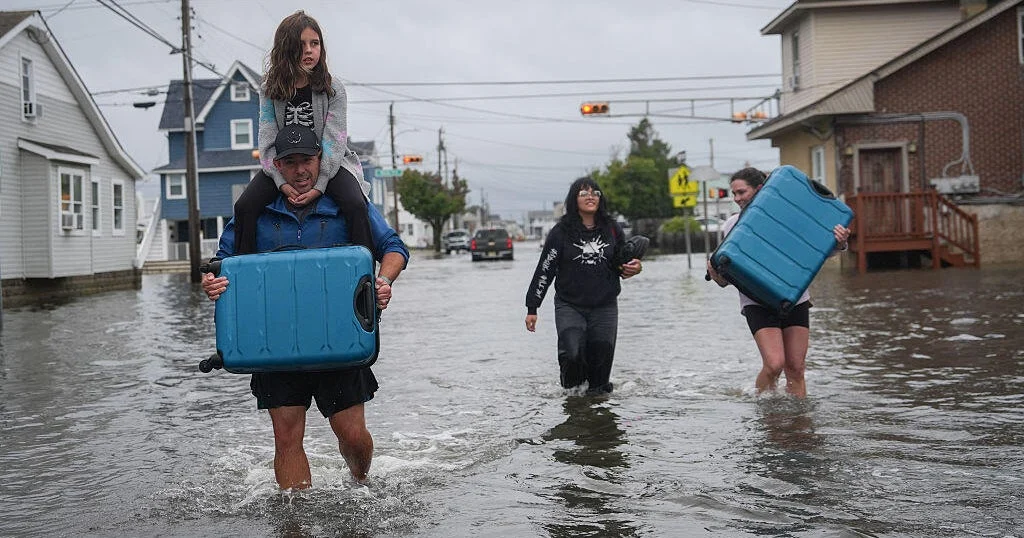
A slow-moving and exceptionally potent nor’easter is currently paralyzing the United States East Coast, delivering a relentless barrage of high-velocity winds, torrential rainfall, and destructive storm surges that have left tens of millions of residents under various weather alerts. As the system creeps along the Atlantic seaboard, it has already resulted in at least one confirmed fatality, widespread infrastructure damage, and significant disruptions to travel, commerce, and major public events from the mid-Atlantic to New England.
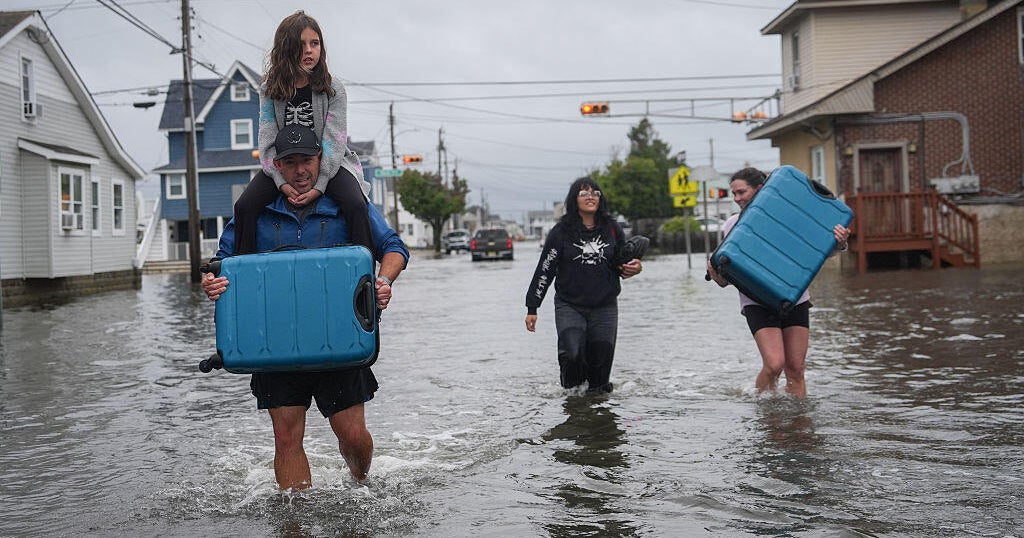
The storm, which intensified rapidly as it approached the coast on Friday, is characterized by its unusual duration. Meteorologists at the National Weather Service (NWS) report that the system is expected to stall and meander near the coastline through Monday, effectively turning the weekend into a protracted struggle against the elements for millions of citizens.
A Tragic Start and Growing Toll
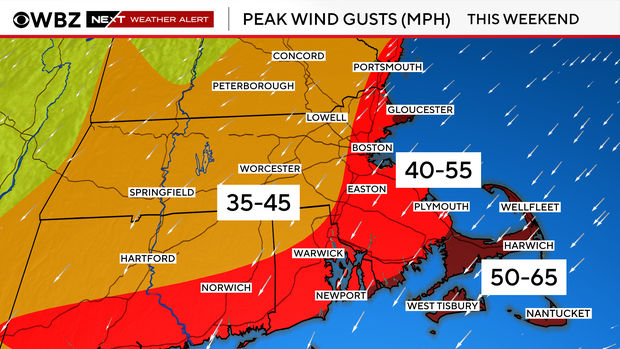
The human cost of the storm was realized early in the event when a 56-year-old man was struck and killed by a falling tree in Brooklyn, New York. The New York City Police Department and the New York City Housing Authority (NYCHA) later confirmed that the victim was a dedicated agency employee. This fatality serves as a grim indicator of the dangers posed by the high winds, which have been clocked at over 70 mph in some coastal regions.
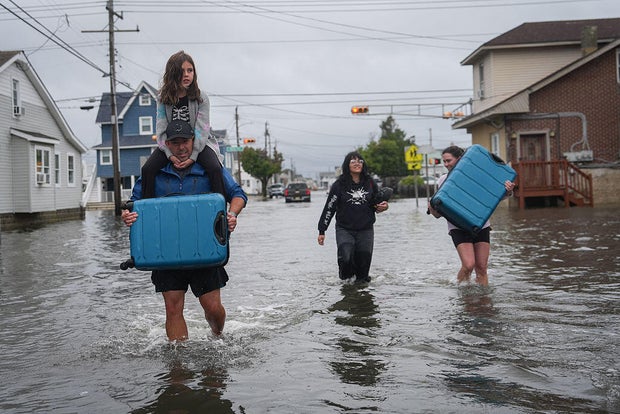
Beyond the immediate threat to life, the storm has severely compromised the regional power grid. As of Saturday evening, approximately 100,000 customers across the Northeast were grappling with total electricity failure. Repair crews are facing hazardous conditions as they attempt to restore service, often delayed by the persistent wind speeds that prevent the safe operation of bucket trucks and climbing equipment.
Meteorological Context and Forecast
The NWS has highlighted the unique seasonal timing of this nor’easter as a primary factor in its destructive potential. Because the event is occurring in late September, deciduous trees remain fully leafed. This heavy foliage acts as a sail, catching the high-velocity wind and creating immense leverage that causes branches to snap and entire trees to uproot. The ground, already saturated by heavy rainfall, offers little resistance to these falling hazards, leading to a cascade of downed power lines and blocked roadways.
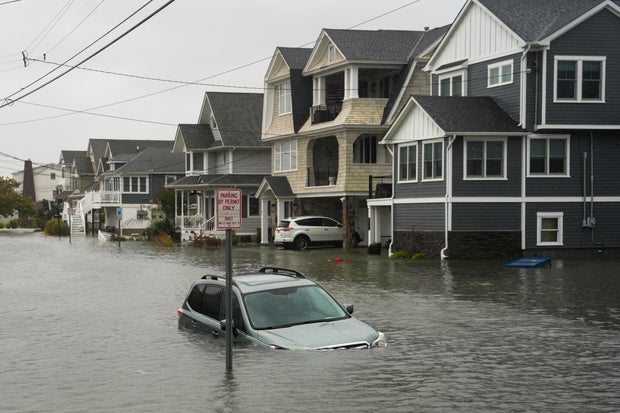
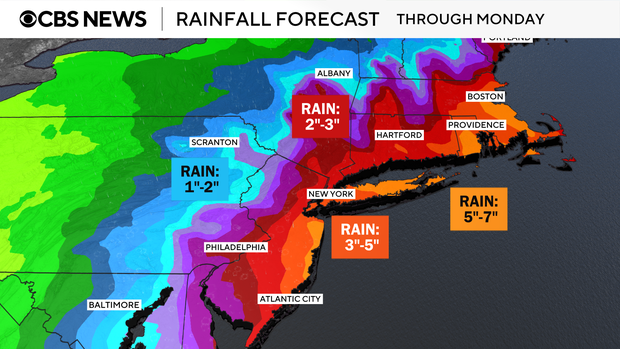
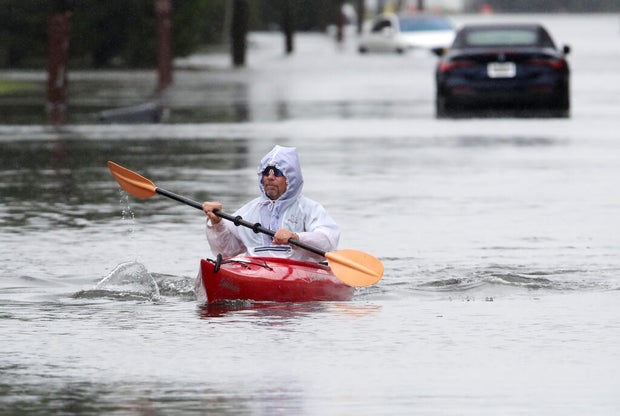
Rainfall projections remain a primary concern for emergency management officials. While 1 to 3 inches of rain has already fallen across Philadelphia and eastern New Jersey, meteorologists warn that parts of Long Island and southern New England could see accumulations reaching 5 to 7 inches before the system exits on Tuesday. These totals are expected to exacerbate urban flooding, overwhelm storm drainage systems, and trigger significant riverine flooding in low-lying inland areas.
Coastal Erosion and Infrastructure Vulnerability
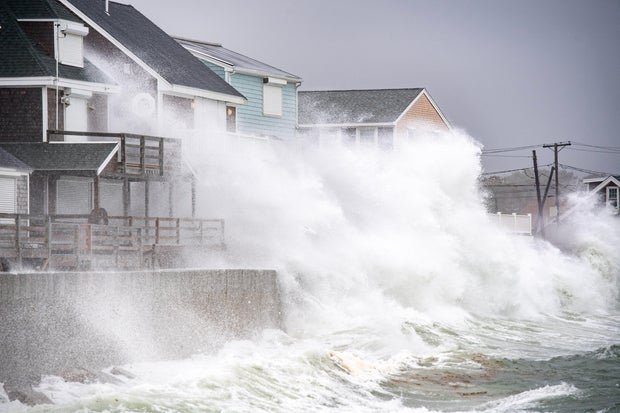
The storm’s impact is most visible in beachside communities where the convergence of high tides and strong northeasterly winds has created a surge that is pounding vulnerable infrastructure. In Scituate and Cohasset, Massachusetts, residents are witnessing waves reaching heights of 60 to 80 feet as they crash against seawalls.
These coastal defenses are currently under intense scrutiny. Some sections of the seawall are in a state of disrepair, with critical maintenance projects stalled due to recent federal funding cuts. This has left residential properties directly in the path of the ocean’s energy. In New Jersey, the story is much the same. Business owners, such as marina proprietor Kenny Formica in Surf City, have reported catastrophic losses, with vessels worth six figures being torn from their moorings and swept onto land or out to sea. Formica noted that the water intrusion into his facilities is of a magnitude not seen since the historic devastation of Hurricane Sandy.
Chronology of Disruptions
The logistical footprint of the storm has been immense, forcing a complete recalibration of life in the region:
- Friday: Major League Baseball announced a sudden schedule change, shifting a series finale between the Boston Red Sox and Chicago Cubs to Florida to avoid the worst of the weather. Simultaneously, hundreds of flights were grounded at Boston Logan International Airport.
- Saturday Morning: Major public gatherings were systematically dismantled. High-profile cancellations included the Ed Sheeran concert series at Gillette Stadium, the Oceans Calling Festival in Maryland, and the Global Citizens Festival in New York City.
- Saturday Afternoon: A wedding on North Carolina’s Hatteras Island was effectively transformed into a community event after a highway closure left the couple separated from the majority of their guests. The resilience of the local community provided an impromptu celebration despite the disaster.
- Ongoing: Ferry services between the mainland and barrier islands, including Fire Island, remain suspended, effectively isolating thousands of residents and visitors.
Official Response and Public Safety Measures
Governors and local mayors across the affected states have declared states of emergency, urging residents to avoid all non-essential travel. New York Governor Kathy Hochul emphasized that while the rainfall totals are alarming, the coastal flooding remains the most significant threat to life and property. "The rain is underway, but mark my words: Much more is coming," Hochul warned during a Saturday briefing.
In Massachusetts, local authorities have warned that the combination of high tides and the storm’s slow movement will result in multiple cycles of flooding. Residents in flood-prone areas have been issued voluntary evacuation orders, though emergency services remain on high alert for potential swift-water rescues should the situation escalate.
Implications and Future Resilience
The current nor’easter serves as a stark reminder of the vulnerability of the Northeast’s aging infrastructure to increasingly erratic weather patterns. Analysts note that while nor’easters are common in the winter months, their occurrence in early autumn presents different challenges, particularly regarding vegetation density and the lack of snow-mitigation protocols.
Furthermore, the delay in critical infrastructure repairs—specifically the seawalls and drainage systems—has amplified the damage caused by this event. As local municipalities weigh the costs of climate-resilient infrastructure against shrinking federal and state budgets, the economic impact of these storms is becoming harder to ignore. The loss of millions of dollars in tourism revenue, the cost of emergency operations, and the long-term expense of repairing destroyed residential property underscore the necessity for a comprehensive review of coastal protection strategies.
As of Saturday night, the storm continues its slow, grinding movement toward the New Jersey coast. While the region waits for the expected turn and eventual exit on Tuesday, the focus remains squarely on the safety of those in the storm’s path. Emergency personnel remain positioned throughout the region, prepared to handle the expected surge of service calls as the intensity of the winds and the volume of the rainfall reach their peak in the coming 24 to 48 hours. The endurance of this system suggests that for the affected millions, the recovery process will not truly begin until the skies clear and the waters recede later this week.

