
The annual gathering of the United Nations General Assembly in New York has transformed into a high-stakes diplomatic arena as world leaders grapple with the cascading consequences of the ongoing Middle East conflict, a severe global energy squeeze, and critical disruptions to vital maritime corridors. Highlighting the tension, Iranian Foreign Minister Abbas Araghchi announced that Tehran had tabled a comprehensive seven-day roadmap designed to de-escalate hostilities, reopen the blocked Strait of Hormuz, and restart comprehensive negotiations. However, the diplomatic overture quickly ran into resistance from Washington, with U.S. President Donald Trump publicly rejecting the terms while asserting total American military dominance over the crucial shipping lane.
The diplomatic friction in New York unfolds against a backdrop of escalating military actions across multiple regional theaters. In southern Lebanon, the Israel Defense Forces executed precision airstrikes targeting an alleged Hezbollah weapons storage facility in the Sejoud area. The Israel military stated that the strikes were preemptive measures aimed at neutralizing ordnance utilized against Israeli soldiers operating within the designated security zone—a strip extending roughly six to seven miles north of the Israeli border. These hostilities persist despite multiple short-term, internationally mediated ceasefires that have repeatedly faltered due to persistent mutual violations and Hezbollah’s outright rejection of trilateral frameworks previously brokered by the United States and the Lebanese government.
Simultaneously, the theater of conflict in the southern Arabian Peninsula has intensified sharply. Yemen’s Iran-backed Houthi movement has significantly expanded its campaign of maritime interdiction and aerial bombardment, imposing a de facto blockade across the Bab el-Mandeb Strait—the vital southern gateway to the Red Sea—and executing long-range drone and ballistic missile strikes targeting strategic Saudi infrastructure. Saudi air defense forces successfully intercepted and neutralized multiple aerial threats over the capital city of Riyadh and the southwestern military hub of Khamis Mushait. The renewed violence prompted the head of Yemen’s Saudi-backed Presidential Leadership Council, Rashad al-Alimi, to issue an urgent call for a general national mobilization to counter the Houthi advance, offering government pardons to defectors in an effort to stem the insurgents’ territorial gains along the Red Sea coast.
Chronology of Escalation and Diplomatic Maneuvers
The modern phase of the current regional confrontation traces its roots to late February, when the outbreak of direct military engagements between the United States, Israel, and Iran shattered preexisting security architectures in the Persian Gulf.
- Late February 2026: Outbreak of widespread military hostilities following coordinated strikes against Iranian military and nuclear infrastructure, immediately triggering retaliatory measures, including the effective closure of the Strait of Hormuz.
- June 2026: Brief diplomatic openings marked by the signing of the Islamabad memorandum of understanding and subsequent short-term ceasefires, which ultimately dissolved by July amid disputes over naval enforcement and traffic management in the gulf.
- July 14, 2026: The United States formally reinstates its naval blockade targeting ships entering or exiting Iranian ports, steadily escalating enforcement operations through the summer months.
- September 21–25, 2026: Opening of the 81st session of the United Nations General Assembly in New York, serving as the primary focal point for intense shuttle diplomacy led by regional mediators from Qatar, Oman, and international powers including Russia and China.
- September 25–26, 2026: Iranian leadership outlines a seven-day phased peace proposal during UN meetings, which is subsequently rejected by President Trump, who favors a posture of continued military enforcement and economic pressure.
Geopolitical Alignments and International Responses
The broader geopolitical ramifications of the conflict were heavily underscored by competing addresses and bilateral meetings at the United Nations. Iranian President Masoud Pezeshkian, who departed New York for Tehran following his address, defended his country’s diplomatic outreach while maintaining that Tehran remained open to genuine dialogue, even signaling readiness to permit renewed inspections by the International Atomic Energy Agency as part of a lasting peace agreement. Pezeshkian also used media appearances to deny any Iranian state involvement in alleged plots against American leadership and asserted that Supreme Leader Ayatollah Mojtaba Khamenei was in good health following the turbulence of the war’s opening months.
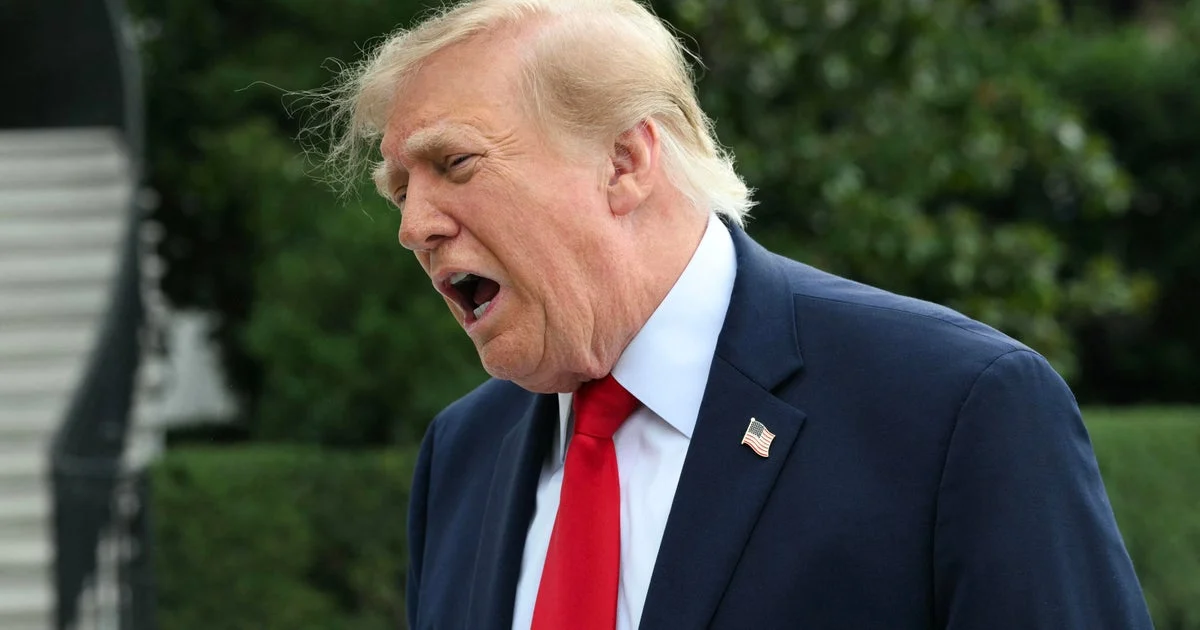
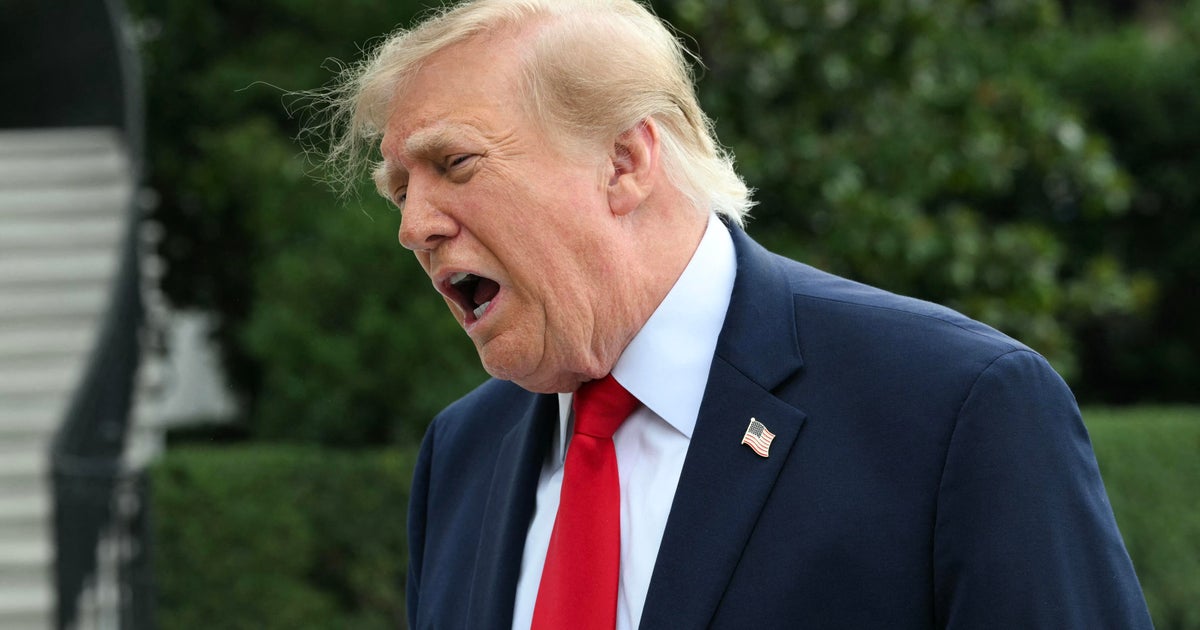
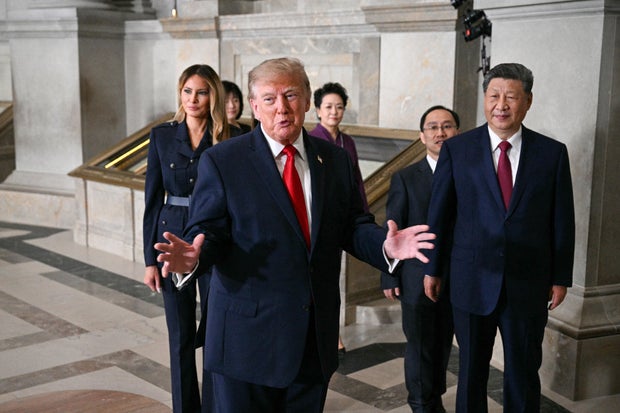
Conversely, the United States maintained a firm stance. President Trump, addressing reporters prior to departing for Tennessee, dismissed the Iranian proposal as an insincere maneuver born of desperation. Trump emphasized that U.S. naval forces maintain absolute control over the Strait of Hormuz, citing recent operations that escorted nearly 40 million barrels of crude oil safely through the corridor over a 48-hour window. This hardline posture was echoed by U.S. Ambassador to China David Perdue, who reiterated that Washington views any direct or indirect material assistance to Tehran—whether intelligence, military hardware, or economic evasion tactics—as entirely unacceptable. The warning followed discussions between President Trump and visiting Chinese leader Xi Jinping, during which the White House pressed Beijing to refrain from bolstering the Iranian war effort.
In response, Chinese Vice President Han Zheng used his General Assembly address to advocate for the strict respect of national sovereignty and the rule of law in Gulf states, carefully steering clear of direct confrontation with Washington while emphasizing the responsibilities of major global powers in preserving international security. Meanwhile, Russian Foreign Minister Sergei Lavrov announced Moscow’s readiness to assist in stabilizing the wider Gulf region and fostering a sustainable security architecture, though details regarding concrete implementation remained absent. Russia and Iran have maintained close bilateral ties throughout the crisis, exchanging technological coordination and logistical support.
Regional Stakeholders and the Humanitarian Toll
Regional powers have scrambled to insulate themselves from the shockwaves of the conflict. Omani Foreign Minister Badr Albusaidi used his UN platform to advocate for strategic self-restraint and renewed dialogue, formally reiterating Muscat’s enduring commitment to safeguarding navigation along the Omani coastline and the Strait of Hormuz. Similarly, Saudi Foreign Minister Faisal bin Farhan delivered a scathing critique of the international community’s failure to adequately protect Gulf shipping lanes, condemning attempts by hostile actors to utilize vital waterways as tools for political coercion. The diplomatic alignment between Riyadh, Ankara, and Islamabad was further cemented as military and foreign chiefs scheduled emergency defense talks following Houthi attacks that Saudi officials and international allies described as crossing critical security red lines—particularly regarding threats directed toward the Islamic holy city of Mecca.
The humanitarian fallout of the widened conflict has proven catastrophic, particularly within Yemen. The convergence of civil war dynamics and the Red Sea maritime blockade has crippled the domestic healthcare infrastructure. Medical facilities from Taiz to Aden are completely overwhelmed by a dual influx of trauma casualties and acute malnutrition cases, particularly among vulnerable children. According to the International Organization for Migration, over 130,000 individuals have been forcibly displaced by the recent western coastal offensive, pushing regional hospitals to the brink of total operational collapse.
Economic Implications and Global Market Pressures
The protracted disruption of energy supplies has triggered a severe global economic shock, reverberating across energy markets and financial capitals alike. The European Union’s energy commissioner, Dan Jorgensen, issued an urgent warning to member states detailing an escalating energy price crisis driven directly by the constraints on Middle Eastern oil and natural gas flows. Jorgensen urged European governments to enact aggressive demand-reduction measures and preserve strategic gas storage inventories ahead of the winter heating season.
In the United States, Wall Street analysts are closely monitoring forthcoming consumer inflation metrics, specifically the Personal Consumption Expenditures (PCE) price index. Persistent energy constraints have kept inflation stubbornly above the Federal Reserve’s targeted 2-percent threshold, directly driving up gasoline prices and escalating shipping expenditures across all consumer sectors. Despite slight downward corrections in international Brent crude futures—hovering near $104 per barrel following brief spikes earlier in the week—market sentiment remains acutely vulnerable to military developments in the Persian Gulf.
As diplomatic channels remain strained and preliminary peace frameworks face immediate rejection, the international community confronts an increasingly precarious trajectory. The interplay between military enforcement in maritime chokepoints, hardened negotiating stances in New York, and mounting humanitarian and economic pressures ensures that the Middle East crisis will remain at the very center of global geopolitical anxiety for the foreseeable future.

