
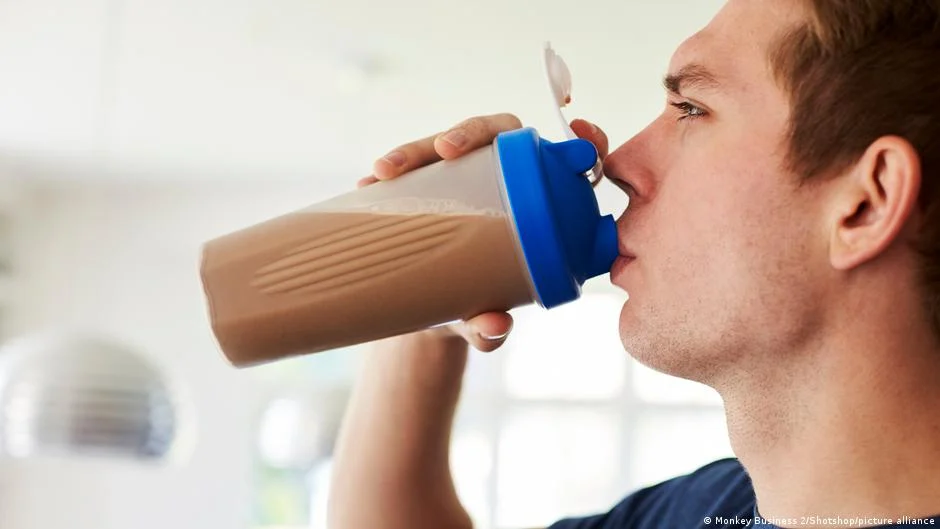
From the shelves of neighborhood grocery stores to the digital storefronts of social media influencers, protein-enriched products have transformed from niche athletic supplies into mainstream dietary staples. Once reserved for serious bodybuilders and elite athletes, protein powders, shakes, and fortified snack bars have permeated the daily routines of the younger generation. Whether it is a "protein-boosted" pudding, a fortified loaf of bread, or specialized drinks like Kindershake and Teen Balance, the food industry has successfully positioned these items as essential for health, performance, and aesthetic goals. However, as consumption rates among adolescents skyrocket, nutritionists, pediatricians, and public health experts are raising alarms about the necessity, safety, and long-term implications of this widespread trend.
A Growing Market and Shifting Habits
The surge in popularity of these products is not merely anecdotal; it is reflected in significant shifts in consumer data. According to analysis from the statistics portal Statista, the fitness protein product market in Germany experienced a remarkable 25% increase in retail revenue between March 2024 and March 2025. This growth is mirrored by behavioral changes documented in recent academic research. A 2024 representative survey conducted by the University of Michigan, which polled nearly 1,000 parents, revealed that nearly 50% of children aged 13 to 17 had consumed protein-enriched supplements within the previous year.
The motivation behind this consumption appears to be gendered. The survey found that adolescent boys primarily turn to these products to build muscle mass or to enhance performance in organized sports. Conversely, adolescent girls are more frequently utilizing these supplements as a tool for weight management or in an attempt to "balance" their diets. This reliance on processed, fortified foods suggests a fundamental misunderstanding of basic nutritional needs, as many adolescents—and their parents—appear to believe that protein supplements are a prerequisite for physical fitness or a healthy body composition.
Nutritional Requirements: Fact Versus Marketing
To understand the scope of the issue, one must first look at the biological necessity of protein. Proteins serve as the essential scaffolding of the human body, acting as the building blocks for muscle tissue, skin, organs, and bones. Furthermore, they are critical for the synthesis of enzymes that facilitate chemical reactions and antibodies that form the cornerstone of the immune system.
Despite the heavy marketing behind protein shakes, the German Nutrition Society (DGE) provides clear, evidence-based guidelines that contrast sharply with the consumption habits of the average modern teenager. For healthy adults, the DGE recommends a daily intake of 0.8 grams of protein per kilogram of body weight. For a woman weighing 65 kilograms, this translates to roughly 52 grams of protein per day—a goal easily achieved through a balanced diet of oats, wholemeal bread, dairy, or legumes.
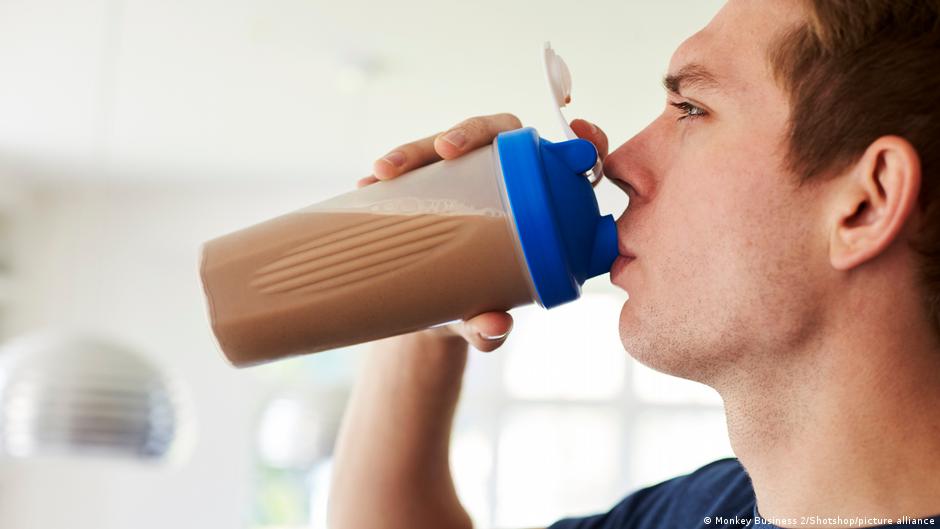
The requirements for adolescents are slightly higher due to the physical demands of growth, set at 0.9 grams per kilogram of body weight. For a teenager weighing 45 kilograms, the daily requirement is approximately 40.5 grams. Yet, data from a comprehensive German study conducted between 2015 and 2017 suggests that these guidelines are being significantly exceeded. The study found that approximately 50% of individuals aged six to 17 consumed more than double the recommended daily protein allowance. This "protein over-saturation" is rarely the result of a diet rich in natural whole foods, but rather the consequence of the proliferation of hyper-processed, protein-fortified snacks and supplements.
The Hidden Risks of Excessive Consumption
The trend toward hyper-protein diets carries documented health risks that are often overlooked by consumers. According to the DGE, sustained excessive intake of protein, particularly of animal origin, is associated with a higher likelihood of becoming overweight in childhood and adolescence. Beyond weight gain, some emerging research suggests a correlation between high-protein diets and the premature onset of puberty, a phenomenon that has prompted further investigation by pediatric endocrinologists.
Perhaps most concerning is the potential strain placed on the renal system. The human body processes protein by breaking it down into amino acids and subsequently converting these into urea for excretion via the kidneys. This metabolic process places a significant burden on the kidneys, which can lead to long-term damage, particularly if a person is chronically dehydrated or has undiagnosed pre-existing renal issues. While athletes pushing their bodies to the absolute limit might require higher intake levels—sometimes up to 2 grams per kilogram for those training more than five hours daily—these requirements are the exception, not the rule. The average, moderately active teenager, or even the recreational gym-goer, remains well outside the biological threshold that would necessitate such supplementation.
The Problem with Processed Supplements
Beyond the quantity of protein consumed, the quality of the delivery mechanism is a major point of contention for health experts. Commercial protein powders and bars are rarely pure protein. They are frequently formulated with an array of additives, including artificial sweeteners, refined sugars, artificial flavorings, and thickening agents.
Furthermore, the integrity of the supplement industry has been called into question. Investigations by organizations such as the German Sport University in Cologne have uncovered instances where protein products were found to contain undeclared doping substances. Even when products are technically "clean," they often replace nutrient-dense, whole-food meals. Nutritionists warn that when a teenager replaces a meal with a shake, they miss out on essential fiber, vitamins, minerals, and healthy fats that are naturally present in a standard diet.
There is also an aesthetic and dermatological dimension to the trend. Many protein powders are derived from milk, specifically whey. Evidence suggests that high levels of dairy protein intake can stimulate sebum production, which may trigger or exacerbate acne in adolescents. While a direct, causal link between every protein shake and skin inflammation remains a subject of ongoing study, the clinical observations are consistent enough to warrant caution.

The Economic Cost of Convenience
The "protein-enriched" label has become a potent marketing tool that often carries a significant price tag. A 2022 study by consumer advocacy groups found that products naturally high in protein—such as cottage cheese, legumes, or soy products—often experience a price markup when manufacturers add "high protein" branding to the packaging. Consumers are effectively paying a premium for a nutrient that is readily available at a fraction of the cost in its natural, unprocessed form.
For the vast majority of the population, including those who engage in regular physical activity, the DGE maintains that diet optimization—not supplementation—is the optimal path. There is no robust scientific evidence to support the claim that the human body requires protein-enriched food supplements to recover from or perform during standard levels of physical exercise.
Conclusion: A Need for Nutritional Literacy
The current reliance on protein supplements among the youth is a manifestation of a broader shift in how society views nutrition. By reducing health and body composition to a single, quantifiable metric—protein intake—the market has successfully incentivized the consumption of expensive, processed, and potentially harmful products.
While there are specific clinical instances where protein supplementation is appropriate—such as for individuals with severe digestive disorders, difficulty chewing or swallowing, or diagnosed protein deficiencies—these cases represent a tiny fraction of the market. For the average teenager, the focus should shift away from synthetic powders and toward a balanced intake of fiber-rich plant proteins, vegetables, and whole grains. As public health agencies continue to monitor the long-term impact of this "protein boom," the consensus remains clear: nature provides the necessary nutrients, and the most effective way to build a healthy body is through a diet that prioritizes whole, unprocessed foods over the convenience of a shake. Education, rather than supplementation, is the key to safeguarding the health of the next generation.

