
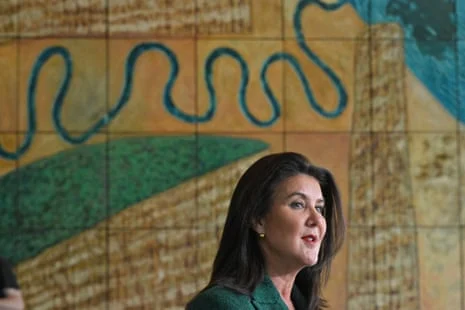
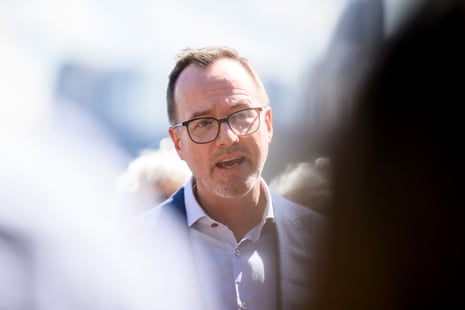
The Australian Greens are facing a pivotal juncture as senators David Shoebridge and Steph Hodgins-May formally announced their joint ticket for the party’s upcoming leadership ballot. The confirmation, released via social media and backed by a strongly worded policy manifesto, injects a fresh and combative dynamic into a leadership race already crowded with high-profile figures. With outgoing leader Larissa Waters stepping down, the contest is shaping up to be a defining moment for the minor party as it navigates shifting political landscapes, economic pressures, and rapid technological disruption.

The joint ticket positions Shoebridge and Hodgins-May as a reform-minded, aggressive alternative not just to the conservative opposition, but directly to the ruling Labor Party. In their manifesto, the pair made their intentions explicit, stating that they do not seek to reform Labor, but rather to replace them. This sharper rhetoric signals a strategic pivot for the Greens, who have traditionally balanced cooperation with the government on key legislation with tactical pressure. By drawing a hard line against the major parties, the candidates are attempting to capture a disenfranchised electorate disillusioned with incremental policy changes amid mounting cost-of-living pressures.
Policy Platform and Ideological Direction

The Shoebridge-Hodgins-May ticket has built its campaign around a populist yet progressive platform aimed at addressing economic insecurity and environmental degradation. Central to their pitch are measures such as guaranteed pre-school meals for children, a strict policy of "no new coal and gas" approvals, and aggressive regulation of multinational technology firms.
Notably, the platform takes direct aim at what the candidates describe as "a wave of US billionaire tech bros and their vampire AI data centres." This focus on digital infrastructure and artificial intelligence coincides with heightened domestic anxieties regarding data sovereignty and cybersecurity, following recent high-profile breaches affecting Australian public infrastructure. Furthermore, the candidates have thrown their support behind proposals championed by former MP Max Chandler-Mather to democratize party structures. They advocate for giving ordinary party members a direct vote in leadership elections, moving away from a strictly parliamentary ballot to foster what they term a "bigger mass movement."

Crowded Leadership Field and Context
The entry of Shoebridge and Hodgins-May brings further complexity to a packed leadership contest. The vote, scheduled to take place today, follows months of internal strategic reassessment and public commentary from senior party figures, including founding figures like Bob Brown and former leader Adam Bandt.
Other high-profile contenders include Mehreen Faruqi and Nick McKim, running on a joint ticket for leader and deputy respectively, alongside Senator Sarah Hanson-Young, who has also mounted an independent campaign. The diversity of the candidates highlights ideological fractures and strategic choices within the party room: whether to pursue a cooperative balance of power or adopt a disruptive, uncompromising posture designed to erode Labor’s traditional working-class and progressive base.
Broader Political and Economic Backdrop
The leadership showdown occurs against a turbulent macroeconomic and political backdrop. The Reserve Bank of Australia recently pushed cash rates to their highest level in 15 years, sparking intense political fallout. Deputy Opposition Leader Jane Hume seized upon the rate rise during morning broadcasts, arguing that domestic inflationary pressures stem directly from government spending under Treasurer Jim Chalmers. The Coalition has attempted to frame the economic strain as a failure of fiscal management, asserting that independent central bank governor Michelle Bullock has been forced to shoulder the burden of controlling inflation due to inadequate government restraint.
Simultaneously, the federal government is grappling with systemic cybersecurity vulnerabilities following a major breach involving OpenAI’s systems and Medicare infrastructure. In response, Acting Home Affairs Minister Richard Marles ordered a rapid, government-wide stocktake of legacy IT systems. Abigail Bradshaw, director general of the Australian Signals Directorate, emphasized the necessity of proactive fortification and praised steps taken by tech providers to secure critical financial, health, and energy networks against emerging threats.

Implications for the Australian Political Landscape
The outcome of the Greens leadership ballot will resonate far beyond the party room. As minor parties contend with the rising influence of populist movements on the political right—such as One Nation—the Greens are attempting to consolidate their appeal by offering robust economic security paired with uncompromising climate action.
If the Shoebridge-Hodgins-May ticket succeeds, it could herald a more confrontational parliamentary strategy, particularly regarding resource project approvals and environmental legislation. Conversely, a victory by a more institutional ticket could signal continuity in how the party negotiates policy compromises in the Senate. As balloting gets underway, the decisions made by the Greens’ parliamentary caucus will set the tone for progressive politics in Australia leading into the next electoral cycle.

