
A 41-year-old active-duty member of the United States Army was taken into custody near Gloucester, England, on Tuesday following a high-stakes counter-terrorism operation that has sent shockwaves through the transatlantic intelligence community. The arrest, executed by British authorities in close coordination with American federal agencies, marks a rare and serious development in the ongoing efforts to identify and neutralize insider threats within the Western military apparatus. According to the London Metropolitan Police, the individual is currently being held at a London police station as investigators examine allegations pertaining to potential espionage and illicit activities involving Russia.
The operation involved the search of two separate locations within the Gloucestershire region, an area known for its high concentration of sensitive defense and intelligence facilities. While authorities have remained tight-lipped regarding the specific nature of the classified information allegedly compromised, the involvement of the Federal Bureau of Investigation (FBI) and the US Army Counterintelligence Command underscores the gravity of the situation. The incident highlights the persistent vulnerability of military structures to internal compromise and the increasingly aggressive posture of state-sponsored intelligence operations targeting Western security assets.
A Chronology of the Investigation
The apprehension of the soldier was the culmination of a covert, multi-agency investigation that had been unfolding for several months. While the public only became aware of the arrest this week, the coordination between the UK’s Counter Terrorism Policing (CTP) unit and American counterparts suggests a sophisticated surveillance operation aimed at identifying the extent of the soldier’s alleged interactions with foreign actors.
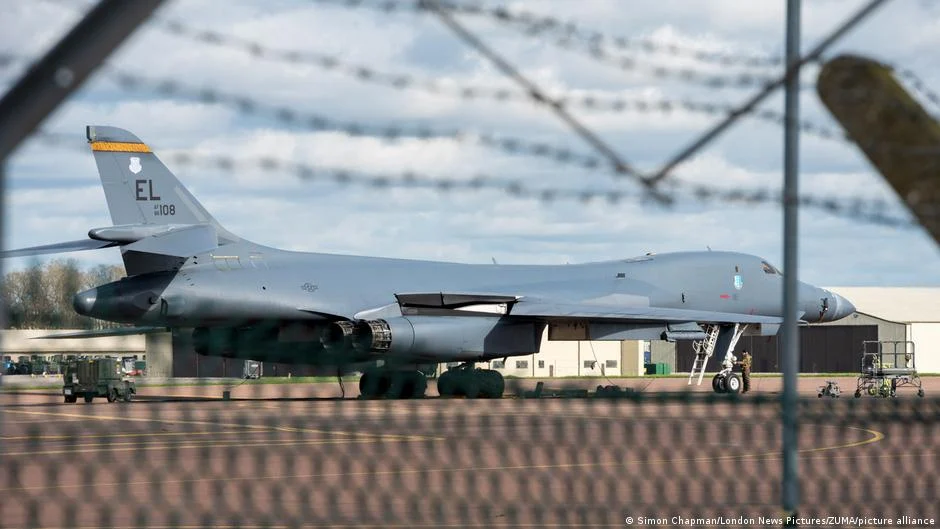
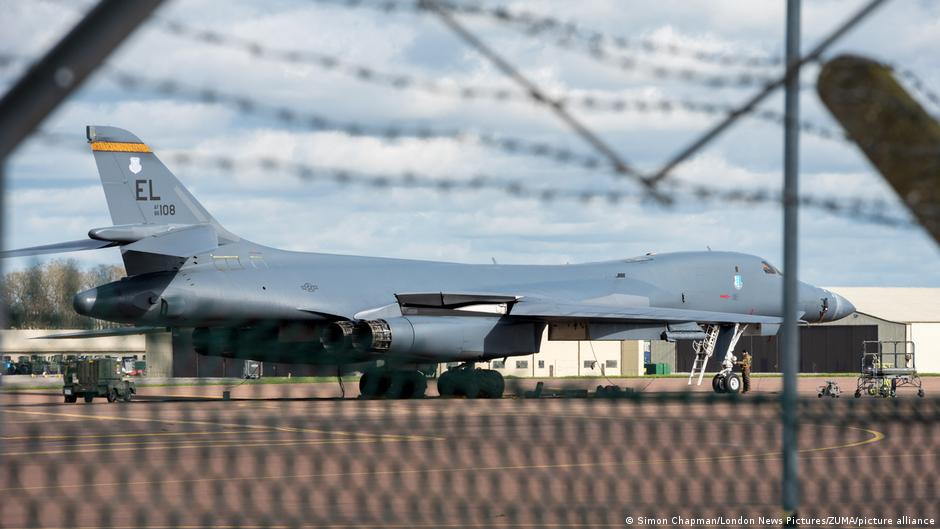
The timeline of the investigation, while largely classified, points to a period of heightened vigilance in the Gloucestershire area. Earlier this year, security concerns were raised in the region following an unrelated incident near RAF Fairford, a strategic airbase used frequently by US Air Force bombers. While the two events are officially being treated as separate, the proximity of these security breaches has led to a review of physical and digital security protocols at military installations across the West of England.
On Tuesday morning, tactical teams executed coordinated warrants at two locations near Gloucester. The suspect was taken into custody without incident. By Tuesday evening, the Metropolitan Police confirmed the arrest, clarifying that the investigation is being led by counter-terrorism officers who specialize in state-level espionage threats.
Strategic Significance of the Gloucestershire Region
The selection of the Gloucestershire area as a hub for this investigation is not coincidental. The region serves as a critical nexus for the "Five Eyes" intelligence alliance—the cooperative network comprising the United States, United Kingdom, Canada, Australia, and New Zealand.
Cheltenham, a town adjacent to Gloucester, is the site of the Government Communications Headquarters (GCHQ), the United Kingdom’s signals intelligence agency. GCHQ works in tandem with the US National Security Agency (NSA) to intercept and analyze global communications. Furthermore, the area hosts a dense network of defense contractors, satellite communications hubs, and military training grounds. The presence of a US service member in this specific environment, particularly one with access to sensitive intelligence, represents a target of high value for foreign intelligence services, particularly those of the Russian Federation, which has historically prioritized the monitoring of Western military communications and tactical maneuvers.
Official Statements and Institutional Reaction
The public response from high-ranking officials in both the United States and the United Kingdom reflects a unified stance against the perceived threat of domestic or internal subversion.
Deputy Assistant Commissioner Vicki Evans, the Senior National Coordinator for Counter Terrorism Policing, characterized the arrest as a "significant" success for international cooperation. "The allegations are serious and our investigation is very much ongoing," Evans noted in a formal statement. "This is a testament to the seamless collaboration between UK and US authorities in identifying threats that transcend national borders."
From the American side, the rhetoric was equally stern. FBI Director Kash Patel emphasized that the case serves as a warning to anyone holding a security clearance who might consider betraying their oath. "This FBI has no tolerance for anyone who breaks their oath to the United States and whose actions endanger our national security and that of our partners," Patel said. He extended his gratitude to the various branches of UK law enforcement, noting that the FBI would continue to provide full support as the prosecution moves forward.
Brigadier General Sean Stinchon, the commanding general of the US Army Counterintelligence Command, provided a sobering perspective on the internal nature of the threat. "The alleged conduct of a senior soldier, entrusted with sensitive information, is a sobering reminder that insider threats are real and persistent," Stinchon stated. He further emphasized that the counterintelligence community is committed to rooting out such threats regardless of the rank or tenure of the individual involved.
Analysis: The Persistent Threat of Insider Espionage
The arrest of a senior soldier for alleged ties to Russia underscores a shift in how modern intelligence agencies view "insider threats." Traditionally, counterintelligence focused on external hackers or foreign spies attempting to infiltrate secure networks. However, the current geopolitical landscape, marked by the conflict in Ukraine and heightened tensions in Eastern Europe, has made the recruitment of "insiders" a primary objective for Russian intelligence services like the GRU (Main Intelligence Directorate) and the FSB (Federal Security Service).
An "insider threat" is defined by the Department of Defense as a person with authorized access who uses that access, either maliciously or unintentionally, to harm the mission, resources, personnel, or facilities of the United States. In this instance, the 41-year-old soldier’s rank and access to sensitive information suggest a level of clearance that would have required years of vetting.
The implications of this arrest are threefold:
- Vetting and Continuous Evaluation: The incident will almost certainly trigger a top-to-bottom review of the "Continuous Evaluation" (CE) programs used by the US military. CE programs are designed to monitor the behavior and financial patterns of personnel with security clearances to spot red flags before they manifest as acts of treason.
- Transatlantic Security Protocol: The success of the operation highlights the strength of the UK-US intelligence relationship, but it also raises questions about how foreign military personnel are monitored while stationed on British soil. The incident may lead to stricter oversight of US military personnel integrated into UK-based command structures.
- Diplomatic Fallout: The direct mention of Russia in the police statement is a calculated diplomatic signal. It publicly identifies Moscow as an active participant in espionage operations against the Western military alliance. This will likely result in further diplomatic friction, potential expulsions of intelligence officers operating under diplomatic cover, and a further hardening of military communication protocols.
Moving Forward: Legal and Military Consequences
As the investigation enters its next phase, the soldier faces the prospect of prosecution under both the Uniform Code of Military Justice (UCMJ) and potentially the UK’s Official Secrets Act, depending on where the specific acts of espionage were committed.
The legal proceedings are expected to be lengthy and highly secretive. Much of the evidence, which likely includes digital logs, encrypted communications, and intelligence documents, will be protected under strict security orders. For the US Army, the priority will be to conduct a "Damage Assessment"—a comprehensive review to determine exactly what information was accessed, what may have been transmitted to foreign handlers, and how those vulnerabilities can be closed.
The case serves as a stark reminder that in the shadow of modern geopolitical competition, the most dangerous battlefield is often the one inside the secure facility, where the trust placed in an individual can be turned against the institution itself. As the investigation continues, the international security community will be watching closely, mindful that this arrest is likely one chapter in a much larger, ongoing shadow war.

