

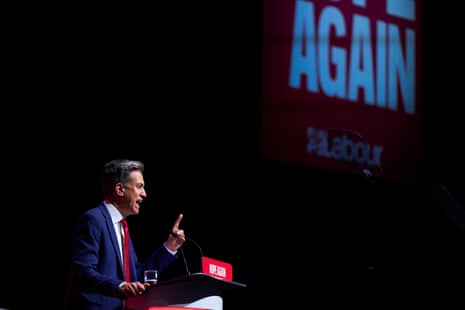
The Labour Party conference in 2026 has provided a stage for senior government figures to outline sweeping visions for Britain’s domestic and international policy. Delivering a keynote address that drew widespread praise and sustained applause, Foreign Secretary Ed Miliband framed the United Kingdom’s future foreign policy around the lived experiences of his refugee parents. Speaking to delegates, Miliband argued that the current global order requires an urgent, collective rebuilding effort, citing the return of war to Europe, democratic erosion, and emerging technological and environmental threats.
The foreign secretary’s address anchored a packed conference agenda that also featured defence announcements, critiques of opposition parties, and strategic shifts regarding international alliances and Middle Eastern policy. As the Labour administration navigates complex fiscal realities and prepares for upcoming parliamentary battles, the conference has served as a critical testing ground for the government’s long-term legislative and diplomatic ambitions.

Rebuilding the Global Order and Honoring Family Legacy
Miliband opened his speech by reflecting on the journeys of his parents, framing their survival of the Holocaust and World War II as the moral compass guiding his tenure at the Foreign Office. Describing his father’s escape from Belgium and subsequent service in the Royal Navy, alongside his mother’s harrowing years in hiding in Poland, Miliband asserted that his family history instilled a profound "survivor’s responsibility."
He told the conference that his parents viewed post-war Britain as a "beacon of light against the darkness," noting that the post-war Labour government played a foundational role in establishing NATO, the United Nations, and ratifying the European Convention on Human Rights. Drawing a direct line from past achievements to contemporary challenges, Miliband warned that the international architecture is fracturing.
"We need to be honest about the world we confront," Miliband said. "War has returned to Europe. Democratic norms are under threat as they haven’t been for generations. The international rule of law is being brazenly flouted. New threats have emerged from the climate crisis to AI."
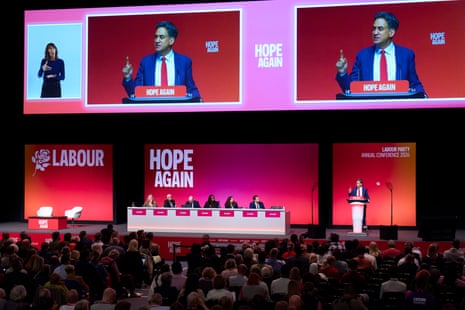
He emphasized that defending democracy, the rule of law, and fundamental freedoms is not merely an idealistic pursuit, but the only viable strategy to secure national interests, stability, and long-term prosperity.
Strategic Shifts on Gaza and Foreign Policy Actions
In one of the most closely watched moments of the conference, Miliband addressed the protracted conflict in Gaza, offering a direct acknowledgement of public discontent regarding the government’s previous diplomatic posture. Earning the loudest and most sustained applause of the session, he told pro-Palestinian campaigners and millions of citizens moved by the humanitarian crisis that their calls had been heard.
"You were right," Miliband declared, detailing a significant reset in Labour’s approach under Prime Minister Andy Burnham’s leadership.
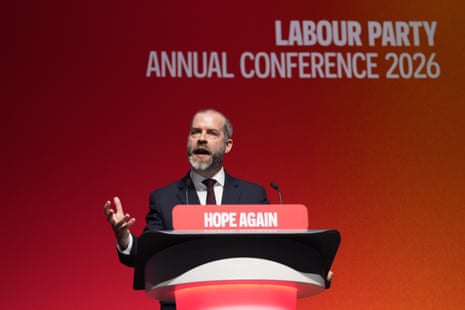
The foreign secretary outlined concrete policy measures designed to match diplomatic rhetoric with punitive actions. The government committed to banning the import of goods originating from illegal settlements in the West Bank, disrupting supply chains involving British finance and construction services tied to these settlements, and forcefully opposing actions that threaten the viability of a two-state solution.
Furthermore, Miliband reinforced the UK’s steadfast backing of Ukraine, warning that allowing Russian President Vladimir Putin to prevail would prioritize the rule of force over sovereignty and self-determination across Europe. He confirmed that Britain will continue to provide robust military and humanitarian support, rejecting suggestions that the nation should distance itself from the conflict.
Deepening European Ties and Confronting Emerging Technologies
Expanding on Britain’s geopolitical alignments, Miliband made a forceful case for a "stronger, deeper partnership" with the European Union. He argued that geography is merely the starting point for Europe’s importance to the UK, describing the bloc as an indispensable partner for projecting shared values and advancing economic, defensive, and security interests.
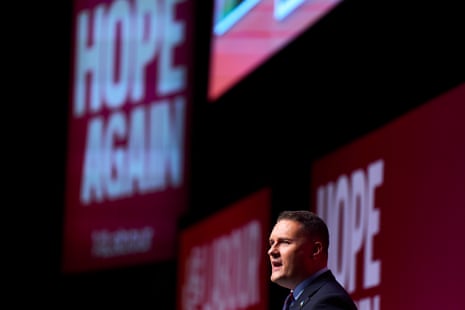
In addition to traditional geopolitical concerns, Miliband addressed the dual nature of artificial intelligence, warning against the unchecked influence of major technology corporations. He announced that the UK will utilize its upcoming G20 presidency next year to spearhead global regulatory efforts and establish binding guardrails for AI development, asserting that corporations cannot be relied upon to prioritize public welfare over profit maximization.
On the climate front, Miliband issued a sharp warning to political opponents—specifically naming Reform UK and the Conservative Party—arguing that climate denialism and obstructionism directly compromise national security and leave future generations vulnerable to environmental catastrophe.
Defence Spending and Ministerial Precedents
Prior to Miliband’s address, Defence Secretary Wes Streeting took to the stage to defend the government’s military investments and outline Labour’s credentials on national security. Drawing parallels between the Attlee government’s creation of the National Health Service and its foundational role in establishing NATO, Streeting framed national defence as inseparable from social security and public well-being.
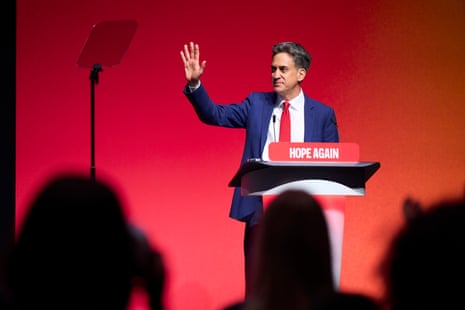
Streeting launched a robust attack on Conservative leadership, claiming that Labour would comfortably outmaneuver the opposition on defence issues by highlighting past funding shortfalls. The defence secretary’s remarks coincided with broader government disclosures regarding military infrastructure, including major investments in Royal Navy facilities.
Among the key security announcements leading into the conference was the commissioning of three new floating docks for the Royal Navy’s submarine service at HM Naval Base Clyde. Known as Programme Euston, the initiative is designed to upgrade maintenance capabilities for Britain’s nuclear deterrent fleet at Faslane, forming part of a multi-billion-pound modernization program for UK shipyards.
Economic Backdrop and Policy Announcements
The high-profile diplomatic and security speeches unfolded against a complex economic backdrop. Chancellor John Healey, who is preparing to unveil his upcoming budget, faces scrutiny over fiscal headroom following recent revisions to net migration figures. Reports from the Institute for Fiscal Studies and Treasury projections indicate that successful curbs on migration—championed by Home Secretary Shabana Mahmood—could reduce fiscal headroom by billions of pounds, complicating the government’s spending plans ahead of the upcoming spending review.
Despite fiscal constraints, the conference has been marked by a flurry of strategic policy rollouts aimed at industrial renewal and public service reform:
- Industrial Reindustrialization: Business Secretary Jonathan Reynolds emphasized plans to support left-behind manufacturing communities in both the north and south through targeted economic intervention.
- Transport Renationalization: The administration confirmed plans to bring Avanti West Coast services back into public control by March 2027, as part of a broader insourcing agenda.
- Refugee Resettlement: New legal routes prioritizing vulnerable populations, specifically Afghan women and girls and Palestinians, were officially detailed by government ministers.
- Marine Science: Up to £115 million was committed to construct a new state-of-the-art marine research vessel to monitor fisheries and environmental conditions.
Political Implications and Future Outlook
As the Labour conference progresses, analysts note that the speeches delivered by figures such as Ed Miliband and Wes Streeting signal a concerted effort to project moral clarity abroad while tying international stability directly to domestic resilience. Miliband’s peroration—warning against cynicism and calling for a renewed commitment to progressive values—resonated strongly with delegates, setting a high standard for subsequent ministerial addresses.
With critical decisions pending on fiscal policy, social care reform, and international diplomacy, the government aims to project unity and purpose. However, challenges remain regarding how the administration will fund its ambitious defense, climate, and social programs amid tightening economic margins. The coming weeks will test whether the rhetorical ambitions displayed in the conference hall can be successfully translated into sustainable legislative outcomes.

