
The attempt, however, was quickly neutralized by a bipartisan coalition of lawmakers. The House voted 232 to 147 to table the measure, a procedural device that effectively kills the resolution without requiring a direct "yea" or "nay" vote on the merits of the impeachment itself. The vote exposed a fractured caucus, as 18 Democrats joined Republicans in favor of tabling the motion, while 46 members of the Democratic caucus opted to vote "present," effectively abstaining from the legislative confrontation.
A History of Legislative Friction
The Tuesday vote marks the latest in a series of efforts by Rep. Green to trigger impeachment proceedings against President Trump. Green has been one of the most vocal proponents of immediate removal, frequently testing the limits of his own party’s leadership. In June 2025, Green forced a similar floor vote, which resulted in a 128-member Democratic contingent joining Republicans to table the resolution.
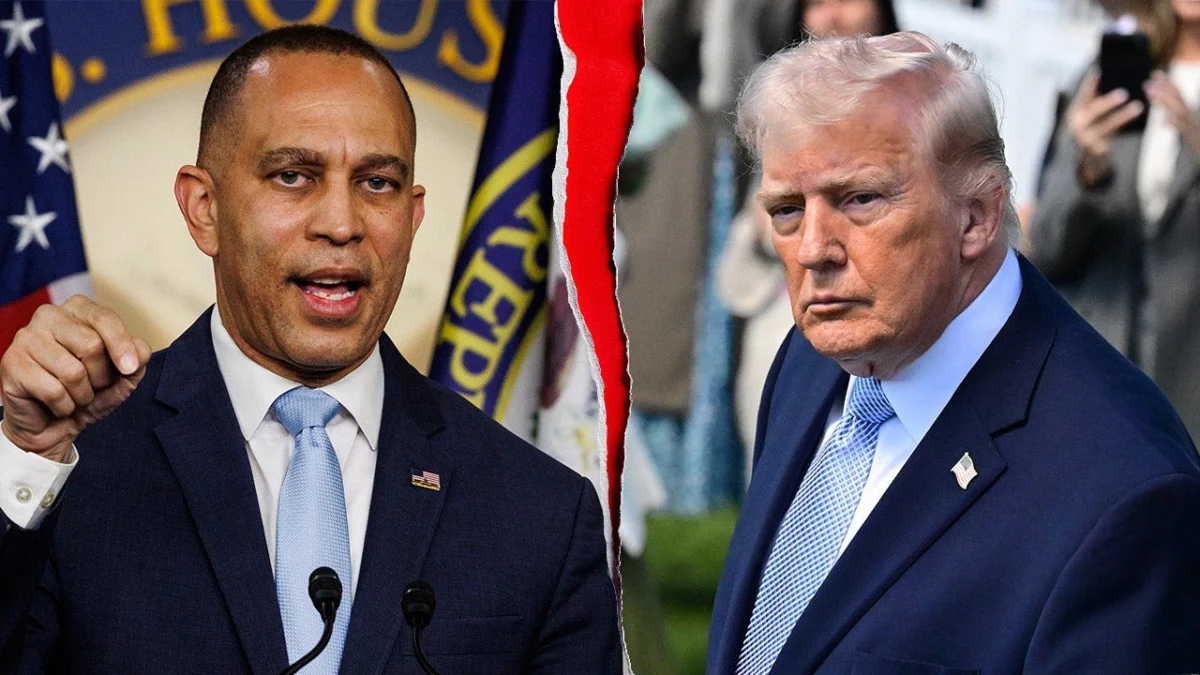
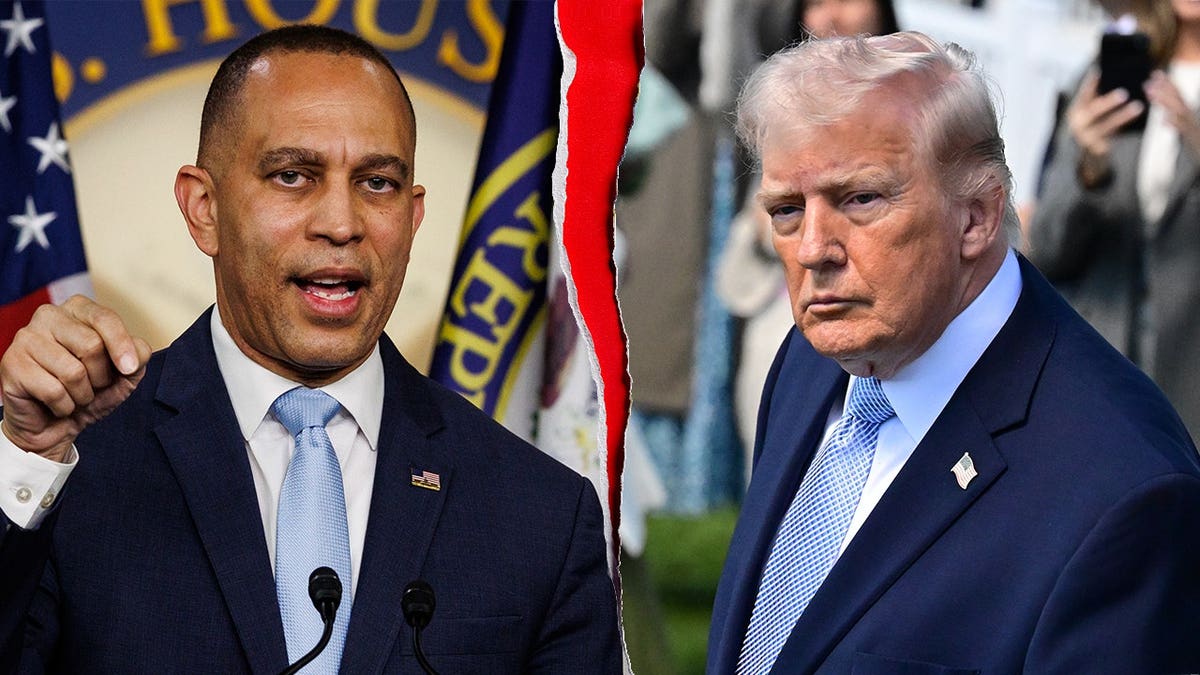
This ongoing agitation has placed the Democratic establishment, led by House Minority Leader Hakeem Jeffries, in a precarious position. Leadership has consistently argued that impeachment is a grave constitutional tool that requires a methodical, exhaustive evidentiary process—a standard they contend has not been met in this instance. For the rank-and-file, the dilemma is binary: satisfy the fervent anti-Trump base that demands immediate action, or maintain a focus on economic issues like the rising cost of living, which polling often suggests is the primary concern for moderate and independent voters in key swing districts.
The Procedural Mechanics of the Vote
The move to table the resolution was a calculated effort by both Republican leadership and the Democratic hierarchy to avoid a definitive, high-stakes showdown on impeachment. By moving to table, the House effectively side-stepped a constitutional crisis, opting for a procedural "off-ramp."
The breakdown of the vote reveals the depth of the ideological divide. With nearly 150 Democrats voting against the motion to table, it is clear that a significant portion of the party remains open to the concept of impeachment as an immediate remedy. However, the decision by Leader Jeffries and his top deputies to vote "present" was a clear signal of the party’s official stance: the current political environment does not support an impeachment effort lacking a comprehensive, bipartisan investigative record.
Official Stances and Constitutional Philosophy
In the aftermath of the vote, House Democratic leadership issued a formal statement explaining their strategy. They emphasized that the democratic process, particularly regarding the removal of a president, is not a matter to be rushed through a floor motion without the benefit of extensive hearings.
"Impeachment traditionally requires a comprehensive investigative process, the collection and review of thousands of documents, an exacting scrutiny of the facts, the examination of dozens of key witnesses, congressional hearings, sustained public organizing, and the marshaling of the forces of democracy to build a broad national consensus," the statement read.
The leadership further accused the Republican majority of focusing on "rubber-stamping" the president’s agenda rather than engaging in the rigorous oversight they believe the situation demands. They framed their "present" votes as a refusal to participate in a symbolic gesture, prioritizing instead a future agenda aimed at economic reform and accountability.
Conversely, Rep. Al Green remained defiant during post-vote remarks to reporters. He dismissed the leadership’s calls for a "measured approach," arguing that the gravity of the allegations—specifically the loss of life at the hands of federal officials—necessitated immediate action. "The Constitution doesn’t have a wait clause in it," Green remarked, suggesting that the hesitation of his colleagues amounted to a form of passive protection for the executive branch.
The Broader Political Implications
The failure of Green’s resolution carries significant implications for the upcoming midterm elections. For the Democratic Party, the challenge lies in balancing the "resistance" energy that characterized the previous election cycles with the need to win over suburban, middle-class voters who are more concerned with inflation, interest rates, and housing affordability.
Political analysts suggest that forcing repetitive, doomed impeachment votes may alienate the very voters Democrats need to regain control of Congress. The "present" vote strategy allows the party to avoid a formal defeat on the floor while signaling to the base that they are not inherently opposed to holding the president accountable—provided it is done through their preferred, institutional channels.
Moreover, this episode highlights the vulnerability of the Democratic establishment to pressure from its left wing. As Green himself nears the end of his congressional career—having lost his primary race earlier this year—his actions reflect a broader,, more aggressive shift in progressive political strategy. The tension between institutionalists like Jeffries and activists like Green is likely to persist as long as the Democratic Party remains in the minority and continues to grapple with its internal direction.
Contextualizing the Allegations
The specific grounds cited by Rep. Green—the killing of two U.S. citizens by federal immigration officials—are rooted in a broader, highly contentious debate over border policy and the use of force by federal law enforcement. While the details of these specific incidents remain subject to various administrative and potentially criminal investigations, the use of these events as a catalyst for impeachment underscores how localized tragedies are increasingly being integrated into national constitutional disputes.
Historically, successful or near-successful impeachments have required a critical mass of public opinion and a clear, undisputed evidentiary record. In contrast, the current move by Rep. Green appears to be a minority effort within his own party. The failure to gain even a simple majority of his own caucus suggests that the political appetite for impeachment is currently far lower than it was during previous cycles of conflict between the legislative and executive branches.
The Road Ahead
As the legislative session continues, the focus of the House is expected to remain firmly on the campaign trail. With the midterm elections looming, both parties are shifting into a high-intensity political phase. For Republicans, the ability to frame the Democrats as a party divided by "unhinged" or "extreme" elements is a powerful narrative tool. For Democrats, the priority remains to steer the conversation toward the economy and away from the cycle of impeachment motions that have characterized the tenure of members like Rep. Green.
The outcome of Tuesday’s vote is unlikely to be the last time these tensions surface. However, the overwhelming, bipartisan nature of the vote to table the resolution serves as a clear indicator of the current congressional mood. There is little appetite for an immediate, unilateral effort to remove the president, and for the time being, the institutional status quo has held firm against the pressures of the party’s more radicalized factions.
For the American public, the event serves as a reminder of the volatility currently defining the legislative branch. As voters prepare for the upcoming midterms, they are faced with a stark contrast: a Democratic Party struggling to reconcile its institutional responsibilities with the demands of its base, and a Republican Party focused on maintaining control of the narrative while navigating its own internal alignments with the Trump administration. The next few months will likely determine whether this strategy of containment will prevail or if the calls for further investigations will once again boil over into the public arena of the House floor.

