
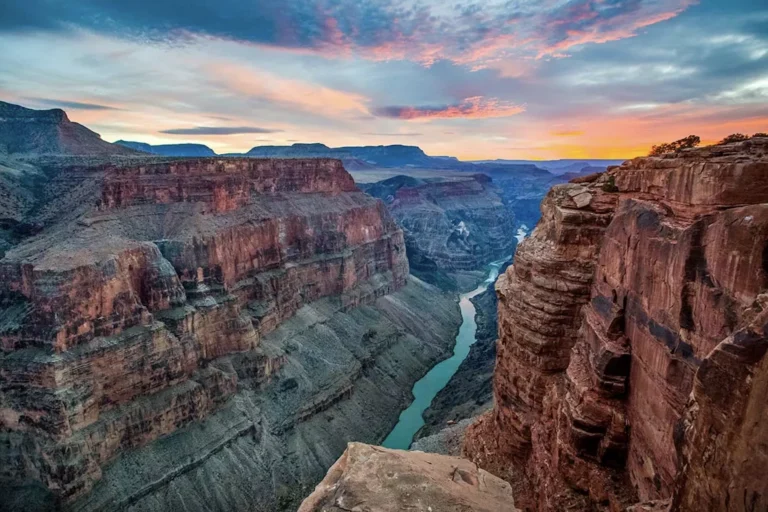
Grand Canyon National Park officials announced Wednesday that critical water infrastructure repairs have reached a sufficient stage of stability to lift stringent water restrictions, allowing iconic South Rim hotels, including the historic El Tovar, to resume overnight operations this Friday. This milestone marks a significant step forward in the park’s recovery following a series of devastating flash floods that crippled the regional water supply system earlier this year.
The reopening of these facilities is a relief for the park’s tourism sector, which had been severely hampered by the inability to provide standard hospitality services to millions of annual visitors. However, the National Park Service (NPS) has emphasized that while the immediate crisis has been mitigated, the infrastructure remains fragile. As a result, park management continues to mandate voluntary water conservation measures for all visitors and residents to ensure the longevity of the current supply until permanent repairs are fully finalized.
A Summer of Unprecedented Flooding
The crisis began in late August, when a series of intense flash floods tore through the inner canyon. The environmental impact was immediate and tragic, resulting in three fatalities and necessitating high-risk search and rescue operations. Beyond the human toll, the sheer force of the debris-laden floodwaters inflicted catastrophic damage on the park’s aging Transcanyon Waterline.
The waterline, a 12.5-mile (20-kilometer) system, has been the lifeblood of the South Rim for decades, transporting water from Roaring Springs to the plateau. The August weather event damaged a primary intake pump and ruptured significant sections of the pipeline, effectively cutting off the main water source for the 1,600 permanent residents of Grand Canyon Village and the massive influx of tourists who visit the canyon annually.
The Transcanyon Waterline Crisis: A Chronology
The disaster hit at a particularly unfortunate time for the National Park Service. At the moment the August floods struck, the agency was roughly one month away from completing a $200 million overhaul of the Transcanyon Waterline—a project specifically designed to replace the decaying, 1960s-era infrastructure with a more resilient system.
The timeline of the infrastructure collapse includes several key events:
- Late August: Initial catastrophic flooding destroys the water intake system and ruptures the pipeline in multiple locations.
- Early September: Maintenance crews initiate emergency temporary repairs to restore limited flow, only to be struck by a second wave of intense monsoonal flooding.
- Late September: The secondary flooding washes away temporary repairs, forcing the park to extend strict water conservation measures and delay the reopening of lodging facilities.
- October: Ongoing engineering assessments and repair work allow for the stabilization of the system, culminating in the current decision to lift restrictions.
Economic and Operational Implications
The Grand Canyon is one of the most visited national parks in the United States, and the closure of its lodging facilities has had a measurable impact on the regional economy of northern Arizona. The El Tovar Hotel, managed by Xanterra Travel Collection, is not merely a hotel; it is a National Historic Landmark and a primary draw for visitors from around the world. When the hotel, along with several other lodges, ceased taking overnight guests, the disruption rippled through local hospitality businesses, tour operators, and regional supply chains.
The shift toward reopening is being handled in phases. While overnight accommodations are cleared to resume, food and beverage services will follow a gradual restoration schedule. This staggered approach is designed to prevent a sudden, massive surge in demand on the park’s water system, which is still operating under "restoration mode" rather than full capacity.

National Park Service Directives
The National Park Service has been transparent about the ongoing need for caution. In an official statement, the park urged visitors to adopt a "conservation mindset." Specific recommendations include:
- Taking shorter showers and avoiding unnecessary water use.
- Turning off faucets immediately after use.
- Reporting any leaks or observed water wastage to park staff.
"Simple actions, including taking shorter showers, turning off faucets when not in use, and avoiding unnecessary water use, help support the park’s water system as operations resume," the NPS stated. These measures are not merely suggestions; they are vital to ensuring that the water pressure remains consistent for fire suppression systems, sanitation, and drinking water for the resident community.
Infrastructure Vulnerability in the Age of Climate Change
The struggle to maintain the Transcanyon Waterline underscores a growing concern among park officials regarding climate change and its effect on remote, aging infrastructure. The current pipeline was installed in the 1960s and has long been considered one of the most complex and difficult utility systems to maintain in the National Park Service inventory.
Because the canyon is a dynamic, high-energy geological environment, flash floods are a constant risk. However, the increasing frequency and severity of these monsoonal events have made it clear that existing protective measures are no longer sufficient. The $200 million renovation project currently underway is intended to move the infrastructure to more protected areas, but the recent events have highlighted that even construction zones are vulnerable to the volatile nature of the canyon’s weather patterns.
Analyzing the Restoration Efforts
Engineers and hydrologists have been working under extreme conditions to restore the system. The challenges involved in repairing a pipeline deep within the inner canyon are immense; much of the work must be done in rugged terrain, often accessible only by foot or via helicopter support.
The fact that the park reached a restoration milestone in the wake of the September setbacks is a testament to the specialized labor force utilized by the park. However, analysts note that the park’s reliance on a single, linear waterline remains a systemic risk. While the current repairs are sufficient to allow for the reopening of hotels, the long-term sustainability of the South Rim’s water supply will likely require continued investment in decentralized water storage and more advanced early-warning systems for flood detection.
The Human Element and Future Outlook
For the 1,600 residents of Grand Canyon Village, the past two months have been a period of extreme austerity. The residents, who include park rangers, medical staff, and essential service workers, have lived under strict rationing, often sacrificing personal comforts to keep the village functional. The return of tourists, while essential for the economic survival of the park, brings with it a return to standard water usage levels, which residents and staff alike must now manage with renewed vigilance.
As the park moves into the late autumn and winter seasons, the reduced heat may offer a slight respite in water demand, potentially allowing for a smoother stabilization of the system. Nevertheless, the lesson of the 2024 floods is clear: the Grand Canyon is a place where nature dictates the terms of human occupation.
Conclusion
The reopening of the South Rim’s hotels on Friday is a significant victory for the National Park Service and the millions of visitors who consider the canyon a bucket-list destination. It marks the end of a difficult chapter defined by natural disaster and logistical struggle. However, the fragility of the water system remains a central focus for park management. As the region moves forward, the combination of the $200 million infrastructure project and the newfound community focus on conservation will define the next era of the park’s history. For now, the lights in the El Tovar are back on, but the taps remain under the careful watch of those who know best how quickly the water can stop flowing.

