
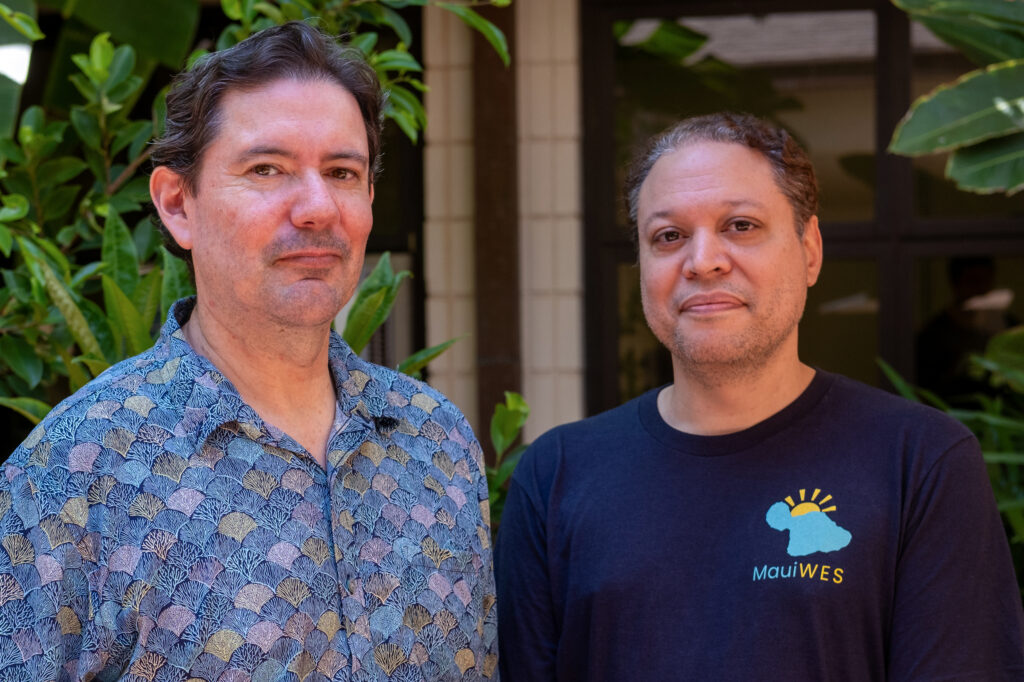
On a humid Saturday in May, Ruben Juarez and Alika Maunakea arrived at the Lahaina Comprehensive Health Center, marking yet another milestone in a three-year journey that began in the smoldering aftermath of the deadliest U.S. wildfire in over a century. The two University of Hawaiʻi professors, an economist and a biomedical scientist, have spent their time since August 8, 2023, attempting to bridge a gaping chasm in the disaster recovery process: the systematic, long-term monitoring of survivor health. Their initiative, the Maui Wildfire Exposure Study (MauiWES), has become a vital lifeline for thousands, yet it now faces a precarious future as state and federal funding streams dry up.
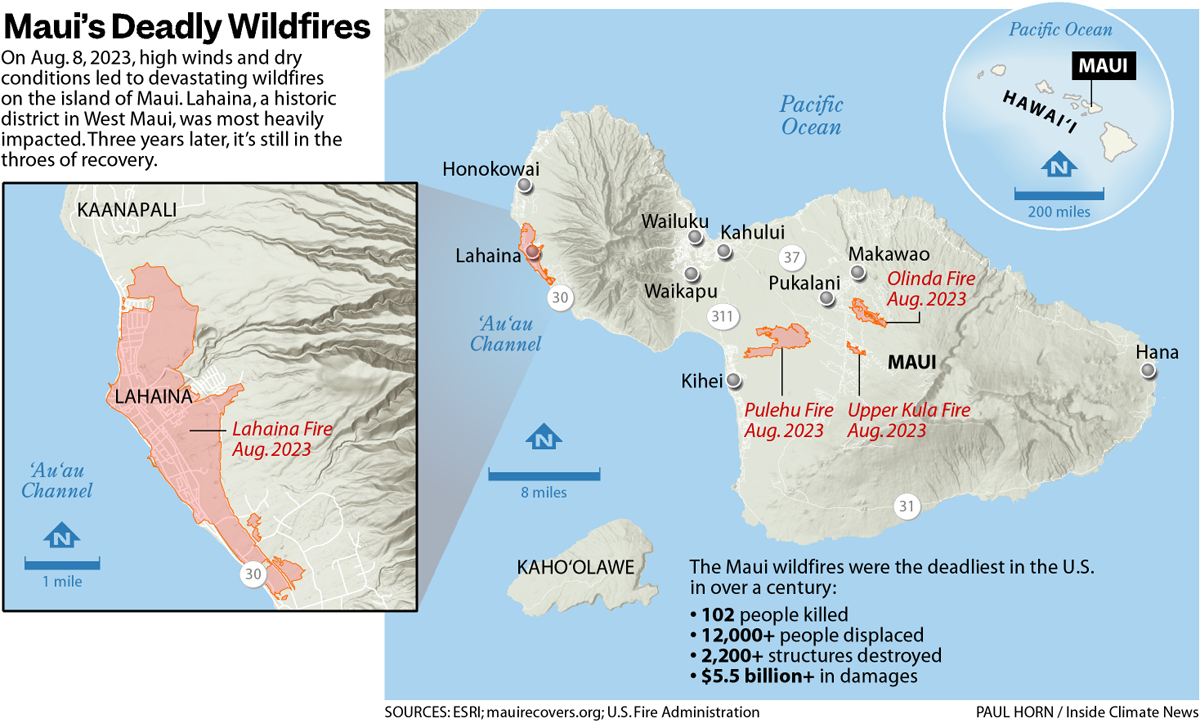
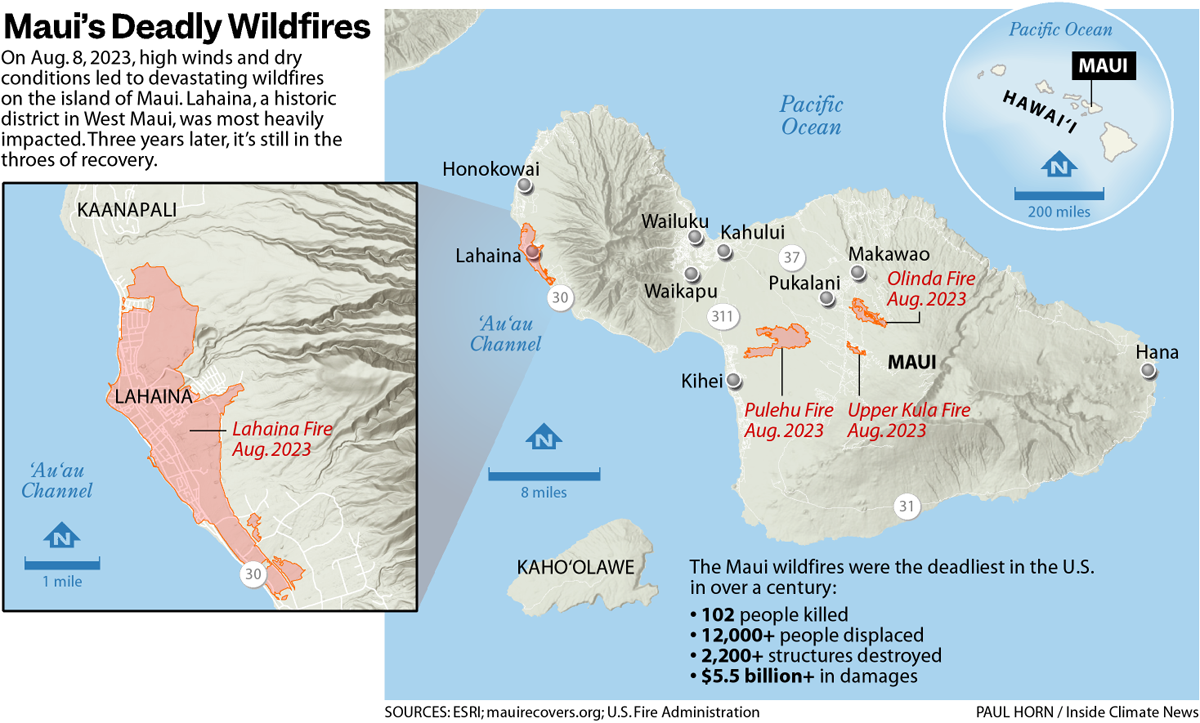
The August 2023 wildfires were a catastrophic event that fundamentally reshaped the island of Maui. The firestorm claimed at least 102 lives, displaced nearly 13,000 residents, and reduced the historic town of Lahaina to ash. Three years later, the pace of reconstruction remains agonizingly slow, with only 15 percent of the destroyed structures rebuilt. Amidst this physical devastation, a silent, secondary crisis has unfolded: a public health emergency defined by respiratory distress, exposure to toxic debris, and widespread, deep-seated psychological trauma.
A Holistic Approach to Disaster Recovery
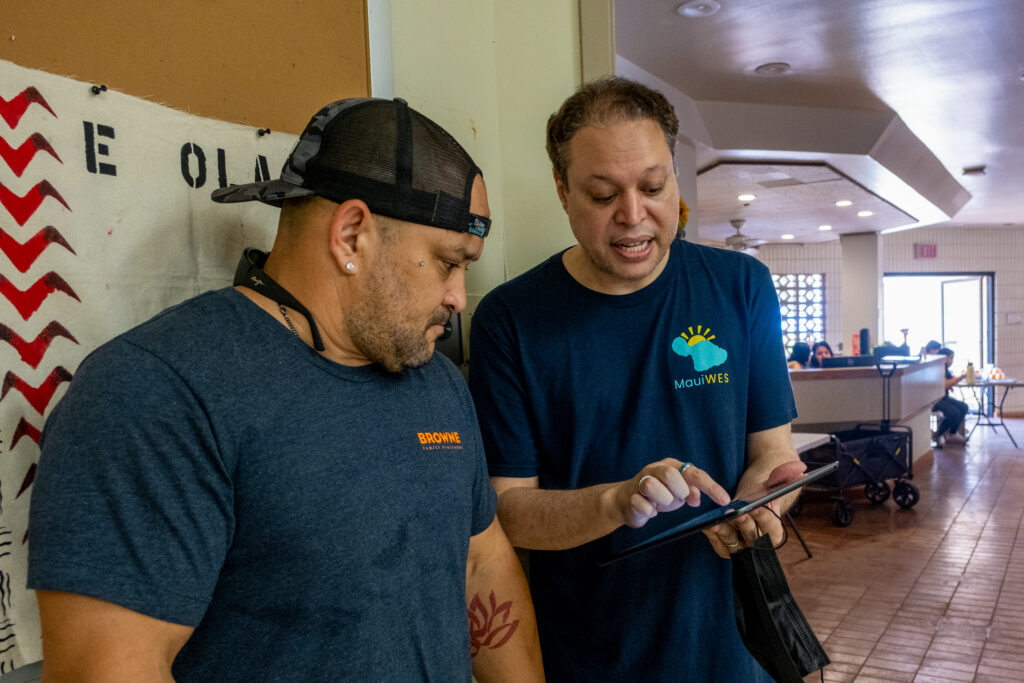
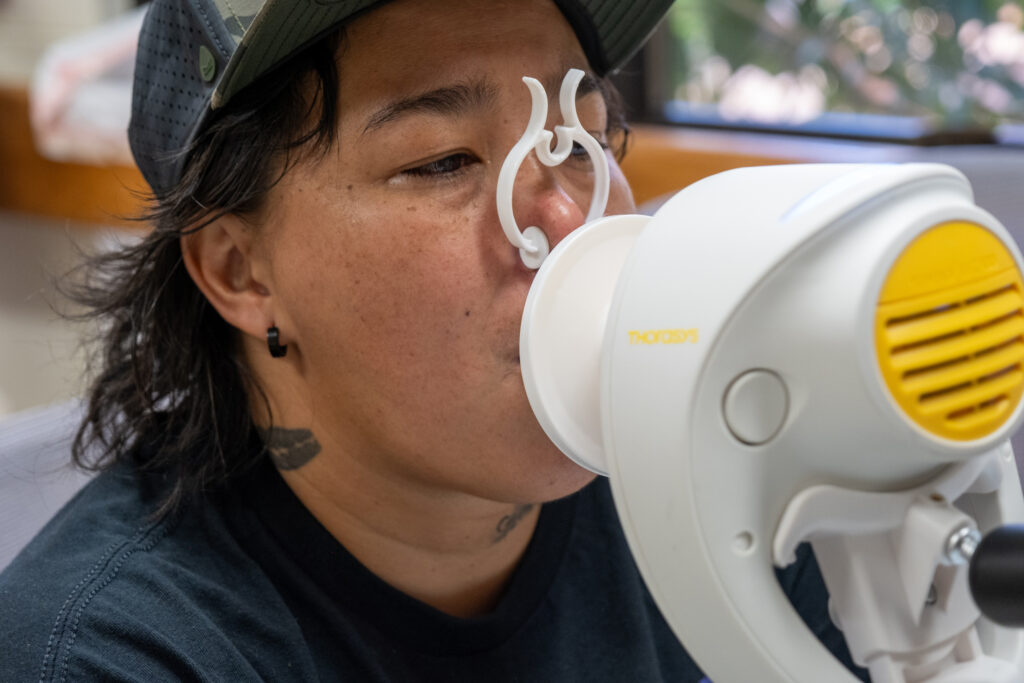
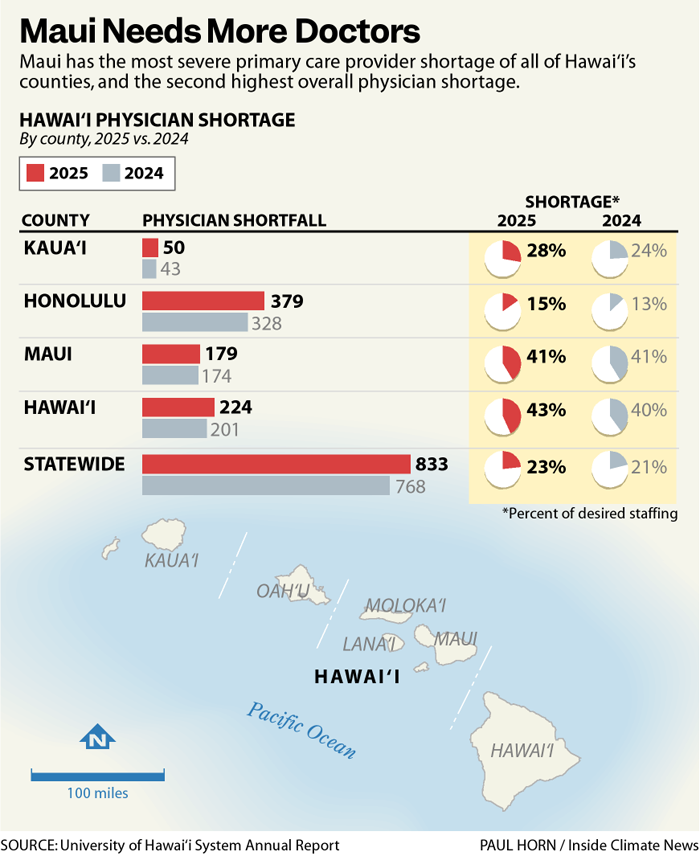
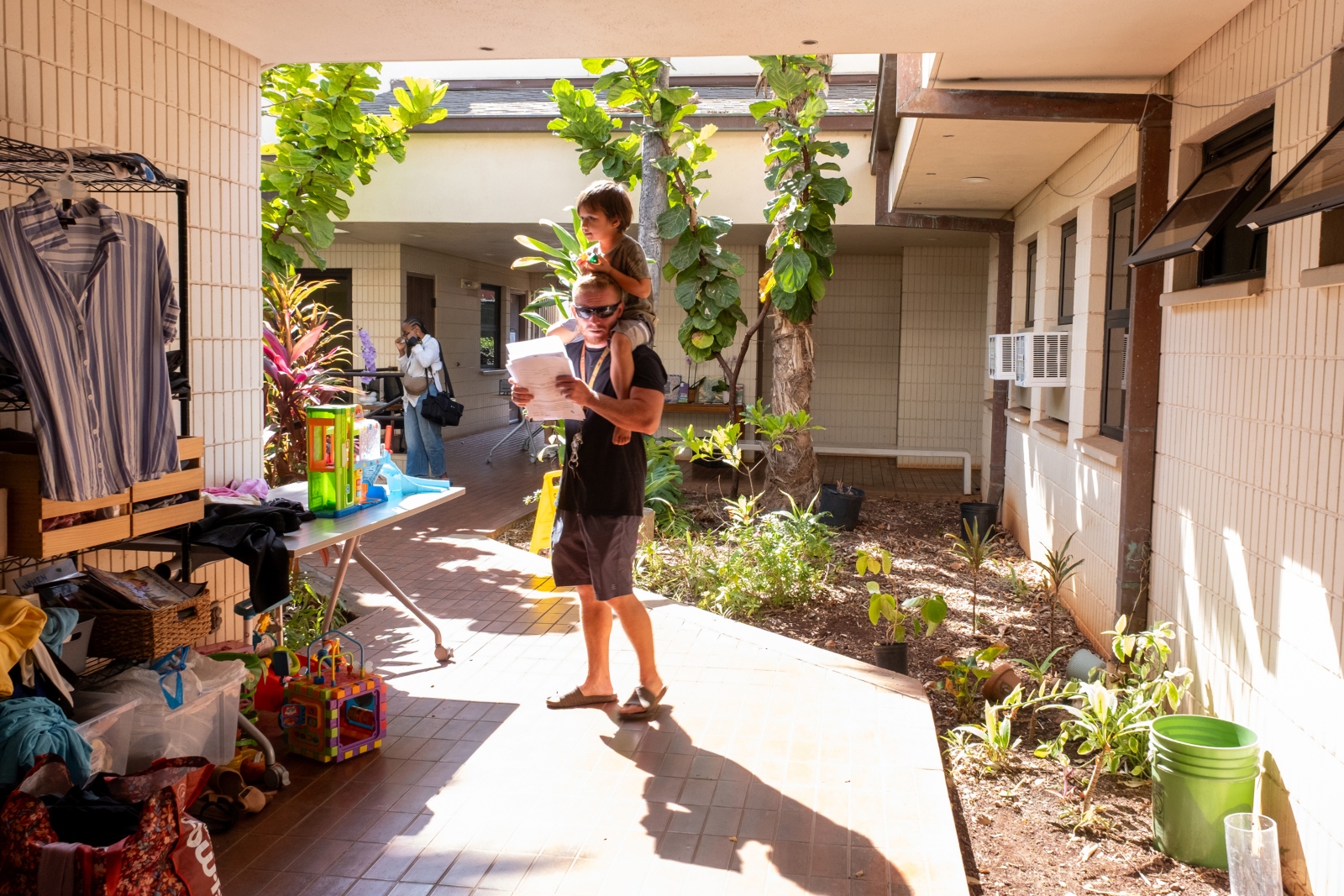
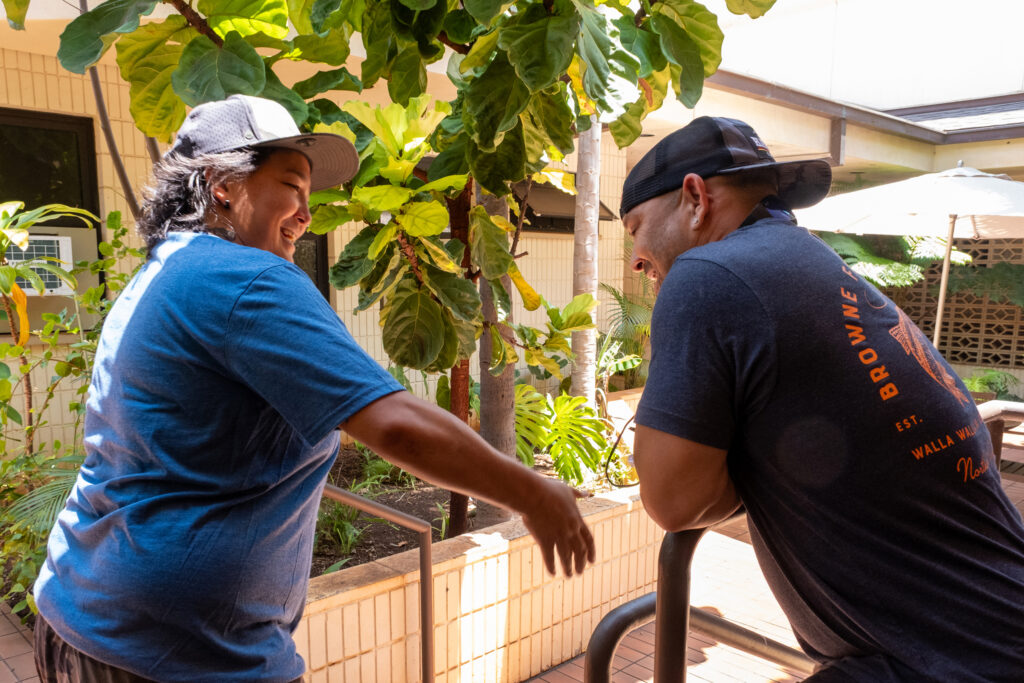
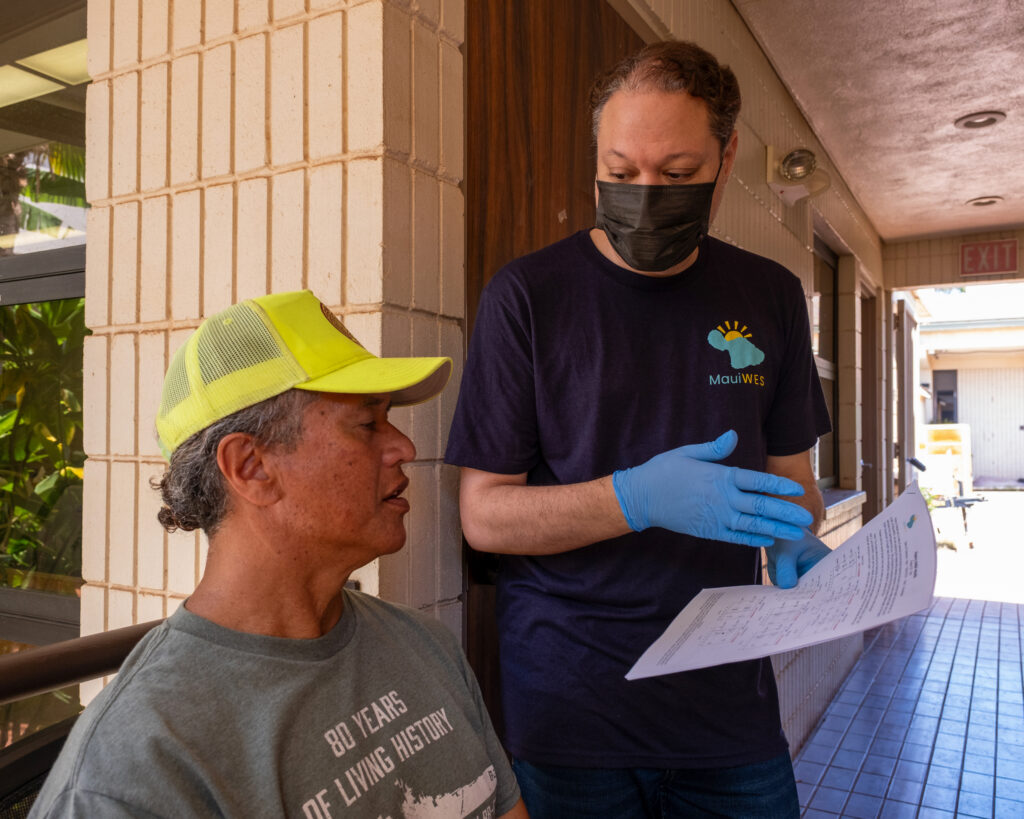
MauiWES was conceived as a rapid-response mechanism to track these long-term health consequences. Unlike traditional clinical trials, the study functions as a community-based intervention. Participants undergo a comprehensive battery of tests, including lung function assessments, metabolic blood panels, saliva collection for stress biomarkers, and urine analysis to detect heavy metals. Crucially, the program serves as a gateway to care for a population currently suffering from a severe shortage of healthcare providers.
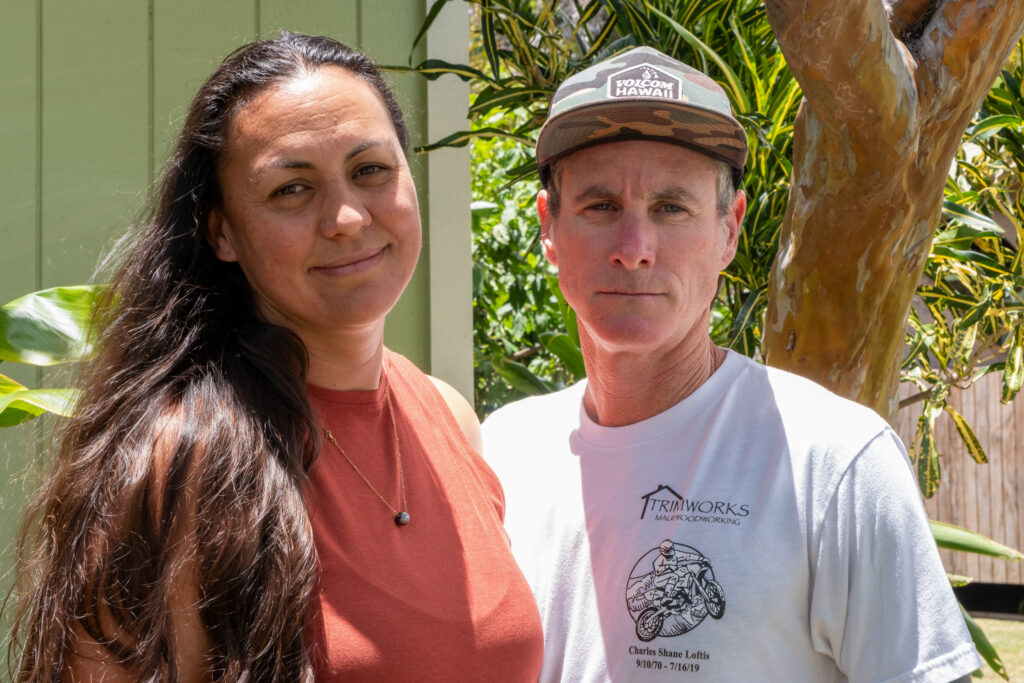
For participants like Lisa and Nilsson Panis, siblings and lifelong residents of Lahaina, the study represents one of the few reliable points of contact with the medical system. Nilsson, who served as a first responder in the burn zone, worked 12-hour days clearing debris. Despite wearing protective gear, he remains concerned about the long-term impact of the toxic ash he inhaled. For the Panis family, as for many others, the study is not merely about data; it is about access to therapists, food assistance, and the professional guidance of volunteer physicians who interpret their health results in a landscape where permanent housing and medical stability remain elusive.
The Science of Exposure: Tracking Toxic Legacies
The environmental implications of the Lahaina fire are profound. The burn zone became a repository for hazardous materials, including lead, arsenic, cadmium, and mercury—substances released when homes, vehicles, and modern infrastructure were vaporized.
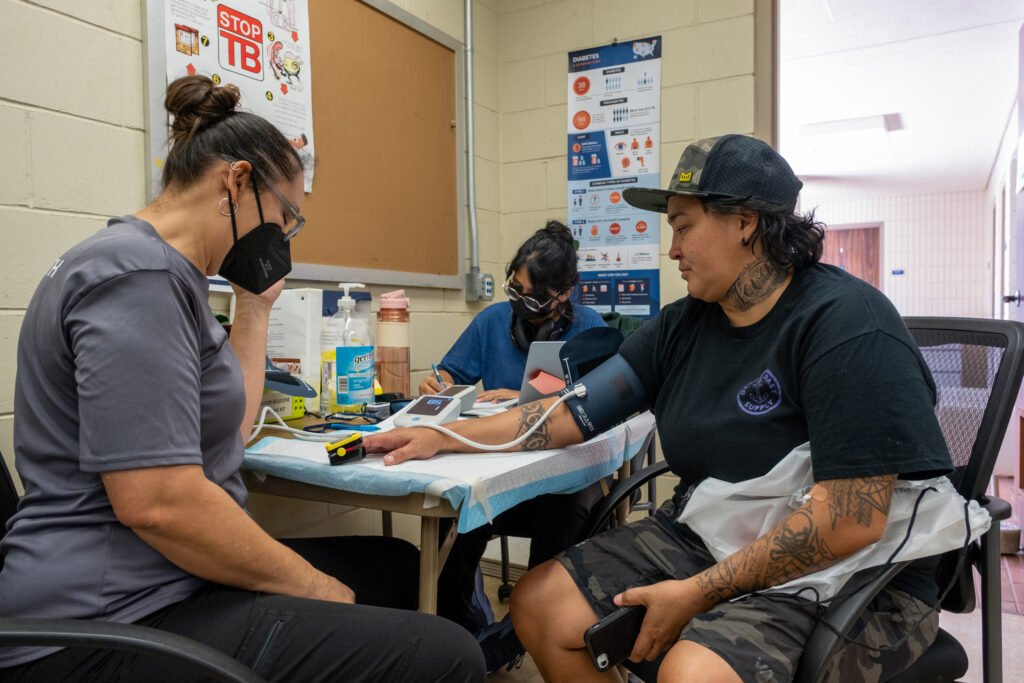
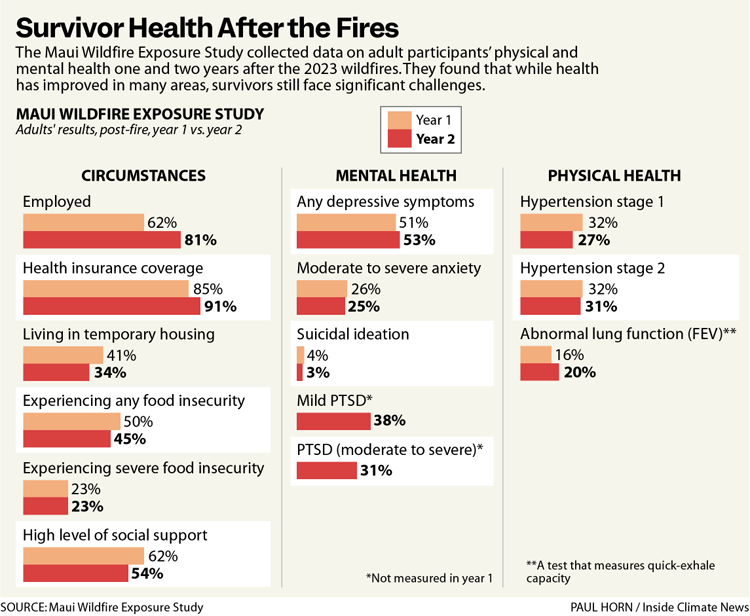
Initial findings from MauiWES have been alarming. Approximately 50 percent of the study’s early cohort reported persistent respiratory issues. Furthermore, researchers identified correlations between poor lung function and elevated concentrations of heavy metals in participants’ urine. These findings suggest that the disaster’s reach extends far beyond the immediate trauma of the fire, posing a long-term risk of chronic illness, including cancer and cardiovascular disease.
The researchers note that the geography of these health impacts is telling. By analyzing the distribution of heavy metals in the bodies of survivors, Maunakea can often identify a participant’s neighborhood of origin. While some of this contamination may predate the fires, the acute concentration of toxins in the burn zone has clearly exacerbated the baseline health risks for residents.

Institutional Friction and Funding Realities
The relationship between the MauiWES researchers and the Hawaiʻi Department of Health (DOH) has become increasingly strained. In May 2024, the DOH issued a statement suggesting that, based on a limited lead-screening study of 557 residents, there was no evidence of widespread exposure to toxins. The department concluded that further screening for other substances was unnecessary.

This assertion was met with skepticism from environmental health experts and the MauiWES team, who argued that lead is a poor indicator for the complex, multifaceted chemical cocktail found in the ash. Internal emails obtained through public records requests reveal that DOH staff expressed frustration with the University of Hawaiʻi’s findings, with one state toxicologist writing, “I don’t want to affirm what UH is stating. The panic has begun!”

This administrative friction has had tangible consequences. While a state bill proposed earlier this year sought $3 million to expand the study and continue its mission, the legislation failed to pass. Simultaneously, federal funding, including a $1.4 million grant from the National Institutes of Health (NIH), has been jeopardized by broader shifts in federal policy and significant staff reductions within the NIH.
A Model for Future Disaster Response
Despite these setbacks, the study has gained national attention. David Eisenman, a disaster researcher at the University of California, Los Angeles, has described the MauiWES approach as "singular," noting that the integration of research with immediate, community-centered social services is a rare and necessary evolution in public health.

The program has already achieved significant clinical interventions. In August 2024, a participant’s life was arguably saved after her hemoglobin levels, detected during a routine study screening, signaled a critical, undiagnosed health crisis requiring immediate emergency care. Such outcomes highlight the importance of the study in an environment where many survivors—including undocumented immigrants—remain excluded from standard insurance networks.
The Human Toll of Policy Inaction
The emotional toll on the research team is palpable. Christopher Knightsbridge, who leads the study’s mental health efforts, has spent years witnessing the profound psychological fallout among survivors. He reports that children as young as six are exhibiting signs of severe PTSD and suicidal ideation. For many, the lack of permanent housing remains the most significant barrier to healing.
As of October 2026, more than 360 families remain in temporary FEMA housing, and an additional 169 are reliant on federal rental assistance. Research from the MauiWES team confirms that this instability acts as a force multiplier for poor health outcomes. The uncertainty regarding the study’s future—compounded by the potential for new climate-driven disasters—leaves both researchers and survivors in a state of limbo.
Looking Ahead: The Necessity of Pono
The path forward remains unclear. Juarez and Maunakea are searching for alternative funding, yet they remain committed to the principle of pono—a Hawaiian concept of righteousness, balance, and moral correctness. They argue that the state has an obligation to provide consistent, long-term health monitoring for those impacted by the fire.
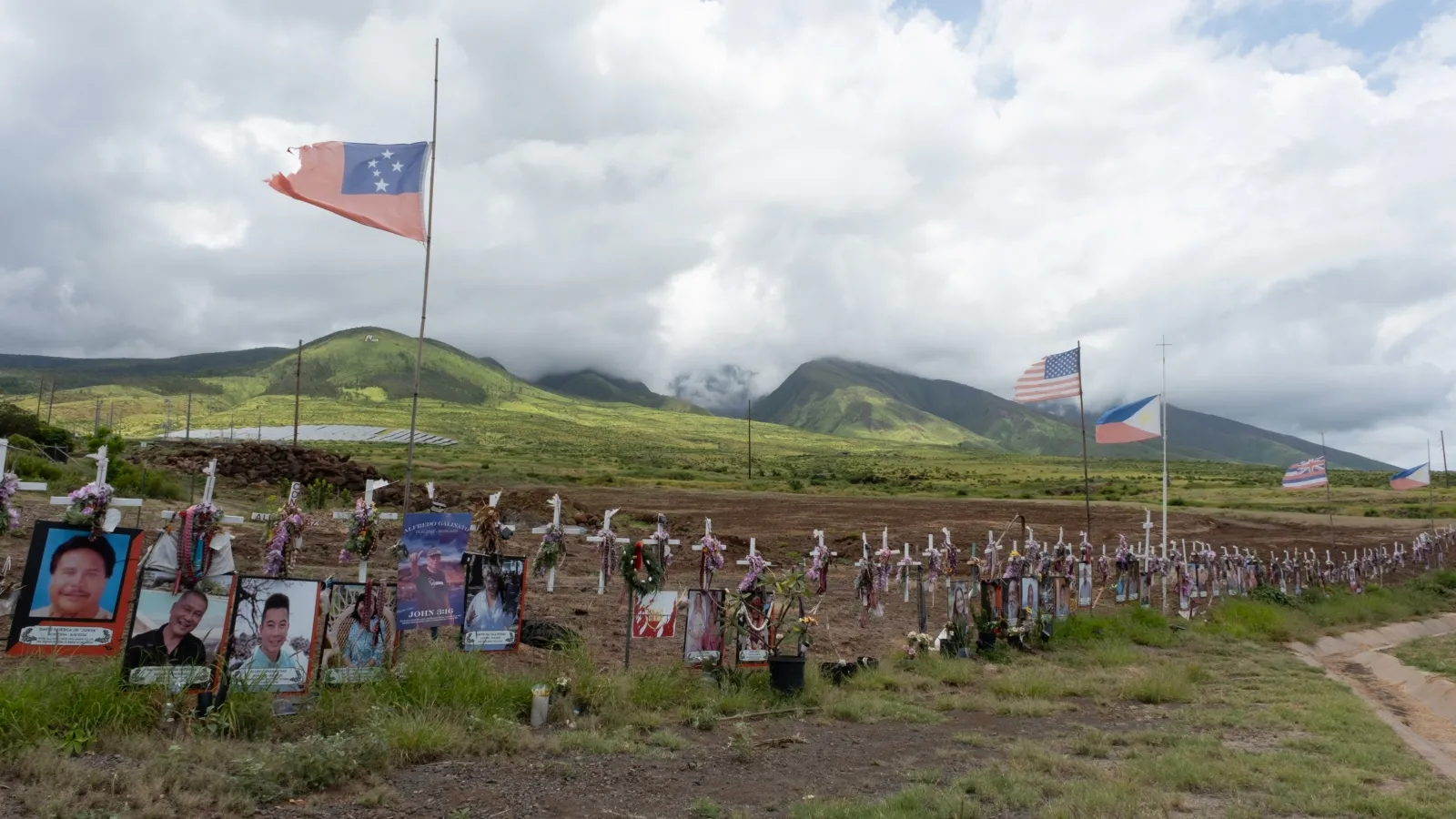
The failure to fund this research could result in a significant "data vacuum," leaving the medical community and the public without the information needed to address the long-term health trends resulting from the 2023 inferno. As Maunakea noted, the study has become more than just a research project; it is a vital service that the community has come to rely on.
If the government does not act to secure the future of the Maui Wildfire Exposure Study, the long-term consequences for the health of Lahaina’s residents may remain hidden until they manifest as a wave of chronic illness years or decades from now. The lessons learned in Maui are not only local; they provide a blueprint for how communities can, and perhaps must, build resilience against the growing frequency of climate-driven disasters. For now, the researchers, volunteers, and survivors continue their work, waiting to see if the necessary support will materialize, or if the "heavens" will indeed have to find a way to come down to them.

