
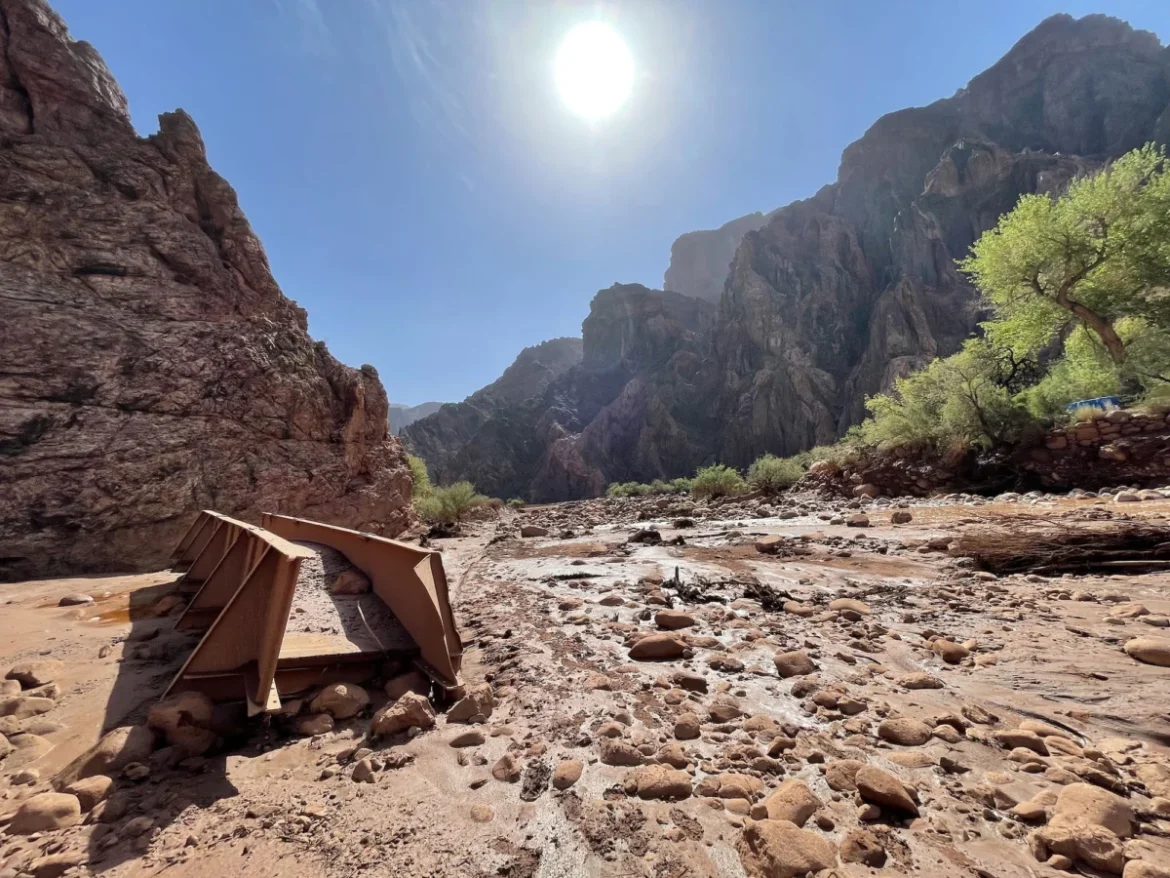
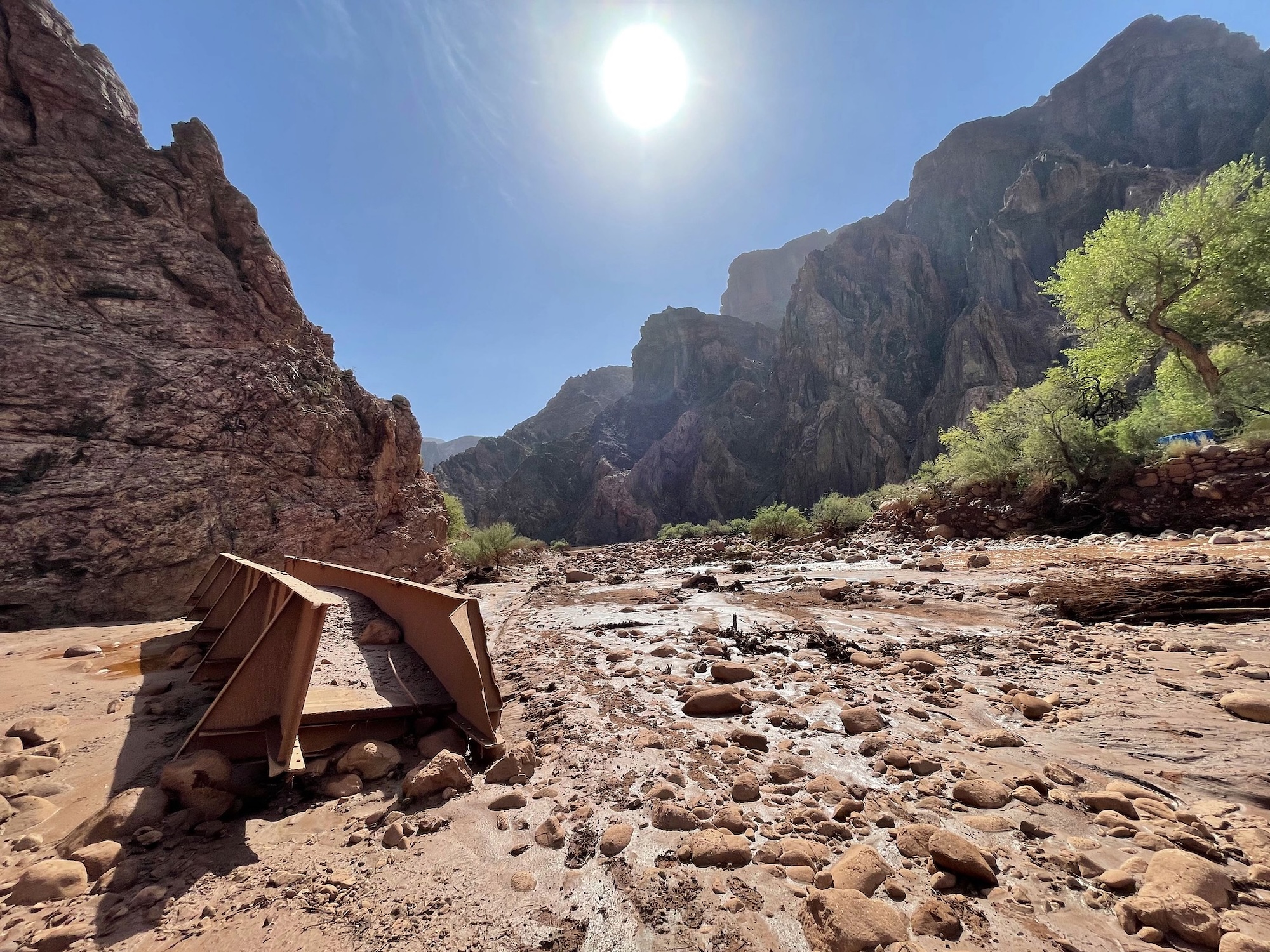
A catastrophic flash flood tore through the Bright Angel Creek area of the Grand Canyon this past weekend, serving as a grim illustration of how shifting climate patterns are intensifying natural disasters in the American Southwest. The deluge, which occurred on Saturday, resulted in at least two confirmed fatalities, with one individual remaining missing as of Monday. Rescue operations were launched immediately, with park rangers and emergency teams successfully evacuating nearly 80 tourists who found themselves trapped by a sudden, violent surge of water and debris.
The event, which transformed the tranquil hiking trails of one of the world’s most iconic natural landmarks into a hazardous torrent, has prompted experts to examine the convergence of multiple environmental stressors. Scientists and park officials are pointing toward a "perfect storm" of conditions: the lingering effects of historic wildfire burn scars, a severe long-term drought, and the atmospheric supercharging effects of a record-breaking El Niño event.
Chronology of the Disaster
The tragedy unfolded with terrifying speed on Saturday afternoon. As is common during the monsoon season, which spans from June through September, thunderstorms are a regular occurrence in the Grand Canyon. However, the intensity of this particular storm system was atypical. According to reports from survivors who were airlifted to safety, the creek transformed rapidly, turning a dark, murky black as it became saturated with sediment, uprooted vegetation, and boulders.
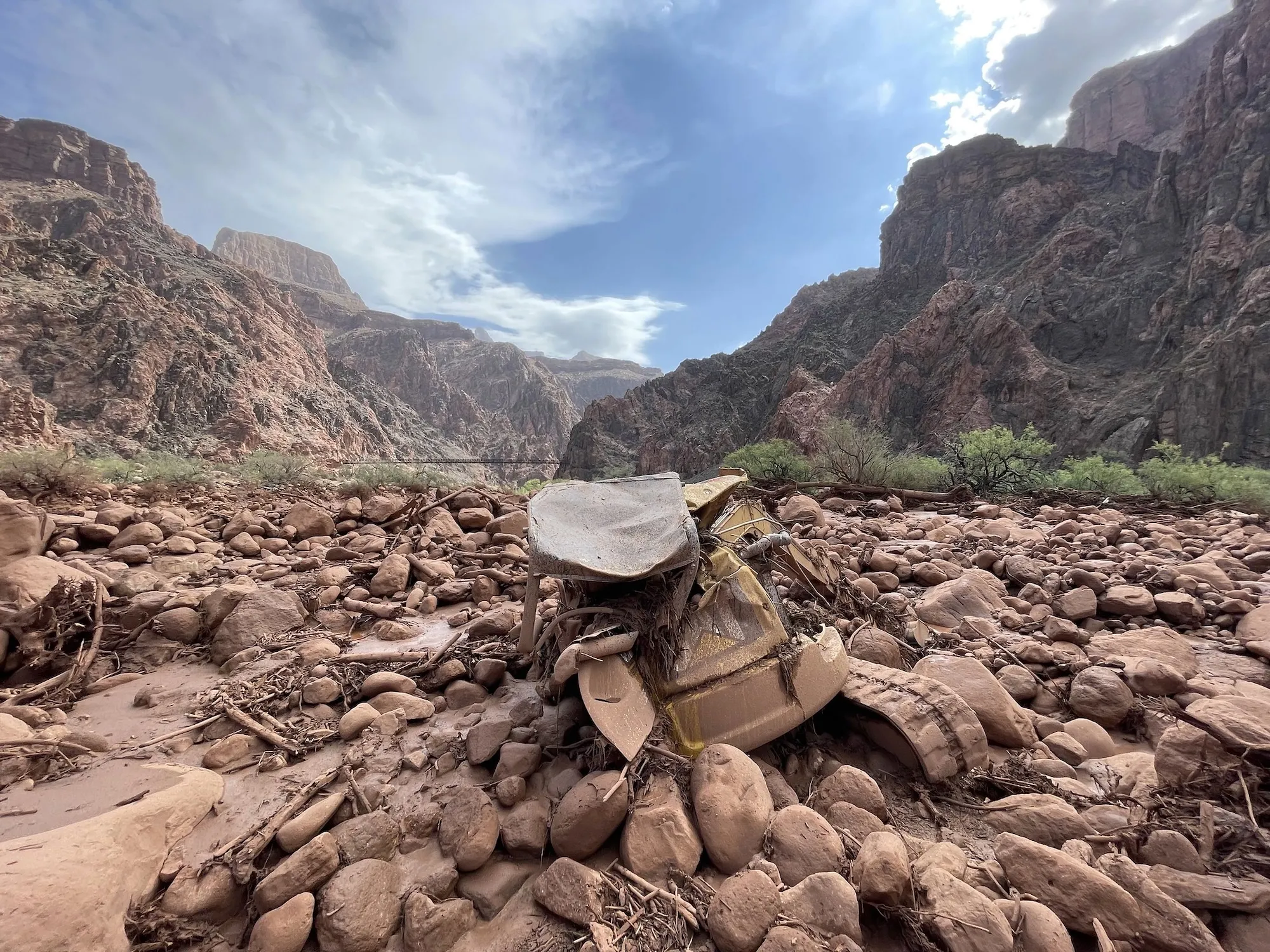
By Saturday evening, the National Park Service (NPS) had initiated an emergency response. Search and rescue crews, utilizing helicopters due to the inaccessible and unstable terrain, worked through the night to reach stranded hikers. The sheer volume of debris—which included large trees and massive rocks—obliterated infrastructure, including pedestrian bridges that serve as vital links for hikers traversing the canyon floor. By Sunday morning, the scale of the damage became clear, as images released by the NPS showed the once-pristine Bright Angel corridor buried under thick layers of silt and wreckage.
The Legacy of the Dragon Bravo Wildfire
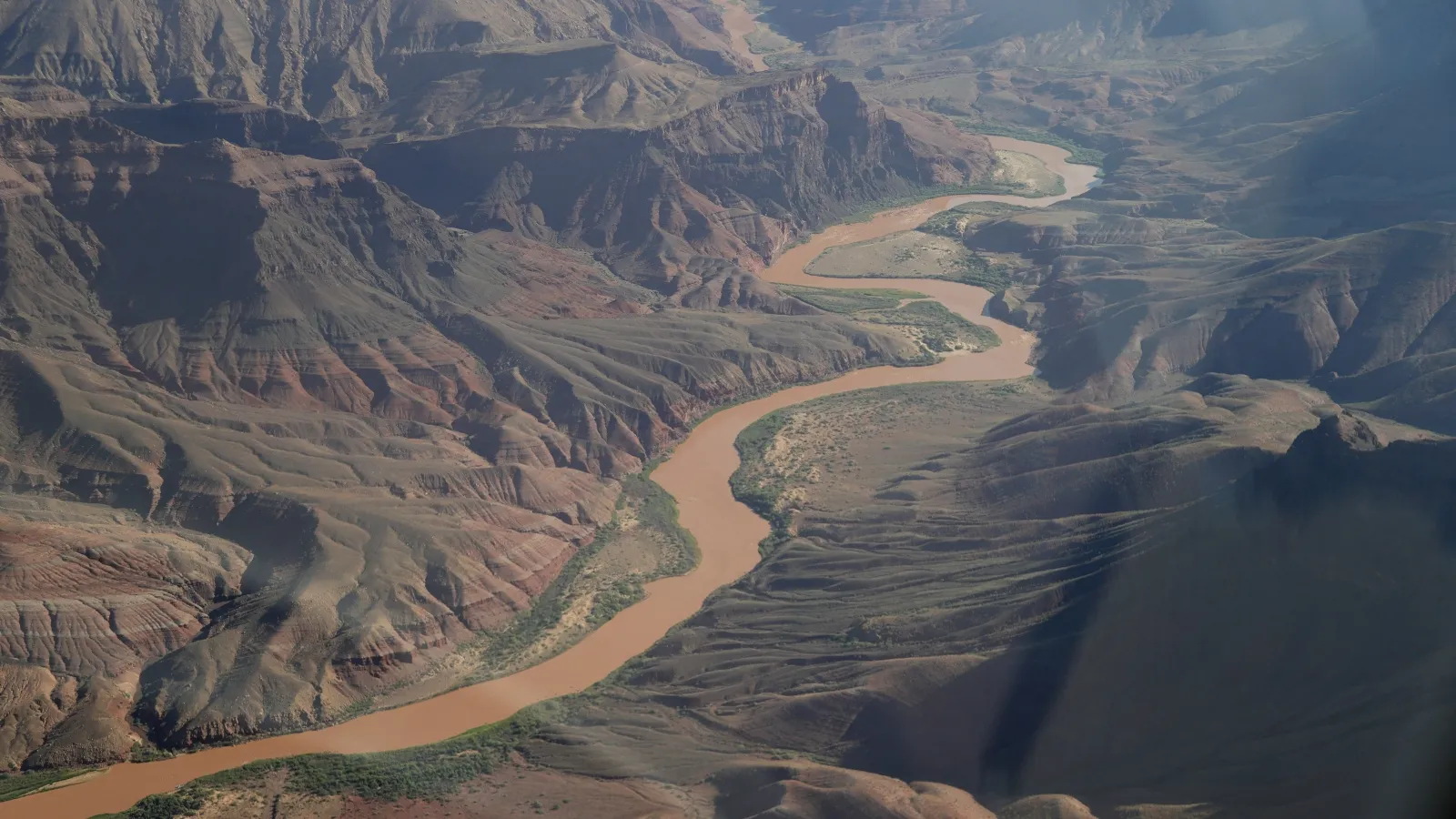
While flash floods are an inherent risk in the arid, steep-walled environment of the Grand Canyon, investigators are focusing on the role of the 2025 Dragon Bravo wildfire as a primary contributor to the severity of this event. The fire, which raged in July 2025, scorched nearly 150,000 acres, including the historic Grand Canyon Lodge.
The aftermath of a fire of this magnitude creates a phenomenon known as "hydrophobicity" in the soil. When high-intensity heat consumes vegetation, it creates a waxy, water-repellent layer on the ground. When rain falls on this barren, scorched earth, the soil cannot absorb the moisture. Instead of percolating into the ground, the water gathers on the surface, rapidly gaining velocity as it flows down the steep, rocky slopes of the canyon.
Federal agencies had previously warned of this exact scenario. A report issued by the Department of the Interior’s burned area emergency response team noted that runoff risks in the Bright Angel Creek drainage were projected to be between two and eight times greater than pre-fire levels. The report explicitly warned that hikers in the area would face "frequent stabilization issues" and "hazardous rockfall" for at least the first year following the blaze. Despite these warnings, the sheer volume of the Saturday rainfall overwhelmed existing drainage paths, leading to the catastrophic debris flow.
Meteorological Drivers: The Role of El Niño and Warming Oceans
Meteorologists are linking the intensity of the storm to the current record-breaking El Niño cycle. This climate phenomenon, characterized by significantly elevated sea surface temperatures in the Pacific Ocean, plays a pivotal role in dictating weather patterns across the Western United States.
Warmer oceans facilitate increased evaporation, leading to higher levels of water vapor in the atmosphere. When these moisture-laden air masses reach the elevated, rugged terrain of the Grand Canyon, they are forced upward, cooling rapidly and releasing intense, concentrated bursts of rainfall. Hydroclimatologist Park Williams of the University of California, Los Angeles, noted that the increased atmospheric moisture effectively "wrings out" over the Southwest, turning routine summer thunderstorms into dangerous, high-impact events.
This El Niño is not an isolated incident but is instead occurring against the backdrop of long-term global temperature increases. The intersection of a natural climate cycle and human-caused global warming creates a compounding effect, where extreme weather events are not only more frequent but also significantly more violent than they were in the 20th century.
Analysis: The Rise of Compound Extremes
The Grand Canyon event is a hallmark example of "compound extremes," a term used by climate researchers to describe scenarios where multiple environmental hazards collide. In this instance, the drought-hardened soil of the Colorado River basin, the presence of a massive wildfire burn scar, and the arrival of a moisture-rich storm system combined to produce an outcome that exceeded the resilience of existing park infrastructure.
Research published recently in the journal Weather and Climate Extremes provides data-driven context for these observations. Climate scientist Daniel Swain and his colleagues found that short-term, high-intensity downpours in the Western U.S. have strengthened by approximately 10 percent since the year 2000. As these storms become more potent, the traditional methods of managing national parks—which rely on historical data to predict safety thresholds—are being tested to their limits.
The implications for the management of the U.S. National Park System are significant. Officials are now tasked with the difficult challenge of balancing public access to wilderness areas with the increasing unpredictability of extreme weather. This may necessitate more frequent, broader trail closures, enhanced real-time weather monitoring, and a reevaluation of infrastructure placement in areas prone to flash flooding.
Official Responses and Future Outlook
The National Park Service has not yet released the names of the deceased, pending notification of next of kin, and the search for the missing individual continues as conditions allow. In the wake of the tragedy, the park has emphasized that the monsoon season remains in effect and that hikers must exercise extreme caution.
"The park is a dynamic environment," an NPS spokesperson stated during a preliminary briefing. "We urge all visitors to check the latest weather forecasts and, more importantly, to understand the unique risks posed by post-fire landscapes. What might look like a manageable storm can turn into a life-threatening flood in a matter of minutes."
As federal investigators conduct a formal review of the disaster, the focus will likely remain on the intersection of long-term climate trends and land management. The destruction of bridges and the loss of life at one of the country’s most cherished destinations underscore a sobering reality: the climate crisis is no longer a distant threat, but a present force that is actively reshaping the landscape of the American West. The events at Bright Angel Creek are a stark reminder that as the planet warms, the margin for error in navigating our natural environment is shrinking, and the need for adaptive management strategies has never been more urgent.
