
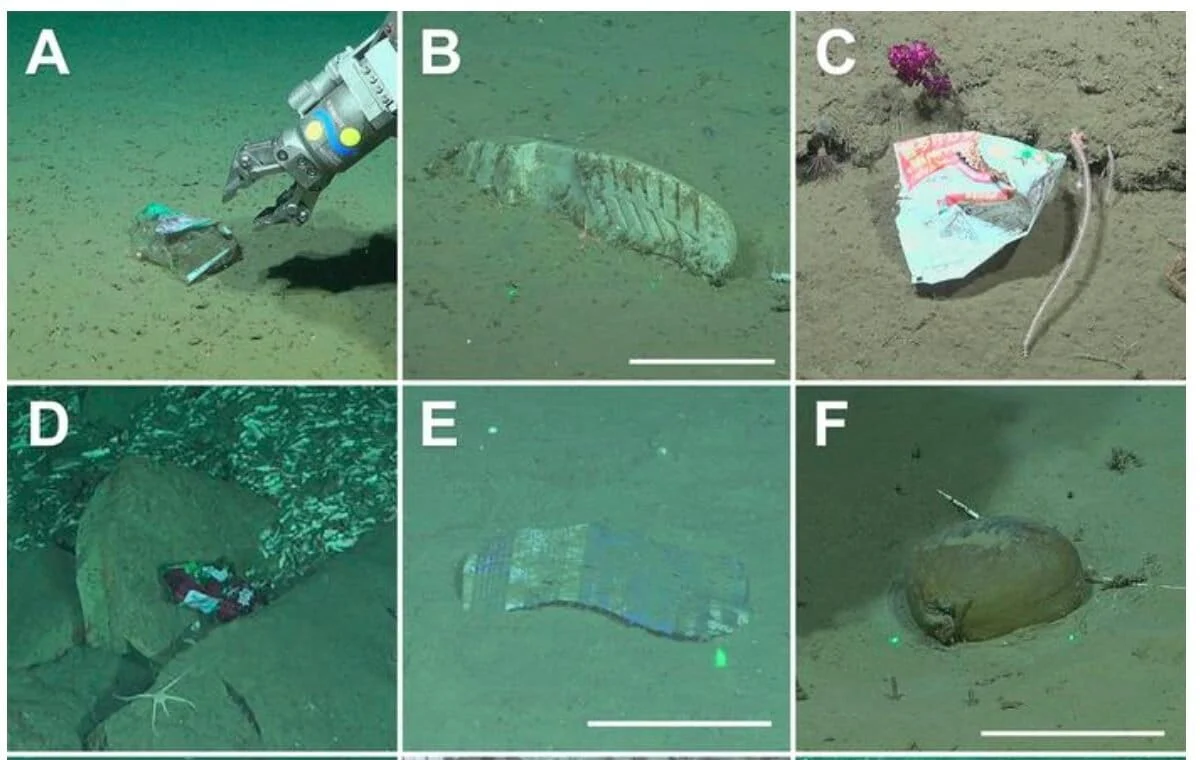
The reach of human consumption has officially extended into the most isolated reaches of the Atlantic Ocean, as a recent scientific survey has uncovered a collection of plastic waste and synthetic debris littering the depths of the Mar del Plata Submarine Canyon. Located approximately 250 kilometers off the Argentine coast, this deep-sea trench, once considered a pristine sanctuary for biodiversity, is now documented as a repository for the refuse of modern civilization. The discovery, published in the journal PLOS ONE, underscores the sobering reality that even environments situated thousands of meters below the surface are no longer shielded from the global plastic crisis.
The Expedition and the Encounter
The discovery occurred during a research mission primarily tasked with mapping the biodiversity and geological features of the V-shaped canyon. Led by marine biologists, including Diego Urteaga of the Bernardino Rivadavia Museum of Natural Science, the team utilized a remotely operated vehicle (ROV) capable of navigating the extreme pressures and darkness of the deep-sea environment.
The researchers conducted 17 separate dives, systematically scanning the seafloor at depths exceeding 1,000 meters. The initial encounter occurred almost immediately; the ROV’s high-definition cameras captured the image of a discarded plastic bag entangled on the seabed. For the scientific team, the sight of a familiar household item resting at such an extreme depth served as a jarring reminder of the connectivity between human activity and the furthest corners of the marine ecosystem. Throughout the course of the expedition, the team documented 29 distinct pieces of debris, including plastic wrappers, a discarded rubber boot, a plastic cup, and various remnants of commercial fishing equipment. The deepest item recovered—or at least observed—was a piece of tissue-paper packaging found at a staggering depth of 3,814 meters.
A Shift in Understanding Marine Pollution
Historically, the scientific community operated under the assumption that the deep sea served as a buffer against the surface-level accumulation of waste. While marine litter has been a recognized issue in coastal and pelagic zones for decades, the deep-sea floor was long considered a place of sequestration. This study disrupts that narrative, providing empirical evidence that the abyss is, in fact, an accumulation zone for anthropogenic waste.
The data gathered in the Mar del Plata Canyon suggests that the debris found there is not merely passing through. Researchers observed benthic organisms interacting with the litter, with instances of sea stars colonizing plastic bags and various deep-sea fauna attaching themselves to discarded fishing ropes. This phenomenon suggests that plastic is not merely sitting on the ocean floor; it is becoming a permanent, albeit synthetic, component of the benthic habitat. Whether these interactions provide a new, albeit artificial, substrate for life or if they introduce toxic chemical leachates into the deep-sea food web remains a subject of ongoing investigation.
The Source of the Contamination
While global data from the European Environment Agency and other maritime research bodies indicate that approximately 80% of marine debris originates from land-based sources—carried into the ocean via rivers and storm drains—the findings in the Mar del Plata Canyon point to a different culprit. Given the canyon’s significant distance from the coastline and the specific composition of the debris found, the research team posits that maritime industrial activity is the primary source of pollution in this specific sector.
The high prevalence of fishing-related materials, such as monofilament lines, nets, and structural components of commercial fishing gear, strongly suggests that the debris is being discarded or lost directly from vessels operating in the region. This distinction is crucial for environmental policy, as it shifts the focus from general waste management to the specific regulation of commercial fishing practices, such as mandating the reporting of lost gear and improving the infrastructure for waste disposal on industrial vessels.

The Broader Environmental Context
The contamination of the Mar del Plata Submarine Canyon is not an isolated event but rather a symptom of a systemic global challenge. The United Nations Environment Programme (UNEP) has repeatedly warned that plastic pollution in the oceans is accelerating, with estimates suggesting that by 2050, the mass of plastic in the ocean could exceed that of fish if current trends in production and disposal remain unchanged.
The psychological impact on the research team was profound. The stark contrast between the untouched, evolutionary marvels of the deep-sea fauna and the mundane, discarded objects of human convenience highlights the pervasive nature of modern waste. Researchers noted that the presence of this debris in such a remote area forces a re-evaluation of the definition of "pristine" in the modern era. When a rubber boot or a snack wrapper is found at 12,000 feet, it signifies that human fingerprints are now present in every biome on Earth.
Implications for Policy and Future Research
The findings from this study have significant implications for international maritime law and environmental conservation. As deep-sea mining and intensive deep-water fishing become more prevalent, the need for stringent environmental monitoring grows. The researchers emphasize that the "out of sight, out of mind" approach to waste disposal in the high seas is no longer tenable.
The study serves as a call to action for the international community to enhance the enforcement of the International Convention for the Prevention of Pollution from Ships (MARPOL). Strengthening these regulations, particularly those concerning the disposal of non-biodegradable plastics and the recovery of "ghost gear" (abandoned fishing equipment), is essential to protecting deep-sea ecosystems that are only just beginning to be understood by science.
Furthermore, the study highlights the necessity for long-term monitoring programs. The "snapshot" nature of the 17-dive survey provided a clear indication of a problem, but it does not quantify the full scope of the accumulation. Future research must look toward long-term surveillance, utilizing both ROVs and autonomous underwater vehicles (AUVs) to map the density and distribution of litter across the entire Argentine Basin.
Scientific Consensus and Conclusion
The scientific consensus is increasingly clear: the deep sea is no longer a silent, shielded realm. It is an active participant in the global crisis of plastic pollution. As the scientific community continues to explore the hidden depths of our planet, the discoveries they make are increasingly intertwined with the realities of human environmental impact.
The Mar del Plata Submarine Canyon study provides more than just a list of discarded items; it provides a metric for human influence. It challenges policymakers, the fishing industry, and the general public to confront the reality that the objects discarded in the middle of the ocean do not simply vanish. They endure, they migrate, and they eventually become part of the geological and biological fabric of the planet. Moving forward, the goal for conservationists will be to transform these sobering findings into effective, enforceable policies that can mitigate the damage already done and prevent further degradation of the most remote habitats on Earth. The task is monumental, but as the researchers involved in this study have demonstrated, the first step is simply acknowledging that even the deepest, darkest trenches are now, for better or worse, a reflection of our own choices on the surface.

