
In the heart of Panama’s Darién Gap, an expansive and ecologically vital wilderness often characterized by its dense rainforests and complex geopolitical challenges, four Indigenous Wounaan and Emberá-Wounaan communities have embarked on a pioneering initiative. Facing the encroaching threats of illegal logging, unauthorized agricultural expansion, and habitat fragmentation, these communities have launched a robust biodiversity monitoring project designed to quantify the health of their ancestral lands. By leveraging modern technology and traditional ecological knowledge, they are establishing a scientific baseline intended to participate in the emerging global biodiversity credit market, offering a potential lifeline for both the environment and their local economies.
The Ecological Significance of the Darién
The Darién region serves as a crucial biological bridge between North and South America. It is a biodiversity hotspot characterized by high levels of endemism and serves as a vital corridor for migratory species. The 18,000 hectares (approximately 44,500 acres) currently under observation by these four communities represent a critical buffer zone against the rapid deforestation that has plagued other parts of the Panamanian frontier.
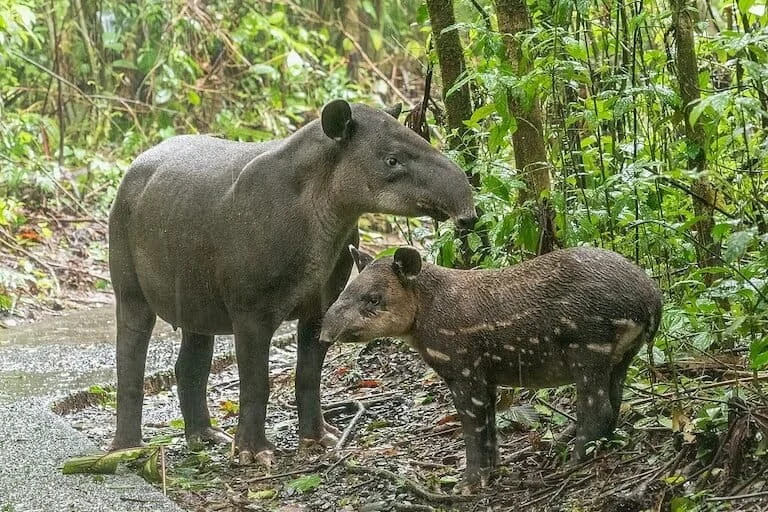
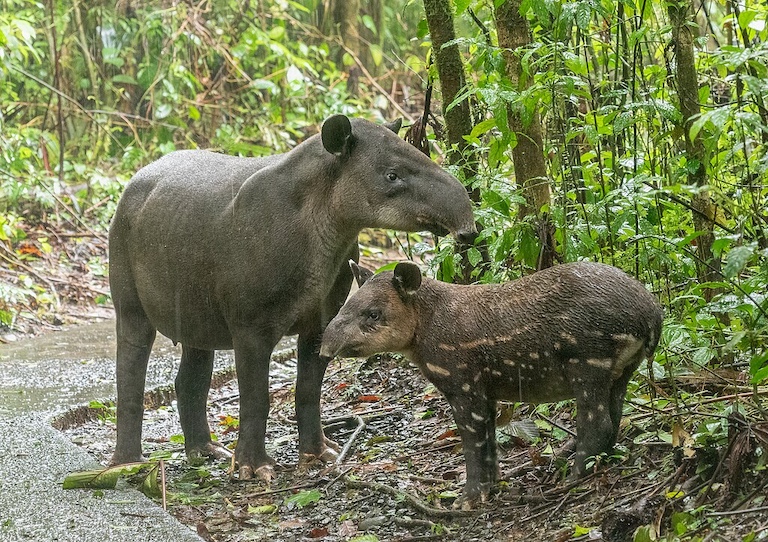
The biodiversity survey has yielded significant results, confirming the presence of over 200 distinct species. Among these are three essential “umbrella species”—the jaguar (Panthera onca), Baird’s tapir (Tapirus bairdii), and the crested eagle (Morphnus guianensis). These species are referred to as umbrella species because their conservation requirements are so broad that, by protecting them and their habitats, a vast array of other species within the same ecosystem are implicitly protected. Furthermore, the survey identified at least 15 species classified as threatened, underscoring the urgency of the conservation efforts now underway.
Chronology of the Initiative: A Shift Toward Data-Driven Stewardship
The transition from passive land management to active, data-backed conservation began as a response to the mounting pressure of external exploitation. For years, the communities observed the slow degradation of their forest boundaries. Recognizing that legal land title alone was insufficient to deter illegal actors, leaders began seeking ways to monetize the standing forest without resorting to extractive industries.
The project’s timeline gained momentum through the following phases:
- Initial Assessment: Indigenous leaders identified the need for a rigorous, standardized methodology to prove the forest’s ecological value to external stakeholders.
- Strategic Partnerships: The communities aligned with the FSC Indigenous Foundation and Health In Harmony to secure the technical expertise required for advanced biological monitoring.
- Methodology Implementation: Utilizing the framework developed by the biodiversity credit firm Savimbo, the communities implemented a system focused on 15 indicator species. This model serves as a proxy for total forest health, allowing for verifiable metrics that can be marketed to global entities seeking to offset their environmental impact through biodiversity credits.
- Deployment: Throughout the past year, camera traps and bioacoustic sensors were installed across the 18,000-hectare territory, collecting terabytes of data that validate the region’s status as a high-value conservation area.
Technological Integration and Traditional Knowledge
The success of this initiative rests on the synthesis of two distinct knowledge systems. While the technical hardware—the camera traps and audio recorders—provides the empirical data required for international credit certification, the local hunters and community members provide the nuanced understanding of the landscape necessary to place these sensors effectively.
Samuel Cheucarama, a resident of a participating Wounaan village, noted that the project has catalyzed a profound shift in local social norms. The presence of monitoring equipment has fostered a new sense of pride and collective responsibility. According to Cheucarama, hunting practices have plummeted as community members have reframed their role from users of the forest to its primary stewards. "People don’t go hunting anymore," Cheucarama reported. "They’re saying, ‘We’re going to put up a ‘No Hunting’ sign.’" This voluntary restriction demonstrates the power of community-led conservation, where economic incentives align with cultural preservation.
The Economics of Biodiversity Credits
The global biodiversity credit market is a nascent but rapidly expanding financial instrument. Unlike carbon credits, which focus strictly on greenhouse gas sequestration, biodiversity credits are designed to reward the preservation and restoration of ecosystems and the species they support. For the Indigenous communities in the Darién, this represents a shift from "value extraction" (logging, poaching) to "value realization" (conservation as an economic activity).
The methodology provided by Savimbo is central to this model. By selecting 15 specific indicator species, the communities can demonstrate tangible ecological outcomes. If the population of these species remains stable or grows, the "credit" gains value. This provides a recurring revenue stream that is tied directly to the health of the forest, rather than a one-time payment that might incentivize short-term exploitation.
Official Responses and Institutional Support
The partnership with the FSC Indigenous Foundation and Health In Harmony has been instrumental in navigating the complex legal and financial landscape of international environmental finance. These organizations have provided the essential link between the local communities and the international markets that purchase these credits.
While these NGOs have not yet released a formal public report on the final financial valuation of the Darién project, representatives have suggested that the model could serve as a blueprint for other Indigenous territories throughout Latin America. The strategy moves away from the "charity" model of environmental aid and toward a "service provider" model, where Indigenous communities are treated as professional managers of critical global assets.

Broader Implications and Future Outlook
The implications of the Darién project extend far beyond the borders of the four participating villages. If this model proves successful, it could offer a scalable solution to the global challenge of financing conservation in remote areas. The primary barriers to such projects have historically been the high cost of monitoring and the difficulty of verifying ecological gains in rugged, inaccessible terrain.
However, the rapid advancement of artificial intelligence in analyzing bioacoustic data and camera-trap images has lowered the barrier to entry. Furthermore, the success of the Darién project highlights the critical role of Indigenous land rights in global climate goals. Research consistently shows that lands managed by Indigenous peoples harbor more biodiversity and experience lower rates of deforestation than those managed by governments or private interests.
Despite the optimism, significant challenges remain. The volatility of the biodiversity credit market, the potential for "greenwashing" by corporate buyers, and the ongoing threats from armed groups and illegal logging operations in the Darién Gap pose constant risks to the project’s longevity. Ensuring that the financial benefits of these credits reach the community members directly, rather than being captured by intermediaries, will be the next major hurdle for the initiative.
As the communities continue to document their forest’s biodiversity, they are effectively turning their ancestral lands into a living laboratory. By proving that a standing forest is worth more than a cleared one—not just in abstract ecosystem services, but in hard, verifiable currency—they are redefining the economic future of the Darién. This project serves as a poignant reminder that the most effective solutions to the global biodiversity crisis are often found not in corporate boardrooms, but in the traditional knowledge and modern aspirations of those who have called these forests home for generations.

