
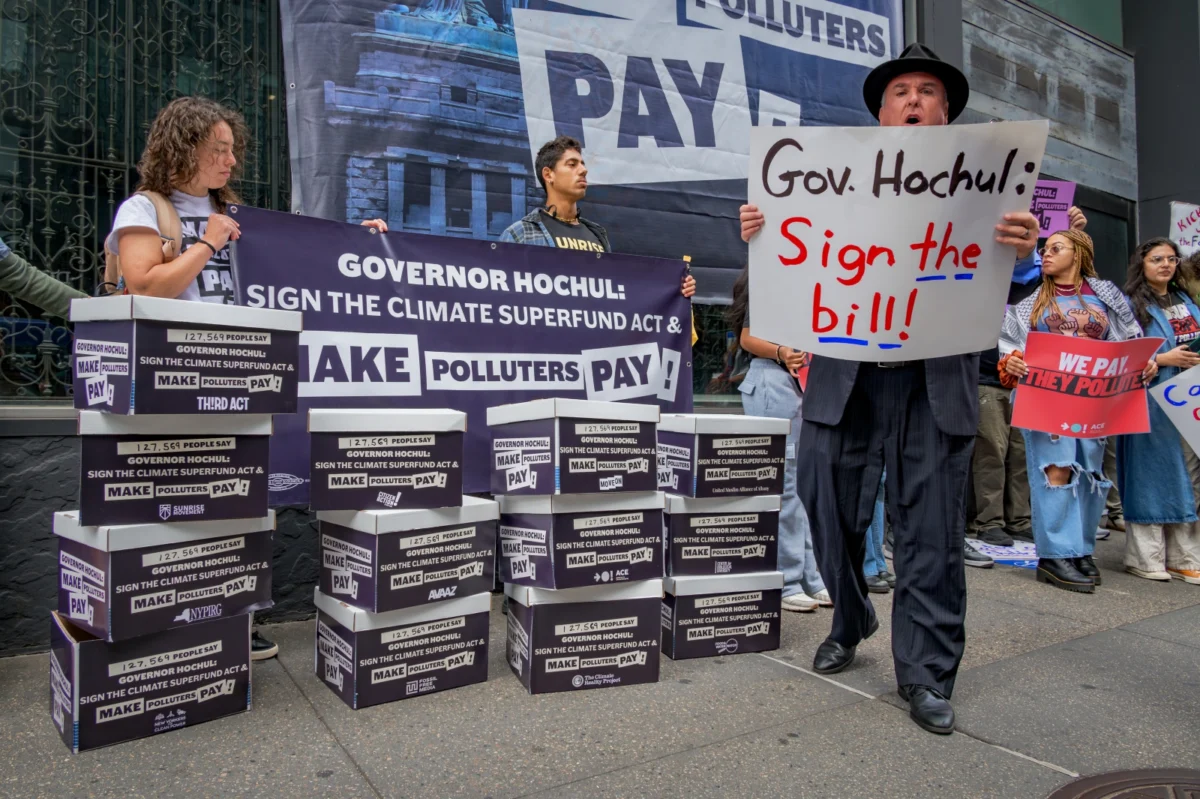
The landscape for corporate climate liability shifted dramatically last week when a federal judge issued a ruling blocking New York’s “Climate Change Superfund Act,” a landmark piece of legislation designed to force fossil fuel companies to pay for the mounting costs of extreme weather and infrastructure adaptation. This decision, the second of its kind in recent weeks, represents a significant hurdle for a growing movement of states seeking to shift the financial burden of climate change from taxpayers to the corporations responsible for historical emissions. While the ruling has prompted calls for the total abandonment of such policies from industry-friendly circles, state legislators across the country are signaling that the fight for accountability is far from over.
A Chronology of the Climate Liability Movement
The pursuit of climate restitution is rooted in the "polluter pays" principle, which found its most successful application in the federal Superfund Act of 1980. That law established a framework to hold chemical and oil companies financially accountable for the cleanup of hazardous waste sites. Following this model, proponents of climate superfund legislation argued that fossil fuel firms should be held liable for their role in contributing to a warming planet, which has exacerbated the frequency and severity of natural disasters.
The movement gained significant traction in 2024, when New York signed its own climate superfund law into effect. The legislation sought to raise $75 billion from major fossil fuel producers to fund critical projects, including the fortification of coastal defenses, the upgrading of stormwater management systems, and the installation of cooling infrastructure in public buildings.
However, the legal path has been fraught with challenges. Industry groups and a coalition of 22 state attorneys general launched an aggressive litigation campaign, arguing that such state-level mandates violate federal law. Judge Brenda Sannes of the U.S. District Court for the Northern District of New York recently sided with these plaintiffs, ruling that New York’s measure was “simply beyond the limits of state law” and preempted by the Clean Air Act. Vermont remains the only other state to have enacted similar legislation, and it, too, is currently embroiled in intense legal battles, facing a “flurry” of briefings aimed at striking down the law.
The Looming Supreme Court Threshold
While the New York decisions are significant, legal experts suggest that the ultimate fate of these laws hinges on the Supreme Court’s upcoming deliberation in Suncor v. Boulder County. Scheduled to be heard by the high court starting next week, the case originates from a 2018 lawsuit filed by Colorado’s Boulder County and the City of Boulder against oil giants Suncor and ExxonMobil.
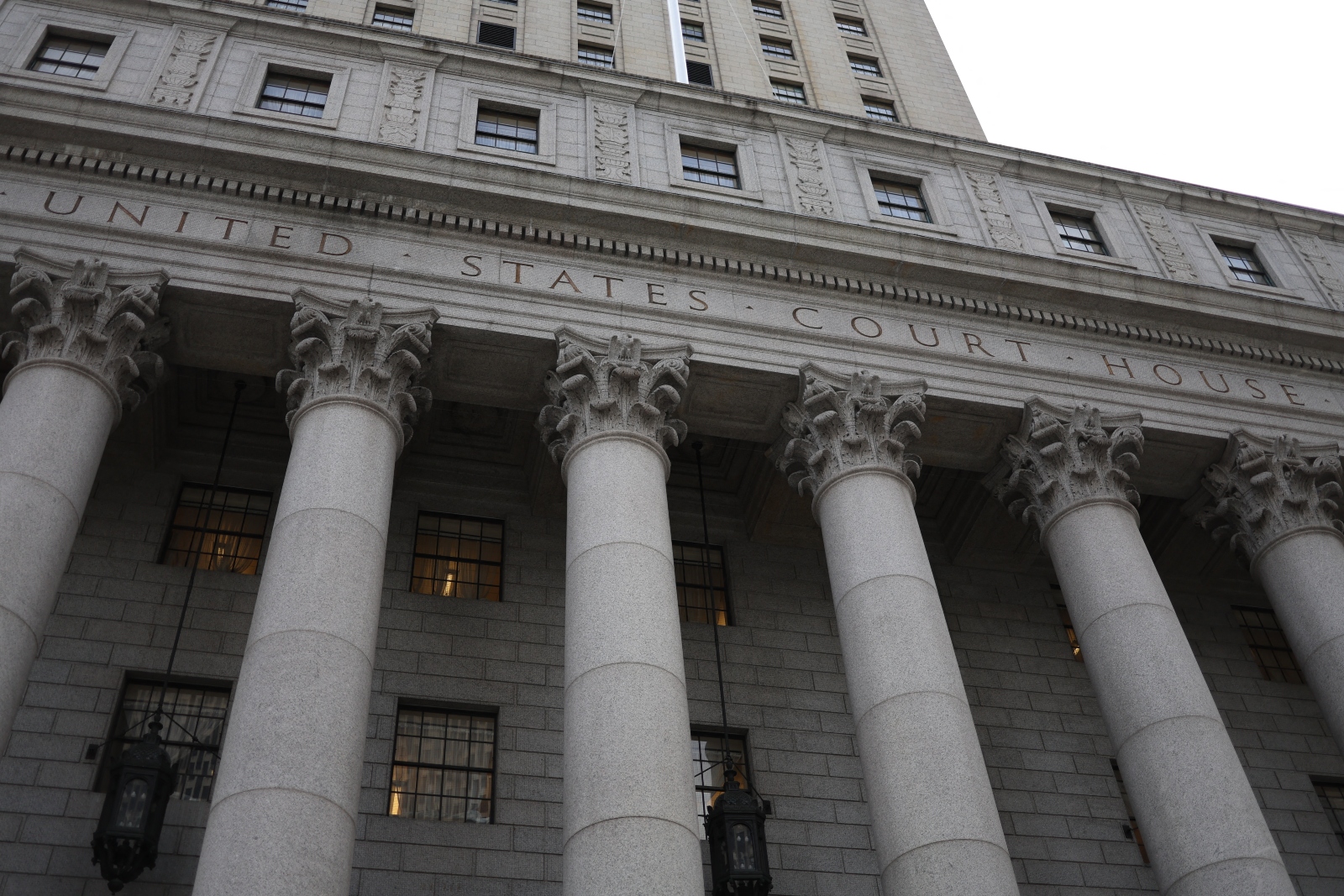
The Supreme Court’s decision, which may not be rendered until the spring of 2026, will determine whether climate-related tort claims and state-level accountability statutes are preempted by federal law. If the Court rules that the Clean Air Act or the Constitution prevents states from litigating these issues, it could effectively nullify not only climate superfund bills but also a wide array of consumer rights, racketeering, and antitrust claims currently moving through lower courts.
Pat Parenteau, an emeritus professor at the Vermont Law School, warns of the potential for a "worst-case scenario." According to Parenteau, a broad ruling against the states could leave the nation with "billions and billions of dollars piling up with no recourse" for damages, effectively shielding fossil fuel companies from state-level accountability across all 50 states.
Legislative Resilience: The View from Statehouses
Despite the judicial setbacks in New York, the appetite for climate accountability remains robust in many state legislatures. Democratic lawmakers in Connecticut, Hawaii, Rhode Island, and New Jersey have indicated that the recent court rulings have not altered their commitment to pursuing similar legislation.
In Hawaii, outgoing state senator Karl Rhoads, a key sponsor of local climate legislation, stated that the federal court rulings against New York do not diminish the necessity for state action. Similarly, Rhode Island Representative Jennifer Boylan and Connecticut Representative Josh Elliott have publicly stated their intent to reintroduce climate superfund bills in their next legislative sessions. For these lawmakers, the judicial opposition is viewed as a calculated effort to intimidate state-level policy innovation rather than a terminal legal barrier.
In New Jersey, where a climate superfund bill sponsored by Senator John McKeon has seen delays, proponents remain undeterred. McKeon has noted that New Jersey operates under different jurisdictional precedents, suggesting that the state remains a viable testing ground for these policies. Meanwhile, interest in similar legislation has been reported in California, Illinois, and Massachusetts, suggesting that the legislative momentum is not contained to a single region.
Fact-Based Analysis of Legal Implications
The legal debate centers on the concept of federal preemption. Industry representatives argue that climate change is a global, borderless issue that must be managed exclusively through federal policy and international treaties. By contrast, state proponents argue that the physical and economic damages—such as the destruction of municipal infrastructure and the costs of emergency response—are localized, state-specific impacts that require state-level legal remedies.

Rachel Rothschild, an assistant professor at the University of Michigan Law School, points out that states are not strictly bound by the decisions of lower-level district courts. However, she notes that the potential for a negative ruling in the Supreme Court creates a significant cloud of uncertainty.
Some legal scholars suggest that if the Supreme Court does not issue a total bar, it might instead provide a "yardstick" for future litigation. Jonathan Adler, a professor at William and Mary Law School, posits that the Court could outline specific parameters for what types of climate claims are permissible. For example, the justices might clarify that states can only seek damages for pollution released within their borders or for specific, demonstrable harms caused by infrastructure failures. Such a middle-ground approach could provide a roadmap for future legislative drafting, potentially allowing for more narrowly tailored, legally defensible statutes.
The Broader Impact: Democracy and Liability
The implications of this struggle extend beyond environmental policy. At the heart of the dispute is the question of state sovereignty and the ability of local governments to protect their citizens from large-scale economic and physical threats.
If the courts consistently favor the fossil fuel industry, the financial burden of climate adaptation will fall squarely on the shoulders of local taxpayers and municipal governments. Conversely, if states are successful in establishing a legal framework for accountability, it could set a historic precedent for how corporations are held responsible for the long-term, systemic impacts of their business activities.
As it stands, the "lawfare" continues on two fronts: in the courtrooms where high-stakes federal battles are being fought, and in the statehouses where legislators are testing the limits of their authority. While the New York rulings have provided a tactical victory for opponents of climate accountability, the persistence of lawmakers across the country suggests that the fundamental conflict between state-level policy goals and corporate liability is far from resolved.
The coming months, marked by the Supreme Court’s review of Suncor, will likely define the boundaries of state power for the next decade. Whether the judiciary will allow for a diverse, state-led approach to climate financing or enforce a uniform, federalized restriction remains the central question facing policymakers, industry leaders, and the public alike. For now, the push for climate superfunds remains a volatile, high-stakes experiment in modern jurisprudence.

