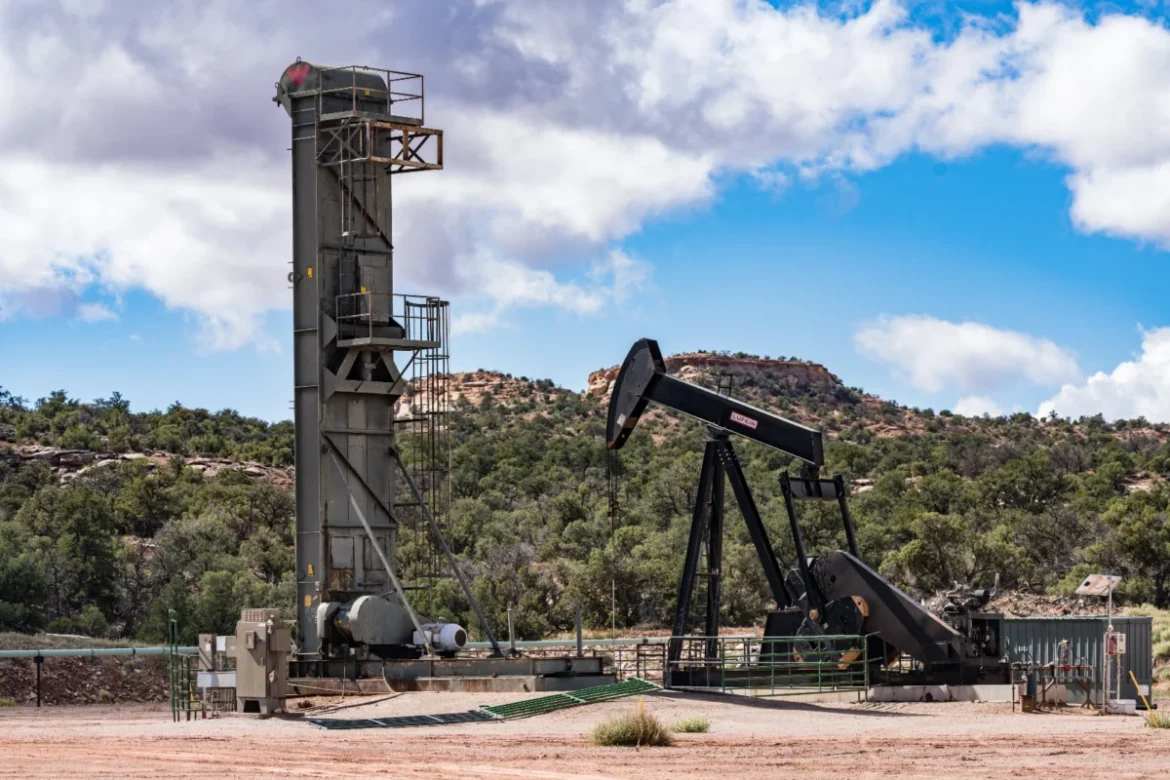
In a landmark legal development that could redefine the boundaries of corporate liability for environmental catastrophes, a King County Superior Court judge in Washington state has cleared the way for a first-of-its-kind wrongful death lawsuit against the world’s largest fossil fuel companies. The case, brought by Misti Leon, centers on the death of her mother during the unprecedented June 2021 Pacific Northwest "heat dome," an atmospheric event that shattered temperature records and claimed more than 1,200 lives across the region. By denying the motions to dismiss filed by Exxon Mobil, BP, Chevron, and Shell, the court has signaled that the legal theory linking corporate climate deception to individual fatalities possesses sufficient merit to proceed toward a full trial.
The lawsuit alleges that the "oil majors" were aware as early as the 1970s that the combustion of fossil fuels would lead to catastrophic global warming, yet they engaged in a multi-decade campaign of disinformation to mislead the public and stall regulatory action. This deception, the plaintiff argues, directly contributed to the severity of the 2021 heat wave that caused her mother’s death. As the case enters the discovery phase, it joins a growing wave of climate litigation that seeks to hold the energy industry financially and legally responsible for the localized impacts of a warming planet.
The 2021 Heat Dome: A "Virtually Impossible" Meteorological Event
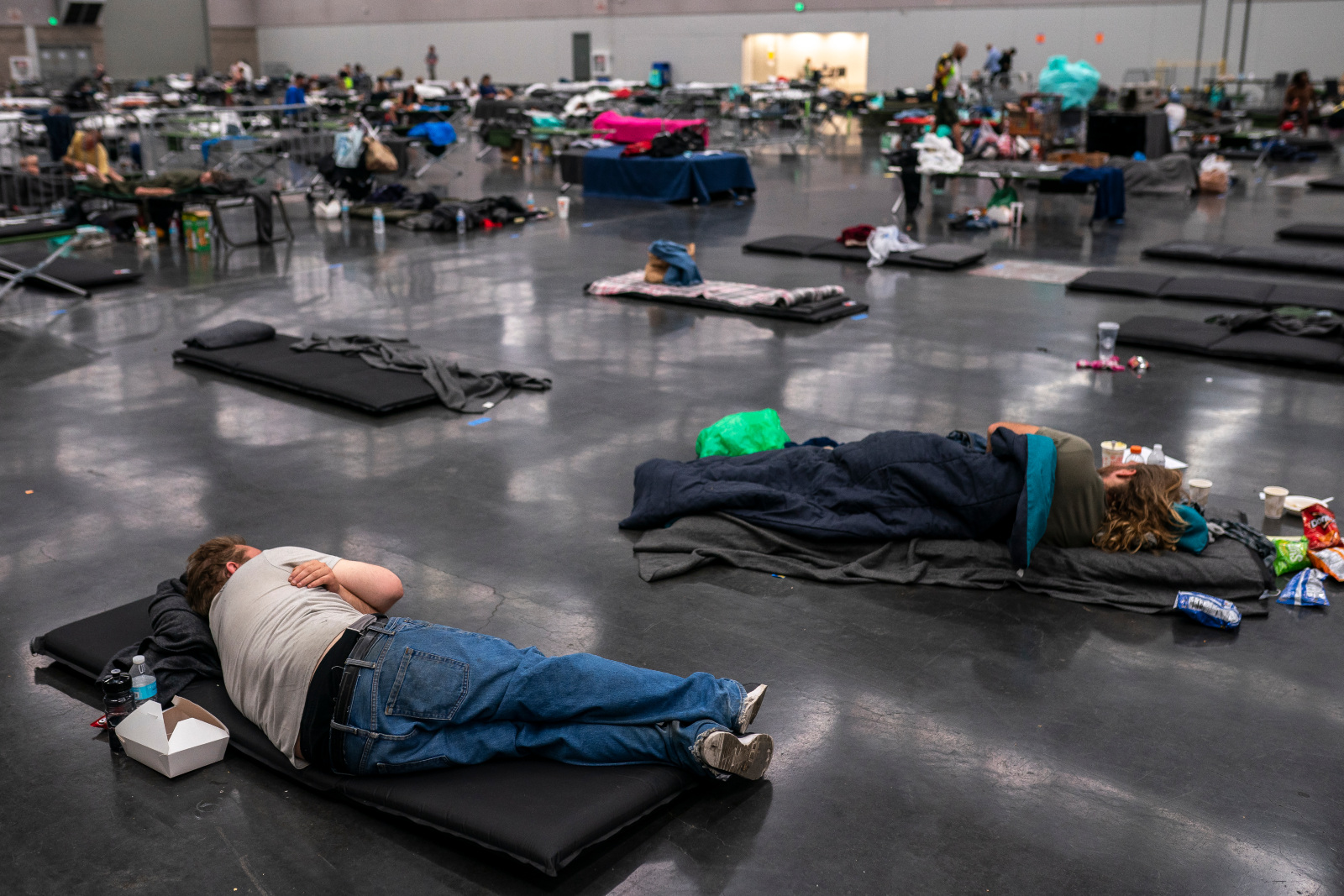
To understand the gravity of Leon v. Exxon Mobil Corp., one must look back to the final week of June 2021. During this period, a high-pressure system of historic proportions settled over Washington, Oregon, and British Columbia. In Seattle, temperatures reached an unthinkable 108 degrees Fahrenheit, while Lytton, British Columbia, recorded a staggering 121.3 degrees—the highest temperature ever documented in Canada—shortly before the town was largely destroyed by a wildfire.
Scientific consensus regarding this event is stark. A study by the World Weather Attribution group concluded that the heat dome was a "one-in-a-thousand-year event" that would have been "virtually impossible" without the influence of human-caused climate change. The study found that greenhouse gas emissions increased the likelihood of such an extreme event by at least 150 times. In Washington state alone, the Department of Health confirmed that the heat led to 157 deaths, though broader estimates suggesting nearly 1,200 fatalities across the Pacific Northwest highlight the systemic nature of the disaster. For Misti Leon, these statistics are not abstract; they represent the direct cause of her mother’s suffering and eventual death from overheating on the state’s hottest day in recorded history.
A New Frontier in Climate Litigation: From Nuisance to Wrongful Death
For years, climate-related lawsuits against the fossil fuel industry focused primarily on "public nuisance" theories or property damage. Early cases, such as those filed by coastal cities seeking funds for sea-wall construction, often stalled in federal courts. however, the legal landscape shifted significantly after investigative reports in 2015 revealed internal Exxon documents from the late 1970s confirming the company’s early understanding of global warming.
Currently, there are approximately 40 climate-related cases pending across the United States. These have evolved into more sophisticated legal strategies, including:
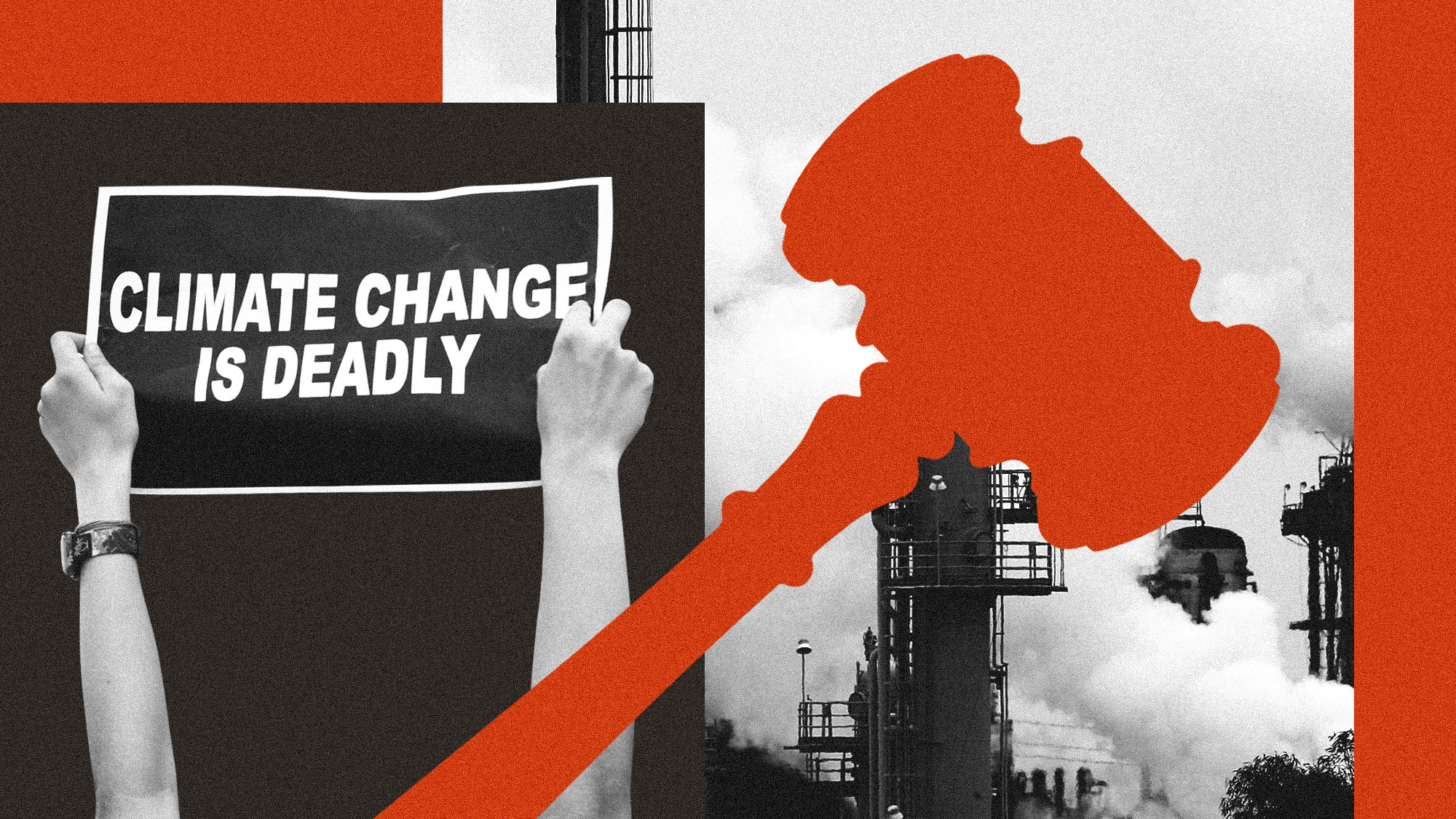
- Consumer Fraud: Alleging that companies violated state consumer protection laws by misrepresenting the environmental impact of their products.
- Failure to Warn: Arguing that companies had a duty to disclose the known risks associated with fossil fuel consumption.
- Wrongful Death: The novel approach taken in the Leon case, which attempts to draw a straight line from corporate disinformation to a specific loss of life.
The decision by the King County judge to allow the case to proceed to discovery is a major blow to the industry’s "delay and dismiss" strategy. Discovery is a rigorous legal process where plaintiffs gain access to internal corporate communications, emails, and memos. This phase is often what corporations fear most, as it can reveal "smoking gun" evidence of what executives knew and when they knew it.
The Industry Counter-Offensive: Liability Shields and Federal Intervention
As the legal pressure mounts, the fossil fuel industry has mobilized a massive counter-offensive involving legislative lobbying and executive branch support. The American Petroleum Institute (API), the primary lobbying arm for the oil and gas sector, has explicitly stated that stopping "extreme climate liability policy" is a top priority for 2026.
This counter-attack has manifested in several ways:
- State-Level Immunity: Republican-led legislatures in Utah, Iowa, Tennessee, Oklahoma, and Louisiana have recently passed laws designed to shield fossil fuel companies from liability related to greenhouse gas emissions. In Montana and Utah, lawmakers have narrowed the definition of "public nuisance" to prevent local governments from suing for climate-related damages.
- Federal Legislation: Congressional Republicans have introduced bills that would grant broad immunity to energy companies, arguing that climate policy should be handled by the federal government and international treaties rather than through state-level litigation.
- Executive Action: Following an executive order from President Donald Trump in early 2025, the Department of Justice has taken an active role in defending the industry. In a move that stunned legal observers, the DOJ filed its own lawsuit against the state of Minnesota, arguing that the state’s climate litigation undermines "American energy dominance" and interferes with federal authority over interstate commerce and environmental regulation.
Furthermore, the recent rebranding of the Justice Department’s "Environment and Natural Resources Division" to the "Energy and Natural Resources Division"—and the appointment of former Exxon lawyer Robert Levy to a senior role within it—signals a fundamental shift in how the federal government views its relationship with the fossil fuel sector.
The War Over Attribution Science
At the heart of these legal battles is the rapidly evolving field of "attribution science." This discipline uses advanced computer modeling to compare the likelihood of specific weather events in a world with human-caused emissions versus a world without them.
The industry has launched a concerted effort to discredit this science before it reaches a jury. A recent report from the National Academies of Sciences, Engineering, and Medicine confirmed that the links between climate change and extreme heat are now "increasingly robust." However, this report was met with intense scrutiny from opposition research firms like Argus Insight, which sought to uncover internal communications between the report’s authors and climate litigants.
The political pressure reached a boiling point when Republican attorneys general successfully pressured the Federal Judicial Center to remove a chapter on climate science from its reference manual for judges. President Trump echoed these sentiments on social media, labeling climate science as "fraud" and ordering a review of the National Academies’ funding. This strategic targeting of scientific evidence suggests that the industry views attribution science as the greatest threat to its legal defense.
Parallels to the Big Tobacco Settlement
Legal experts frequently compare the current situation to the litigation against the tobacco industry in the 1990s. For decades, tobacco companies successfully fought off individual lawsuits by arguing that smokers chose to take a known risk. The tide only turned when state attorneys general sued to recover the public health costs of treating smoking-related illnesses, eventually leading to the 1998 Master Settlement Agreement worth more than $200 billion.
The fossil fuel industry is currently in a similar "pre-settlement" phase. Justin Anderson, a lawyer for Exxon, noted at a recent Federalist Society panel that while the industry must win every case to maintain its current business model, the plaintiffs "just need to find one they can get through." A single multi-billion-dollar judgment or a successful wrongful death verdict could create a precedent that triggers a cascade of settlements.
Implications for the Future of Energy and Infrastructure
The outcome of Leon v. Exxon and similar cases, such as the upcoming Supreme Court review of a lawsuit from Boulder, Colorado, will have profound implications for who pays for the costs of climate change. Currently, the financial burden of rebuilding after wildfires, upgrading infrastructure for heat waves, and repairing flood damage falls largely on taxpayers and local governments.
If courts begin to hold oil companies liable, it could lead to:
- Internalization of Costs: The true cost of fossil fuels, including their environmental and social impacts, would be reflected in corporate balance sheets.
- Accelerated Energy Transition: Massive legal liabilities would likely drive capital away from fossil fuels and toward renewable energy sources as investors seek to avoid "stranded assets" and litigation risks.
- Public Compensation Funds: Similar to the tobacco settlement, funds could be established to compensate victims of extreme weather and to finance municipal climate adaptation projects.
As Misti Leon’s case moves toward trial in King County, it stands as a pivotal moment in the history of American jurisprudence. It represents a shift from abstract debates about atmospheric carbon to a visceral, human accounting of the costs of delay. Whether a jury will ultimately hold the giants of the oil industry responsible for a single woman’s death remains to be seen, but the very existence of the trial suggests that the era of corporate immunity for climate impacts is coming to an end. The eyes of the legal world, the energy industry, and grieving families across the globe are now fixed on Washington state, waiting to see if the "heat dome" will finally lead to a day of reckoning in court.