
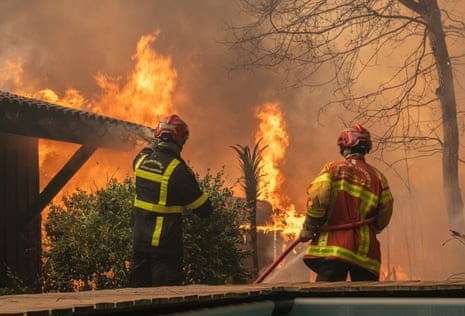
Thousands of residents were evacuated from suburbs near Bordeaux on Saturday as wildfires in France’s Gironde and Landes regions continued to rage, showing no signs of abating. French authorities, grappling with an unprecedented fire season exacerbated by successive heatwaves, have deployed military personnel and sought international aid to combat the infernos. Simultaneously, Spain declared a national emergency to address a critical wildfire situation near Madrid, while Scotland’s Cairngorms National Park also saw a major incident declared, forcing the evacuation of a village. These widespread blazes across Europe underscore a deepening climate crisis, with leaders and scientists warning of increasingly severe and unpredictable weather phenomena.

The Intensifying Crisis in France: Bordeaux Under Threat
In southwestern France, the scale of the unfolding disaster became acutely clear as evacuations were ordered for several suburbs of Bordeaux, a major city in the Nouvelle-Aquitaine region. Areas including Le Haillan, Eysines, and Mérignac, home to significant populations and infrastructure including Bordeaux-Mérignac Airport, were being cleared out as a precautionary measure. Sophie Brocas, head of the local administration for La Nouvelle-Aquitaine and Gironde, confirmed these urgent operations, highlighting the direct threat to urban areas previously considered safe.

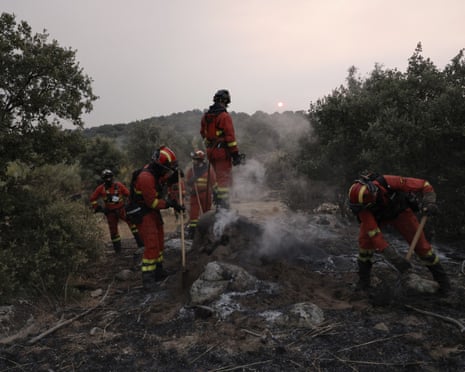
The mass displacement extends far beyond Bordeaux’s immediate vicinity. French Prime Minister Sébastien Lecornu reported that over 141,000 people have already been evacuated from the Gironde and Landes regions since the wildfires first ignited earlier this week. In a sobering statement on social media platform X, Lecornu emphasized the severity of the situation: "The fires which are hitting our country have reached a level that has never been seen before." This year’s fire season has already scorched approximately 50,000 hectares across France, nearly four times the total area burned by the same date last year, according to Interior Minister Laurent Nuñez. The sheer magnitude of the destruction has necessitated an exceptional response, with the French army drafted in to assist beleaguered civilian firefighting teams.
Further reinforcing the national effort, Prime Minister Lecornu requested the deployment of an Airbus A400M military transport aircraft earlier than its scheduled operational readiness. This strategic move, reported by Le Monde, aims to bolster aerial firefighting capabilities, despite the technical preparations and tests typically required before such a deployment. The urgency reflects the critical nature of the fires, which are consuming vast tracts of pine forests and threatening coastal communities.
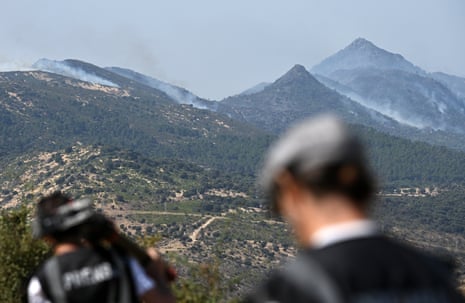
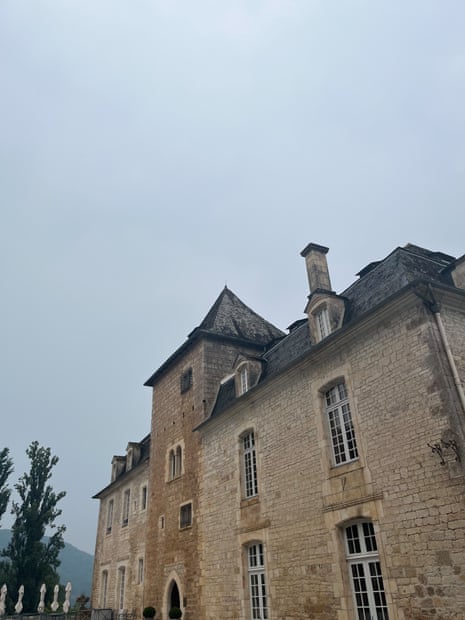
The far-reaching impact of the French wildfires is evident even in areas distant from the primary infernos. Reports from the Dordogne region, over 100 miles east of Gironde, indicated that the air was thick with smoke, settling in mountains and valleys. While local fire departments reassured residents that there was no immediate danger from local blazes, the pervasive smoke served as a stark reminder of the extensive and uncontrollable nature of the fires near Bordeaux. Despite the gravity, Éléonore Caroit, the Minister for Francophone, International Partnerships, and French Nationals Abroad, urged people not to abandon travel plans to France, stressing that many regions remained unaffected and advising visitors to stay informed about local conditions.
Spain’s National Emergency: Madrid and Ávila Under Siege
The Iberian Peninsula is facing an equally dire situation, with Spain declaring its first national emergency for a wildfire since a countrywide blackout in April 2025. This unprecedented measure grants the central government exceptional powers to coordinate the response, usually managed by regional authorities. The wildfires near Madrid and in the neighboring province of Ávila have reached a critical juncture, threatening to merge into an even larger, unmanageable conflagration.
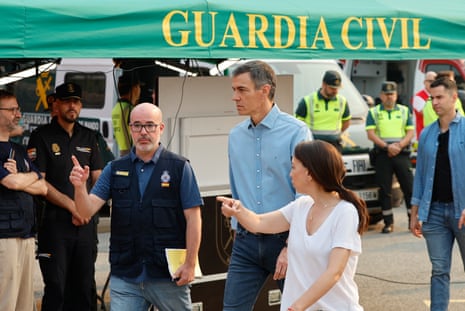
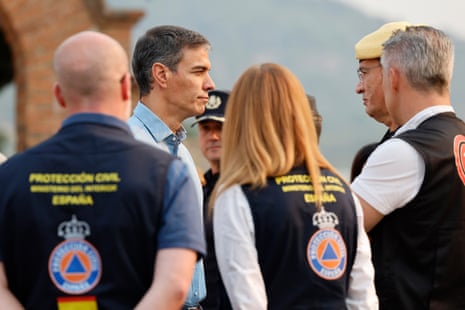
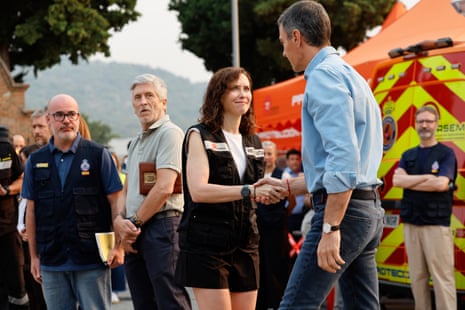
Spanish Prime Minister Pedro Sánchez visited the affected areas near Madrid, describing the wildfire situation as "complex." He acknowledged the unpredictable nature of the blazes, stating, "We don’t know how the wind will develop, even though temperatures have dropped." The fires have already devastated nearly 25,000 hectares (62,000 acres) of land around the capital. On Friday, two large blazes merged into one, and a third was on the verge of joining them, creating an "extreme gravity" situation, according to Madrid’s regional government, which had urgently requested national assistance.
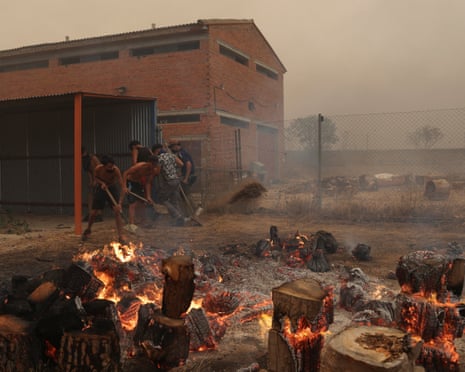
The immediate priority remains the protection of human life, with over 63,000 people already evacuated or confined across the affected regions. Carlos Novillo, Madrid’s regional environment minister, candidly admitted that the fires had reached "a critical moment" and were "beyond our extinguishing capability." He emphasized that "the priority at the moment is protecting people, helping those who have been evacuated, and making the most of windows of opportunity."
The Spanish State Meteorological Office (Aemet) provided a mixed forecast, offering a glimmer of hope that cooler temperatures, easing winds, and increased humidity in the early hours of Saturday might provide a "real opportunity" for firefighters to gain control in western and central Spain. However, Aemet warned that fire risk would remain "at very high levels" across other parts of the country, potentially reaching "extreme levels" in the northeast and east, where "erratic gusts" could intensify the blazes later in the day.
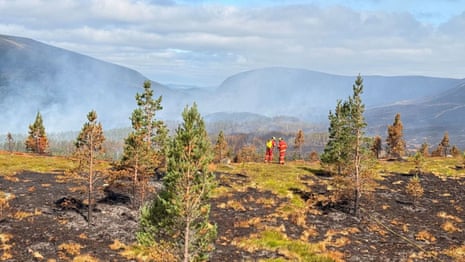
The sheer scale of destruction in Spain this year is staggering. According to the Spanish environment ministry, 32 large wildfires have occurred so far, a significant increase from just seven during the same period last year. This year, 131,113 hectares of land have been burned by wildfires as of July 25, a dramatic leap compared to 24,133 hectares for the same period in the previous year. Prime Minister Sánchez highlighted that 130,000 hectares (321,000 acres) have burned since January, already exceeding the annual average of 100,000 hectares over the last decade. During his visit, Sánchez reiterated his urgent call for a "national pact against the climate emergency," urging the public to "accept and understand" that climate change is causing increasingly severe and intense forest fires that are "exceeding scientific predictions." This call builds on a 10-point plan to tackle the climate crisis he unveiled last year, which included proposals for a state civil protection agency, a network of climate refuges, and a fundamental rethinking of forest management and land use.
Scotland’s Cairngorms: A Major Incident in the Highlands
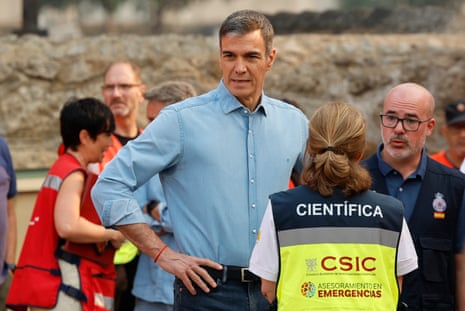
The UK has not been spared from Europe’s escalating wildfire crisis. In Scotland, a major incident was declared in the Cairngorms National Park, forcing the precautionary evacuation of Nethy Bridge, a village of approximately 600 residents. Police Scotland announced the evacuation and closure of all access roads to the village after changes in wind conditions significantly intensified the spread of the wildfire, which had been burning in the Glenmore area for over a week.
Scotland’s First Minister John Swinney convened an emergency meeting of the Scottish Government Resilience Room (SGORR) to review the ongoing response. Swinney described the situation as "very serious," expressing concern for residents and businesses. He confirmed that Scottish Fire and Rescue Service resources were focused on creating fire breaks, and additional police resources were deployed to assist with the evacuation, particularly identifying vulnerable residents needing extra support. The Scotsman newspaper reported that the relentless strong winds, despite a massive response involving more than 500 firefighters and emergency personnel, led to calls for military assistance to control the spreading blaze. Superintendent Judy Hill of Police Scotland underscored the challenges: "The weather conditions experienced within the Cairngorms over the last 24 hours have added further complexities to this situation. With evidence suggesting the fire is spreading towards Nethy Bridge, the decision has been taken to declare a major incident and evacuate residents as a precaution."
Europe’s Unifying Challenge: Climate Breakdown and Collective Response
The simultaneous crises across France, Spain, and Scotland highlight a stark reality: Europe is experiencing an increasingly intense and widespread wildfire season, directly linked to the accelerating climate crisis. French President Emmanuel Macron activated the EU’s civil protection mechanism, securing reinforcements from Croatia (two aircraft), Portugal (two planes), and the Czech Republic and Slovakia (two heavy helicopters), demonstrating the necessity of cross-border cooperation in the face of such overwhelming challenges.
Scientists consistently point to climate breakdown as the primary driver behind these "more frequent and more extreme weather events." Europe is currently heating at approximately twice the global average rate, leading to severe consequences such as evaporating soils and waterways, which create tinder-dry conditions ripe for ignition and rapid fire spread. Beyond the immediate destruction of ecosystems and infrastructure, these extreme heat events are also contributing to thousands of excess deaths across the continent. France, for instance, has endured three almost back-to-back heatwaves since May, severely impacting its natural environment. Rivers like the Loire, France’s longest, are at historical lows, with some branches reduced to trickles between sandbanks. Two weeks prior, 16% of French rivers had dried up, a quarter of small streams were stagnant or gone, severely threatening aquatic wildlife and necessitating volunteer efforts to rescue stranded fish.
Broader Implications and the Path Forward
The cascading wildfires across Europe carry profound and long-lasting implications, touching upon environmental, economic, and social spheres.
Environmental Impact: The destruction of vast forest areas, particularly ancient woodlands and biodiversity-rich national parks like the Cairngorms, represents an irreversible loss of natural heritage. These fires release massive amounts of stored carbon into the atmosphere, exacerbating climate change in a vicious feedback loop. The long-term ecological damage includes soil degradation, increased erosion risk, and habitat destruction, which could take decades or even centuries to recover.
Economic Strain: The economic repercussions are severe. Agricultural losses, particularly in wine-producing regions like Bordeaux, will be substantial. The disruption to tourism, despite official assurances, will inevitably impact local economies reliant on visitors. The immense cost of emergency response, including deploying thousands of firefighters, military personnel, and specialized aircraft, places a significant burden on national budgets. Post-fire recovery and rebuilding efforts will further strain resources.
Social Resilience: The human toll extends beyond direct casualties. Mass evacuations cause immense psychological distress, displacement, and uncertainty for thousands of families. Communities face the daunting task of rebuilding homes and lives, often with lingering trauma. The smoke plumes, extending far beyond fire lines, pose public health risks, necessitating measures like the distribution of face masks.
Policy Imperatives: The current crisis serves as a stark warning and a powerful call to action. Political leaders, including Spain’s Pedro Sánchez, are increasingly framing these events as unequivocal evidence of the climate emergency, demanding a unified and proactive response. This includes:
- Enhanced Climate Adaptation: Investing in resilient infrastructure, developing early warning systems, and implementing sustainable land management practices.
- Improved Forest Management: Rethinking traditional forestry to create more fire-resistant landscapes, including controlled burns and diverse tree planting.
- Increased Resources: Significantly boosting funding and personnel for national and international firefighting capabilities.
- Cross-Border Cooperation: Strengthening mechanisms for mutual aid and resource sharing across European nations.
- Accelerated Decarbonization: Redoubling efforts to reduce greenhouse gas emissions to mitigate the root causes of extreme weather events.
As Europe endures yet another scorching summer, the fires underscore that the era of climate breakdown is not a distant threat but a present reality, demanding immediate and sustained global action to protect lives, livelihoods, and the planet’s fragile ecosystems. The "unprecedented" nature of these blazes signals a critical juncture, requiring societies to adapt, mitigate, and fundamentally reconsider their relationship with a rapidly changing climate.

