Across the European continent, the dream of affordable urban living is rapidly becoming an economic impossibility. From the historic tenements of Berlin to the tech-fueled markets of Dublin, the convergence of stagnant wage growth, a severe shortage of new construction, and the financialization of residential property has triggered a social emergency. As average rents in major hubs have climbed by as much as 50% over the last five years, municipal governments are being forced to pivot away from market-reliance toward experimental, interventionist policies to prevent the total displacement of their working populations.
The Berlin Referendum: A Catalyst for Change
In Berlin, the epicenter of this struggle, the housing crisis has reached a boiling point. Five years ago, in a landmark referendum that shook the German political establishment, Berliners voted overwhelmingly in favor of a proposal to expropriate the property of large-scale real estate firms owning more than 3,000 units. The mandate, while non-binding, was a clear signal of public frustration. Despite the clear will of the voters, the city’s Senate remained largely stagnant, refusing to enact the legislation.
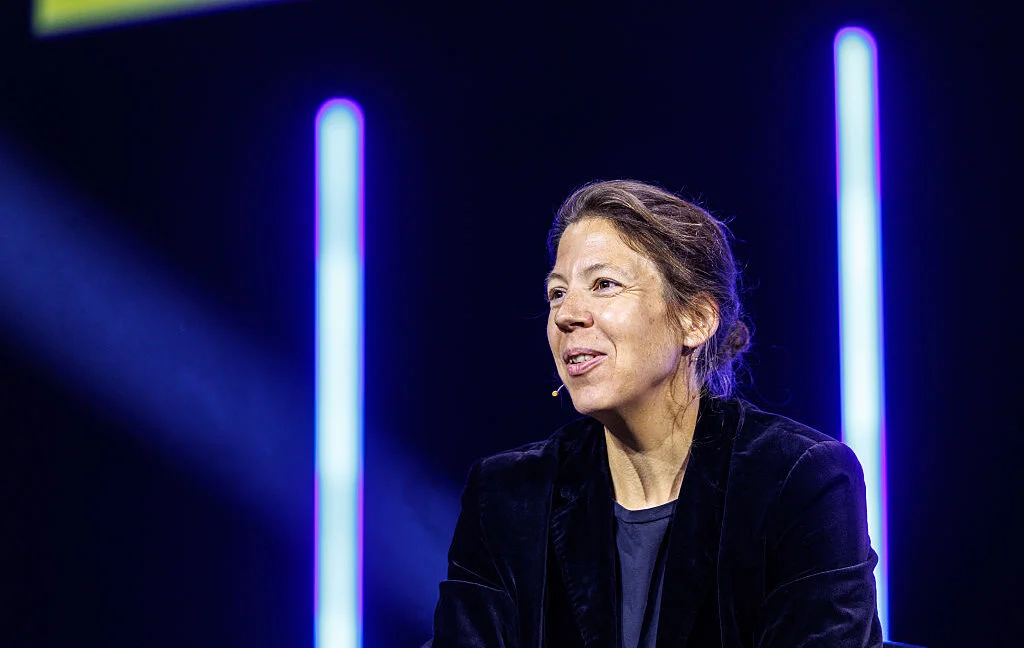
This inaction has had profound consequences. Data from the German Federal Statistical Office suggests that since the 2021 vote, the cost of new leases in Berlin has surged by nearly 50%, forcing low- and middle-income residents to the city’s periphery. However, the political landscape shifted dramatically on September 20, when the socialist Left Party, having centered its platform on the implementation of the expropriation mandate, secured the largest share of the vote in Berlin’s elections. Elif Eralp, a prominent figure in the party, has framed the victory as a mandate for social equity, promising a administration that prioritizes the "right to the city" over the profit margins of institutional landlords. As coalition negotiations begin, the pressure to reconcile electoral promises with legal and budgetary realities will serve as a bellwether for housing movements across Europe.

A Chronology of the Crisis
The current housing crunch is not a sudden phenomenon but the result of decades of policy shifts.
- 2008-2010: Post-financial crisis austerity leads to a drastic reduction in public housing investment across the EU.
- 2014: Paris initiates its anti-displacement plan, marking a shift toward strict municipal control of land.
- 2021: Berlin voters approve the expropriation of corporate-owned housing; Ireland launches the Cost Rental Housing program in response to record-high rents.
- 2023-2024: Multiple European cities, including Barcelona and Lisbon, pivot toward "public land, private building" models to bypass surging land valuations.
- September 2026: The Berlin elections signal a potential sea change in how German governance handles real estate policy, centering the debate on whether the state has the authority to seize assets to serve the public good.
The Vienna Model: The Gold Standard of Social Stability
Often cited as the blueprint for modern urban housing, the "Vienna Model" is a testament to the longevity of social-democratic planning. Born from the ashes of World War I, when overcrowding led to rampant disease and social unrest, the city took a radical path: it became the landlord. Today, the municipal government owns approximately 220,000 apartments, complemented by 200,000 heavily subsidized dwellings.
The economic genius of this system lies in its scale. With more than 60% of the city’s population residing in non-profit or public housing, the city exerts a downward pressure on the private rental market. Private developers in Vienna cannot charge exorbitant rents because they must compete with high-quality, government-backed alternatives. The result is a highly stable market where housing is treated as an infrastructure requirement rather than an investment vehicle.
Basel and the Decoupling of Land and Structure
In Basel, Switzerland, the strategy involves a sophisticated decoupling of land ownership from building ownership. By retaining ownership of municipal land and leasing it to cooperatives for extended periods—often 50 to 99 years—the city removes the "land premium" from the cost of development. Because developers do not have to purchase land at market-inflated prices, they can keep rents significantly lower for tenants. This model has gained traction internationally, with Barcelona and Lisbon adopting variations of this approach to curb the impact of speculative capital on local neighborhoods.

The Parisian Strategy: Repurposing the Urban Core
Paris faces a unique challenge: a scarcity of buildable land in a densifying urban center. To combat this, the French capital has implemented a "first right of refusal" policy in gentrifying districts, allowing the municipality to intervene in property sales to ensure a portion remains as social housing.
Furthermore, the French government has identified an innovative solution to the lack of space: the conversion of underutilized office space. In a post-pandemic world, where remote and hybrid work have left thousands of square meters of office real estate vacant, the city is fast-tracking the conversion of these structures into residential units. Current estimates suggest this initiative could yield 8,200 new homes in the inner suburbs, directly addressing the supply shortage without the environmental and financial cost of new large-scale construction.
Prague and the Protection of the "Essential Worker"
Prague has adopted a more targeted approach, focusing on the preservation of the essential workforce. Recognizing that teachers, police officers, and healthcare workers are often priced out of the cities they serve, the city has partnered with financial institutions to develop energy-efficient housing specifically reserved for public-sector employees.
By leveraging European loans and economies of scale, Prague has succeeded in keeping rents for these units 20% below market rates. Importantly, the allocation of these apartments is managed by public agencies and hospitals, which use the housing as a strategic tool to recruit and retain talent in a competitive, high-cost environment.

Dublin’s Cost Rental Revolution
Dublin serves as a stark example of the dangers of market deregulation. After the 2008 financial crash, an influx of foreign investment and the arrival of global tech giants transformed the city into one of the most expensive rental markets in the EU. In response, the Irish government introduced the "Cost Rental Housing" program in 2021.
The program targets "middle-income" earners—those who earn too much for social housing but are shut out of the private market. With a net income ceiling of €66,000, the program allows households to rent units managed by non-profits at rates roughly 30% below the market average. While the government aims for 18,000 units by 2030, current demand vastly outstrips supply, highlighting the immense difficulty of scaling such solutions in a high-demand environment.
Broader Implications and Future Outlook
The shift in policy across these cities reflects a profound ideological transition. For decades, the dominant economic consensus was that the market, if left to its own devices, would eventually increase supply and stabilize prices. The data from the last five years suggests the opposite: in the absence of aggressive state intervention, urban housing has become a vehicle for wealth extraction, leading to the "hollowing out" of city centers.
The implications for policymakers are clear: the housing crisis is not a temporary market fluctuation but a systemic failure. Whether through the direct expropriation of assets, the conversion of office space, or the state-subsidized development of land, cities are finding that they must reclaim control over their urban environments if they are to remain functional. As Berlin begins its new political chapter, the eyes of Europe are watching to see if the mandate of the people can successfully challenge the entrenched interests of the real estate sector. The outcome will likely determine the social and economic fabric of European cities for the next generation.