
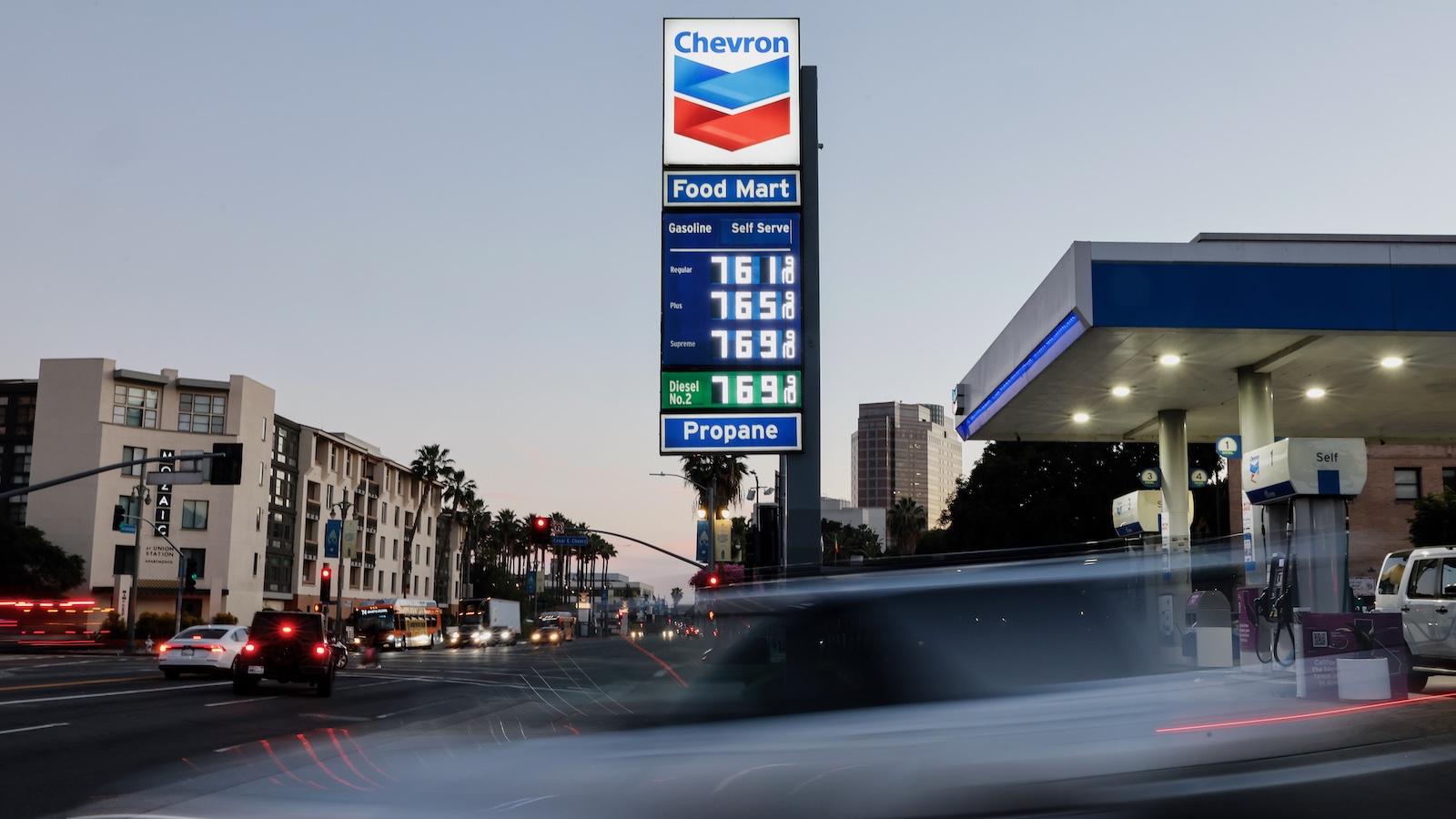
In the high-stakes arena of California’s 2026 gubernatorial race, the most influential figure might not be found among the candidates debating on stage, nor in the outgoing administration of Governor Gavin Newsom. Instead, the gravitational center of the contest is a century-old multinational corporation: Chevron. As California navigates a volatile transition from a petroleum-dependent past to an electrified future, Chevron has emerged as both a political lightning rod and an indispensable titan of the state’s infrastructure. Depending on the political lens applied, the company is either a predatory force "strangling" consumers through price manipulation or a victim of an over-regulated environment that threatens the state’s economic stability.
The sheer scale of Chevron’s influence is difficult to overstate. Reporting $12.3 billion in profit last year, the company remains a cornerstone of the California economy, despite the state’s aggressive pivot toward electric vehicles (EVs). The tension between environmental goals and economic realities reached a boiling point last month during an interview with Democratic frontrunner Xavier Becerra. When questioned about Chevron’s contributions to his campaign, the former State Attorney General and U.S. Health and Human Services Secretary offered a response that has since reverberated across the political spectrum: “Chevron, that’s the problem with politics. They’re not the bad guy. Does everybody here drive an electric vehicle? You need Chevron. I need Chevron. My people of the state of California need Chevron… Chevron wants to give me a check, that’s—that’s their prerogative.”
The Political Backlash and the "I Need Chevron" Narrative
Becerra’s candid admission—specifically the phrase “I need Chevron”—was immediately weaponized by political opponents and environmental activists. Climate advocate Jane Fonda released videos implying Becerra’s dependency on oil money was electoral rather than practical. Progressive billionaire Tom Steyer, Becerra’s primary Democratic rival, urged the return of the donations, accusing Becerra of doing the “bidding” of Big Oil. Meanwhile, Representative Katie Porter, another heavyweight in the race, distanced herself by emphasizing her record of refusing fossil fuel contributions.
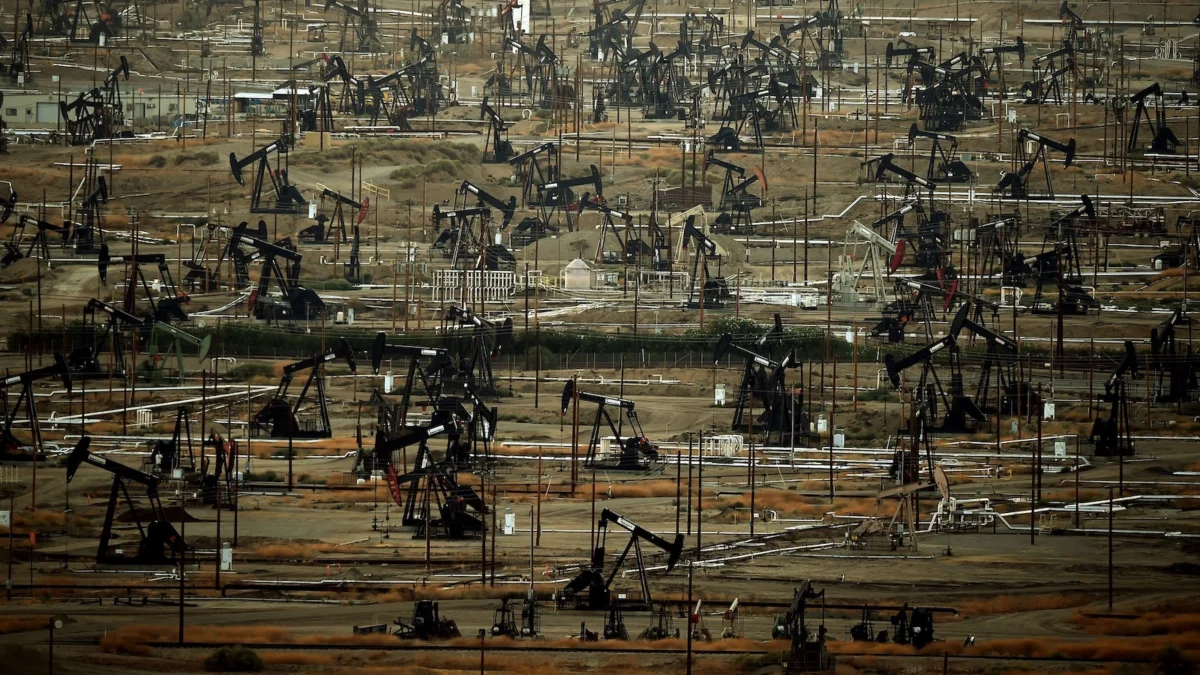
However, Becerra’s statement reflects a stark logistical reality. California consumes approximately 13 billion gallons of gasoline annually. This fuel is not a standard commodity; it is a specialized, low-emission blend required to meet the state’s stringent clean air standards. Production is concentrated in just six major refineries, with Chevron owning two of the most critical facilities. Together, these two refineries account for roughly one-third of the state’s total production. This concentration gives Chevron immense leverage over the state’s daily functionality.
A Chronology of California’s Energy Evolution
To understand the current friction, one must look at the timeline of California’s energy landscape over the last two decades:
- 2004: California’s gasoline consumption peaks. Since then, it has declined by roughly 15% due to fuel efficiency standards and the early adoption of hybrids and EVs.
- 2015: An explosion at a refinery in Torrance triggers a significant price gap between California and the rest of the nation, giving birth to the "mystery gasoline surcharge."
- 2020: Governor Newsom issues an executive order requiring all new passenger vehicles sold in California to be zero-emission by 2035.
- 2023: In response to surging gas prices following the invasion of Ukraine, the Legislature passes SB X1-2, creating a dedicated oil-focused watchdog and empowering the state to impose refinery profit caps.
- 2024: Chevron announces it is moving its corporate headquarters from San Ramon, California, to Houston, Texas, citing a burdensome regulatory environment.
- 2025: Major refiners in Wilmington and Benicia announce they will cease operations, further tightening the state’s internal supply.
- 2026: The California Energy Commission (CEC) warns that "asset-by-asset" crisis intervention is no longer sustainable, suggesting state management of refineries may be necessary.
The Economic Squeeze: Profits, Taxes, and the "Mystery Surcharge"
The Newsom administration has spent years aggressively targeting what it terms "price gouging" by oil companies. These efforts include multiple carbon taxes and new rules requiring refineries to maintain specific storage reserves to prevent supply shocks. While these regulations aim to protect consumers, they have simultaneously thinned profit margins and increased the cost of doing business in the Golden State.
Despite these regulatory hurdles, state officials have identified a persistent pricing anomaly. Even after accounting for California’s high taxes and environmental fees, Californians pay roughly $1.00 more per gallon than the national average. This "mystery surcharge" has been attributed by some regulators to the monopoly power held by a few key players. Last fall, a state regulator concluded that the concentrated market power of refiners like Chevron allows them to maintain high prices regardless of global crude fluctuations.
In response, Chevron’s leadership has issued dire warnings. Andy Walls, president of Chevron’s refinery business, wrote in an open letter to Governor Newsom that proposed regulations would "cripple the survivability" of the remaining refineries. The implication is a looming ultimatum: if regulations are not eased, the industry will exit, leaving California dependent on expensive gasoline imports from Asia.
The Candidates: Diverging Paths to Decarbonization
The upcoming June 2 primary features a crowded field of candidates, each offering a different strategy for managing the "messy" transition away from fossil fuels.
Xavier Becerra: The Pragmatic Moderate
Becerra has positioned himself as a defender of affordability and reliability. While he pays lip service to clean energy, his campaign is heavily supported by the industry. Chevron recently contributed the maximum allowable $39,200 to his campaign—the first time in a decade they have backed a gubernatorial candidate—followed by an additional $500,000 to an independent political committee supporting him. California Resources Corporation, the state’s largest driller, has also contributed $500,000 to his cause. Becerra’s supporters argue that his relationship with the industry is necessary to ensure a stable energy supply while the state builds its green infrastructure.
Tom Steyer: The Climate Crusader
Steyer, whose political identity was forged in climate activism, has made attacking "Big Oil" the centerpiece of his platform. He advocates for activating the refinery profit caps that Newsom has hesitated to use and suggests taxing private jet fuel. However, Steyer faces criticism for his own history; the hedge fund he founded, Farallon Capital, remains a major financier of coal projects in Indonesia and Australia. While Steyer claims he no longer profits from these investments, the link remains a point of contention for his opponents.
The Republican Alternative: Steve Hilton
Former Fox News host Steve Hilton represents the conservative perspective, arguing that the state’s climate policies are the primary driver of its high cost of living. Polling shows Hilton and Becerra in a virtual tie, with Steyer trailing at 15%. Given California’s "jungle primary" system, it is likely that two of these three will face off in the general election.
The Experts’ View: Is State Ownership Inevitable?
Civil engineer and sociologist Emily Grubert of Notre Dame, who has advised the state on oil infrastructure, argues that the transition cannot be left to market forces alone. "As soon as you realize that actually transitioning away from fossil fuels means you have to close things, people get really freaked out," she noted. Grubert believes that to avoid "ad hoc subsidies" or "extortion" by private companies threatening to close facilities, the state may need to consider direct ownership or management of refineries.
This radical sentiment was echoed in a recent, underreported analysis by the California Energy Commission. The report stated that California cannot manage the transition through "repeated crisis interventions." Instead, it proposed options such as "legal obligations to operate" and "centralized planning of closures."
Broader Impact and Global Implications
The outcome of the California governor’s race will serve as a bellwether for global climate policy. As the world’s fifth-largest economy, California’s ability to manage a "just transition"—one that reduces emissions without causing economic collapse for its working class—is being watched by governments worldwide.
The current geopolitical climate adds further pressure. Conflict in the Middle East has threatened the supply of crude oil, while the Strait of Hormuz remains a potential bottleneck for global energy. In California, where 60% of oil is already imported, any disruption to the global supply chain translates immediately to the pump. Simultaneously, the state is seeing a surge in EV adoption, with zero-emission vehicles now accounting for over 25% of new car sales.
The challenge for the next governor will be a delicate balancing act: maintaining a dying but essential petroleum infrastructure while accelerating the growth of a renewable grid. If the state moves too fast, it risks price spikes that could alienate the working-class voters—particularly young Latino men—who are most affected by gas prices. If it moves too slowly, it risks failing its climate mandates and locking in decades of preventable air pollution.
As the primary approaches, the shadow of Chevron looms over every debate. The company’s financial weight and its control over the state’s fuel supply have made it an unavoidable protagonist in the race. Whether the next governor chooses to confront or conciliate the oil giant will define California’s economic and environmental trajectory for the next decade. For now, the "I need Chevron" controversy serves as a stark reminder that in the Golden State, the road to a green future still runs through a refinery.

