

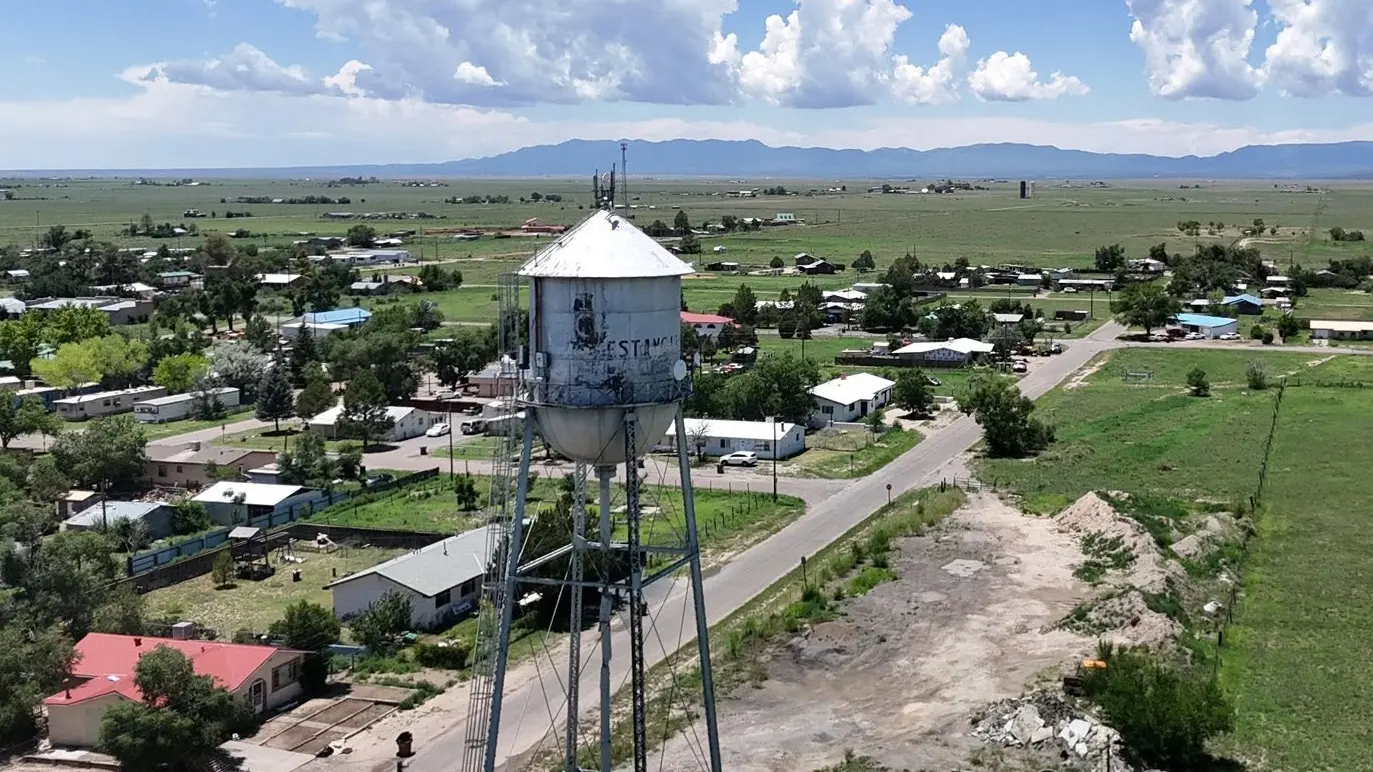
The small town of Estancia, New Mexico, is currently grappling with a severe environmental and administrative crisis as its primary water sources have effectively run dry, forcing local officials to declare a state of emergency and take drastic measures to sustain the community. This water shortage has not only disrupted the lives of the town’s 1,400 residents but has also ignited a political firestorm, resulting in a vote of "no confidence" against the mayor and highlighting the precarious relationship between small-town infrastructure and large-scale federal immigration detention facilities. As the town hauls in thousands of gallons of water by truck to maintain its supply, the crisis has exposed the growing strain that climate change and industrial-scale water consumption are placing on the arid American West.
The emergency reached a breaking point last week when the municipal wells, which tap into the declining Estancia Basin aquifer, failed to produce sufficient water to meet the town’s needs. In response, the Board of Trustees has been forced to ration water and seek immediate state intervention. The crisis is compounded by the presence of the Torrance County Detention Facility (TCDF), a federal immigration detention center operated by the private contractor CoreCivic. As the town’s largest commercial water consumer, the facility’s demand has become a focal point of public frustration, particularly as the town’s leadership remains in a state of flux following the leave of absence taken by Mayor Runnel Riley.
A Chronology of a Predictable Crisis
The current water emergency in Estancia is the culmination of years of environmental degradation and infrastructure delays. While the situation reached a critical stage in June 2026, the warning signs have been present for nearly a decade.
In 2021, the New Mexico Office of the State Engineer officially closed the Estancia Basin to new water rights, a move intended to prevent further depletion of the aquifer. Despite this regulatory intervention, officials warned at the time that existing water rights, if fully utilized, would continue to drive groundwater levels down. By 2024, the town was already issuing public calls for conservation, and by May 2025, Estancia residents were asked to significantly reduce their usage as well production began to falter.
The political dimension of the crisis intensified in November 2025, when Runnel Riley was elected mayor by a razor-thin margin of just five votes. His tenure has been marked by increasing absenteeism as the water situation worsened. According to town records and statements from the Board of Trustees, Riley stopped attending meetings as the infrastructure failures became more frequent. This lack of leadership culminated in the Board’s unanimous vote of "no confidence" on Tuesday evening, a symbolic but significant move that reflects the community’s desperation.
The Role of the Torrance County Detention Facility
The Torrance County Detention Facility is a central figure in Estancia’s water narrative. Capable of housing up to 800 detainees, the facility represents a massive industrial load on a water system designed for a small rural population. During the emergency meeting held on Tuesday, residents and local reporters raised pointed questions about exactly how much of the town’s water is diverted to the detention center.
While Mayor Pro Tem Albert Lovato admitted that the town lacks precise, real-time data on the proportion of water used by CoreCivic, historical reporting from the Mountainair Dispatch suggests that more than 80 percent of the town’s water production is consumed by commercial customers, with the detention center being the primary driver of that figure. Lovato noted that the facility’s water demand fluctuates wildly based on the number of detainees held by Immigration and Customs Enforcement (ICE), making it difficult for the town to manage its dwindling reserves.
In response to the town’s decision to reduce water sales to the facility, CoreCivic has begun trucking in its own water supplies to maintain operations. Ryan Gustin, CoreCivic’s senior public affairs director, stated that the company has implemented contingency plans to ensure that the facility remains operational and that detainees have access to drinking water. However, the reliance on trucked-in water is a temporary and expensive fix for a problem that appears to be structural.
Environmental Data and Aquifer Depletion
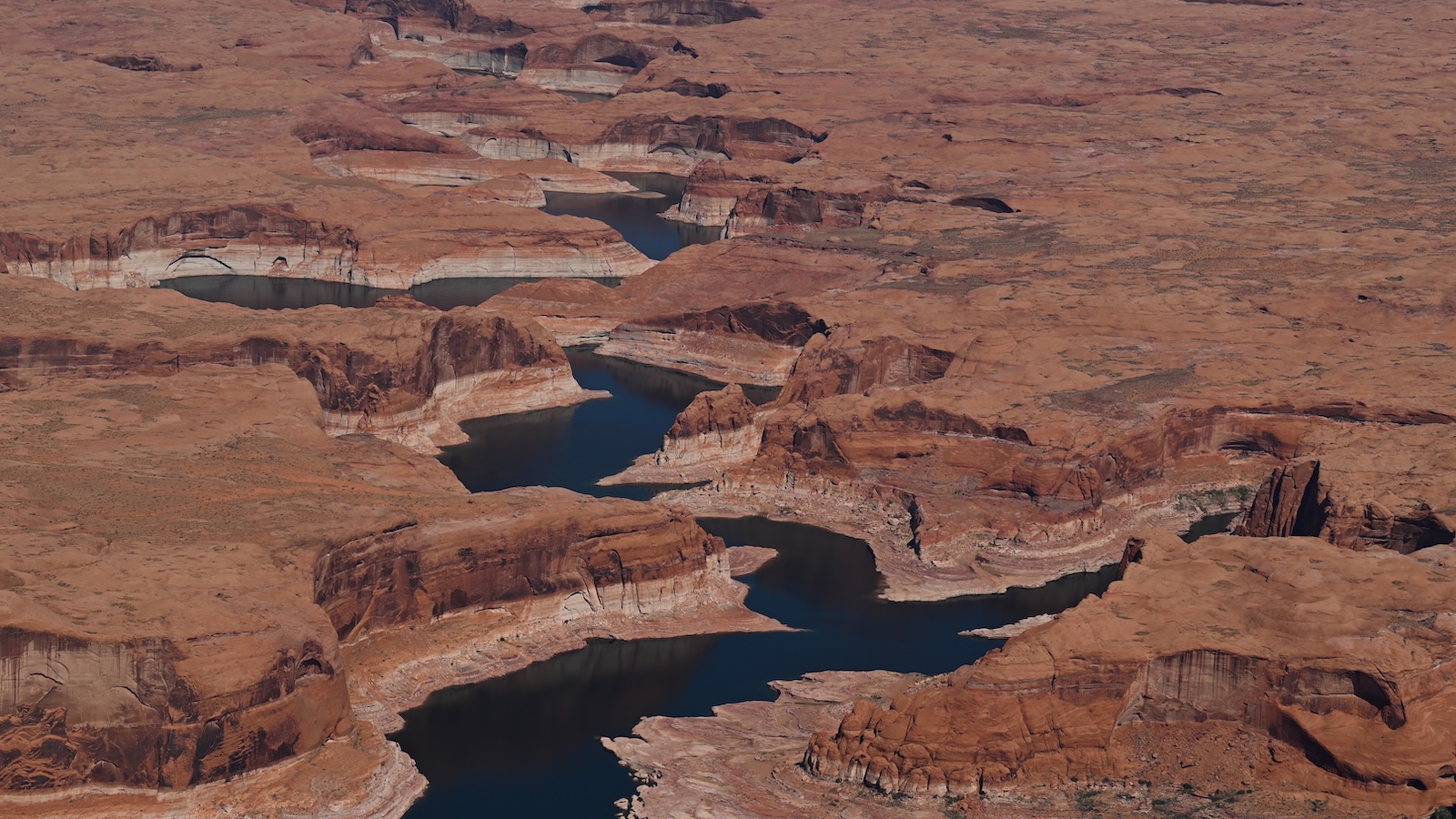
The Estancia Basin aquifer is the lifeblood of Torrance County, but it is a finite resource under immense pressure. According to the New Mexico Groundwater Alliance, decades of overpumping for agricultural and industrial use have led to a steady decline in the water table. This is exacerbated by the broader climate reality in New Mexico, where rising temperatures and shifting precipitation patterns have reduced the rate of aquifer recharge.
Data from the New Mexico Environment Department (NMED) indicates that the region is suffering from a prolonged "snow drought," where reduced winter snowpack in the nearby mountains leads to lower runoff and less groundwater infiltration. For a town like Estancia, which lacks access to surface water and relies entirely on underground wells, these climatic shifts are existential. The town has already received 116,700 gallons of hauled water as of the past weekend, a figure that highlights the scale of the deficit the town is currently facing.
The state has stepped in to provide funding for a new primary well, which is seen as the only short-term solution to the town’s dry pipes. The 30-day bidding process for the drilling project is set to open this month, but residents remain skeptical about how long the new well will last if the underlying aquifer continues to recede.
Official Reactions and Public Frustration
The atmosphere at Tuesday’s Board of Trustees meeting was one of palpable anger and exhaustion. Residents, some participating virtually and others in person, voiced their grievances over the lack of communication from the mayor’s office and the perceived prioritization of the detention center over local households.
State Representative Stefani Lord, a Republican representing the district, was particularly vocal in her criticism of the local leadership. Lord revealed that she had attempted to contact Mayor Riley as early as January 2026 to discuss infrastructure funding and water security, but her calls went unreturned. "Just get the well finished," Lord urged the board. "That is the short-term problem. There are all kinds of things we can do in the future. But for this moment, we just have to focus on getting this done."
The board also took the symbolic but necessary step of banning private fireworks for the upcoming Fourth of July holiday. While the town will still host a professional display, the risk of fire in a community with limited water for firefighting was deemed too great to allow individual use. This restriction serves as a stark reminder to residents of how the water crisis has permeated every aspect of civic life.
Broader Implications and National Context
The situation in Estancia is not an isolated incident but rather a microcosm of a national trend. Under the current federal administration, ICE has significantly expanded its detention capacity, often by contracting with private companies like CoreCivic to operate facilities in rural areas. These towns often welcome the facilities for the jobs and tax revenue they provide, but as Estancia demonstrates, the infrastructure costs can be devastating.
In states like Pennsylvania and Texas, similar concerns have been raised about whether small-town water and sewage systems can handle the "mega-detention" centers that have been established in recent years. In Estancia, the TCDF has a documented history of infrastructure failures. A 2022 report from the Department of Homeland Security’s Office of the Inspector General found unsanitary conditions at the facility, including mold, water leaks, and inoperable toilets. While CoreCivic maintains that these issues have been addressed, the Innovation Law Lab continues to receive complaints from detainees regarding sewage overflows and restricted water access.
The New Mexico Environment Department is currently monitoring the situation to ensure that the water shortage does not lead to a public health crisis at the facility or in the town. NMED spokesperson Drew Goretzka confirmed that the agency is coordinating with other state entities to provide alternate water sources and is overseeing the town’s efforts to resolve the shortage.

Analysis of the Long-term Outlook
For Estancia, the path forward is fraught with uncertainty. Even if the new well is successfully drilled and brings temporary relief, the long-term sustainability of the town remains in question. The Estancia Basin is a closed system, and without significant changes to water management and a reversal of current climate trends, the town will eventually face the same problem again.
The political fallout from this crisis is also likely to continue. The "no confidence" vote against Mayor Riley indicates a deep rift in the town’s governance that may take years to heal. Furthermore, the reliance on a private detention facility as a primary economic driver has created a dependency that complicates the town’s ability to manage its own resources.
As climate change continues to tighten its grip on the American Southwest, towns like Estancia are on the front lines of a new kind of resource conflict. The intersection of environmental scarcity, federal policy, and local infrastructure is creating a volatile environment where the simple act of turning on a tap can no longer be taken for granted. For the residents of Estancia, the immediate goal is survival and the restoration of basic services, but the larger questions of how to live in a drying land remain unanswered.

