
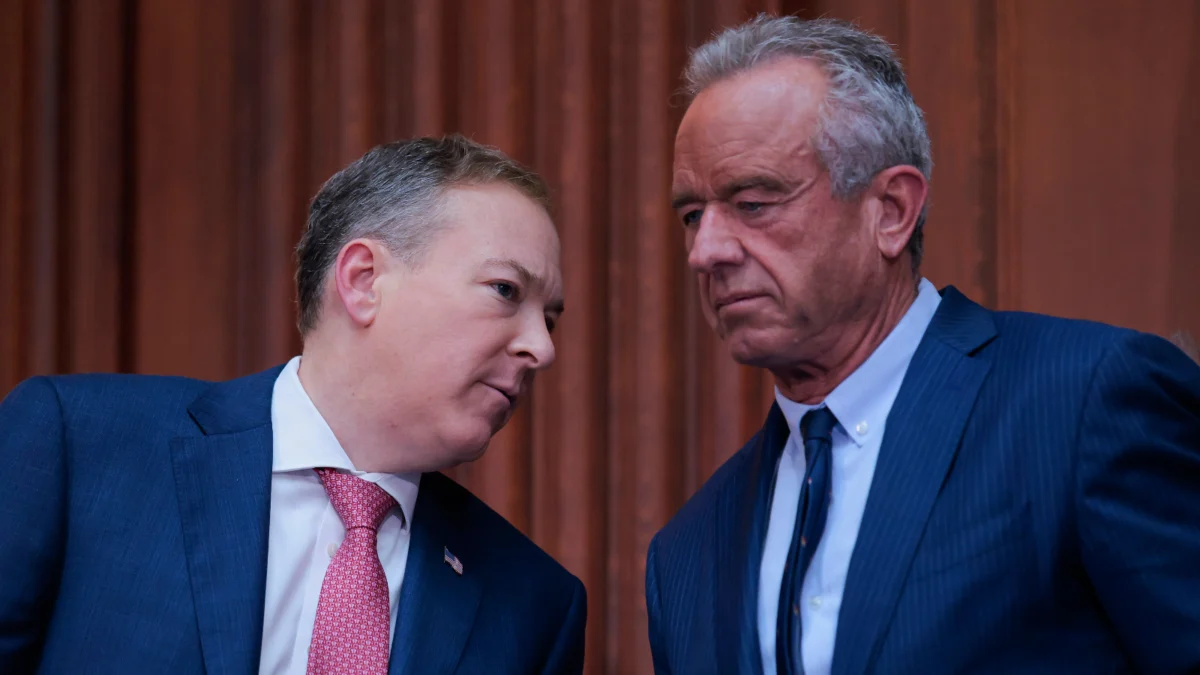
The U.S. Environmental Protection Agency (EPA) has significantly altered the course of Hawaii’s long-term environmental strategy by partially rejecting the state’s 2024 Regional Haze State Implementation Plan (SIP). This decision, announced on May 15, marks a major pivot in federal oversight of Hawaii’s air quality and energy transition, effectively stalling a decades-long effort to phase out aging oil-fired power plants. The move has sparked a fierce debate between federal regulators, state officials, utility providers, and environmental advocates over the balance between grid reliability, private property rights, and the mandate to protect the nation’s most iconic natural landscapes.
The denied plan was specifically designed to comply with the federal Clean Air Act by reducing man-made pollutants that contribute to hazy skies in two of Hawaii’s most treasured locations: Hawaii Volcanoes National Park on the Big Island and Haleakalā National Park on Maui. Both parks are designated as Class I areas, a federal classification that grants them the highest level of air quality protection under the law. However, the EPA’s intervention focuses on the state’s strategy to achieve these goals by mandating the closure of "dinosaur" power units, some of which have been in operation since the mid-20th century.
The Core of the Disagreement: Retirement of Aging Infrastructure
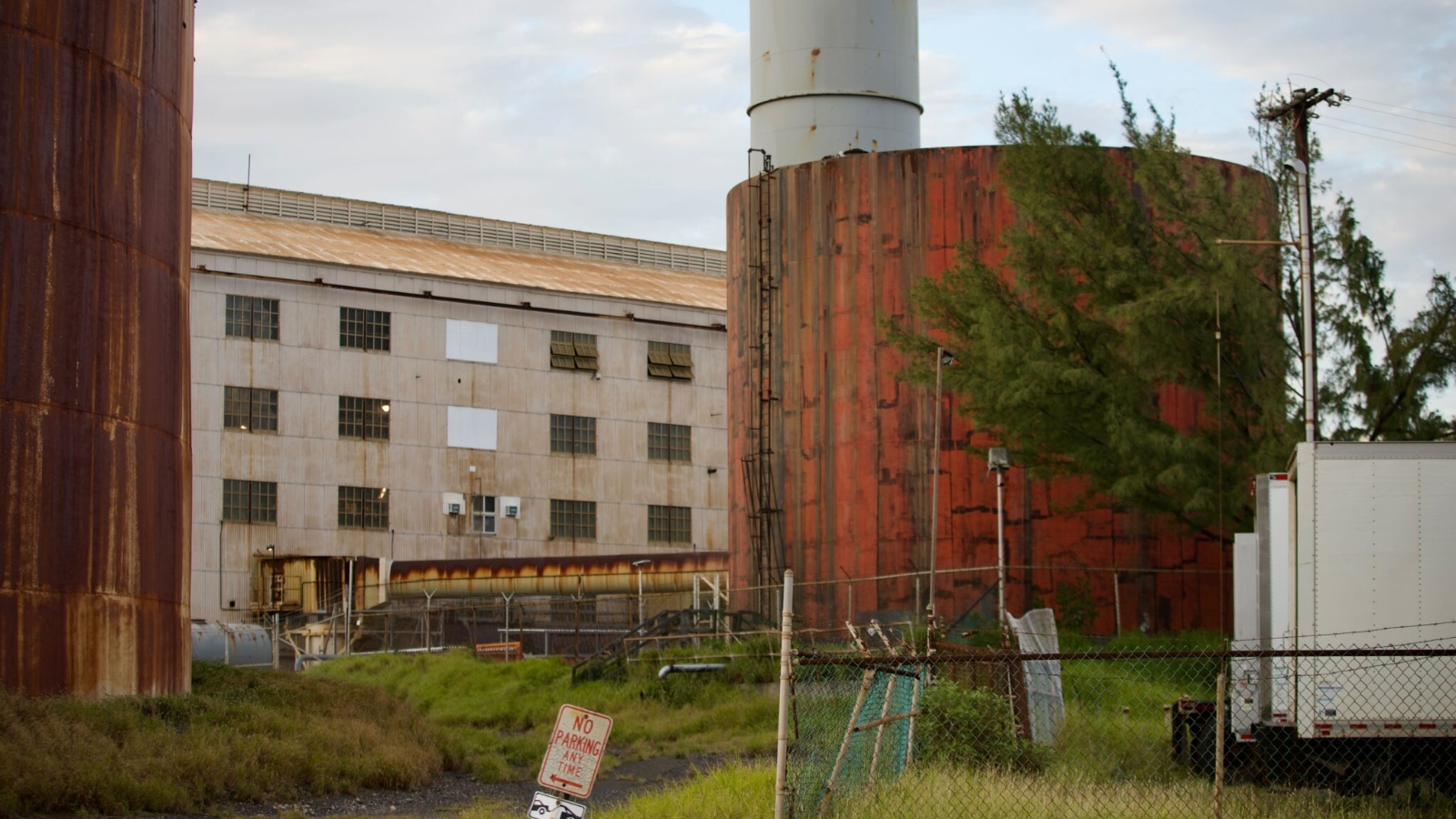
At the heart of the EPA’s partial disapproval is the state’s intention to shutter at least two major oil-fired electricity generating units operated by Hawaiian Electric Co. (HECO). These units, located at the Kanoelehua-Hill and Kahului power plants, are among the oldest in the nation. The Kahului unit, for instance, was commissioned in 1948, making it a relic of a pre-digital era. Under the 2024 SIP, these units were slated for retirement by 2028.
The EPA, under the leadership of Administrator Lee Zeldin, characterized these proposed closures as "unconsented" and "forced." In a press release accompanying the decision, the agency argued that mandating the shutdown of these privately owned facilities could violate the Takings Clause of the U.S. Constitution, which prohibits the taking of private property for public use without just compensation. Furthermore, the EPA expressed grave concerns regarding the stability of Hawaii’s energy grid, suggesting that the premature removal of these units could lead to widespread reliability issues.
This move aligns with a broader federal shift toward "energy dominance," a policy framework established by President Donald Trump’s administration. Hawaii is not the first state to feel the effects of this policy; the EPA recently rejected a similar plan in Colorado that involved the closure of a coal-fired plant. However, for Hawaii—a state with no land-linked power connections to other regions—the stakes of grid stability and energy independence are uniquely high.
A History of Hawaii’s Air Quality Efforts and the Regional Haze Rule
The Regional Haze Rule, established under Section 169A of the Clean Air Act in 1977, sets a national goal for the "remedy of any existing, and the prevention of any future, impairment of visibility in mandatory Class I Federal areas." For Hawaii, this means ensuring that the majestic vistas of its volcanic parks remain clear of anthropogenic (man-made) pollution.
The state’s 2024 SIP was the culmination of years of collaboration between the Hawaii Department of Health (DOH) and local stakeholders. Historically, Hawaii has enjoyed some of the cleanest air in the United States, but localized industrial emissions from power plants and processing facilities have remained a point of contention. The 2024 plan sought to transition the state away from heavy fuel oils toward a mix of biofuels, solar energy, and battery storage.
The timeline of the current conflict traces back to a series of agreements where HECO initially appeared to support the transition. According to Earthjustice, a nonprofit environmental law organization, HECO had previously agreed to retire three of its oldest units—Hill, Kahului, and Māʻalaea—as a more cost-effective alternative to installing expensive modern scrubbers and emission-control technologies required by the DOH.
However, the narrative shifted in August 2025 when Karin Kimura, director of HECO’s environmental division, sent a letter to the EPA’s regional administrator. In the letter, Kimura claimed the utility was being "forced" into untenable retirement deadlines. She cited significant delays in renewable energy projects caused by supply chain disruptions, permitting hurdles, and changes in federal tax incentives—factors that HECO argues make the 2028 deadline a threat to the state’s "lights-on" reliability.
Legal and Constitutional Implications: The Takings Clause
The EPA’s invocation of the Takings Clause represents a significant legal escalation in environmental regulation. By labeling the SIP’s retirement schedule as a "total regulatory taking," the EPA is suggesting that state-mandated environmental goals cannot override the economic interests and property rights of a private utility without the state providing financial restitution.
Environmental advocates, including Earthjustice managing attorney Isaac Moriwake, argue that this creates a "massive loophole" in the Clean Air Act. They contend that if any utility can claim a "taking" to avoid closing a polluting plant, the federal government’s ability to enforce air quality standards will be fundamentally undermined. Advocates also point out that the Clean Air Act already includes provisions for contingency plans if renewable energy replacements are delayed, making the EPA’s constitutional concerns appear, in their view, politically motivated.
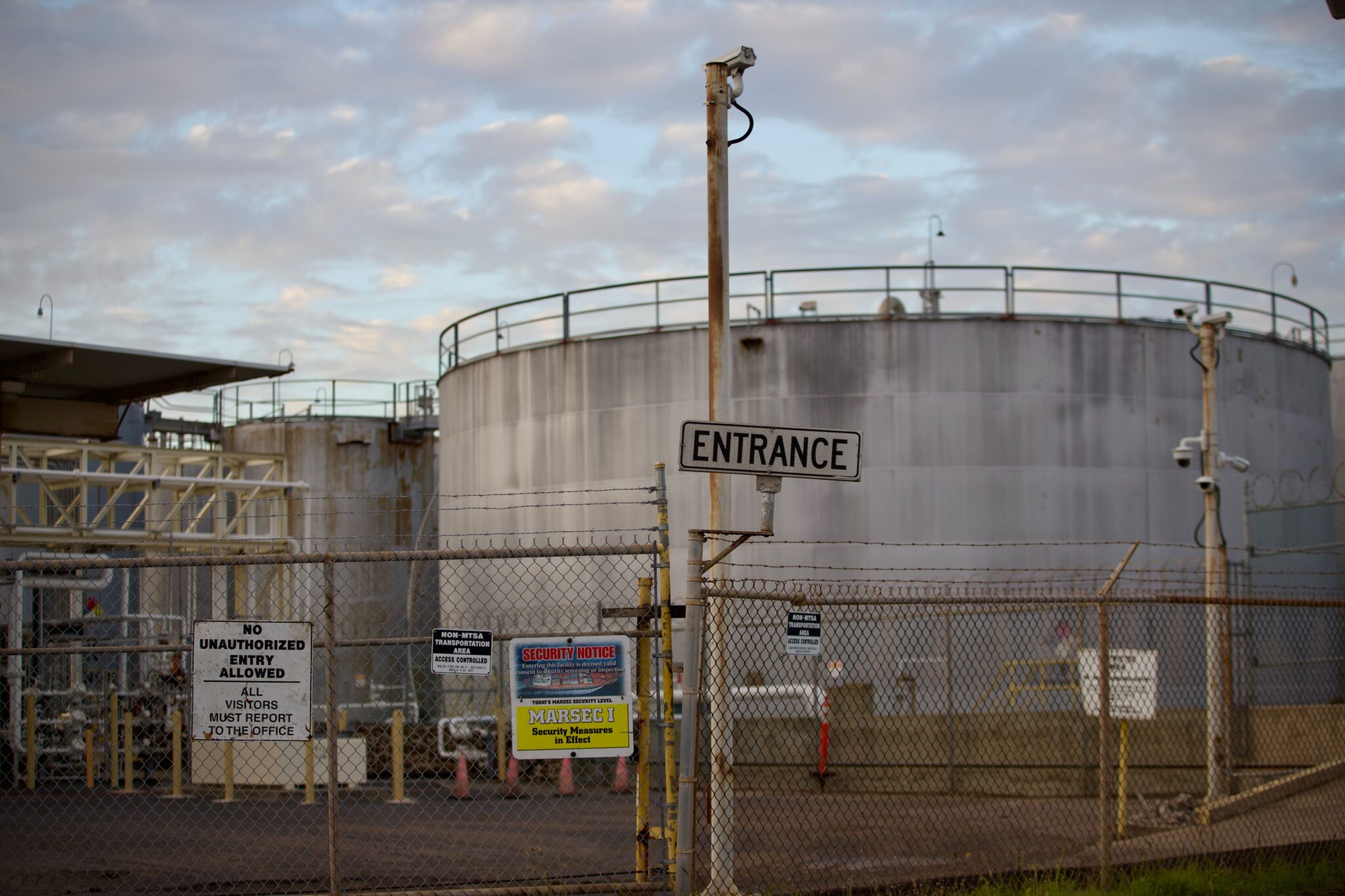
Moreover, critics of the EPA decision note a contradiction in HECO’s financial strategy. While the utility claims the closures are a "taking," it has simultaneously filed a request with the Public Utilities Commission (PUC) to increase customer rates by $45 million annually to cover the costs associated with transitioning away from these very plants.
Technical Challenges: Distinguishing Man-Made Haze from Volcanic "Vog"
A unique complicating factor in Hawaii’s air quality management is the presence of "vog"—volcanic smog. When the Kīlauea volcano is active, it releases massive quantities of sulfur dioxide (SO2) and fine particulates. These natural emissions can dwarf man-made pollution, making it difficult to quantify exactly how much of the haze in National Parks is the result of human activity.
Under previous administrations, the EPA utilized complex mathematical models to "screen out" volcanic impacts, allowing the state to focus on regulating anthropogenic sources like power plants and the Mauna Loa processing facility. However, in its February proposal to disapprove the haze rule, the current EPA asserted that no methodology is currently capable of fully isolating human-caused impairment from volcanic events.
The Hawaii Department of Health and various environmental groups have challenged this assertion, calling it "arbitrary and capricious." They argue that existing tools are sufficient to guide regulatory action and that using the complexity of volcanic emissions as a reason to deregulate man-made sources endangers public health, particularly for residents on the southern side of the Big Island who suffer from respiratory issues exacerbated by SO2 and nitrogen oxides.
Reactions from Stakeholders and the Path Forward
The fallout from the EPA’s decision has been swift. A coalition of 10 national environmental advocacy groups, including the National Parks Conservation Association and the Natural Resources Defense Council, issued a joint statement warning that the decision would result in "dirtier air and diminished health" for Hawaii’s communities.
Mike DeCaprio, HECO’s vice president of power supply, maintains that the utility’s primary obligation is to its customers. "Reliability on an island grid is a really tough issue," DeCaprio said, emphasizing that Hawaii’s isolated grids lack the "size and stability" of mainland networks. He insisted that while the company still intends to retire the plants, it needs the flexibility to keep them running as a "contingency" until replacement power is fully operational.

On the other side of the political spectrum, local leaders like Jeff Mikulina of Climate Hawaiʻi remain optimistic about the state’s long-term trajectory. He pointed to Kauaʻi as a success story, where the local cooperative recently approved solar-and-storage projects that could push the island to 90% renewable energy by 2030. Mikulina argues that the EPA’s decision is "near-term noise" and that the "long-term signal" remains clear: renewable technology and energy storage are becoming cheaper and more reliable every day.
Broader Implications for National Environmental Policy
The EPA’s partial denial of Hawaii’s haze plan is more than a local energy dispute; it is a signal of a fundamental shift in how the federal government intends to interface with state environmental departments. By prioritizing "energy dominance" and property rights over specific visibility goals in National Parks, the EPA is setting a precedent that could affect State Implementation Plans across the country.
If the "Takings Clause" argument holds, states may find it increasingly difficult to mandate the retirement of fossil fuel infrastructure, even when those facilities are decades past their intended lifespan. This could slow the national transition to green energy and complicate efforts to meet international climate commitments.
For Hawaii, the immediate future involves a period of forced renegotiation. The EPA has stated it is "committed to working with the state of Hawaii to revise the SIP," but any new plan will likely have to omit firm retirement dates for HECO’s aging units—leaving the "dinosaurs" of the power industry on life support for the foreseeable future. As the state continues to grapple with the highest electricity prices in the nation and the visible impacts of climate change, the balance between "keeping the lights on" and "clearing the skies" remains as precarious as ever.

