
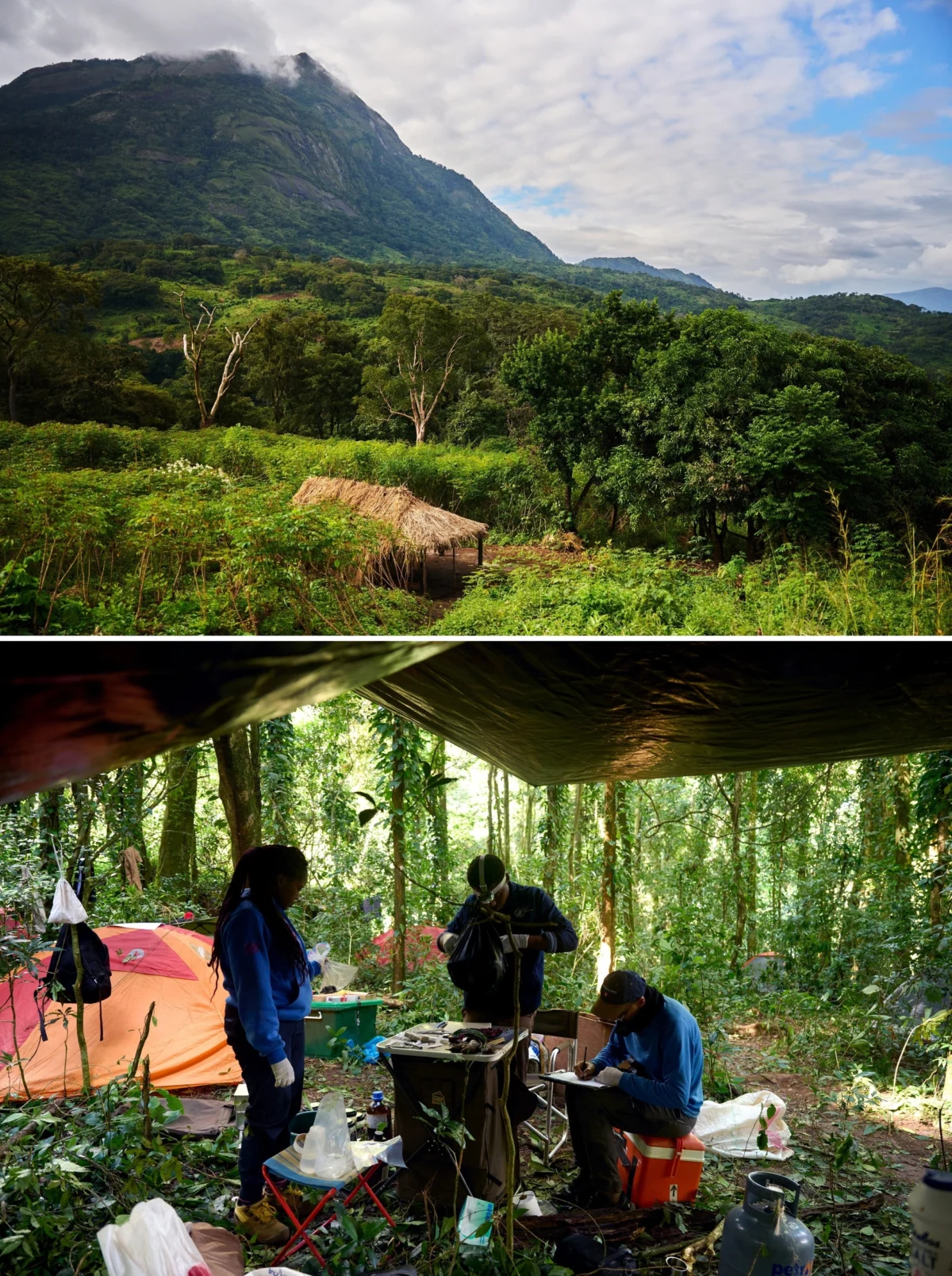
In a landmark decision for southern African conservation, the Mozambican Ministry of Agriculture, Environment and Fisheries published a decree on August 24 formally establishing the Mount Mabu Community Conservation Area. This protected zone, spanning 9,341 hectares (23,082 acres) within the Lugela district of northern Mozambique, represents a major victory for environmentalists and local communities who have spent years lobbying for the legal recognition of this critical habitat. By granting stewardship to the local population, the government has created a legal framework that prioritizes indigenous preservation methods while safeguarding one of the continent’s most significant biodiversity hotspots.
A Biological Treasure Trove
Mount Mabu is frequently cited by biologists as the largest continuous block of medium-altitude rainforest remaining in southern Africa. Its unique topography—characterized by steep ridges, deep valleys, and high-altitude peaks reaching 1,700 meters—has fostered an environment of extreme isolation. Over millions of years, these geographical barriers have allowed for the evolution of a vast array of endemic species found nowhere else on Earth.
The forest has long been a subject of intense scientific interest, particularly after researchers began to uncover the sheer scale of its hidden wildlife in the early 2000s. Since 2005, expeditions led by scientists like Julian Bayliss have cataloged more than 30 new-to-science species, including rare frogs, bats, chameleons, and insects. The region is perhaps most famous for its extraordinary butterfly diversity; scientists have recorded over 200 species to date, with estimates suggesting that total diversity could reach 250 species upon further investigation.

Among the most notable discoveries is the cobalt-blue butterfly, Iolaus mabuensis, described formally in 2026. This species is emblematic of the region’s scientific mystery, as only one specimen has been successfully collected, highlighting how much of the forest’s biological complexity remains to be mapped. Similarly, the Mount Mabu forest viper (Atheris mabuensis), first identified in 2009 after an accidental encounter during a research trek, serves as a reminder of the unique, often elusive predators that call this high-altitude rainforest home.
Chronology of Conservation
The path to legal protection for Mount Mabu has been a multi-decade endeavor, defined by a shift from initial scientific discovery to community-led advocacy.
- 2005–2008: The first major biological surveys of Mount Mabu are conducted, revealing the forest’s status as a critical biodiversity refuge.
- 2009: The Mount Mabu forest viper (Atheris mabuensis) is formally described, bringing international scientific attention to the mountain’s unique herpetology.
- 2013: Naturalist David Attenborough visits the mountain, documenting the rare "hilltopping" behavior of thousands of butterflies on the summit. His portrayal of the site as a "butterfly forest" cements its status in the public imagination.
- 2020–2024: Collaborative efforts between international scientists, NGOs like ReGeCom, and local traditional leaders intensify to draft a formal proposal for a community conservation area.
- August 24, 2026: The Ministry of Agriculture, Environment and Fisheries signs the official decree, granting the region legal protection and placing it under the care of the local community.
The Significance of Community Stewardship
The decision to entrust the management of Mount Mabu to local communities is a strategic move that aligns with modern conservation best practices. For generations, the inhabitants of the Lugela district have acted as the de facto guardians of the forest, holding the land in high regard as a sacred space. This cultural reverence has been a primary factor in preventing the large-scale deforestation seen in other parts of the region.
José Monteiro, executive director of ReGeCom, an organization that has been instrumental in bridging the gap between scientific researchers and local residents, emphasizes that the new designation is, above all, a validation of the community’s historical role. "All of this effort is a recognition of the community that protected the forest," Monteiro stated. "The community, over a long time, kept the forest standing."

Under the current legal arrangement, the land is designated for the protection and sustainable use of natural resources. While the specific regulations regarding land use are currently being drafted in a forthcoming management plan, the core objective is to integrate the traditional land-use practices of the local community with modern conservation requirements. This model aims to prevent the encroachment of small-scale agriculture and commercial logging, which represent the primary threats to the forest’s integrity.
Data-Driven Conservation and Future Outlook
The "hilltopping" phenomenon observed on the summit of Mount Mabu provides a focal point for the forest’s unique ecology. Every year, between October and November, hundreds of butterfly species congregate at the peak to mate. This behavior, while observed in other parts of the world, is exceptionally concentrated at Mabu, providing researchers with a unique opportunity to study population dynamics and climate-driven migration patterns.
From an environmental standpoint, the protection of 9,341 hectares is a significant, if finite, achievement. The surrounding landscape in northern Mozambique remains vulnerable to development pressures. However, by establishing a formal conservation area, the government has created a buffer that facilitates research and provides a template for future biodiversity projects in the country.
The implications for international science are profound. As Julian Bayliss noted during recent interviews, the forest’s high levels of endemism make it a "living laboratory." Protecting such sites is critical for global climate goals, as these high-altitude forests act as significant carbon sinks and are essential for maintaining regional water tables.

Challenges Ahead: Balancing Preservation and Development
Despite the celebration surrounding the decree, the long-term success of the Mount Mabu Community Conservation Area will depend on the finalization of the management plan. Challenges include the potential for illegal timber extraction and the need for sustainable economic alternatives for local families who may have previously relied on the forest’s resources.
The Ministry’s decree serves as a foundational step, but the transition from legal designation to operational reality requires sustained funding and institutional support. The involvement of organizations like ReGeCom suggests a robust, bottom-up approach, but the monitoring of the 9,341-hectare perimeter will require consistent collaboration between local community rangers, national authorities, and the scientific community.
The protection of Mount Mabu is a testament to the power of long-term commitment. By combining twenty years of rigorous scientific documentation with the deep-seated cultural stewardship of the local population, Mozambique has ensured that a piece of the world’s natural heritage will remain intact for future generations. As the management plan takes shape, the focus will shift toward ensuring that the "butterfly forest" remains a sanctuary, not only for its endemic wildlife but also as a model for how humanity can coexist with the most fragile corners of the natural world.
The successful legal recognition of the Mount Mabu area is not merely an end to a long campaign, but the beginning of a new chapter in African conservation, where the empowerment of local custodians remains the most effective tool for protecting the planet’s remaining wild spaces.

