
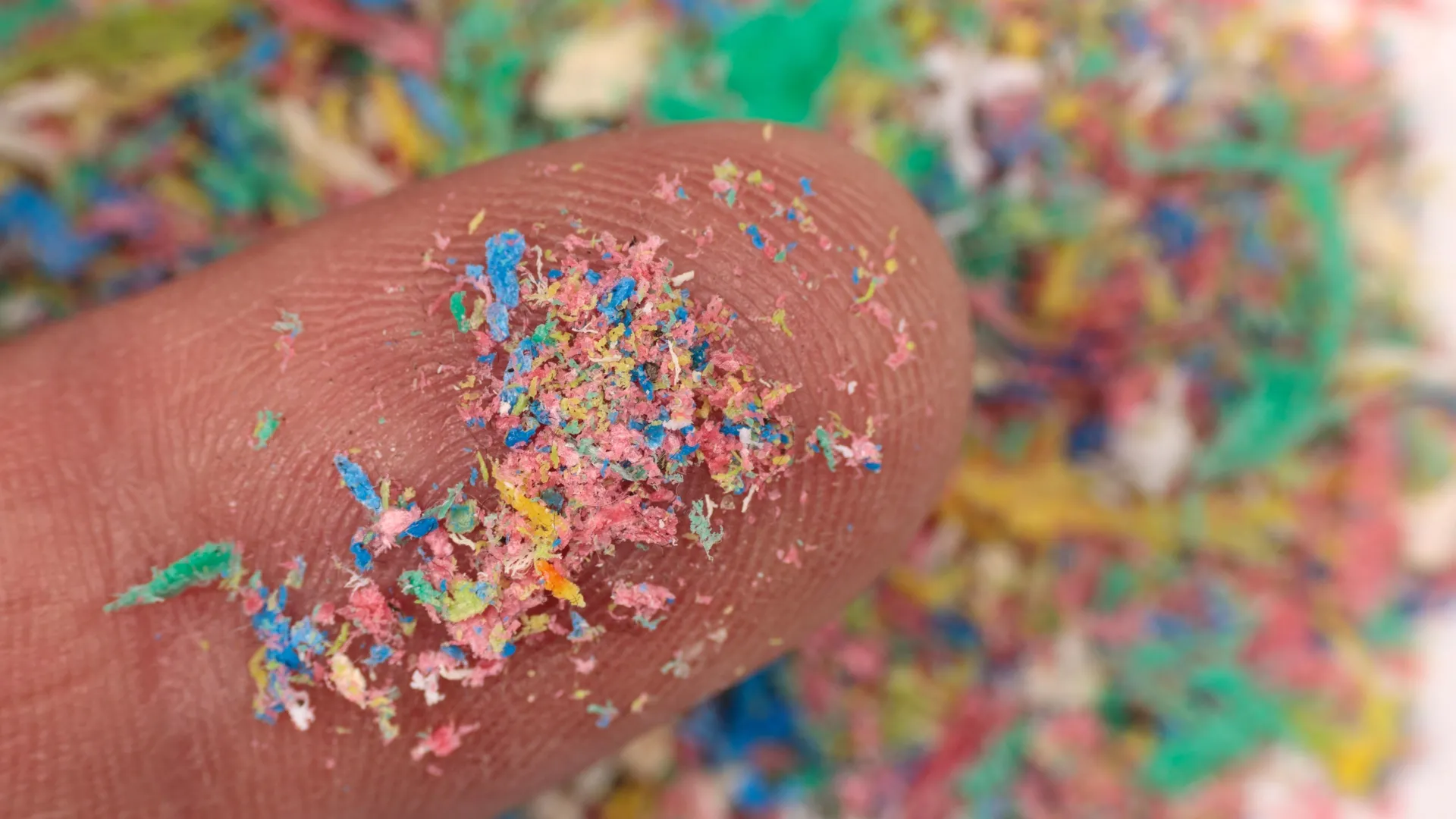
The modern era is defined by unprecedented technological advancements, industrial productivity, and convenience. Yet, this high-tech lifestyle carries an invisible, pervasive shadow: microplastics and nanoplastics. These microscopic synthetic fragments have infiltrated global ecosystems, finding their way into oceans, remote mountain soils, agricultural lands, and ultimately, the human food chain. As scientists worldwide race to understand the long-term health consequences of widespread plastic ingestion, a breakthrough from South Korea offers a glimmer of hope from an unexpected source. Researchers at the World Institute of Kimchi (WiKim), operating under the Ministry of Science and ICT, have discovered that a specific lactic acid bacterium isolated from traditional kimchi can bind to nanoplastics within the human intestine, actively promoting their excretion and mitigating bioaccumulation.
This landmark scientific discovery bridges traditional dietary culture and modern biotechnology, illuminating a potential biological countermeasure against one of the most stubborn environmental pollutants of the twenty-first century.
The Mounting Crisis of Nanoplastic Pollution
To understand the significance of the WiKim research, one must first comprehend the sheer scale of the nanoplastic threat. While microplastics—particles measuring between 1 micrometer and 5 millimeters—have dominated public concern over the last decade, nanoplastics represent an even more insidious danger. Defined as ultrafine particles measuring less than 1 micrometer (one-thousandth of a millimeter), nanoplastics are generated through the physical, chemical, and biological degradation of larger plastic debris, such as packaging, synthetic textiles, and discarded industrial goods.
Because of their extraordinarily small dimensions, nanoplastics possess physicochemical properties that macro- and micro-sized plastics lack. They can easily bypass conventional water filtration systems, permeate agricultural soils, and be absorbed by crops. For humans, exposure occurs primarily through the daily consumption of contaminated food and drinking water, as well as the inhalation of indoor air laden with synthetic dust.
Once inside the human body, nanoplastics do not simply pass harmlessly through the digestive tract. Due to their high surface-area-to-volume ratio and hydrophobic nature, these particles can cross the intestinal epithelial barrier. From the gut, they enter the circulatory and lymphatic systems, eventually translocating to vital organs such as the liver, kidneys, lungs, and even the brain. Laboratory studies have indicated that accumulated nanoplastics can induce oxidative stress, trigger inflammatory responses, disrupt cellular functions, and potentially interfere with endocrine signaling. Despite the growing urgency surrounding these health risks, effective, non-invasive biological strategies to mitigate nanoplastic retention in the gastrointestinal tract have remained largely unexplored—until now.
The Research Breakthrough: Strain CBA3656
Recognizing the urgent need for intervention strategies, a dedicated research team led by Drs. Se Hee Lee and Tae Woong Whon at the World Institute of Kimchi embarked on an investigation to harness the natural properties of beneficial microorganisms. Their target was Leuconostoc mesenteroides CBA3656, a specialized lactic acid bacterium naturally occurring in kimchi, a staple Korean fermented vegetable dish rich in microbial diversity.
The researchers sought to evaluate the adsorption capacity of strain CBA3656 when exposed to polystyrene nanoplastics (PS-NPs), a common type of synthetic polymer widely used in single-use plastics and packaging materials. In initial baseline evaluations conducted under standard laboratory conditions, the results were highly promising. Strain CBA3656 demonstrated a remarkable adsorption efficiency of 87%. This performance was comparable to—and slightly exceeded—that of the established reference probiotic strain Latilactobacillus sakei CBA3608, which recorded an adsorption efficiency of 85%.
However, laboratory efficacy under pristine conditions does not always translate to success within the complex, hostile environment of the human digestive system. The human gastrointestinal tract presents extreme physiological barriers, including fluctuating pH levels, digestive enzymes, and bile salts that can destabilize bacterial cell walls and compromise their binding capabilities.
To test the resilience of the kimchi-derived bacterium, the research team subjected both strains to simulated human intestinal conditions. The comparative results revealed a dramatic divergence in performance. While the reference strain, Latilactobacillus sakei CBA3608, experienced a precipitous drop in adsorption efficiency, falling sharply to just 3%, strain CBA3656 proved exceptionally robust. The kimchi-derived bacterium maintained a substantially higher adsorption level of 57% under the same simulated physiological stresses. This critical finding demonstrated that Leuconostoc mesenteroides CBA3656 possesses unique structural or biochemical surface properties enabling it to stably bind nanoplastic particles even amid the harsh chemical environments of the human gut.
In Vivo Validation: Germ-Free Mouse Model Experiments
Buoyed by successful in vitro simulations, the WiKim research team advanced to in vivo testing to observe how the bacterium behaves within a living organism. Utilizing a germ-free mouse model, the scientists conducted controlled administration trials to track the movement and excretion of polystyrene nanoplastics in both male and female subjects.
The experimental design divided the test subjects into control groups—which received no probiotic supplementation alongside their nanoplastic exposure—and treatment groups administered with strain CBA3656. The quantitative analysis of the subjects’ fecal matter yielded striking results.
Compared to the control cohorts, the mice that received strain CBA3656 exhibited more than a twofold increase in the concentration of nanoplastics detected in their feces. This significant escalation in eliminated synthetic particles provided empirical proof that the probiotic bacterium acts as an active binding agent. By adhering to the nanoplastics in the intestinal lumen, the bacteria prevent the particles from being reabsorbed through the gut wall, instead escorting them naturally out of the body through the digestive tract.
This animal-model validation transitions the research from theoretical biochemistry to practical, translational science, laying the groundwork for future clinical applications in humans.
Implications for Public Health and Food Science
The publication of this study marks a paradigm shift in how scientists view the functional capabilities of traditional fermented foods. For generations, kimchi has been celebrated for its nutritional profile, rich vitamin content, and the presence of health-promoting lactic acid bacteria that support gut microbiota balance, immune function, and metabolic health. This new research expands the portfolio of benefits associated with kimchi microbes, demonstrating that they can actively interact with and neutralize modern environmental micropollutants.
Dr. Sehee Lee, the lead researcher of the study, emphasized the broader societal context of the team’s work during a press briefing following the announcement.
"Plastic pollution is increasingly recognized not only as an environmental crisis affecting oceans and wildlife, but also as a direct public health concern for every individual," Dr. Lee stated. "Our findings suggest that microorganisms derived from traditional fermented foods could represent an entirely new biological approach to address this emerging challenge. We are committed to continuing our work to expand the scientific value of kimchi microbial resources, ensuring they contribute meaningfully to both public health and environmental remediation solutions."
The implications of this study stretch across multiple industries. In the field of functional foods, nutraceutical manufacturers now have a scientifically validated candidate for inclusion in specialized probiotic formulations designed for individuals living in heavily urbanized or industrialized areas with high exposure to microplastics. Furthermore, the findings may influence dietary guidelines and preventative health measures, offering consumers a natural, dietary-based method to support their bodies’ detoxification pathways.
The Broader Context of Microplastic Remediation
While the discovery by the World Institute of Kimchi offers a promising internal countermeasure, experts stress that it must be viewed as part of a multi-layered approach to the global plastic crisis. Environmental scientists categorize micro- and nanoplastic mitigation into three distinct tiers: source reduction, environmental cleanup, and internal human health protection.
At the legislative and industrial levels, global treaties are being negotiated to curb primary plastic production and improve recycling infrastructure. Simultaneously, environmental engineers are developing advanced water treatment technologies, including membrane bioreactors and nanomaterial-based filters, to capture microplastics in municipal water plants before they reach household taps.
The WiKim research fills a crucial gap in the third tier: protecting human physiology from the plastic particles that inevitably bypass external defenses. By utilizing probiotics that are already recognized as safe for human consumption (Generally Recognized as Safe, or GRAS), the hurdle of clinical translation is significantly lower than that of synthetic pharmaceutical chelating agents.
Future Directions and Research Roadmap
Following the successful completion of the animal trials, the research team at the World Institute of Kimchi is charting an ambitious course for the next phases of development. The upcoming research agenda includes several key milestones:
- Mechanistic Characterization: Further molecular analyses to identify the exact surface proteins, polysaccharides, or functional groups on the cell wall of strain CBA3656 responsible for the high-affinity binding of polystyrene and other common plastic polymers, such as polyethylene and polypropylene.
- Expanded Polymer Testing: Testing the adsorption efficiency of the bacterium against a wider spectrum of plastic types and varying particle sizes to determine its versatility as a universal binder.
- Human Clinical Trials: Designing and executing double-blind, placebo-controlled human trials to verify safety, optimal dosage, and efficacy in reducing systemic nanoplastic burdens in human volunteers.
- Commercial Formulation: Collaborating with biotechnology and food-processing partners to develop stable commercial probiotic supplements, functional beverages, or fortified food products containing live cultures of strain CBA3656.
As the scientific community continues to grapple with the omnipresence of synthetic polymers in the biosphere, the work being conducted at institutes like WiKim demonstrates the enduring value of traditional wisdom filtered through rigorous modern science. By looking to the time-tested microorganisms of fermented foods, researchers have opened a promising new frontier in the ongoing battle to protect human health from the invisible legacy of the plastic age.

