
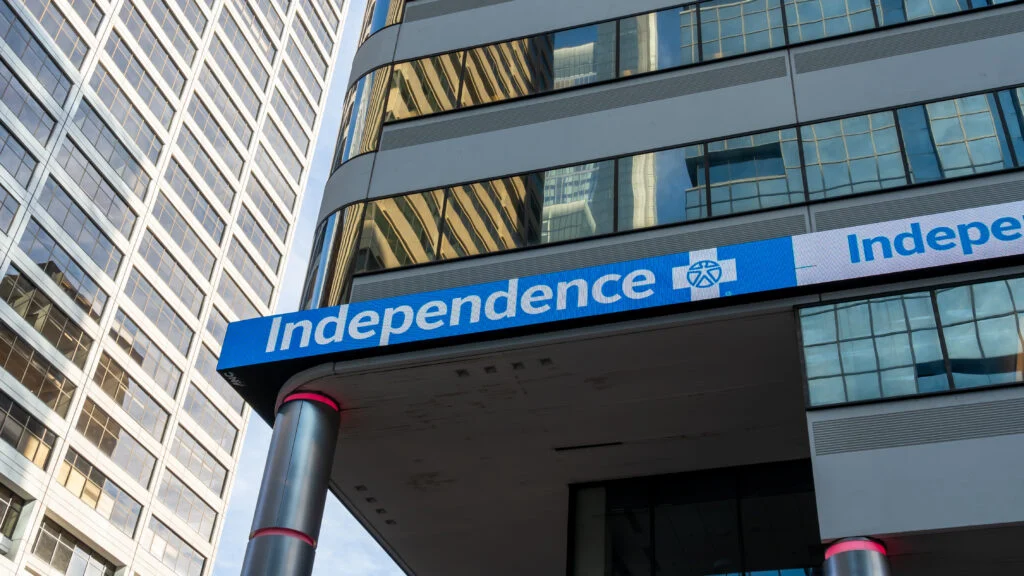
The escalating tension between massive hospital systems and national health insurance providers has reached a new boiling point as several Texas-based facilities owned by HCA Healthcare, the nation’s largest for-profit hospital operator, have filed a lawsuit against Independence Blue Cross (IBX). The litigation, centered on more than $345,000 in allegedly unpaid medical claims, serves as a high-stakes microcosm of the broader, systemic friction surrounding prior authorization, medical necessity determinations, and the escalating costs of hospital care.
The lawsuit, filed in federal court, alleges that the Philadelphia-based insurer failed to remit payment for services rendered approximately four years ago. While the total dollar amount may seem marginal relative to the multi-billion-dollar revenue streams of both entities, the legal challenge is being closely watched by industry analysts as a bellwether for how administrative disputes are increasingly migrating from internal appeals boards to the courtroom.
The Anatomy of the Dispute
At the heart of the conflict lies the mechanism of prior authorization. Originally conceived as a utilization management tool to prevent wasteful spending and ensure that expensive procedures are clinically indicated, prior authorization has evolved into a significant friction point between providers and payers. HCA Healthcare asserts that the care provided to patients covered by Independence Blue Cross was medically necessary, fully documented, and rendered in good faith. Conversely, insurers frequently argue that such services either lacked the necessary pre-approval paperwork or did not meet the rigid clinical criteria required for reimbursement.
This specific case traces its roots back to 2022, a period marked by significant turbulence in the health care labor market and shifts in post-pandemic reimbursement protocols. The delay in seeking legal remedy—a four-year lag—underscores the lengthy, often exhausting nature of the medical billing and collections cycle. For many health systems, the administrative burden of chasing "denied" or "underpaid" claims often outweighs the cost of the care itself, but this legal action suggests that HCA is shifting toward a more aggressive litigation posture to reclaim revenue.
A Chronology of Prior Authorization Tension
The friction between HCA and Independence Blue Cross is not an isolated incident but rather a symptom of a decade-long degradation in the provider-payer relationship.

- 2020-2021: During the height of the COVID-19 pandemic, many insurers temporarily suspended prior authorization requirements to facilitate rapid patient care. This led to a temporary period of reduced administrative friction.
- 2022: As public health emergencies began to subside, insurers reinstated and in many cases expanded their utilization management programs. This return to strict oversight triggered the specific billing disputes now surfacing in this lawsuit.
- 2023-2024: National scrutiny of insurance practices intensified. The American Medical Association (AMA) and other professional bodies increased lobbying efforts, citing that excessive prior authorization leads to physician burnout and delayed patient care.
- 2025: Following a series of federal and state investigations, several major insurance carriers pledged to "streamline" their authorization processes. Despite these pledges, data suggests that the volume of denied claims has remained stubbornly high.
- 2026: The HCA-Independence Blue Cross litigation highlights that voluntary industry pledges have yet to resolve the fundamental disagreements regarding "medical necessity" standards.
The Economics of Denied Care
To understand the significance of this $345,000 claim, one must examine the broader financial landscape of the U.S. health care system. According to the American Hospital Association (AHA), hospitals lose millions of dollars annually due to "administrative waste," a significant portion of which is attributed to denied claims.
While insurers argue that prior authorization is essential to managing the $4.5 trillion U.S. health care spend, hospitals contend that these requirements are often used as a blunt instrument to delay payment or force providers to accept lower reimbursement rates. The average cost to process a single prior authorization request—factoring in nursing time, physician oversight, and administrative staff—is estimated by the Medical Group Management Association to be upwards of $20 per request. When scaled across a health system the size of HCA, these costs run into the hundreds of millions annually.
Perspectives from the Field
Industry stakeholders are divided on the implications of this case. Hospital advocates view this lawsuit as a necessary pushback against what they describe as "administrative overreach."
"When insurance companies use prior authorization as a delay tactic, they are effectively practicing medicine from a desk without seeing the patient," noted a health policy analyst familiar with hospital-payer negotiations. "Hospitals have reached a breaking point where the cost of writing off these claims is no longer sustainable, especially in an era of thin operating margins."
On the other side, representatives for the insurance industry maintain that clinical guidelines are based on peer-reviewed evidence and are designed to protect patients from unnecessary or potentially harmful procedures. An industry spokesperson for a national insurance trade group, speaking on the condition of anonymity, stated: "Our role is to be a steward of premium dollars. Ensuring that care is appropriate, cost-effective, and evidence-based is our primary duty to our members. Disagreements over clinical criteria are a standard part of the contract and should be resolved through established appeal mechanisms, not necessarily through litigation."
Broader Implications for Health Care Policy
The outcome of this case could have significant ripple effects. If HCA prevails, it may embolden other large health systems to pursue similar litigation, potentially flooding the court system with billing disputes that were previously handled through private arbitration. Conversely, if the court rules in favor of Independence Blue Cross, it would reinforce the legal authority of insurers to enforce their internal clinical standards, even when those standards conflict with the clinical judgment of attending physicians at major hospital chains.

Furthermore, the case puts pressure on regulators. The Biden administration and various state legislatures have been debating the "Prior Authorization Reform Act," which seeks to shorten the turnaround time for insurers to approve or deny requests. This lawsuit provides tangible evidence of the "real-world" consequences of the current regulatory environment.
A System at a Crossroads
As the U.S. health care system continues to grapple with the rising costs of technology, labor, and pharmaceuticals, the friction between those who provide the care and those who pay for it is likely to intensify. The $345,000 at stake in this Texas lawsuit represents more than just a balance sheet discrepancy; it is a symbol of the deep-seated mistrust that currently defines the relationship between the nation’s largest hospital operators and its major insurance carriers.
Moving forward, the focus will likely shift toward transparency. Policymakers are increasingly calling for insurers to release more granular data regarding their denial rates for specific services. If this litigation results in a discovery process that forces Independence Blue Cross to disclose its internal algorithms for determining medical necessity, the industry may be forced into a new era of transparency that could fundamentally alter the power dynamic between the two sectors.
For now, the legal proceedings remain in their early stages. Both HCA and Independence Blue Cross have signaled a readiness to defend their positions, and the case serves as a stark reminder that as long as the definition of "medically necessary" remains subjective, the courtroom will remain a battleground for the future of American health care financing. The resolution of this matter will not only determine who covers the cost of these specific claims but will also set a precedent for the thousands of similar disputes occurring silently behind the scenes in offices across the country every day.

