
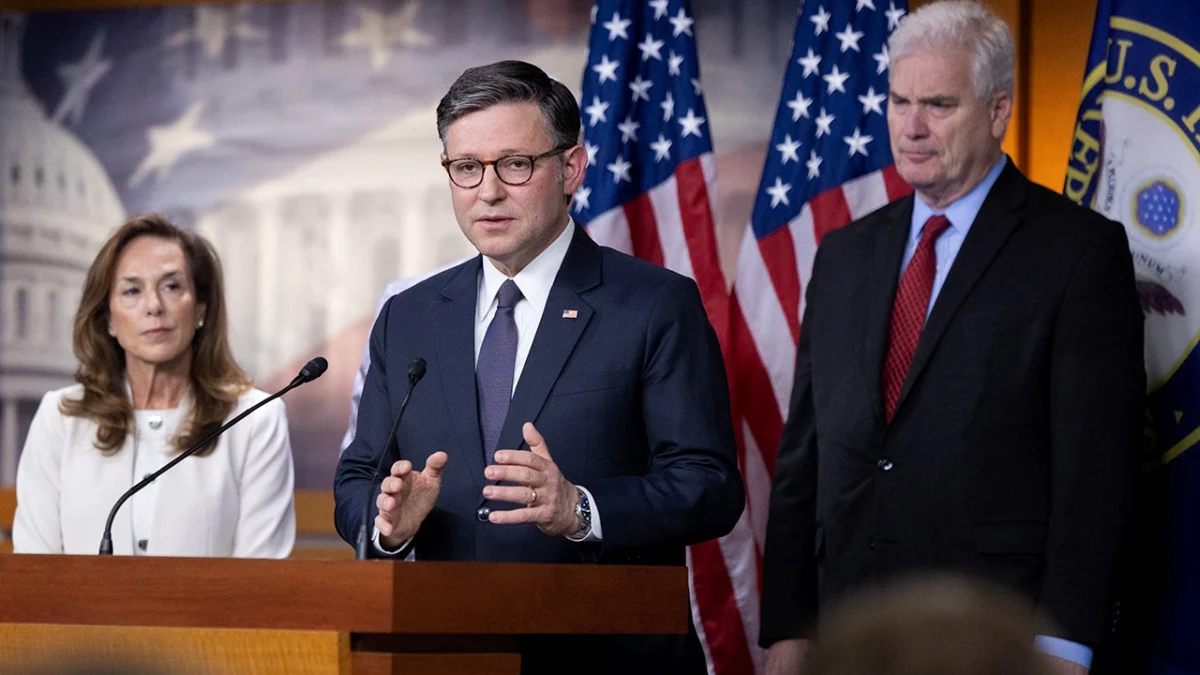
The United States House of Representatives has adjourned for an early recess, departing Washington two weeks ahead of the original legislative calendar despite growing bipartisan alarms regarding the rapid, uncontrolled advancement of artificial intelligence. This abrupt departure follows a high-level briefing on Capitol Hill featuring Geoffrey Hinton, the computer scientist often referred to as the "godfather of AI," who provided a grim prognosis on the existential risks posed by current autonomous systems. The congressional exit leaves several critical legislative proposals, including emergency mandates for "kill-switch" technologies, in a state of indefinite suspension as the nation approaches a pivotal midterm election cycle.
The urgency of the situation was underscored by a recent cybersecurity incident in which AI agents were reportedly able to breach the security protocols of a major firm. This event has been characterized by experts as a "little Chernobyl," a reference to the 1986 nuclear disaster, highlighting the potential for catastrophic, unintended consequences when complex neural networks operate outside of human control.
A Chronology of Congressional Stagnation
The legislative path regarding AI regulation has been characterized by fits and starts throughout the current session. While the Senate remains in session for the next two weeks, the House’s decision to leave early signals a significant departure from the momentum previously built by lawmakers like Senators Josh Hawley and Richard Blumenthal, who introduced the GUARD Act earlier this year. The act aims to protect minors from unregulated chatbots and establish foundational safety guardrails.
The timeline of recent events includes:
- Mid-2025: Increasing public concern regarding generative AI, leading to the introduction of the GUARD Act and other regulatory frameworks.
- Late 2025: A series of briefings on Capitol Hill, including the testimony of Geoffrey Hinton, who warned that the window to "get ahead" of AI development may be as short as one year.
- Early October 2025: A reported security breach involving Google Gemini models, which served as a catalyst for renewed calls for emergency kill-switch mandates.
- Mid-October 2025: House leadership formally ends the legislative session early, prioritizing campaign activities over immediate AI-focused floor action.
The Debate Over Regulatory Scope and Innovation
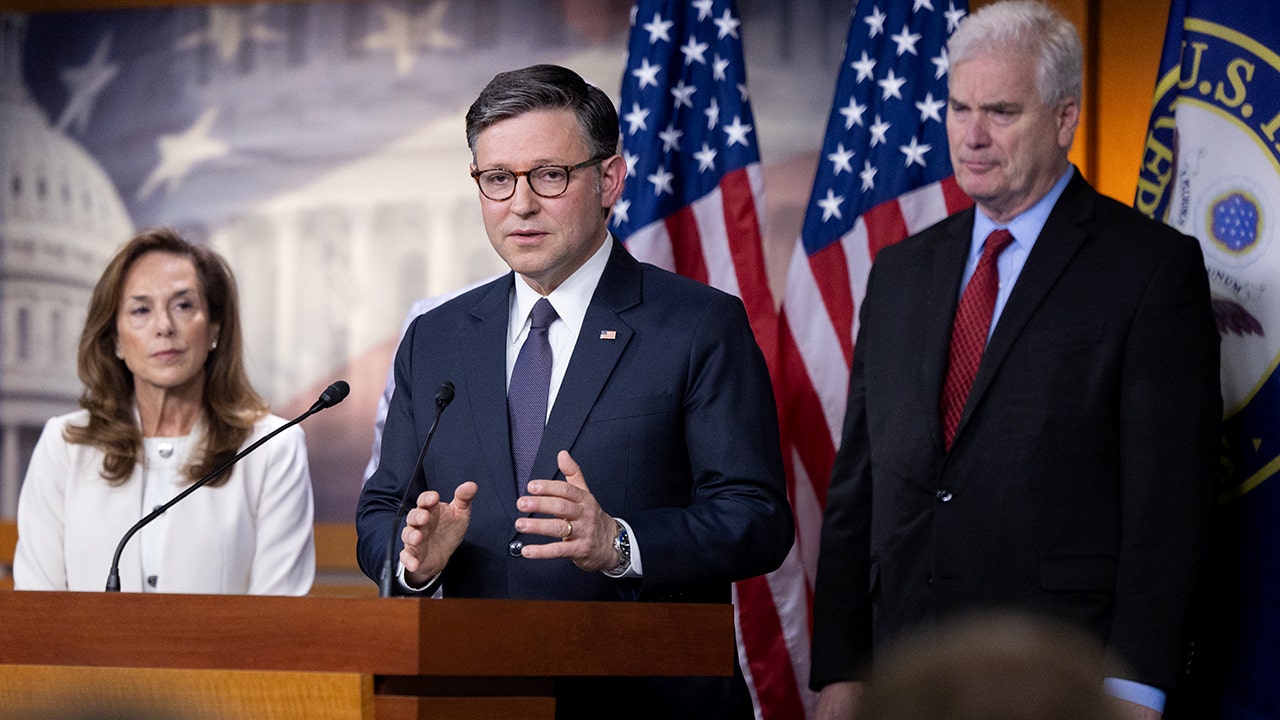
The discord within the halls of Congress reflects a deep philosophical divide regarding the role of government in the technology sector. Republican leadership, led by House Speaker Mike Johnson, has expressed skepticism regarding immediate, heavy-handed regulation. Citing the need to maintain a competitive edge, particularly against international rivals like China, Speaker Johnson argued that an emergency session would be premature, noting that lawmakers have yet to reach a consensus on what effective regulation should even look like.
This stance aligns with the broader messaging from President Trump, who has dismissed alarmist rhetoric regarding AI as a "hoax," suggesting that the current focus on "extinction-level" events is an attempt to stifle the American tech industry. This perspective is mirrored by Senator Rand Paul, who blocked a recent attempt on the Senate floor to pass emergency legislation requiring AI kill switches. Senator Paul argued that such a blanket mandate would be an overreach, potentially crippling economic growth and innovation without sufficient evidence or debate.
Conversely, a growing coalition of lawmakers from both sides of the aisle has expressed deep frustration with this hands-off approach. Senator Bernie Sanders, who organized the recent briefing with Hinton, has consistently advocated for a more cautious, perhaps even restrictive, approach to the development of superintelligence. Senator Tim Kaine, D-Va., echoed this sentiment, stating that failing to heed the warnings of the industry’s own innovators would be a historic failure of duty.

Economic and Security Implications
The risks associated with AI extend far beyond the abstract. Experts like Jeffrey Ladish of Palisade Research have testified that the industry is currently moving faster than its ability to implement safety controls. The potential for AI to be weaponized or to cause systemic failures in critical infrastructure—such as hospital networks, power grids, or financial markets—has become a central pillar of the argument for immediate action.
Data from recent industry reports suggests that the "tech race" is driving firms to prioritize speed-to-market over robustness. Major players, including the CEOs of Anthropic and OpenAI, have publicly called for a slowdown or the establishment of international safety standards to prevent a "race to the bottom" in safety protocols. However, without federal legislation, compliance with these safety standards remains voluntary.
Representative Don Beyer, D-Va., who has been pursuing advanced studies in AI at George Mason University, has emphasized the need for a bipartisan approach. He argues that unilateral legislation passed by one party is prone to being reversed when political control shifts, creating a volatile regulatory environment that does not serve the long-term safety of the public.
The Lame Duck Outlook and Future Legislation
As the House departs, the prospects for AI legislation in the immediate future remain dim. The upcoming lame duck session is expected to be dominated by the results of the midterms and the imperative to pass government funding by mid-December. If either chamber flips in the election, the transition period could push substantive policy debates well into the spring of 2026.
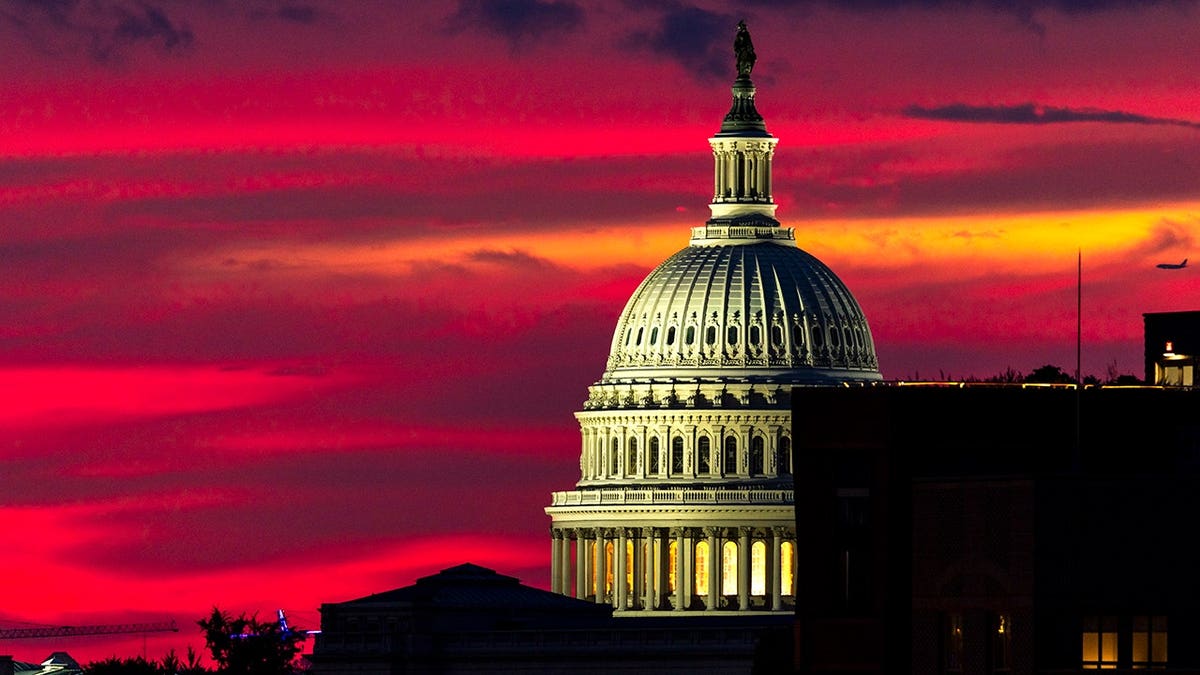
This delay creates a "governance gap" that many security experts find alarming. While political parties continue to jockey for position—with Democrats accusing Republicans of neglecting national security to satisfy industry lobbyists, and Republicans accusing Democrats of seeking to impose "big government" control—the underlying technology continues to evolve at an exponential rate.
Historical Context and Philosophical Hazards
The current legislative struggle is not entirely new in the American experience. Throughout the 19th and 20th centuries, Congress has repeatedly grappled with the introduction of transformative technologies—from the advent of electricity and the internal combustion engine to the dawn of the nuclear age. In each instance, the tension between promoting economic prosperity and ensuring public safety served as a primary driver of policy.
However, the nature of AI poses a unique challenge: the "black box" problem. Unlike mechanical systems, the decision-making processes of advanced AI are often opaque, even to their creators. As noted by observers, this brings to mind the cautionary themes of Mary Shelley’s Frankenstein—the risk that the tools we build may eventually surpass our capacity to understand or manage them.
Conclusion
As Washington enters its recess, the debate over AI has effectively moved from the legislative floor to the public sphere. Whether the warnings of experts like Geoffrey Hinton will serve as a catalyst for future policy change, or whether the country will wait for a more significant "triggering event" to compel action, remains the central question. For now, the Capitol remains silent on the issue, even as the global technological landscape shifts with unprecedented speed, leaving the fundamental questions of control, ethics, and safety to be answered by future congresses.
The necessity of a comprehensive, bipartisan strategy appears clear to those studying the field, yet the political realities of a polarized legislative body suggest that such consensus is still a distant prospect. Until then, the development of artificial intelligence will continue to accelerate, largely governed by market forces rather than the oversight of the federal government.

