
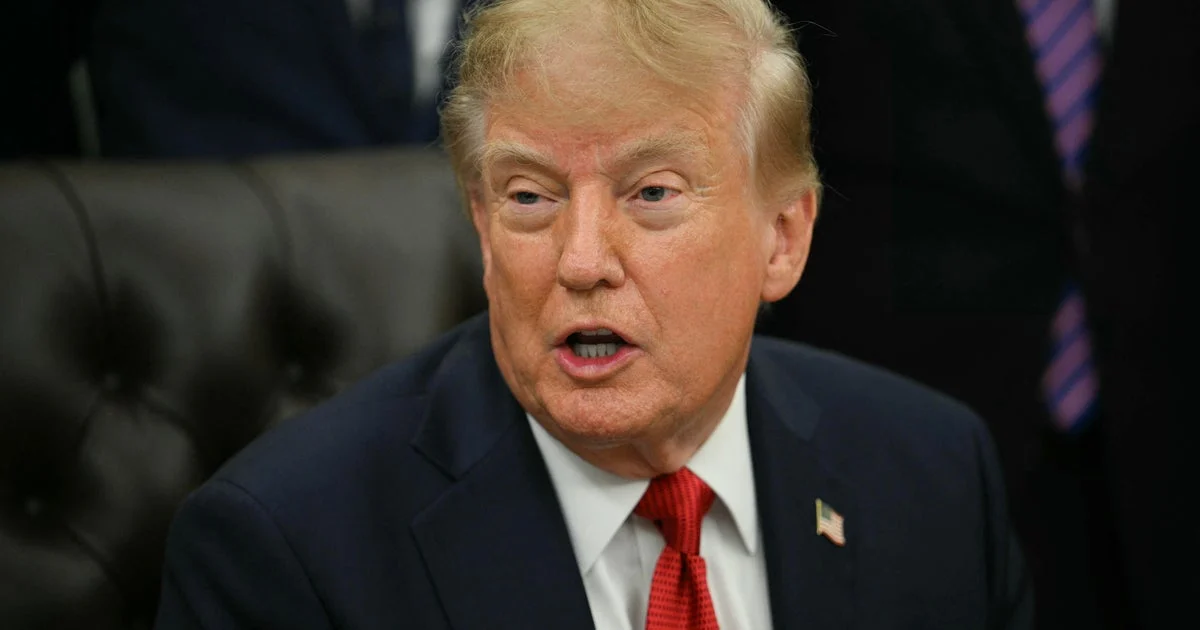
High-stakes diplomacy and intense geopolitical maneuvering dominated the sidelines of the United Nations General Assembly in New York, as international leaders grappled with the nearly seven-month-old war involving the United States, Iran, and various regional proxies. President Donald Trump held crucial meetings with the Gulf Cooperation Council (GCC)—including leaders and representatives from Saudi Arabia, Qatar, Jordan, and Turkey—to discuss the escalating security crisis and pathways toward a prospective peace deal.
The diplomatic flurry unfolded against a backdrop of intensifying hostilities, tightening economic sanctions, shifting oil markets, and critical humanitarian challenges across the Middle East. While world leaders, including U.N. Secretary-General António Guterres, pleaded for a return to multilateralism and interdependence, superpowers continued to project unilateral strength. President Trump asserted that American power remains unmatched, even as his administration weighs whether to pursue a comprehensive diplomatic settlement or escalate military actions that could profoundly reshape the region.
High-Level Diplomacy and Direct Talks at the U.N.
President Trump revealed that U.S. and Iranian officials held a direct, three-hour meeting in New York, describing the discussions as "very good" and noting that another session is scheduled for the near future. The U.S. delegation included presidential son-in-law and advisor Jared Kushner alongside special envoy Steve Witkoff. The unexpected diplomatic engagement followed intense rhetoric from Washington, with President Trump stating during his address to the U.N. General Assembly that he faces a monumental decision: whether to negotiate a deal that allows Iran to rebuild economically or to "annihilate" the Islamic Republic if a nuclear and regional threat persists.
Despite the back-channel talks, official positions remain deeply polarized. Iranian President Masoud Pezeshkian, attending the summit as the highest-ranking Iranian official to visit American soil since the outbreak of hostilities in late February, vowed to firmly defend Tehran’s positions. However, tensions were compounded after Iranian state media reported that the United States refused visas for members of Pezeshkian’s communications team. Iranian Foreign Minister Abbas Araghchi delivered a sharp critique of international institutions, declaring that Tehran has "no trust" in the United Nations in its current form and accusing European nations of capitulating to American pressure.
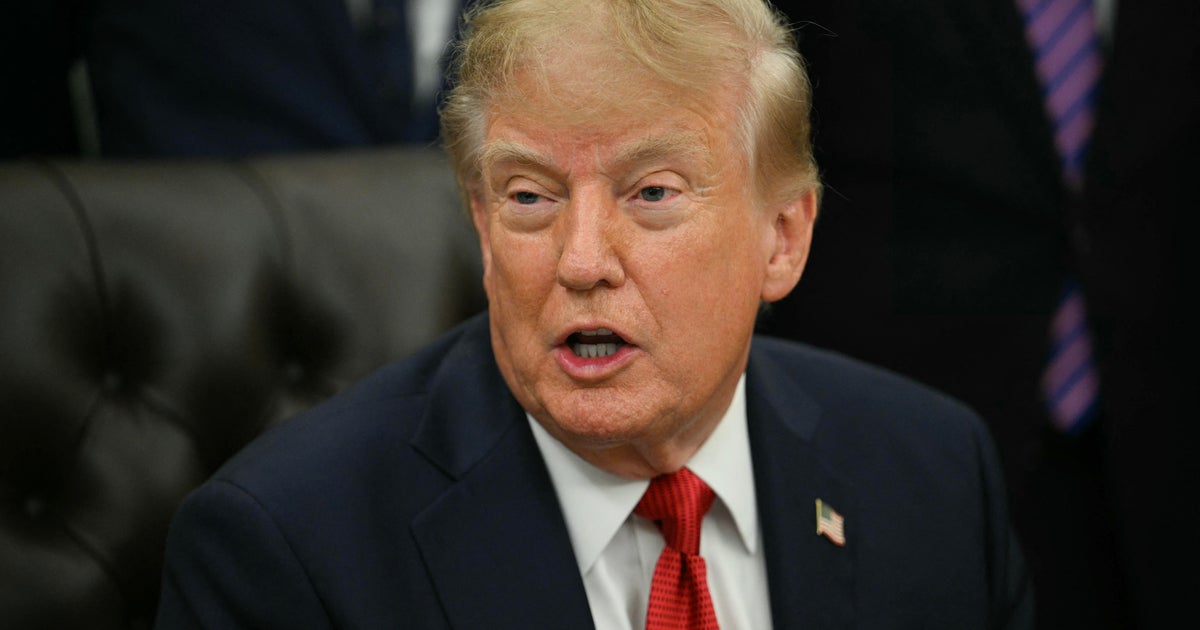
Concurrently, European Union High Representative for Foreign Affairs and Security Policy Kaja Kallas met with Araghchi to press for the unconditional reopening of the strategic Strait of Hormuz and the Bab el-Mandeb Strait, while raising deep alarms regarding a sharp rise in executions and human rights violations inside Iran.
The Economic Squeeze: Aviation Sanctions and Market Volatility
Economic pressures on Tehran escalated significantly as expanded U.S. Treasury sanctions targeting Iran’s aviation sector prepared to take effect. U.S. Treasury Secretary Scott Bessent warned that all Iranian airlines would face global shutdowns, cautioning international entities against providing fuel, landing services, or ticket sales under threat of exclusion from the U.S. dollar financial system.
In response to the impending measures, regional disruptions rippled across civil aviation networks. Flights from Iran to Baghdad and Muscat faced immediate cancellations as aviation authorities scrambled to reroute traffic. While domestic state media in Iran initially claimed no formal regional bans had been received, governments in Iraq and neighboring states confirmed their intent to comply with the U.S. directives. China’s Foreign Ministry publicly condemned the measures, labeling the unilateral U.S. sanctions as illegal under international law ahead of a scheduled summit between President Trump and Chinese President Xi Jinping in Washington.
Global financial markets reacted dynamically to the juxtaposition of tightening sanctions and nascent peace speculation. Brent crude oil benchmarks dropped below $100 per barrel, driven down by reports that Saudi Arabia had partially restarted operations at its vital East-West Crude Oil Pipeline following earlier drone strikes. Furthermore, market optimism was buoyed by unconfirmed reports that Tehran might be willing to reopen the Strait of Hormuz within a week if Washington lifts its naval blockades and releases frozen assets.
Regional Escalations: The Yemeni Front and Maritime Insecurity
The wider regional conflict continued to manifest along critical maritime chokepoints and proxy battlegrounds, most notably in Yemen and the Red Sea. The Iran-backed Houthi militia, which recently captured strategic coastal territory along the Red Sea and the Bab el-Mandeb Strait, launched a ballistic missile targeting the Saudi capital of Riyadh. Although Saudi air defense systems intercepted the projectile—triggering brief emergency civil defense alerts in the southern Najran province—the attack underscored the expanding geographic scope of the war.
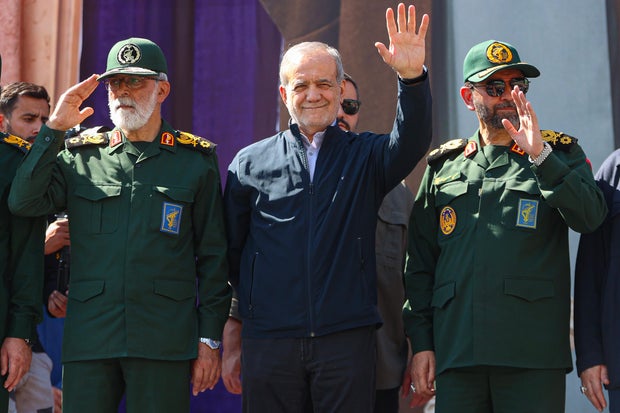
The escalating violence has triggered a severe humanitarian crisis. The International Organization for Migration (IOM) reported that nearly 130,000 Yemenis have been internally displaced across seven regions due to the intensified fighting, with thousands more fleeing across the Red Sea toward Djibouti.
In response to the mounting Houthi threat against international shipping and energy infrastructure, the United Kingdom announced a military assistance package for Saudi Arabia. British Prime Minister Andy Burnham confirmed that the Royal Air Force would provide air-to-air refueling support to Saudi aircraft to protect regional stability and safeguard vital trade corridors. This follows earlier U.S. deliberations over whether to launch direct retaliatory air strikes against Houthi positions—a military option President Trump ultimately paused over the weekend after consultations with regional allies, including Yemeni Presidential Leadership Council head Rashad Al-Alimi and Egyptian President Abdel Fattah al-Sisi.
Broader Implications and Outlook
As the U.N. General Assembly proceedings continue, the trajectory of the Middle East hangs in a delicate balance between catastrophic escalation and fragile diplomatic opening. The willingness of Washington and Tehran to engage in direct talks—facilitated by regional mediators such as Qatar and Pakistan—offers a narrow window for de-escalation. However, deeply entrenched disagreements over nuclear capabilities, maritime transit fees, regional proxy warfare, and crippling economic sanctions continue to impede a formal settlement.
The coming days in New York will test whether mutual economic fatigue, market pressures, and international appeals for interdependence can successfully channel the momentum of high-level meetings into a lasting ceasefire, or if the region is destined for an even deeper military conflagration.

